Nylon Backing Fiber Reinforced Tape
CN → US| HS Code | Tariff Rate | Origin | Destination | Doc |
|---|---|---|---|---|
| 3919102010 | 40.8% | CN | US | Official Doc |
| 5603110070 | 35.0% | CN | US | Official Doc |
| 5603120070 | 35.0% | CN | US | Official Doc |
| 3919905020 | 40.8% | CN | US | Official Doc |
| 3926909989 | 22.8% | CN | US | Official Doc |
Product Images
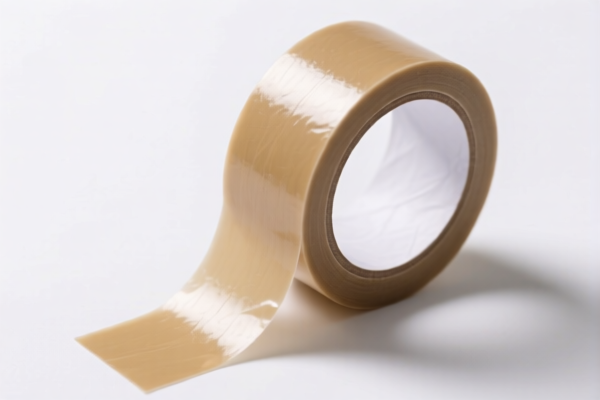
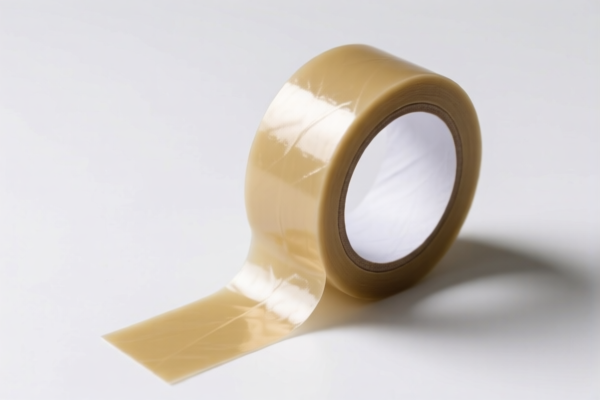
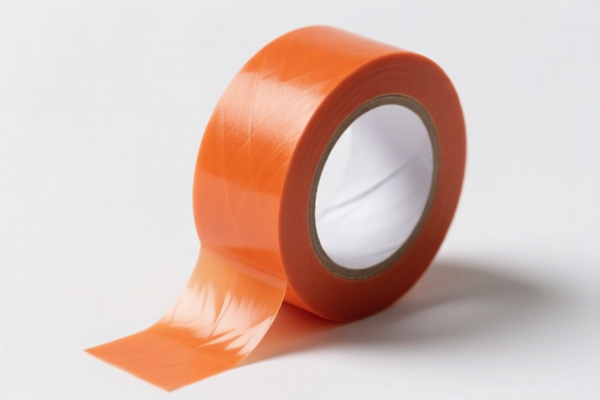
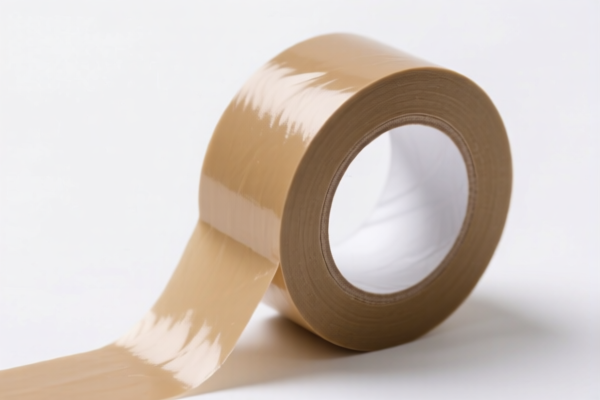
AI Analysis
🛡️ Nylon Backing Fiber Reinforced Tape
🌐 HS Code Reference & Clearance Guide | 2026 Latest Tariff Analysis | Strategic Customs Clearance Strategy
📌 1. Product Definition & Classification: Do You Truly Understand "Fiber Reinforced Tape"?
This product is a composite industrial material characterized by a Nylon base layer and fiber reinforcement. In international trade, it is primarily classified based on its form (tape/roll) and composition (plastic/fiber). The classification depends heavily on whether the tape is adhesive (self-adhesive) or purely structural, and the specific nature of the "fiber" (synthetic filament vs. other fibers).
⚠️ Key Distinction Points:
- Adhesive vs. Non-Adhesive: If it is a self-adhesive tape (common for repairs/insulation), it falls under Chapter 39 (Plastics/Tapes).
- Material Nature: "Fiber Reinforced" suggests a composite structure. If the base is Nylon (a plastic/polymer) and it is in roll form, 3919 is the strongest candidate.
- Non-Woven Alternative: If the "tape" is interpreted as a narrow strip of non-woven fabric (less common for "reinforced tape" in industrial contexts, but possible in technical textiles), it may fall under Chapter 56 (Non-wovens).
📦 2. HS Code Classification Details (2026 Latest Tariff Authority Match)
| HS Code | Product Description | Applicable Scenario | Total Tax Rate (CN→US) |
|---|---|---|---|
| 3919.10.20.10 | Self-adhesive tapes of plastics, in rolls, width ≤20cm, reinforced | Best Match. Nylon base + Fiber reinforcement + Adhesive (implied by "tape" usage) | 40.8% |
| 3919.90.50.20 | Other self-adhesive plates, sheets, film, foil, tape, strip, of plastics | General self-adhesive plastic tape, no specific width/reinforcement match | 40.8% |
| 5603.11.00.70 | Impregnated, coated, covered or laminated artificial textile materials, in strips | If classified as a technical textile/non-woven strip with fiber backing | 35.0% |
| 5603.12.00.70 | Artificial textile materials, in strips, weighing >70g/m² | If the fiber backing is heavy synthetic filament/non-woven | 35.0% |
| 3926.90.99.89 | Other articles of plastics | If not clearly a "tape" (e.g., rigid strips) or general plastic article | 22.8% |
🔍 Critical Reminder:
- "Tape" (Bandage/Tape) in Chapter 39: Specifically refers to self-adhesive products. The summary states: "Product name 'fiber reinforced' matches 'fiber reinforced tape' material enhancement method completely; form fits roll-shaped self-adhesive tape characteristics."
- Chapter 56 (Non-wovens): Applied if the product is viewed as a textile strip rather than a plastic adhesive tape. Summary: "Infers material as artificial filament/synthetic fiber, form fits non-woven/fiber-like product characteristics."
- Tax Disparity: There is a 5.8% difference between Chapter 39 (40.8%) and Chapter 56 (35.0%), plus a lower base rate for Chapter 3926 (22.8%). Precision in description is vital.
💰 3. 2026 Latest Tariff Rate Details (Including Surcharges & Policy Add-ons)
✅ Applicable Country: United States (US)
✅ Country of Origin: China (CN)
✅ Effective Date: Post-November 10, 2025 (Includes subsequent imports)
🎯 1. 3919.10.20.10 & 3919.90.50.20 —— Self-Adhesive Plastic Tapes (Fiber Reinforced)
| Item | Content |
|---|---|
| Basic Tariff | 5.8% (Ad valorem) |
| USITC Surcharge (Section 301) | +25.0% |
| IEEPA Surcharge (Section 122/China Specific) | +10.0% |
| Total Tax Rate | 40.8% |
| Tax Calculation | CIF Value × 40.8% |
| De Minimis Eligibility | ❌ No (deny_de_minimis) |
| Legal Basis Path | USITC:3919.10.20.10 / 3919.90.50.20 → FOOTNOTE:9903.88.01 → IEEPA:9903.01.25 |
📌 Explanation:
- The 5.8% basic rate is standard for plastics/tapes.
- The +25% is the standard Section 301 duty on Chinese plastics.
- The +10% is the specific IEEPA surcharge for Chinese goods (often applied to textiles/plastics depending on current enforcement).
- Total: 40.8%. This is a high-cost item. Misclassification is risky.
🎯 2. 5603.11.00.70 & 5603.12.00.70 —— Non-Woven Fabric Strips (Fiber-Based)
| Item | Content |
|---|---|
| Basic Tariff | 0.0% (Most Non-Wovens have 0% MFN) |
| USITC Surcharge (Section 301) | +25.0% |
| IEEPA Surcharge (Section 122/China Specific) | +10.0% |
| Total Tax Rate | 35.0% |
| Tax Calculation | CIF Value × 35.0% |
| De Minimis Eligibility | ❌ No (deny_de_minimis) |
| Legal Basis Path | USITC:5603.x1.00.70 → FOOTNOTE:9903.88.01 → IEEPA:9903.01.24 |
📌 Note:
- While the basic rate is 0%, the surcharges remain high (+35%).
- Summary states: "Infers material as artificial filament/fiber... matches non-woven fabric characteristics... no material/use conflict."
- Savings: 5.8% lower than the plastic tape classification. However, customs may challenge this if the product is clearly an adhesive plastic tape (Nylon backing usually implies a plastic polymer).
🎯 3. 3926.90.99.89 —— Other Plastic Articles
| Item | Content |
|---|---|
| Basic Tariff | 5.3% |
| USITC Surcharge (Section 301) | +7.5% (Reduced for some categories? Or specific footnote) |
| IEEPA Surcharge (Section 122/China Specific) | +10.0% |
| Total Tax Rate | 22.8% |
| Tax Calculation | CIF Value × 22.8% |
| De Minimis Eligibility | ❌ No (deny_de_minimis) |
| Legal Basis Path | USITC:3926.90.99.89 → FOOTNOTE:9903.88.01 → IEEPA:9903.01.24 |
📌 Warning:
- This rate is significantly lower (22.8%).
- However, the summary notes: "Infers material contains plastic/polymer... form belongs to 'other articles'."
- Risk: If the product is clearly a "tape" (strip form, self-adhesive), Customs will likely reject3926and reclassify to3919. Using3926for a tape is a high-risk misclassification unless it is a non-adhesive, rigid, or specialty plastic strip.
🛠️ 4. Customs Clearance Practical Advice (Combat Pitfalls Guide)
✅ 1. Required Documentation List (Non-Negotiable)
| Document | Mandatory? | Explanation |
|---|---|---|
| ✅ Product Spec Sheet | ✔️ | Must specify: Nylon backing, Type of Fiber (Glass/Carbon/Aramid), Adhesive Type (Pressure-sensitive? Rubber?), Width, Thickness. |
| ✅ Material Composition Proof | ✔️ | Bill of Materials (BOM) showing % of Nylon vs. Fiber vs. Adhesive. Crucial for Chapter 39 vs. Chapter 56 debate. |
| ✅ Product Photos (Clear) | ✔️ | Must show cross-section (layer structure) and label. |
| ✅ Commercial Invoice | ✔️ | Description must match HS Code logic. If 3919, use "Self-Adhesive Tape". If 5603, use "Non-Woven Strip". |
| ✅ Origin Certificate | ✔️ | To prove CN origin (subject to surcharges). |
| ✅ Pre-Ruling (Optional but Recommended) | ✔️ | Apply for Binding Tariff Information (BTI) or US CBP Ruling to lock in the HS Code. |
✅ 2. Declaration Tips (Key Mantra)
🔥 "Nylon is Plastic, Tape is 3919; Non-Woven is 5603; Don't Guess, Prove It!"
| Scenario | Correct Declaration | Wrong Practice |
|---|---|---|
| Self-Adhesive Tape (Most Common) | 3919.10.20.10 or 3919.90.50.20 |
Declaring as 3926 (Risk of penalty) |
| Non-Adhesive, Fiber-Backed Strip | 5603.11.00.70 (If textile-like) |
Declaring as 3919 (Incorrect form) |
| General Plastic Strip (Non-adhesive, rigid) | 3926.90.99.89 |
Declaring as 3919 (If not a roll/tape) |
📌 Strategy:
- If the tape is self-adhesive, Chapter 39 (3919) is the only correct legal classification for "Tapes".
- Do not try to force3926to save 18% tax. The risk of customs reclassification, back-taxes, and penalties is far higher.
- Consider5603only if the product is non-woven fabric strips and not adhesive in the plastic sense.
✅ 3. Special Situation Handling
| Situation | Handling Advice |
|---|---|
| High-Performance Fiber (e.g., Kevlar/Ceramic Fiber) | Ensure the "Fiber" is not classified as a chemical fiber under Chapter 54/55 if it loses its textile character. If reinforced in plastic, stay in Chapter 39. |
| Width > 20cm | 3919.10 is for ≤20cm. If wider, it may fall under 3920 or 3921. Check the 20cm limit! |
| Adhesive vs. Non-Adhesive | This is the #1 audit trigger. Provide MSDS (Material Safety Data Sheet) for the adhesive to prove it is pressure-sensitive (Chapter 39) or not adhesive (Chapter 59/56). |
🌍 5. Global Market Clearance Comparison (2026 Latest)
| Country/Region | Recommended HS Code | Tariff Rate (CN Origin) | Certification Requirements | Notes |
|---|---|---|---|---|
| 🇺🇸 USA | 3919.10.20.10 |
40.8% (Total) | None specific for tape | High surcharges apply. |
| 🇨🇳 China | 3919.10.20.10 |
5.8% | None | Low tax, easy clearance. |
| 🇪🇺 EU | 3919.10.10 (Est.) |
0% - 6.5% | REACH (Chemicals in adhesive) | No Section 301 equivalent. |
| 🇬🇧 UK | 3919.10.10 |
0% - 6.5% | UKCA (If applicable) | Post-Brexit rules. |
📌 Conclusion:
- USA is the most expensive market due to the 40.8% effective rate.
- Supply Chain Strategy: Consider sourcing from Vietnam, India, or Mexico if possible to mitigate Section 301 and IEEPA duties (verify country-specific rules of origin).
📌 6. Common Errors & Pitfalls (Lessons Learned)
❌ Error 1: Misclassifying Self-Adhesive Tape as 3926 (Other Plastic Articles)
👉 Consequence: Customs reclassification → Back taxes + 25% surcharge + Penalties.
👉 Why Wrong: 3919 is lex specialis (specific law) for tapes. 3926 is residual.
❌ Error 2: Ignoring the 20cm Width Limit for 3919.10
👉 Consequence: If width > 20cm, 3919.10 is invalid. Must use 3919.90 or other codes.
👉 Fix: Always declare width in cm/inches on invoice.
❌ Error 3: Claiming 5603 (Non-Woven) for a Plastic-Coated Tape
👉 Consequence: Customs argues it's a plastic product, not a textile.
👉 Why Wrong: "Nylon backing" + "Fiber Reinforced" + "Tape" usually equals a composite plastic article, not a pure textile.
🎯 7. Conclusion: Precision Saves Money!
🎯 Remember the Mantra:
🔹 "Self-Adhesive = 3919 (40.8%);
🔹 Non-Adhesive Strip = 5603 (35.0%) or 3926 (22.8% - Risky);
🔹 Width < 20cm = 3919.10;
🔹 Width > 20cm = 3919.90;
🔹 Prove the Adhesive, Avoid the Penalty!"
📌 Pro Tip:
If your tape is high-value industrial reinforcement (e.g., for pipelines, construction), the tax difference between 40.8% and 22.8% is significant. However, only use 3926 if it is definitively NOT a tape or adhesive product. For standard "Nylon Backing Fiber Reinforced Tape," 3919.10.20.10 is the safest, most defensible classification despite the higher tax. Consider tariff engineering (e.g., separating components) or duty drawback programs if eligible.
📣 Immediate Action:
📞 Consult a Customs Broker with product samples.
📄 Request a Binding Ruling from US CBP for your specific SKU.
🚀 Optimize Supply Chain: Explore non-CN origins to reduce the 35%-40% burden.
✨ Professional Clearance Starts with Precise Classification!
💼 Every Percent Saved is Profit Earned!
Customer Reviews
About HS Code Classification
The Harmonized System (HS) is an internationally standardized nomenclature developed by the World Customs Organization (WCO) to classify traded products. Over 200 countries use the HS system as the basis for customs tariffs, trade statistics, and import/export regulations.
Each HS code follows a hierarchical structure:
- Chapter (2 digits) — Broad category of goods (e.g., Chapter 84: Machinery and Mechanical Appliances)
- Heading (4 digits) — More specific grouping within the chapter
- Subheading (6 digits) — Internationally standardized breakdown, used by all WCO member countries
- National subdivisions (8-10 digits) — Country-specific extensions for further classification, such as US HTSUS 10-digit codes
Correct HS code classification is essential for smooth customs clearance, accurate duty payment, and compliance with trade regulations. Misclassification can lead to customs delays, overpayment of duties, or penalties.
When importing from CN to US, the applicable tariff rates may include:
- Most-Favored-Nation (MFN) rate — The standard duty rate applied to WTO members
- General rate — Applied to countries without trade agreements
- Trade remedy duties — Additional tariffs such as Section 301 (anti-dumping), Section 232 (national security), or countervailing duties
The information provided on this page is for reference purposes only. For official classification, please consult with your local customs authority or a licensed customs broker.