Nylon Sports Backpack
CN → US| HS Code | Tariff Rate | Origin | Destination | Doc |
|---|---|---|---|---|
| 4202923120 | 52.6% | CN | US | Official Doc |
| 4202923131 | 52.6% | CN | US | Official Doc |
| 6305330080 | 25.9% | CN | US | Official Doc |
| 3926903300 | 16.5% | CN | US | Official Doc |
| 6305390000 | 25.9% | CN | US | Official Doc |
Product Images
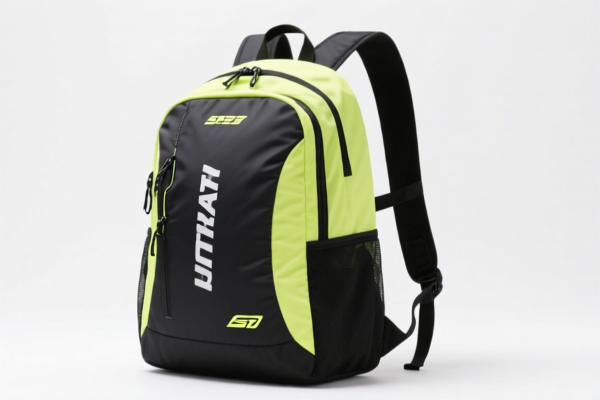
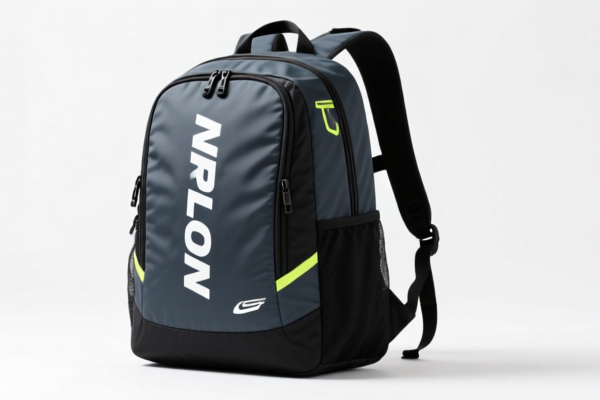
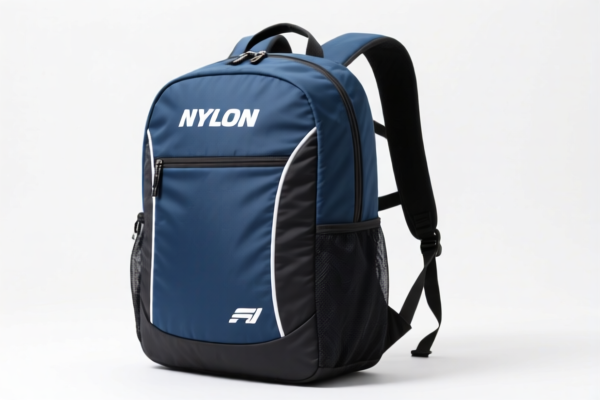
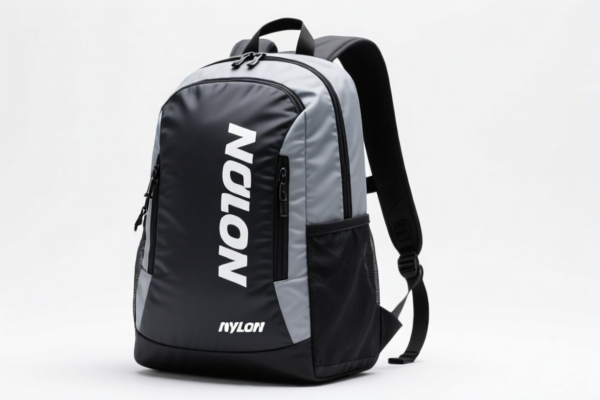
AI Analysis
🎒 Nylon Sports Backpack (Nylon Outdoor/Travel Bag)
🌐 HS Code Reference & Customs Clearance Guide | 2026 Latest Tariff Analysis | Strategic Compliance for US Imports
📌 Part 1: Product Definition & Classification – Do You Really Know What You’re Shipping?
The "Nylon Sports Backpack" is a versatile textile article used for outdoor travel, sports, and daily commuting. In international trade, its classification depends heavily on the material composition (synthetic vs. man-made) and the specific construction/usage (luggage vs. general packaging/sacks).
⚠️ Critical Distinction:
- If it is designed as luggage/backpacks with handles/straps for personal carrying → Chapter 42.
- If it is a generic bag/sack for packaging or holding goods, not primarily for personal wear/carrying → Chapter 63.
- If the outer surface is predominantly plasticized fabric or similar, it may fall under Chapter 39.
📦 Part 2: HS Code Classification Matrix (2026 Latest Tariff Concordance)
| HS Code | Product Description (per DATA) | Key Characteristic | Primary Use Case |
|---|---|---|---|
4202.92.31.20 |
Nylon Outdoor Backpack | Material: Synthetic Fiber | Outdoor travel, sports bags, personal carry |
4202.92.31.31 |
Nylon Outdoor Backpack | Material: Man-made Fiber | Travel, sports, and similar articles |
6305.33.00.80 |
Nylon Bag | Material: Man-made Textile | Packaging or holding items (generic sack/bag) |
3926.90.33.00 |
Nylon Bag | Material: Plastic/Synthetic Fiber | Articles of plastics or other materials |
6305.39.00.00 |
Nylon Bag | Material: Man-made Textile | Articles of man-made textile materials (sacks/bags) |
🔍 Key Insight:
- Chapters 42 vs. 63: The core difference is function. Backpacks with straps/handles for personal use go to 4202. Generic nylon sacks or stuff sacks go to 6305.
- Chapter 39: Only applies if the bag is essentially a plastic article (e.g., heavy-duty tarpaulin-style bags with plastic coatings) rather than a textile bag.
💰 Part 3: 2026 Tariff Rate Breakdown (US Imports from China)
✅ Applicable Country: United States (US)
✅ Origin: China (CN)
✅ Effective Date: Current rates apply (including Section 301 & 122 Measures)
🎯 1. 4202.92.31.20 & 4202.92.31.31 – Nylon Outdoor Backpacks
(Chapters 42: Luggage, Handbags, Backpacks)
| Item | Detail |
|---|---|
| Base Duty Rate | 17.6% (Standard MFN) |
| Section 301 Add-on | +25.0% (Trade Act of 1974, Section 301) |
| Section 122 Measure | +10.0% (Specific anti-dumping/countervailing measure or specific 122 clause) |
| Total Effective Rate | 52.6% |
| Calculation Basis | CIF Value × 52.6% |
| De Minimis Exemption | ❌ NOT APPLICABLE (High tariff rates exclude these from $800 de minimis relief) |
| Legal Path | Base Tariff → Section 301 → Section 122 |
📌 Explanation:
- These backpacks are considered high-value consumer goods and are heavily targeted by US trade remedies.
- The 52.6% total duty is a significant cost driver. Importers must carefully evaluate margin impact.
🎯 2. 6305.33.00.80 & 6305.39.00.00 – Nylon Bags (Packaging/Storage)
(Chapter 63: Other Made-Up Articles)
| Item | Detail |
|---|---|
| Base Duty Rate | 8.4% (Standard MFN) |
| Section 301 Add-on | +7.5% (Partial Section 301 list) |
| Section 122 Measure | +10.0% |
| Total Effective Rate | 25.9% |
| Calculation Basis | CIF Value × 25.9% |
| De Minimis Exemption | ❌ NOT APPLICABLE (Still exceeds de minimis thresholds for duty) |
| Legal Path | Base Tariff → Section 301 → Section 122 |
📌 Note:
- If classified as packaging/sacks rather than luggage, the base duty is lower (8.4%), but Section 301 still applies (7.5%).
- This classification is riskier if customs determines the item is clearly a "backpack" (with straps/ergonomic design). Misclassification can lead to penalties.
🎯 3. 3926.90.33.00 – Nylon Bag (Plastic/Synthetic)
(Chapter 39: Articles of Plastics)
| Item | Detail |
|---|---|
| Base Duty Rate | 6.5% (Standard MFN) |
| Section 301 Add-on | 0.0% (Excluded or not applicable) |
| Section 122 Measure | +10.0% |
| Total Effective Rate | 16.5% |
| Calculation Basis | CIF Value × 16.5% |
| De Minimis Exemption | ❌ NOT APPLICABLE (Though lower, still subject to scrutiny) |
| Legal Path | Base Tariff → Section 122 |
📌 Caution:
- This rate is the lowest (16.5%), but classification is strict. The item must be predominantly a plastic article. A standard woven nylon backpack will likely be rejected for this code by CBP.
- Suitable for heavy-duty plastic-coated bags, dry bags, or non-textile synthetic containers.
🛠️ Part 4: Customs Clearance Practical Advice
✅ 1. Documentation Checklist (Non-Negotiable)
| Document | Requirement | Explanation |
|---|---|---|
| ✅ Commercial Invoice | ✔️ Must Detail Material | Specify "100% Nylon," "Synthetic Fiber," or "Man-made Textile." Ambiguity triggers audits. |
| ✅ Packing List | ✔️ Itemize Contents | Show if straps, handles, and zippers are included (supports Chapter 42 classification). |
| ✅ Product Photos | ✔️ Clear & High-Res | Show straps, buckles, and overall shape. If it looks like a "bag" for carrying, it’s likely Ch. 42. |
| ✅ Material Composition Certificate | ✔️ From Supplier | Proves whether the nylon is synthetic or man-made, affecting Ch. 42 vs. Ch. 63. |
| ✅ Country of Origin Label | ✔️ Marked on Product | Must say "Made in China" to avoid customs delays. |
✅ 2. Classification Strategy & Risk Mitigation
🔥 “Define Function, Not Just Material: Backpack = 4202, Sack = 6305”
| Scenario | Recommended HS Code | Why? |
|---|---|---|
| Standard Backpack (with shoulder straps, ergonomic back panel) | 4202.92.31.20 / .31 |
Clearly designed for personal carrying/luggage. |
| Stuff Sack / Dry Bag (no straps, used for packing gear) | 6305.33.00.80 / .39 |
Function is storage/packaging, not personal wear. |
| Heavy-Duty Plastic Bag (pVC-coated, tarp-like) | 3926.90.33.00 |
Material is plastic-dominated, not textile. |
| Mixed Bag (backpack with large storage pouch) | 4202.92.31.20 |
Principal character determines classification. |
⚠️ Warning:
- Misclassification Risk: Declaring a backpack as6305(25.9%) to save duty can lead to CBP audits, fines, and retroactive duty payments if deemed a "backpack."
- Pre-Ruling Recommended: For large shipments, apply for a Binding Ruling from CBP to lock in the HS Code.
✅ 3. Special Considerations for US Imports
| Issue | Detail |
|---|---|
| Section 301 Tariffs | Apply to all Chinese-made backpacks and nylon bags. No exceptions for small batches. |
| Section 122 Tariffs | Additional 10% applies to most nylon articles. Verify current list status. |
| De Minimis ($800) | NOT AVAILABLE for these HS codes due to high duty rates. All shipments subject to duty. |
| Anti-Dumping/Countervailing Duties (AD/CVD) | Check if specific nylon fibers or bags are subject to AD/CVD. Some textile products have additional duties. |
🌍 Part 5: Global Market Comparison (Quick Reference)
| Market | Recommended HS Code | Est. Total Duty | Notes |
|---|---|---|---|
| 🇺🇸 USA | 4202.92.31.20 |
52.6% | High tariffs due to Section 301 + 122. |
| 🇪🇺 EU | 4202.92.90 |
~12-16% | No Section 301. Standard EU duty. |
| 🇨🇳 China | 4202.92.90 |
~10% | Lower base rate. No extra trade measures. |
| 🇬🇧 UK | 4202.92.90 |
~12% | Post-Brexit rules. No US-style add-ons. |
📌 Strategy:
- If targeting the US market, factor in 52.6% duty into pricing.
- Consider third-country assembly (e.g., Vietnam, Mexico) if possible to avoid US-origin tariffs (verify Rules of Origin carefully).
📌 Part 6: Common Mistakes & Pitfalls
❌ Mistake 1: Using "Backpack" in the description but declaring 6305 (25.9%) to save duty.
👉 Result: CBP reclassifies to 4202 (52.6%) + penalties.
👉 Fix: Ensure the product is clearly a sack/storage bag if using Ch. 63.
❌ Mistake 2: Ignoring Section 122 tariffs.
👉 Result: Underpayment of duty by 10%.
👉 Fix: Always include 122 clause in tariff calculations for nylon articles.
❌ Mistake 3: Assuming De Minimis ($800) applies.
👉 Result: Shipment held at border, duties assessed retroactively.
👉 Fix: Treat all shipments as subject to duty. Plan cash flow for 52.6% tax.
✅ Correct Approach:
“Nylon Backpack, Outdoor Use, Synthetic Fiber, Shoulder Straps, Model XYZ”
→ Declare as4202.92.31.20
→ Apply 52.6% total duty.
🎯 Part 7: Conclusion – Professional Compliance Saves Money
🎯 Key Takeaways:
🔹 “Function Dictates Code: Backpack = 4202, Sack = 6305”
🔹 “Tariff Trap: 52.6% for Backpacks, 25.9% for Sacks, 16.5% for Plastic Bags”
🔹 “No De Minimis: All shipments taxed. Plan accordingly.”
📌 Action Plan:
1. Verify Product Design: Does it have straps? → Ch. 42.
2. Confirm Material: Synthetic? Man-made? Plastic? → Matches specific HS Code.
3. Calculate Landed Cost: Include 52.6% (for backpacks) in your margin model.
4. Consult Customs Broker: For high-volume shipments, request a Pre-Ruling.
📣 Ready to Ship?
📞 Partner with a licensed US Customs Broker.
📄 Provide full specs and photos for accurate classification.
🚀 Ensure your invoices clearly state “Made in China” to avoid origin disputes.
✨ Precision in Classification = Precision in Profit.
💼 Don’t let 52.6% tariffs catch you off guard. Comply Smart.
Customer Reviews
About HS Code Classification
The Harmonized System (HS) is an internationally standardized nomenclature developed by the World Customs Organization (WCO) to classify traded products. Over 200 countries use the HS system as the basis for customs tariffs, trade statistics, and import/export regulations.
Each HS code follows a hierarchical structure:
- Chapter (2 digits) — Broad category of goods (e.g., Chapter 84: Machinery and Mechanical Appliances)
- Heading (4 digits) — More specific grouping within the chapter
- Subheading (6 digits) — Internationally standardized breakdown, used by all WCO member countries
- National subdivisions (8-10 digits) — Country-specific extensions for further classification, such as US HTSUS 10-digit codes
Correct HS code classification is essential for smooth customs clearance, accurate duty payment, and compliance with trade regulations. Misclassification can lead to customs delays, overpayment of duties, or penalties.
When importing from CN to US, the applicable tariff rates may include:
- Most-Favored-Nation (MFN) rate — The standard duty rate applied to WTO members
- General rate — Applied to countries without trade agreements
- Trade remedy duties — Additional tariffs such as Section 301 (anti-dumping), Section 232 (national security), or countervailing duties
The information provided on this page is for reference purposes only. For official classification, please consult with your local customs authority or a licensed customs broker.