Nylon Suit (Including Shirt)
CN → US| HS Code | Tariff Rate | Origin | Destination | Doc |
|---|---|---|---|---|
| 6104230026 | 0.0% | CN | US | Official Doc |
| 6203230030 | 0.0% | CN | US | Official Doc |
| 6204230030 | 0.0% | CN | US | Official Doc |
| 6104132000 | 24.9% | CN | US | Official Doc |
| 6203230050 | 0.0% | CN | US | Official Doc |
| 6204132010 | 0.0% | CN | US | Official Doc |
Product Images


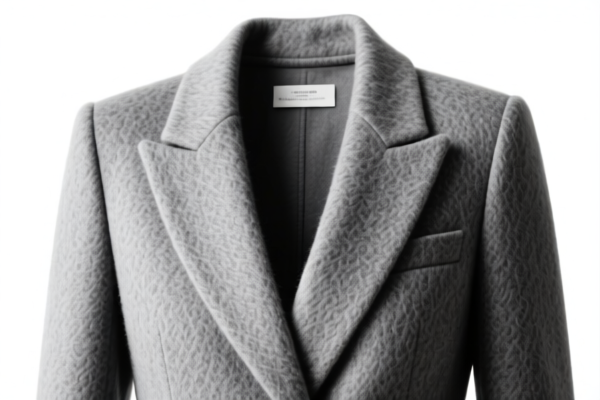
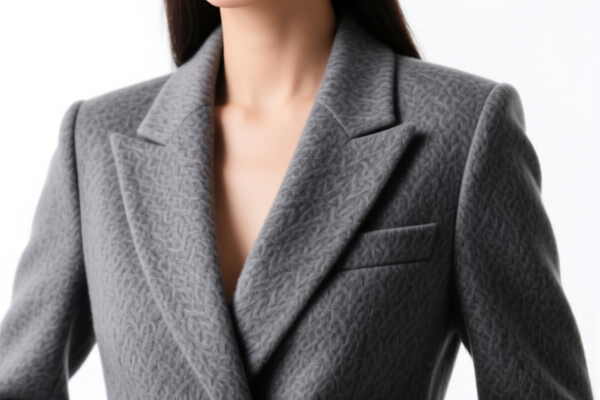
AI Analysis
👔 Nylon Suit Ensemble (Including Shirt)
🌐 HS Code Reference & Customs Clearance Guide | 2026 Latest Tariff Analysis | Professional Entry Strategy
📌 I. Product Definition: What Exactly Is a "Nylon Suit Ensemble"?
A Nylon Suit Ensemble in international trade refers to a set of garments made primarily from nylon (synthetic fiber) textiles. Crucially, this category specifically covers "Ensembles" as defined by customs rules: sets consisting of two or more garments (typically a jacket/blazer and trousers/skirt, often including a shirt) designed to be worn together as a single outfit.
Key Distinctions: * The "Ensemble" Rule (GRI 3(b)): If the items are put up together for retail sale and meet specific criteria (same fabric, color, style), they may be classified as a single set rather than individual pieces. * Material: The primary fabric is Nylon (Synthetic Fiber). This distinguishes it from wool, cotton, or other natural fiber suits. * Gender: Classification varies significantly between Men’s/Boys’ and Women’s/Girls’ suits due to different HS Code chapters (61 vs. 62).
⚠️ Critical Classification Point:
- If the suit includes a shirt and is marketed as a complete set, it triggers specific "ensemble" tax rates.
- If the jacket and trousers are not sold together as a single retail unit, they must be classified individually, often leading to different tax liabilities.
📦 II. HS Code Classification Details (2026 Latest Tariff Reference)
Based on the provided data, here are the specific HS Codes for Nylon Suits (Ensembles/Complete Sets):
| HS Code | Product Description | Gender/Type | Key Feature |
|---|---|---|---|
6104.23.00.26 |
Nylon Synthetic Fiber Suit (Ensemble, incl. Shirt) | Men’s | Classified as an ensemble (jacket + shirt/pants). Tax rate depends on individual garment rates + 17.5%. |
6203.23.00.30 |
Nylon Synthetic Fiber Men’s Complete Suit (incl. Shirt) | Men’s | Complete set. Tax rate: Individual garment rate + 10.0%. |
6204.23.00.30 |
Nylon Synthetic Fiber Women’s Complete Suit (incl. Shirt) | Women’s | Complete set. Tax rate: Individual garment rate + 17.5%. |
6104.13.20.00 |
Nylon Synthetic Fiber Suit (Perfect Match in Form/Use) | Unisex/General | Strict definition match. Tax Rate: 24.9% (Fixed). |
6203.23.00.50 |
Nylon Synthetic Fiber Men’s Complete Suit (Consistent Use) | Men’s | Broad definition. Tax Rate: Individual garment rate + 10.0%. |
6204.13.20.10 |
Nylon Synthetic Fiber Women’s/Unisex Suit (incl. Shirt) | Women’s/Unisex | Specific sub-category. Tax Rate: 35.3¢/kg + 25.9% + 17.5%. |
🔍 Note on "Ensemble" vs. "Separate Items":
- Ensemble HS Codes (e.g.,6104.23.00.26,6204.23.00.30) often apply complex tax calculations based on the sum of taxes applicable to each garment if sold separately, plus additional duties.
- Non-Ensemble/Specific HS Codes (e.g.,6104.13.20.00) may have a fixed total rate (24.9%), which can be simpler to calculate but requires strict adherence to the "perfect match" definition.
💰 III. 2026 Latest Tariff Rate Breakdown (US Market Focus)
✅ Applicable Country: United States (US)
✅ Origin: China (CN) (Implied by "Section 122" references)
✅ Effective Time: Current Regulations
🎯 1. Men’s Nylon Suits (6104.23.00.26 & 6203.23.00.30 / 6203.23.00.50)
| Item | Content |
|---|---|
| Base Tariff | "The rate applicable to each garment in the ensemble if separately classified" (Varies, typically ~17.5% for jackets/pants). |
| Additional Duty (Section 301/Trade Act) | +7.5% (for 6104.23.00.26) or +0.0% (for 6203.23.00.30/6203.23.00.50). |
| Section 122 Tariff | +10% (Mandatory for all nylon suits under this data set). |
| Total Effective Rate | Approx. 25% - 35% (Depends on base garment rates). • For 6104.23.00.26: Base + 7.5% + 10%. • For 6203.23.00.30: Base + 0.0% + 10%. |
| Calculation Method | Sum of taxes on individual components (jacket, shirt, pants) if classified separately + Additional Duties. |
📌 Explanation:
- The "Base Tariff" is not a fixed number in the summary but refers to the standard Most Favored Nation (MFN) rate for nylon outerwear (jackets/pants).
- Section 122 Tariff (+10%) is a significant additional cost specifically targeting certain textile categories from China.
- Section 301/Additional Duties vary:6104codes often attract 7.5%, while some6203codes may have 0% additional duty, but the 122 tariff remains.
🎯 2. Women’s Nylon Suits (6204.23.00.30 & 6204.13.20.10)
| Item | Content |
|---|---|
| Base Tariff | "The rate applicable to each garment... if separately classified" OR 25.9% (for 6204.13.20.10). |
| Additional Duty | +7.5% (for 6204.23.00.30) or +7.5% (for 6204.13.20.10). |
| Section 122 Tariff | +10% (Mandatory). |
Specific Rate (6204.13.20.10) |
35.3¢/kg + 25.9% (Base) + 7.5% (Add) + 10% (122) = Total ~43.4% + 35.3¢/kg. |
| Total Effective Rate | High: Typically >40% due to cumulative duties. |
📌 Warning:
- The code6204.13.20.10has a compound tax (Ad Valorem + Specific per kg), making cost calculation complex.
- Women’s suits generally face higher additional duties (7.5%) compared to some men’s variants (0%).
🎯 3. General/Unisex Nylon Suit (6104.13.20.00)
| Item | Content |
|---|---|
| Base Tariff | 14.9% |
| Additional Duty | 0.0% |
| Section 122 Tariff | +10% |
| Total Rate | 24.9% (Fixed). |
📌 Advantage:
- This code offers a predictable, fixed rate (24.9%), which is significantly lower and simpler than the ensemble calculations for6104.23.00.26or6204.23.00.30.
- Condition: Must strictly meet the definition of "Perfect Match in Form and Use."
🛠️ IV. Customs Clearance Practical Advice (Pitfall Avoidance)
✅ 1. Preparation Checklist (Non-Negotiable)
| Document | Required? | Purpose |
|---|---|---|
| ✅ Detailed Garment Description | ✔️ | Must specify: "Nylon," "Synthetic Fiber," "Suit Ensemble," "Includes Shirt." |
| ✅ Fabric Composition Certificate | ✔️ | Proof that nylon content >50% (or as per HS rule). |
| ✅ Ensemble Definition Proof | ✔️ | Photos showing jacket, pants, and shirt sold together as one SKU. |
| ✅ Invoice & Packing List | ✔️ | Clearly state total value. Do not separate prices for jacket/pants/shirt if classified as an ensemble. |
| ✅ Origin Certificate | ✔️ | Critical for determining applicability of Section 122 (China origin). |
✅ 2. Classification Strategy (Key Tips)
🔥 "Define the Ensemble, Choose the Code, Count the Taxes!"
| Scenario | Recommended HS Code | Reason |
|---|---|---|
| Simple, Fixed-Rate Suit | 6104.13.20.00 |
Only use if the suit strictly matches "Form and Use" criteria. Lowest complexity (24.9%). |
| Men’s Standard Ensemble | 6203.23.00.30 |
Often lower additional duty (0%) than 6104 codes, but still requires base tariff sum. |
| Women’s Standard Ensemble | 6204.23.00.30 |
Standard classification, but expect 7.5% add + 10% 122 tariff. |
| High-Value/Premium Women’s | 6204.13.20.10 |
Only if the suit falls into this specific sub-category. High tax burden (Compound Rate). |
✅ 3. Special Situations
| Situation | Handling Advice |
|---|---|
| "Suit" sold without Shirt | Do NOT use ensemble codes. Classify jacket and pants separately. Tax rates may differ. |
| Mixed Fiber (e.g., Nylon + Polyester) | Ensure nylon is the predominant fiber by weight. Otherwise, it may be misclassified. |
| Section 122 Tariff Application | Always verify if your specific nylon suit qualifies for Section 122. Most do, adding 10% cost. |
| Valuation Disputes | For compound tax codes (6204.13.20.10), ensure weight (kg) is accurately declared. Incorrect weight = underpayment penalties. |
🌍 V. Global Market Comparison (2026)
| Market | Typical HS Code | Tariff Strategy | Remarks |
|---|---|---|---|
| 🇺🇸 USA | 6104.23.00.26 / 6204.23.00.30 |
High (Base + 7.5% + 10% 122) | Section 122 and 301 duties significantly increase cost. |
| 🇨🇳 China | 6104.23 / 6204.23 |
Low (5-10%) | No Section 122/301. Import duties are standard MFN rates. |
| 🇪🇺 EU | 6210.30 / 6103.42 |
Medium (12% approx.) | No Section 122. VAT applies separately. |
| 🇬🇧 UK | 6204.23 |
Medium (12% approx.) | Post-Brexit rules apply. No US-style additional tariffs. |
📌 Conclusion:
- The US market is the most challenging for nylon suits due to Section 122 (+10%) and Section 301/Additional Duties (0-7.5%).
- EU/UK/China do not apply these specific additional tariffs, making them more cost-effective for exports.
📌 VI. Common Mistakes & Pitfalls (Blood Lessons)
❌ Mistake 1: Classifying a Men’s Suit as a Women’s Code (or vice versa)
👉 Result: Wrong tax rate (e.g., paying 17.5% additional duty instead of 0%). Penalty + Back Tax.
❌ Mistake 2: Treating a Suite with Shirt as Three Separate Items
👉 Result: If customs deems it an "Ensemble," they may reclassify it, leading to complex tax calculations and potential disputes. Conversely, misclassifying an ensemble as separate items can lead to underpayment if individual item rates are higher.
❌ Mistake 3: Ignoring Section 122 Tariff
👉 Result: Failing to declare the 10% additional duty leads to immediate seizure or post-entry audits. This is mandatory for most nylon suits.
❌ Mistake 4: Incorrect Weight Declaration for Compound Tax Codes (6204.13.20.10)
👉 Result: Since 6204.13.20.10 has a 35.3¢/kg charge, even a small error in weight can result in significant underpayment or overpayment.
✅ Correct Approach:
"Nylon Men’s Suit Ensemble (Jacket, Trousers, Shirt), 100% Synthetic, Origin China, HS Code 6203.23.00.30, Declared Value $100, Weight 1.5kg."
🎯 VII. Conclusion: Smart Classification, Lower Costs
🎯 Remember the Golden Rules:
🔹 "Ensembles have complex tax sums; Fixed codes have simple rates."
🔹 "Section 122 (+10%) is almost always due for Nylon Suits from China."
🔹 "Men’s suits often have lower additional duties (0%) than Women’s (7.5%)."
📌 Pro Tip:
- If your product fits 6104.13.20.00, use it for the fixed 24.9% rate. It’s simpler and often cheaper than calculating ensemble sums.
- For 6204 women’s suits, be prepared for higher total duties due to the 7.5% additional tariff + 10% Section 122.
📣 Immediate Action:
📞 Consult a Customs Broker: Verify if your "Nylon Suit" truly qualifies as an "Ensemble" under GRI 3(b).
📝 Document Everything: Keep photos, invoices, and fabric specs ready for customs inspection.
🚀 Optimize Supply Chain: Consider exporting to non-US markets if the 30-40% US tariff makes the product uncompetitive.
✨ Professional Clearance Starts with Accurate Classification!
💼 Every Percent Matters in Tariff Costs!
Customer Reviews
About HS Code Classification
The Harmonized System (HS) is an internationally standardized nomenclature developed by the World Customs Organization (WCO) to classify traded products. Over 200 countries use the HS system as the basis for customs tariffs, trade statistics, and import/export regulations.
Each HS code follows a hierarchical structure:
- Chapter (2 digits) — Broad category of goods (e.g., Chapter 84: Machinery and Mechanical Appliances)
- Heading (4 digits) — More specific grouping within the chapter
- Subheading (6 digits) — Internationally standardized breakdown, used by all WCO member countries
- National subdivisions (8-10 digits) — Country-specific extensions for further classification, such as US HTSUS 10-digit codes
Correct HS code classification is essential for smooth customs clearance, accurate duty payment, and compliance with trade regulations. Misclassification can lead to customs delays, overpayment of duties, or penalties.
When importing from CN to US, the applicable tariff rates may include:
- Most-Favored-Nation (MFN) rate — The standard duty rate applied to WTO members
- General rate — Applied to countries without trade agreements
- Trade remedy duties — Additional tariffs such as Section 301 (anti-dumping), Section 232 (national security), or countervailing duties
The information provided on this page is for reference purposes only. For official classification, please consult with your local customs authority or a licensed customs broker.