Nylon/Polyamide Filament Bleached Woven Fabric for Lining
CN → US| HS Code | Tariff Rate | Origin | Destination | Doc |
|---|---|---|---|---|
| 6006310020 | 45.0% | CN | US | Official Doc |
| 5407710015 | 49.9% | CN | US | Official Doc |
| 5407410030 | 48.6% | CN | US | Official Doc |
| 5513130090 | 49.9% | CN | US | Official Doc |
| 5512110090 | 24.0% | CN | US | Official Doc |
Product Images
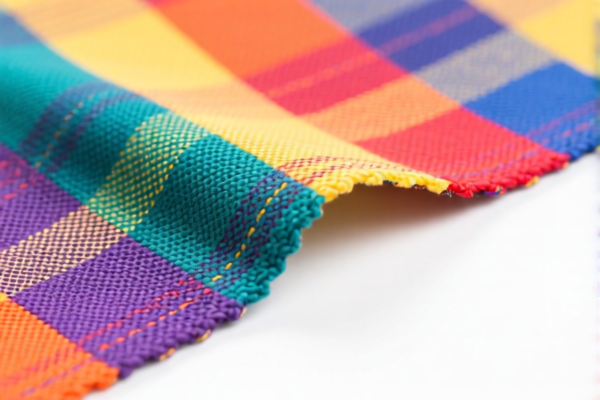
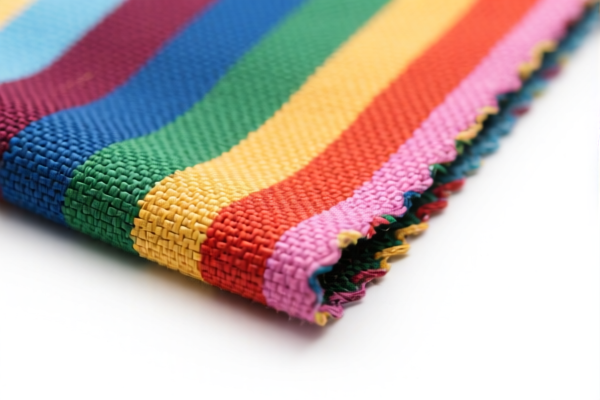
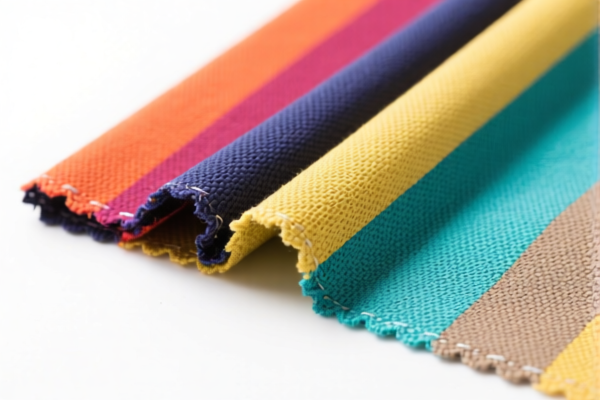
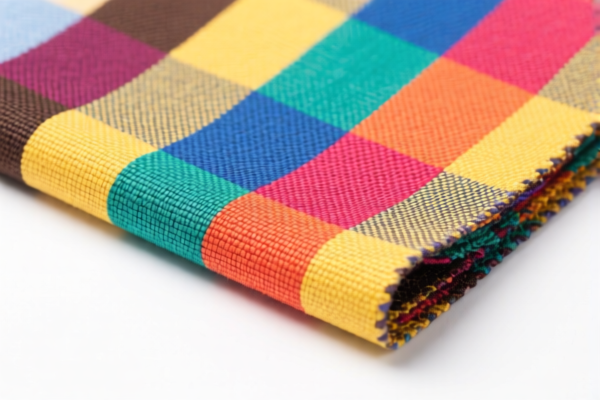
AI Analysis
🧵 Nylon/Polyamide Filament Bleached Woven Fabric for Lining (Lining Fabrics)
🌐 HS Code Reference & Customs Clearance Guide | 2026 Latest Tariff Analysis | Strategic Clearance Strategy
📌 I. Product Definition & Classification: Do You Really Understand "Lining Fabric"?
Nylon (Polyamide) filament bleached woven fabrics, primarily used as linings for clothing, bags, and industrial applications, are high-value synthetic textiles. In international trade, they are strictly classified based on material composition, state of processing (bleached) and structure (filament vs. staple).
Synthetic Filament Yarns (Nylon/Polyamide): Made from continuous long strands (filaments), offering smoothness and strength.
Bleached State: The fabric has been chemically whitened, distinguishing it from dyed, printed, or unbleached fabrics.
⚠️ Key Distinction Point:
- If it is Nylon/Polyamide Filament: It falls under Chapters 54 or 60.
- If it is Polyester (PET): Although similar in use, it belongs to a different chemical family (Chapters 55), resulting in different HS codes and tax rates.
- Bleached vs. Dyed: Bleached fabrics generally have specific HS sub-headings (e.g., .41, .31) that differ from unbleached (.40) or dyed (.30).
📦 II. HS Code Classification Details (2026 Latest Tariff Authoritative Comparison)
| HS Code | Product Description | Applicable Scenario | Tax Rate Total |
|---|---|---|---|
6006.31.00.20 |
Nylon/Polyamide Synthetic Fiber Filament, Bleached Fabric | Knitted fabric (if knitted), or specific filament bleached woven/tricot meeting material/state requirements. | 45.0% |
5407.71.00.15 |
Nylon/Polyamide Synthetic Fiber Filament, Bleached Woven Fabric | Lightweight woven characteristics match. Common high-end lining. | 49.9% |
5407.41.00.30 |
Nylon/Polyamide Synthetic Fiber Filament, Bleached Woven Fabric | Standard filament bleached woven, fits material and form requirements. | 48.6% |
5513.13.00.90 |
Polyester Short Fiber Bleached Woven Fabric | Material differs (Polyester vs Nylon), but form/use similar. Alternative Category. | 49.9% |
5512.11.00.90 |
Polyester Short Fiber Bleached Woven Fabric | Similar form/use, belongs to "Other" categories. Alternative Category. | 24.0% |
🔍 Key Reminder:
- Nylon vs. Polyester: Ensure your material is truly Nylon/Polyamide (Chapter 54/60) and not Polyester (Chapter 55). Using a Polyester HS code for Nylon goods will lead to misdeclaration. - Woven vs. Knitted:5407and6006often cover Woven and Knitted respectively. Verify if your lining is woven (most linings are woven) or knitted (tricot). - Tax Burden: Nylon linings face significantly higher tariffs (~45-50%) compared to some Polyester alternatives (~24-50% depending on subtype).
💰 III. 2026 Latest Tariff Rate Details (Including Additional Taxes & Policy Surcharges)
✅ Applicable Country: United States (US)
✅ Country of Origin: China (CN)
✅ Effective Date: From November 10, 2025 (Including subsequent imports)
🎯 1. 5407.71.00.15 —— Nylon/Polyamide Synthetic Fiber Filament, Bleached Woven Fabric (Lightweight)
| Item | Content |
|---|---|
| Basic Duty Rate | 14.9% |
| Section 301 Additional Duty | +25.0% |
| Section 122 Duty | +10.0% |
| Total Tax Rate | 49.9% |
| Tax Calculation | CIF Value × 49.9% |
| De Minimis Exemption Eligible? | ❌ No (deny_de_minimis) |
| Legal Basis Path | USITC:5407.71.00.15 → Section 301 Footnote → Section 122 Rule |
📌 Explanation:
- "Basic Duty 14.9%": Standard Most Favored Nation (MFN) rate for nylon woven fabrics. - "Section 301 Additional 25%": The standard punitive tariff on Chinese textiles. - "Section 122 Duty 10%": Specific surcharge applied to certain textile/apparel categories. - Total 49.9%: This is a very high cost factor. Profit margins must absorb this, or prices must be adjusted.
🎯 2. 5407.41.00.30 —— Nylon/Polyamide Synthetic Fiber Filament, Bleached Woven Fabric (Standard)
| Item | Content |
|---|---|
| Basic Duty Rate | 13.6% |
| Section 301 Additional Duty | +25.0% |
| Section 122 Duty | +10.0% |
| Total Tax Rate | 48.6% |
| Tax Calculation | CIF Value × 48.6% |
| De Minimis Exemption Eligible? | ❌ No |
| Legal Basis Path | USITC:5407.41.00.30 → Section 301 Footnote → Section 122 Rule |
📌 Note:
- Slightly lower basic rate (13.6%) than the lightweight variant (14.9%), but still subject to the same 35% surcharges. - Suitable for standard-weight linings, jackets, and upholstery.
🎯 3. 6006.31.00.20 —— Nylon/Polyamide Filament, Bleached Fabric (Knitted/Tricot Specific)
| Item | Content |
|---|---|
| Basic Duty Rate | 10.0% |
| Section 301 Additional Duty | +25.0% |
| Section 122 Duty | +10.0% |
| Total Tax Rate | 45.0% |
| Tax Calculation | CIF Value × 45.0% |
| De Minimis Exemption Eligible? | ❌ No |
| Legal Basis Path | USITC:6006.31.00.20 → Section 301 Footnote → Section 122 Rule |
📌 Distinction:
- If your "woven" description actually includes tricot knit (common for linings), it might fall here. - Lowest Total Rate (45%) among Nylon options, but strict material verification is needed.
🆚 Alternative Comparison: Polyester (If Material Can Be Changed)
🎯 4. 5512.11.00.90 —— Polyester Short Fiber Bleached Woven Fabric (Alternative)
| Item | Content |
|---|---|
| Basic Duty Rate | 12.0% |
| Section 301 Additional Duty | +2.0% |
| Section 122 Duty | +10.0% |
| Total Tax Rate | 24.0% |
| Tax Calculation | CIF Value × 24.0% |
| De Minimis Exemption Eligible? | ❌ No |
📌 Critical Insight:
- If the product can be substituted with Polyester (PET) instead of Nylon, the total tax drops from ~49% to 24%. - Section 301 on Polyester is only 2%, not 25%. This is a massive cost saving opportunity if design allows.
🛠️ IV. Customs Clearance Practical Advice (Battle-Tested Pitfall Avoidance)
✅ 1. Documentation Checklist (Non-Negotiable)
| Document | Must Provide | Explanation |
|---|---|---|
| ✅ Product Spec Sheet | ✔️ | Must clearly state "Nylon/Polyamide Filament", "Bleached", "Woven/Knitted". |
| ✅ Fabric Composition Label | ✔️ | Proof of % Nylon/Polyamide. Must not list "Polyester" if importing Nylon. |
| ✅ Fabric Test Report | ✔️ | ASTM/ISO test showing filament yarn structure (not staple fiber). |
| ✅ Commercial Invoice | ✔️ | Description: "Nylon Filament Bleached Woven Fabric for Lining". Avoid vague terms like "Textile". |
| ✅ Packing List | ✔️ | Weight and dimensions must match invoice. |
| ✅ Country of Origin Certificate | ✔️ | Essential for Section 301/122 duty application. |
✅ 2. Declaration Tips (Key Mantra)
🔥 "Material Right, State Clear, Tax Cut in Half!"
| Scenario | Correct Declaration | Wrong Practice |
|---|---|---|
| Nylon Filament | 5407.71.00.15 or 5407.41.00.30 |
Mislabeling as "Cotton" → 20%+ penalty |
| Nylon Filament | 5407... |
Using Polyester HS Code 5512... → Customs Seizure/Fine |
| Bleached Fabric | Explicitly state "Bleached" | Just "Woven Fabric" → Ambiguity, potential re-classification to unbleached (.40) |
| Filament vs Staple | Specify "Filament Yarn" | Just "Nylon Fabric" → Could be classified as Staple Fiber (5513/5512) → Different Tax! |
✅ 3. Special Situations Handling
| Situation | Handling Advice |
|---|---|
| OEM Lining for Major Brands | Provide brand authorization letter + design specs to prove "for lining" use. |
| Hybrid Fabric (Nylon + Elastane) | Still classified under Nylon if Nylon is principal material. Declare % Elastane (e.g., Nylon 90%/Spandex 10%). |
| Lightweight vs Standard | Verify GSM (Grams per Square Meter). Lighter weights may fall under 5407.71 vs heavier under 5407.41. Wrong GSM = Wrong HS. |
| Sample Shipments | No de minimis exemption. Pay full 45-50% tax. Use Air Freight carefully due to high duty impact on low-value samples. |
🌍 V. Global Market Customs Comparison (2026 Latest)
| Country/Region | Recommended HS Code | Total Tariff (China Origin) | Certification Requirements | Notes |
|---|---|---|---|---|
| 🇺🇸 USA | 5407.71.00.15 / 5407.41.00.30 |
48.6% - 49.9% | No special certs for fabric | High Section 301/122 duties. |
| 🇨🇳 China | 5407.71.00.15 / 5407.41.00.30 |
Varies (Import Duty ~5-10%) | None | Domestic use only. |
| 🇪🇺 EU | 5407.41 / 5407.71 |
6.5% - 7.5% | REACH (Chemical Compliance) | No Section 301. Cheaper than US. |
| 🇬🇧 UK | 5407.41 / 5407.71 |
6.5% - 7.5% | UK REACH | Post-Brexit rules apply. |
| 🇦🇺 Australia | 5407.41 / 5407.71 |
5% - 10% | No special certs | Free Trade Agreement with China (if RCEP utilized correctly). |
📌 Conclusion:
- USA is the most expensive market for Nylon linings due to Section 301 (25%) + Section 122 (10%). - EU/UK are more cost-effective for duty, but require strict REACH chemical compliance documentation.
📌 VI. Common Mistakes & Pitfall Guide (Blood-Tea Lessons)
❌ Mistake 1: Confusing Filament with Staple Fiber
👉 Consequence: Misclassification to 5513 (Polyester Staple) or 5512. If declared as Staple but is Filament → Penalty. If declared as Filament but is Staple → Tax Evasion.
❌ Mistake 2: Ignoring the "Bleached" state
👉 Consequence: Bleached fabrics have different 8-digit codes. Misdeclaring as "Unbleached" or "Dyed" leads to duty underpayment → Audit & Back Taxes.
❌ Mistake 3: Using Polyester HS Code for Nylon Goods
👉 Consequence: 5512.11.00.90 (24% total) vs 5407.71.00.15 (49.9% total). If Customs discovers you used the lower tax code for Nylon, you face heavy fines for fraud.
❌ Mistake 4: Vague Description "Lining Fabric"
👉 Consequence: Customs may classify under a higher duty or general "Other Textile" category.
✅ Correct Description: "Nylon Filament Bleached Woven Fabric, 100% PA, for Garment Lining, GSM 30, Unprinted"
🎯 VII. Conclusion: Precise Declaration, Cost Control, Efficient Clearance!
🎯 Remember the Mantra:
🔹 "Nylon is Expensive in US (49%), Polyester is Cheaper (24%), Check Material First!"
🔹 "Bleached vs Unbleached Matters, Filament vs Staple is Critical!"
🔹 "Section 301 + 122 = High Cost, Plan Ahead!"
📌 Pro Tip:
If your lining material can be changed to Polyester (PET), consider switching to 5512.11.00.90 to save ~26% in total tariffs for US imports.
For Nylon, ensure GSM and Filament Denier are accurately declared to hit the correct 5407 sub-code.
📣 Immediate Action:
📞 Confirm Material Composition (Nylon vs Polyester)
📝 Prepare Detailed Specs (Bleached, Filament, Woven)
💡 Consult Customs Broker for Section 122 Applicability on your specific fabric type.
✨ Professional Customs Clearance Starts with Accurate Classification!
💼 Your Profit Margin Depends on This 0.1mm Difference in Fabric Structure!
Customer Reviews
About HS Code Classification
The Harmonized System (HS) is an internationally standardized nomenclature developed by the World Customs Organization (WCO) to classify traded products. Over 200 countries use the HS system as the basis for customs tariffs, trade statistics, and import/export regulations.
Each HS code follows a hierarchical structure:
- Chapter (2 digits) — Broad category of goods (e.g., Chapter 84: Machinery and Mechanical Appliances)
- Heading (4 digits) — More specific grouping within the chapter
- Subheading (6 digits) — Internationally standardized breakdown, used by all WCO member countries
- National subdivisions (8-10 digits) — Country-specific extensions for further classification, such as US HTSUS 10-digit codes
Correct HS code classification is essential for smooth customs clearance, accurate duty payment, and compliance with trade regulations. Misclassification can lead to customs delays, overpayment of duties, or penalties.
When importing from CN to US, the applicable tariff rates may include:
- Most-Favored-Nation (MFN) rate — The standard duty rate applied to WTO members
- General rate — Applied to countries without trade agreements
- Trade remedy duties — Additional tariffs such as Section 301 (anti-dumping), Section 232 (national security), or countervailing duties
The information provided on this page is for reference purposes only. For official classification, please consult with your local customs authority or a licensed customs broker.