OTC Sunglass Lenses
CN → US| HS Code | Tariff Rate | Origin | Destination | Doc |
|---|---|---|---|---|
| 9004100000 | 19.5% | CN | US | Official Doc |
| 9004900090 | 20.0% | CN | US | Official Doc |
Product Images
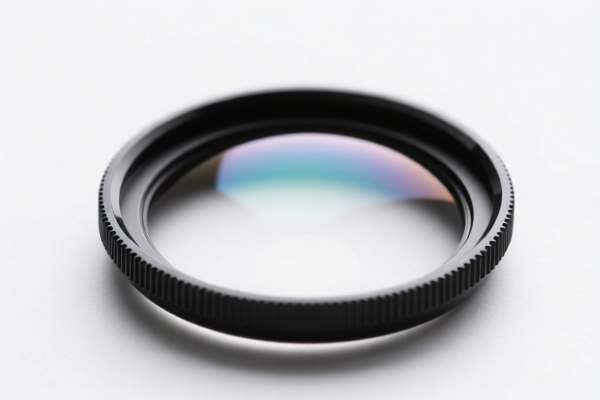
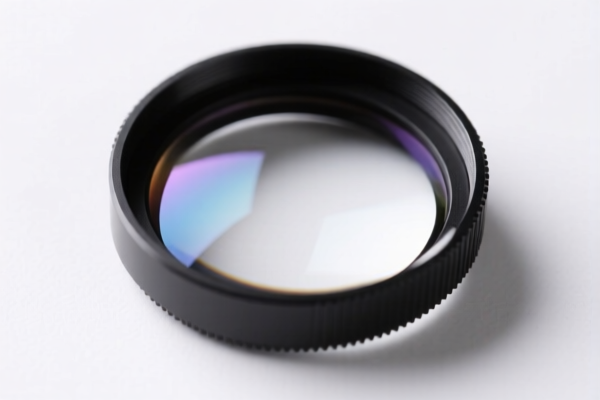
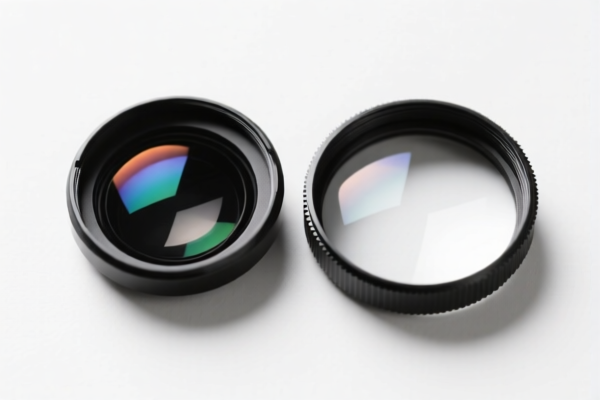
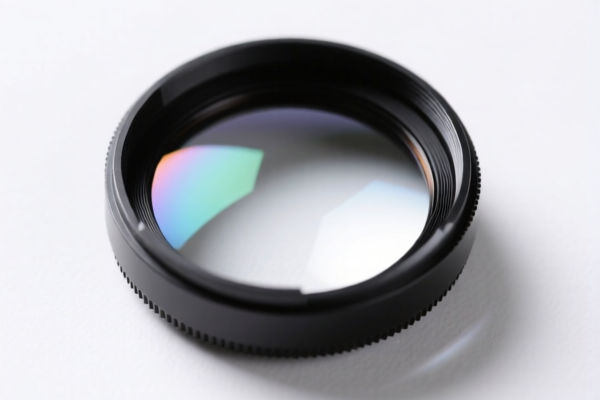
AI Analysis
👓 OTC Sunglass Lenses (Over-the-Counter Sunglasses)
🌐 HS Code Reference & Clearance Guide | 2026 Latest Tariff Analysis | Professional Clearance Strategy
📌 One, Product Definition and Classification: What Exactly Are "OTC Sunglasses"?
OTC (Over-the-Counter) Sunglass Lenses refer to non-prescription sunglasses designed for general consumer use. Unlike custom prescription eyewear, these are mass-produced optical goods intended for immediate retail sale without a specific doctor’s prescription. In international trade, they are strictly categorized under Chapter 90: Optical, photographic, cinematographic, measuring, checking, precision, medical or surgical instruments and apparatus.
The critical distinction lies in their optical function: * Sunglasses (Protective/Corrective): Designed to protect eyes from sunlight/UV rays or improve vision comfort. → HS Code 9004 * Non-Optical Accessories: Items like plain safety goggles (without optical correction) or purely decorative frames without lenses. → Other Chapters (e.g., 9001, 9003)
⚠️ Key Distinction Point:
- If the product is specifically designed as sunglasses (with tinted/polarized lenses for eye protection) → Classify under 9004.10
- If the product is other spectacles/goggles (e.g., plain protective eyewear, reading glasses, or non-sunglass corrective lenses) → Classify under 9004.90
📦 Two, HS Code Classification Details (2026 Latest Tariff Authority Comparison)
Based on the provided data, here is the precise classification for OTC Sunglass Lenses and related optical goods:
| HS Code | Product Description | Applicable Scenario | Optical Nature |
|--------|--------------------------|-----------------------------|
| 9004.10.00.00 | Sunglasses | OTC sunglasses, polarized lenses, tinted glasses for sun protection | ✅ Specific (Sunglasses) |
| 9004.90.00.90 | Other Spectacles/Goggles | Protective goggles, non-sunglass corrective glasses, safety glasses, other optical devices | ✅ Other (Non-sunglass/Protective) |
🔍 Important Reminder:
- "Sunglasses" specifically refer to articles designed to protect the eyes from solar radiation. This includes OTC tinted, polarized, or photochromic lenses.
- "Other" covers protective eyewear (e.g., industrial safety goggles), corrective lenses for vision problems (other than sunglasses), or other optical spectacles not falling under the "Sunglasses" definition.
- Do not misclassify sunglasses as "goggles" or "protective eyewear" unless they lack optical sun-protection features.
💰 Three, 2026 Latest Tariff Rate Detailed Explanation (Including Surcharge)
✅ Applicable Country: United States (US)
✅ Origin: China (CN)
✅ Effective Time: Current tariff structure (as per provided data)
🎯 1. 9004.10.00.00 —— Sunglasses (OTC Sunglass Lenses)
| Item | Content |
|---|---|
| Base Tariff Rate | 0.0% (Ad Valorem) |
| Additional Surcharge | 0.0% |
| Total Tax Rate | 0.0% |
| Tax Calculation | CIF Value × 0% = $0 |
| De Minimis Eligibility | ✅ Yes (If shipped via informal entry, though sunglasses may still require FDA/FTC compliance) |
| Legal Basis | HS Code 9004.10.00.00 |
📌 Explanation:
- Sunglasses are currently subject to zero duty under the base tariff.
- No Section 301 or IEEPA surcharge applies to this specific subheading for China-origin goods (based on provided data).
- Cost Advantage: This is a highly favorable classification for importers, as no tariff is due on the goods' value.
🎯 2. 9004.90.00.90 —— Other Spectacles, Goggles, and the Like
| Item | Content |
|---|---|
| Base Tariff Rate | 2.5% (Ad Valorem) |
| Additional Surcharge | +7.5% |
| Total Tax Rate | 10.0% |
| Tax Calculation | CIF Value × 10% |
| De Minimis Eligibility | ❌ No (Due to additional surcharge, de minimis may be denied depending on current enforcement) |
| Legal Basis | HS Code 9004.90.00.90 |
📌 Note:
- This code applies to non-sunglass optical goods (e.g., safety goggles, reading glasses, corrective lenses).
- The 10% total tariff (2.5% base + 7.5% surcharge) is significantly higher than sunglasses.
- Cost Warning: Misclassifying sunglasses as "other goggles" can lead to unnecessary costs or penalties, while misclassifying protective eyewear as "sunglasses" can lead to duty evasion penalties.
🛠️ Four, Clearance Practical Advice (Battle-Tested Pitfall Guide)
✅ 1. Required Documentation Checklist (All are Mandatory)
| Document | Must Provide | Explanation |
|---|---|---|
| ✅ Product Specification Sheet | ✔️ | Include lens material (CR-39, Polycarbonate), UV protection level, polarization status |
| ✅ Product Photos (Clear Label) | ✔️ | Show "UV400," "Polarized," "OTC," or "Non-Prescription" markings |
| ✅ Commercial Invoice | ✔️ | Clearly state "OTC Sunglasses" or "Sunglass Lenses," do not use vague terms like "Eyewear" |
| ✅ Certificate of Origin (CO) | ✔️ | Required if claiming preferential rates (though currently 0% for sunglasses) |
| ✅ Packaging List | ✔️ | Detail quantity, weight, and dimensions per carton |
| ✅ FDA/FTC Compliance Docs | ✔️ | Sunglasses must meet US FDA labeling requirements (e.g., "UV400" or "100% UV Protection") |
✅ 2. Declaration Tips (Key Mantras)
🔥 "Sunglasses Zero, Other Ten; Describe Clearly, Avoid Pen!"
| Scenario | Correct Declaration | Wrong Practice |
|---|---|---|
| OTC Sunglasses | 9004.10.00.00 |
Misclassified as 9004.90.00.90 → Pays 10% unnecessarily |
| Protective Goggles | 9004.90.00.90 |
Misclassified as 9004.10.00.00 → Duty evasion penalty |
| Sunglasses + Case | Whole Goods | Split declaration → Case may be taxed differently |
| Reading Glasses | 9004.90.00.90 |
Misclassified as Sunglasses → 0% instead of 10% |
✅ 3. Special Handling Cases
| Situation | Handling Advice |
|---|---|
| UV-Protected vs. Non-UV | Must declare UV protection level. Non-compliance can lead to FDA rejection. |
| Polarized Lenses | Declare "Polarized" to avoid misclassification as plain tinted lenses. |
| Branded vs. Generic | Provide trademark authorization if branded to avoid IP issues at customs. |
| Sample Shipments | Even for samples, ensure proper HS Code declaration; de minimis may not apply if surcharges are involved (for 9004.90). |
🌍 Five, Global Market Clearance Comparison (2026 Latest)
| Country/Region | Recommended HS Code | Tariff (China Origin) | Certification Requirements | Notes |
|---|---|---|---|---|
| 🇺🇸 USA | 9004.10.00.00 |
0.0% | FDA Labeling, FTC Compliance | Highest clearance efficiency |
| 🇺🇸 USA | 9004.90.00.90 |
10.0% | FDA Labeling | Higher cost for non-sunglasses |
| 🇪🇺 EU | 9004.10.00 |
0% (Most FTA) | CE Marking, EN ISO 12312-1 | Strict UV standards |
| 🇨🇳 China | 9004.10.00 |
0% | CCC (if applicable) | Low import barrier |
| 🇬🇧 UK | 9004.10.00 |
0% | UKCA Marking | Post-Brexit standards |
📌 Conclusion:
- Sunglasses (9004.10) enjoy 0% duty in the US, making them a highly competitive product for export.
- Non-sunglass optical goods (9004.90) face a 10% tariff, which can impact profit margins.
- Accurate classification is critical: Misclassifying sunglasses as "other goggles" wastes money; misclassifying goggles as sunglasses risks legal penalties.
📌 Six, Common Mistakes & Pitfall Guide (Lessons Learned)
❌ Mistake 1: Labeling "Sunglasses" as "Protective Eyewear"
👉 Consequence: Pays 10% tariff instead of 0% → Unnecessary cost increase!
❌ Mistake 2: Declaring "Optical Frames" instead of "Sunglasses"
👉 Consequence: May be classified under 9004.90 or 9003.90 → Tariff uncertainty and delays
❌ Mistake 3: Omitting "OTC" or "Non-Prescription" on Invoice
👉 Consequence: Customs may request additional documentation → Clearance delay
❌ Mistake 4: Not declaring UV Protection Level
👉 Consequence: FDA rejection or seizure → Product return/destruction
✅ Correct Practice:
"OTC Sunglasses, Polarized, UV400 Protection, Lens Material: Polycarbonate, Model XYZ, Non-Prescription"
🎯 Seven, Conclusion: Professional Declaration, Save Time, Reduce Costs!
🎯 Remember the Mantra:
🔹 "Sunglasses Zero, Other Ten; Describe UV, Avoid Pen!"
🔹 "HS Code Decides the Cost, 10% Difference is Huge; Declare Accurately, Save Money!"
📌 Pro Tip:
If your sunglasses are originated in Vietnam, Mexico, Thailand, or Malaysia, check for preferential tariff agreements (e.g., USMCA, ASEAN-US FTA). However, based on the provided data, China-origin sunglasses already enjoy 0% duty, so origin verification is less critical for duty savings but still required for compliance.
📣 Immediate Action:
📞 Contact Professional Customs Broker + Provide Product Photos + Ensure FDA/FTC Compliance
🚀 Let your sunglasses Clear Customs Smoothly, Boost Profits, and Expand Globally!
✨ Professional Clearance Starts with Accurate Classification!
💼 Every Penny Saved is Pure Profit!
Customer Reviews
About HS Code Classification
The Harmonized System (HS) is an internationally standardized nomenclature developed by the World Customs Organization (WCO) to classify traded products. Over 200 countries use the HS system as the basis for customs tariffs, trade statistics, and import/export regulations.
Each HS code follows a hierarchical structure:
- Chapter (2 digits) — Broad category of goods (e.g., Chapter 84: Machinery and Mechanical Appliances)
- Heading (4 digits) — More specific grouping within the chapter
- Subheading (6 digits) — Internationally standardized breakdown, used by all WCO member countries
- National subdivisions (8-10 digits) — Country-specific extensions for further classification, such as US HTSUS 10-digit codes
Correct HS code classification is essential for smooth customs clearance, accurate duty payment, and compliance with trade regulations. Misclassification can lead to customs delays, overpayment of duties, or penalties.
When importing from CN to US, the applicable tariff rates may include:
- Most-Favored-Nation (MFN) rate — The standard duty rate applied to WTO members
- General rate — Applied to countries without trade agreements
- Trade remedy duties — Additional tariffs such as Section 301 (anti-dumping), Section 232 (national security), or countervailing duties
The information provided on this page is for reference purposes only. For official classification, please consult with your local customs authority or a licensed customs broker.