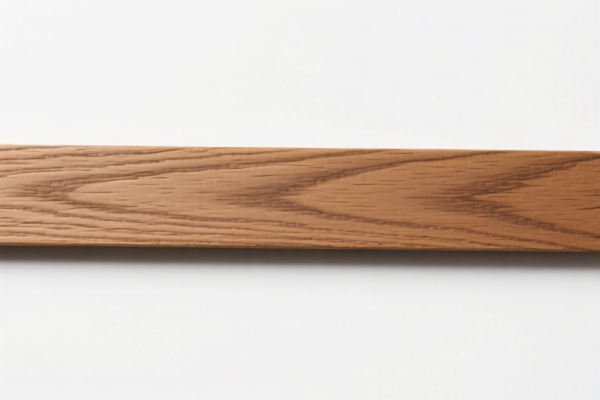
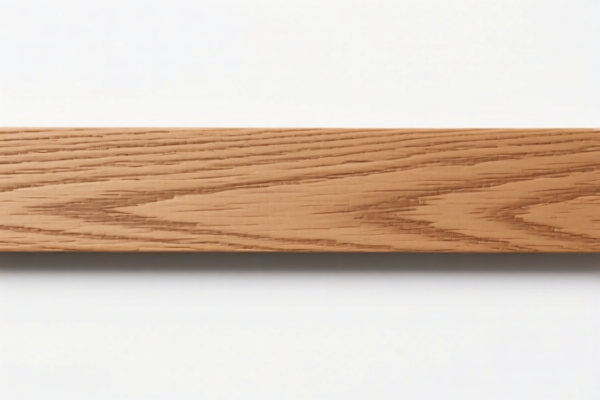
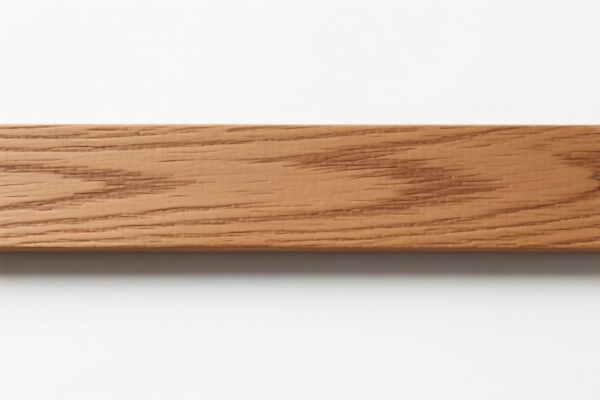
Oak Wood Flooring Strip
CN → US| HS Code | Tariff Rate | Origin | Destination | Doc |
|---|---|---|---|---|
| 4409292660 | 35.0% | CN | US | Official Doc |
| 4409220520 | 38.2% | CN | US | Official Doc |
Product Images
AI Analysis
🪵 Oak Wood Flooring Strip (Non-Coniferous Shaped Wood)
🌐 HS Code Reference & Customs Clearance Guide | 2026 Latest Tariff Analysis | Professional Compliance Strategy
📌 I. Product Definition & Classification: Is it Just "Wood" or "Flooring"?
Oak Wood Flooring Strips represent a specific category of processed timber used for interior flooring. In international trade, the critical distinction lies in whether the wood has been continuously shaped (tongued, grooved, V-jointed, etc.).
Two Distinct Categories Based on Tax Treatment:
-
Standard Non-Coniferous Shaped Wood (High Tax):
- Product: Oak strips shaped along edges/ends (tongued/grooved) but not specified as tropical hardwood.
- HS Code:
4409.29.26.60 - Key Feature: Standard oak (Temperate region), continuously shaped.
- Tax Burden: 25.0% (Heavy tariff impact).
-
Tropical Wood / Specific Hardwood Flooring (Zero Tax):
- Product: Wood flooring end-matched, specifically from tropical species like Ipé (also known as Tabebuia/Handroanthus spp.).
- HS Code:
4409.22.05.20 - Key Feature: End-matched, specific tropical species designation.
- Tax Burden: 0.0% (Zero tariff advantage).
⚠️ Critical Distinction Point:
- If the product is standard Oak (Quercus spp., temperate), it falls under Non-Coniferous > Other →4409.29.26.60→ 25% Tax.
- If the product is Ipé/Tahibo (Tropical), it falls under Tropical Wood > End-Matched →4409.22.05.20→ 0% Tax.
- Note: "Oak" is generally not classified as a tropical hardwood in this specific HS subheading context. If you are importing Oak, you will likely face the 25% tariff unless a specific exemption or different classification applies based on exact species and processing details.
📦 II. HS Code Classification Details (2026 Latest Tariff Authority Comparison)
| HS Code | Product Description | Applicable Scenario | Tax Rate (Total) |
|---|---|---|---|
4409.29.26.60 |
Wood (Nonconiferous), Other, Other: Wood Flooring Other | Standard shaped oak strips, tongue-and-groove, non-tropical | 25.0% |
4409.22.05.20 |
Wood (Tropical), End-Matched: Ipé spp. (Tabebuia/Handroanthus) | Ipé, Tahibo, Brazilian Walnut, end-matched flooring | 0.0% |
🔍 Key Reminder:
- HS Code 4409.29.26.60 captures Non-Coniferous woods (like Oak) that are shaped but not specifically listed under tropical or other specific high-priority categories.
- HS Code 4409.22.05.20 is highly specific to Tropical Woods (specifically Ipé). Standard Oak does not qualify for this code unless mislabeled, which poses a severe compliance risk.
- Misclassification Risk: Declaring Oak as "Ipé" to avoid tariffs is fraud. Customs will verify species through documentation and possibly lab testing.
💰 III. 2026 Latest Tariff Rate Breakdown (Including Surtaxes & Policy Surcharges)
✅ Applicable Country: United States (US)
✅ Origin: China (CN)
✅ Effective Date: From 2025-11-10 onwards (including subsequent imports)
🎯 1. 4409.29.26.60 —— Wood Flooring (Non-Coniferous, Standard Oak)
| Item | Content |
|---|---|
| Base Tax Rate | 0.0% (ad valorem) |
| Section 301 Surtax | +25.0% (USITC Footnote applied) |
| Total Tax Rate | 25.0% |
| Tax Calculation | CIF Value × 25% |
| De Minimis Exemption? | ❌ No (De minimis not applicable for this tariff rate) |
| Legal Basis Path | USITC:4409.29.26.60 → SECTION 301: Footnote 9903.88.01 |
📌 Explanation:
- Base Rate 0%: Standard MFN rate for wood flooring may be low.
- 25% Surtax: This is a Section 301 tariff, specifically targeting certain Chinese-origin wood products.
- Total 25%: This is a high-cost item. Importers must factor this into landed cost calculations.
- No Exemption: Unlike some tech goods, wood flooring does not benefit from de minimis exemptions when surtaxes apply.
🎯 2. 4409.22.05.20 —— Ipé / Tropical Wood Flooring (End-Matched)
| Item | Content |
|---|---|
| Base Tax Rate | 0.0% |
| Surtax | 0.0% |
| Total Tax Rate | 0.0% |
| Tax Calculation | N/A |
| De Minimis Exemption? | ✅ Yes (If value < $800, though typically bulk imports exceed this) |
| Legal Basis Path | USITC:4409.22.05.20 → No Section 301 surtax applied |
📌 Note:
- This code benefits from zero tariff.
- However, this code is restricted to specific tropical woods (Ipé, Tabebuia, Handroanthus).
- Do NOT use this code for Oak. Misdeclaration leads to penalties, back-tariffs, and potential seizure.
🛠️ IV. Customs Clearance Practical Advice (Battle-Tested Pitfall Avoidance)
✅ 1. Documentation Checklist (Must-Have)
| Document | Required | Description |
|---|---|---|
| ✅ Product Specification Sheet | ✔️ | Must specify: Species (Oak vs. Ipé), Shape (Tongue/Groove), Dimensions, End-Match details. |
| ✅ Commercial Invoice | ✔️ | Must clearly state: "Wood Flooring Strip, Non-Coniferous, Continuous Shaping" or "Ipé Flooring, End-Matched". |
| ✅ Packing List | ✔️ | Detail cartons, pallets, total weight, volume. |
| ✅ Certificate of Origin (CO) | ✔️ | Essential for proving origin (China vs. other). |
| ✅ Species Verification | ✔️ | For 4409.22.05.20, customs may request proof of tropical species (scientific name). |
| ✅ Third-Party Inspection Report | ✔️ | Optional but recommended for high-value claims or disputes. |
✅ 2. Declaration Tips (Critical Mnemonic)
🔥 "Species Matters, Shape Defines, Tax Follows Truth!"
| Scenario | Correct Declaration | Wrong Approach | Consequence |
|---|---|---|---|
| Standard Oak Strips | 4409.29.26.60 |
Misdeclare as 4409.22.05.20 (Ipé) |
25% Back-Tariff + Penalties |
| Ipé / Tahibo Flooring | 4409.22.05.20 |
Misdeclare as 4409.29.26.60 |
Unnecessary 25% Payment (Overpayment) |
| Unshaped Oak Planks | Likely 4407.10 or similar |
Declare as Shaped 4409 |
Under-declaration (If actually shaped) |
| Assembled Parquet Blocks | 4409 or 4412? |
Declare as 4409 (Strips) |
Classification Error (Unassembled vs. Assembled) |
📌 Key Tip:
- Oak is NOT Ipé. Do not confuse temperate hardwoods (Oak) with tropical hardwoods (Ipé).
- "End-Matched" is a key descriptor for4409.22.05.20. If your Oak is not end-matched or is not Ipé, this code is invalid.
✅ 3. Special Handling
| Situation | Recommendation |
|---|---|
| Mixed Shipments | Separate invoices for Oak (4409.29.26.60) and Ipé (4409.22.05.20) if possible. |
| Brand New Species | If using a new wood type not listed in 4409.22.05.20, default to 4409.29.26.60 (25% tax) unless a ruling proves otherwise. |
| Pre-Ruling | For large volumes, request a Customs Ruling from US CBP to confirm HS Code classification before shipment. |
🌍 V. Global Market Clearance Comparison (2026 Latest)
| Country/Region | Recommended HS Code | Tariff (China Origin) | Certification | Notes |
|---|---|---|---|---|
| 🇺🇸 USA | 4409.29.26.60 (Oak) |
25% | None | High tariff due to Section 301. |
| 🇺🇸 USA | 4409.22.05.20 (Ipé) |
0% | None | Only for specific tropical woods. |
| 🇪🇺 EU | 4409.29 |
~0-5% | FSC/PEFC (Optional) | No Section 301 surtax. |
| 🇨🇳 China | 4409.29 |
~5-10% | None | Import duty varies. |
📌 Conclusion:
- USA imposes a 25% surtax on non-tropical shaped wood flooring (like Oak).
- Zero tariff applies only to specific tropical woods (like Ipé).
- Do not misdeclare Oak as Ipé to save costs. The risk of audit and penalty far outweighs the 25% saving.
📌 VI. Common Errors & Pitfall Guide (Lessons Learned)
❌ Error 1: Declaring Oak as "Ipé" to claim 0% tax.
👉 Consequence: Customs audit → Seizure → 25% back-tariff + penalties + loss of reputation.
❌ Error 2: Ignoring the "Continuously Shaped" definition.
👉 Consequence: If wood is not shaped, it may fall under 4407 (Sawn Wood) with different tariffs. Incorrect declaration leads to delays.
❌ Error 3: Assuming "Wood Flooring" always gets low tax.
👉 Consequence: US Section 301 tariffs apply broadly. 25% is standard for many Chinese wood products.
✅ Correct Approach:
"Shaped Non-Coniferous Wood Flooring, Oak Species, Tongue & Groove, Unassembled" →
4409.29.26.60→ 25% Tax.
🎯 VII. Conclusion: Professional Declaration, Cost Efficiency, Risk Control
🎯 Remember the Mnemonic:
🔹 "Oak is Temperate, Ipé is Tropical; Tax is 25% for Oak, 0% for Ipé."
🔹 "Shaped Wood, Non-Coniferous, Falls on 4409.29.26.60."
📌 Pro Tip:
If you are importing Oak, budget for 25% total duty. If you want 0% duty, you must source Ipé/Tropical Wood and ensure proper documentation.
For large shipments, consider pre-classification rulings to avoid surprises at customs.
📣 Immediate Action:
📞 Contact a licensed customs broker + Provide product photos/specs + Verify species + Declare accurately.
🚀 Ensure smooth customs clearance, avoid penalties, and maximize profit margins!
✨ Professional Customs Clearance Starts with Accurate Classification!
💼 Every Dollar Saved in Duty is Pure Profit, But Only If Declared Correctly!
Customer Reviews
About HS Code Classification
The Harmonized System (HS) is an internationally standardized nomenclature developed by the World Customs Organization (WCO) to classify traded products. Over 200 countries use the HS system as the basis for customs tariffs, trade statistics, and import/export regulations.
Each HS code follows a hierarchical structure:
- Chapter (2 digits) — Broad category of goods (e.g., Chapter 84: Machinery and Mechanical Appliances)
- Heading (4 digits) — More specific grouping within the chapter
- Subheading (6 digits) — Internationally standardized breakdown, used by all WCO member countries
- National subdivisions (8-10 digits) — Country-specific extensions for further classification, such as US HTSUS 10-digit codes
Correct HS code classification is essential for smooth customs clearance, accurate duty payment, and compliance with trade regulations. Misclassification can lead to customs delays, overpayment of duties, or penalties.
When importing from CN to US, the applicable tariff rates may include:
- Most-Favored-Nation (MFN) rate — The standard duty rate applied to WTO members
- General rate — Applied to countries without trade agreements
- Trade remedy duties — Additional tariffs such as Section 301 (anti-dumping), Section 232 (national security), or countervailing duties
The information provided on this page is for reference purposes only. For official classification, please consult with your local customs authority or a licensed customs broker.