Oat Flour for Baking
CN → US| HS Code | Tariff Rate | Origin | Destination | Doc |
|---|---|---|---|---|
| 1104230000 | 0.0% | CN | US | Official Doc |
| 1104220000 | 35.5% | CN | US | Official Doc |
Product Images
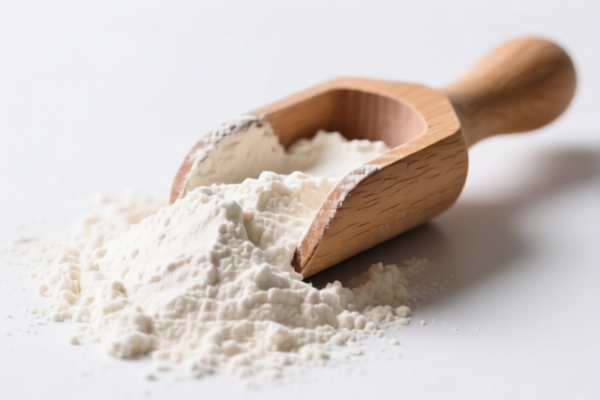
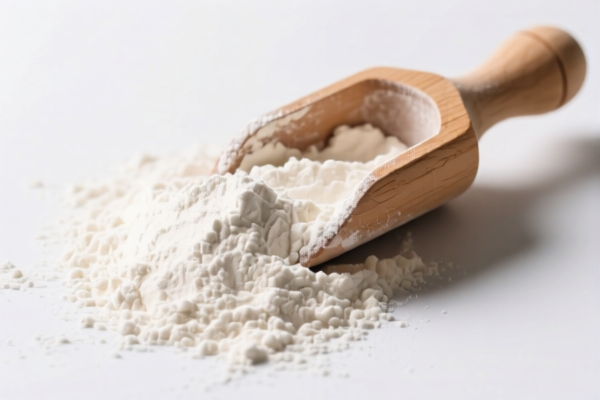
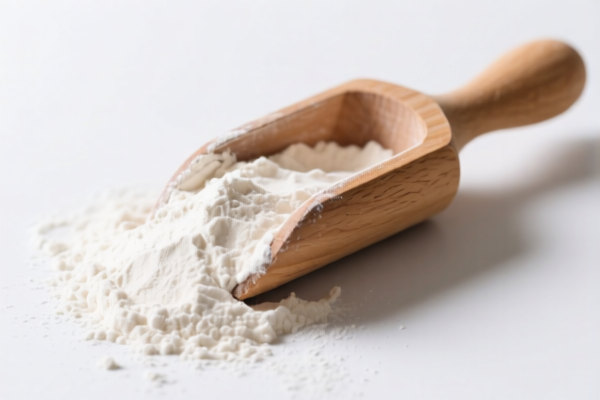
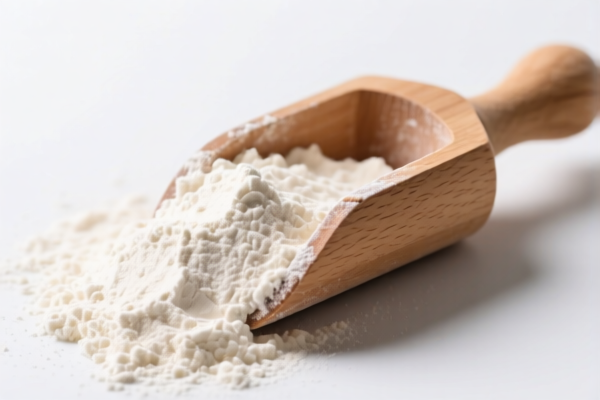
AI Analysis
🌾 Oat Flour for Baking (Processed Cereal Grains)
🌐 HS Code Reference & Customs Clearance Guide | 2026 Latest Tariff Analysis | Professional Entry Strategy
📌 I. Product Definition & Classification: Understanding "Oat Flour"
Oat Flour, used primarily for baking, belongs to the category of worked cereal grains. In international trade, it is classified under Chapter 11 (Industry preparations of meat, fish, crustaceans, molluscs or other aquatic invertebrates; prepared dishes) is incorrect; it actually falls under Chapter 11 which covers "Products of the milling industry; malted extracts..." Specifically, it is categorized based on the processing method.
Key Distinction:
- Whole Oats (Heading 1004): Raw, hulled, or peeled oats are classified under Chapter 10.
- Worked Oats (Heading 1104): Once oats are rolled, flaked, ground into flour, or pearled, they move to Chapter 11.
- Oat Flour: Since it is "ground" (processed), it falls under Heading 1104.22.
⚠️ Critical Classification Point:
- If the product is simply hulled oats → Go to 1004.
- If the product is rolled, flaked, or ground into flour → Go to 1104.22.00.00.
📦 II. HS Code Classification Details (2026 Latest Tariff Authority)
| HS Code | Product Description | Application Scenario | Processing Status |
|---|---|---|---|
1104.22.00.00 |
Cereal grains otherwise worked... Of oats | Oat flour, rolled oats, oat flakes for baking or cooking | ✅ Worked (Ground/Rolled) |
🔍 Key Reminder:
- Oat Flour is specifically covered under "Other worked grains... Of oats".
- Even if mixed with other grains, if oats are the primary component or it is pure oat flour, it remains under 1104.22.00.00.
- Do NOT classify under rice (1006) or corn (1104.23).
💰 III. 2026 Latest Tariff Rate Details (Including Additional Taxes)
✅ Applicable Country: USA (US)
✅ Origin: China (CN)
✅ Effective Date: 2025-11-10 onwards (including subsequent imports)
🎯 1. 1104.22.00.00 —— Worked Oats (Including Oat Flour)
| Item | Content |
|---|---|
| Base Tariff Rate | 0.0% (ad valorem) |
| Additional Tariff (Section 301/IEEPA) | 0.0% |
| Total Tariff Rate | 0.0% |
| Tax Calculation | CIF Value × 0% = $0 |
| De Minimis Eligibility | ✅ Yes (If applicable under $800 rule, though agricultural goods may have specific restrictions, the tariff itself is 0%) |
| Legal Basis | USITC:1104.22.00.00 |
📌 Explanation:
- Base Tariff: Under the Harmonized Tariff Schedule of the United States (HTSUS), headed 1104.22 has a general rate of 0%.
- Additional Taxes: Unlike electronics or steel, processed cereal grains like oat flour are currently NOT subject to the 25% Section 301 tariff or the 10% IEEPA surcharge that affect many other Chinese imports.
- Total Cost Impact: Zero additional tariff cost. This is a highly favorable classification for importers.
🛠️ IV. Customs Clearance Practical Advice (Battle-Tested Pitfall Guide)
✅ 1. Required Documentation Checklist (Mandatory)
| Document | Required | Description |
|---|---|---|
| ✅ Commercial Invoice | ✔️ | Must clearly state "Oat Flour" or "Rolled Oats", not just "Cereal" |
| ✅ Packing List | ✔️ | Detail net/gross weight, number of bags |
| ✅ Product Specification | ✔️ | Confirm processing method (ground, flaked, etc.) to justify HS 1104 |
| ✅ Certificate of Analysis (COA) | ✔️ | For food safety, moisture content, protein levels |
| ✅ FDA Prior Notice | ✔️ | CRITICAL: Food products must have FDA Prior Notice before arrival |
| ✅ Allergen Statement | ✔️ | If gluten-free, provide proof; if not, label as contains gluten |
✅ 2. Declaration Tips (Key Mantras)
🔥 "Specify Processing, Not Just Origin! 'Ground' Means 1104, 'Hulled' Means 1004!"
| Scenario | Correct Declaration | Wrong Practice |
|---|---|---|
| Pure Oat Flour | 1104.22.00.00 - "Oat Flour, Ground" |
Misdeclaring as "Rice Flour" (1102.20) → Risk of penalty |
| Rolled Oats | 1104.22.00.00 - "Rolled Oats" |
Declaring as "Whole Oats" (1004) → Wrong chapter |
| Mixed Grain Flour | Check Primary Ingredient | If oats >50%, use 1104.22; else check mixing rules |
| Whole Hulled Oats | 1004.00.00.00 |
Declaring as "Oat Flour" → Wrong HS Code |
✅ 3. Special Circumstances Handling
| Situation | Handling Advice |
|---|---|
| Organic Certification | Provide USDA Organic or equivalent certificate; may qualify for preferential treatment in some contexts, but tariff remains 0% |
| Gluten-Free Labeling | Ensure strict separation from wheat/barley in supply chain; FDA requires clear labeling |
| Bulk vs. Retail | Bulk bags (e.g., 25kg) are standard for commercial use; retail packs need UPC/FDA registration |
| Origin Verification | Even if tariff is 0%, correct origin marking is required to avoid "Country of Origin" errors |
🌍 V. Global Market Comparison for Oat Flour (2026 Latest)
| Country/Region | Recommended HS Code | Tariff (China Origin) | Certification Requirements | Remarks |
|---|---|---|---|---|
| 🇺🇸 USA | 1104.22.00.00 |
0% | FDA Prior Notice + Labeling | Zero tariff advantage |
| 🇨🇳 China | 1104.22.00.00 |
2-4% (depending on processing) | CIQ Inspection | Low import tax |
| 🇪🇺 EU | 1104.22.00 |
0-6% (MFN rate) | EU Food Safety Standards | Check for pesticide residues |
| 🇯🇵 Japan | 1104.22.00 |
0-6% | FSCA Approval | Strict residue limits |
| 🇦🇺 Australia | 1104.22.00 |
5% | Biosecurity Import Permit | High biosecurity checks |
📌 Conclusion:
- USA is the most tariff-friendly market for Chinese oat flour, with 0% duty.
- No Section 301 penalties apply to this category.
- Key challenge: Not tariffs, but FDA compliance and food safety standards.
📌 VI. Common Mistakes & Pitfall Guide (Lessons Learned)
❌ Mistake 1: Declaring "Oat Flour" as "Rice Flour" to avoid scrutiny
👉 Consequence: Fraud detection, fines, and shipment seizure!
❌ Mistake 2: Forgetting FDA Prior Notice
👉 Consequence: Automatic refusal of entry by CBP/FDA; shipment destroyed or returned.
❌ Mistake 3: Misclassifying "Hulled Oats" as "Oat Flour"
👉 Consequence: Wrong HS Code (1004 vs 1104); may lead to misdeclaration penalties.
❌ Mistake 4: Ignoring Allergen Labeling
👉 Consequence: Product recall or FDA warning letters if gluten content is not properly labeled.
✅ Correct Approach:
"Oat Flour, Fine Grind, 25kg Bag, For Human Consumption, Gluten-Controlling Facility, FDA Regulated Facility"
🎯 VII. Conclusion: Professional Declaration, Cost Efficiency & Compliance
🎯 Remember the Mantra:
🔹 "Processed Cereal = Chapter 11, Oats = 1104.22, Tariff = 0%, FDA = Mandatory!"
🔹 "HS Code 1104.22 is your friend; it means zero duty. Just follow FDA rules!"
📌 Pro Tip:
- If you are exporting organic oat flour, ensure your Organic Certificate is recognized by the USDA NOP or equivalent.
- While the tariff is 0%, freight and insurance costs should still be factored into CIF.
- Pre-shipment inspection is highly recommended to ensure moisture content and packaging meet US standards.
📣 Immediate Action:
📞 Contact a licensed Customs Broker + Submit FDA Prior Notice + Verify HS Code 1104.22.00.00
🚀 Ensure smooth customs clearance, zero tariff cost, and compliant entry into the US market!
✨ Professional Customs Clearance Starts with Accurate Classification!
💼 Your profit margin is protected by correct HS Codes and compliance!
Customer Reviews
About HS Code Classification
The Harmonized System (HS) is an internationally standardized nomenclature developed by the World Customs Organization (WCO) to classify traded products. Over 200 countries use the HS system as the basis for customs tariffs, trade statistics, and import/export regulations.
Each HS code follows a hierarchical structure:
- Chapter (2 digits) — Broad category of goods (e.g., Chapter 84: Machinery and Mechanical Appliances)
- Heading (4 digits) — More specific grouping within the chapter
- Subheading (6 digits) — Internationally standardized breakdown, used by all WCO member countries
- National subdivisions (8-10 digits) — Country-specific extensions for further classification, such as US HTSUS 10-digit codes
Correct HS code classification is essential for smooth customs clearance, accurate duty payment, and compliance with trade regulations. Misclassification can lead to customs delays, overpayment of duties, or penalties.
When importing from CN to US, the applicable tariff rates may include:
- Most-Favored-Nation (MFN) rate — The standard duty rate applied to WTO members
- General rate — Applied to countries without trade agreements
- Trade remedy duties — Additional tariffs such as Section 301 (anti-dumping), Section 232 (national security), or countervailing duties
The information provided on this page is for reference purposes only. For official classification, please consult with your local customs authority or a licensed customs broker.