Off road Pneumatic Tires
CN → US| HS Code | Tariff Rate | Origin | Destination | Doc |
|---|---|---|---|---|
| 4012206000 | 35.0% | CN | US | Official Doc |
| 4011205050 | 38.4% | CN | US | Official Doc |
| 4016996010 | 37.5% | CN | US | Official Doc |
| 4012128050 | 38.4% | CN | US | Official Doc |
| 4011201035 | 39.0% | CN | US | Official Doc |
| 4012909000 | 37.7% | CN | US | Official Doc |
Product Images
AI Analysis
🚙 Off-Road Pneumatic Tires: HS Code Classification & Customs Clearance Guide (2026)
🌐 HS Code Reference & Customs Strategy | 2026 Tariff Analysis for Off-Road Tires
📌 I. Product Definition: What Are "Off-Road Pneumatic Tires"?
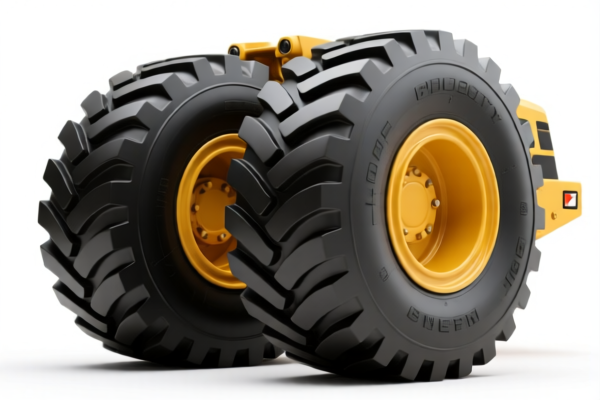
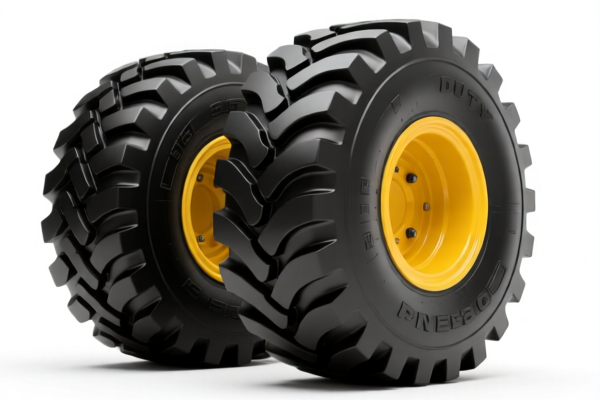
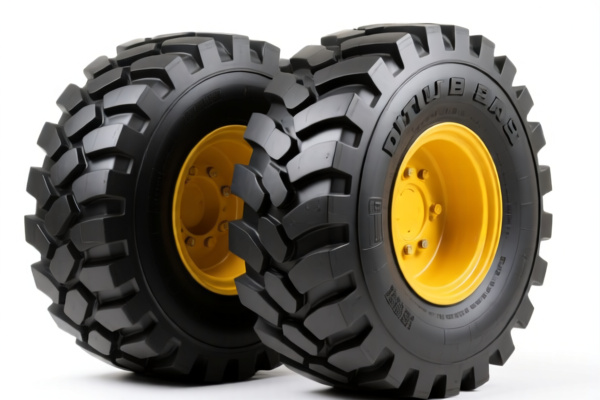
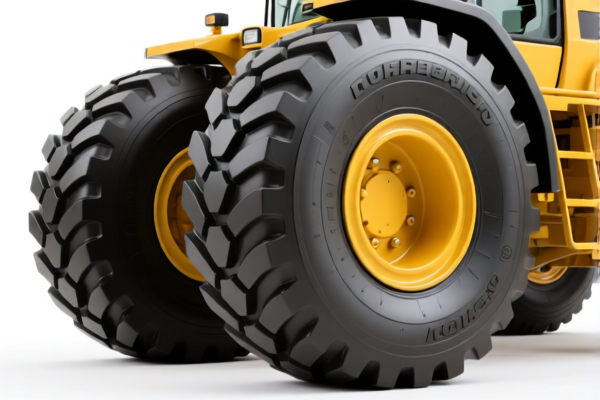
Off-road pneumatic tires are specialized rubber tires designed for vehicles that operate on unpaved surfaces (dirt, mud, sand, rocks). Unlike standard passenger car tires, they are engineered for non-highway use.
Key characteristics determining classification: 1. Material: Primarily Vulcanized Rubber. 2. Structure: Pneumatic (air-filled). 3. Application: * Bus/Truck Off-Road: For heavy-duty vehicles (buses, trucks) used in construction, mining, or agriculture. * Passenger Off-Road: For SUVs/4x4s used on rough terrain.
⚠️ Critical Distinction:
- "Off-Road" vs. "Highway": In HS Code terms, "Off-Road" often falls under 4011 (for non-passenger vehicles) or specific subheadings for buses/trucks, whereas standard highway tires fall under 4012 (used/reconditioned) or specific 4011 subheadings for new highway tires.
- New vs. Used: The provided data heavily references Used/Reconditioned (4012) or generic 4011/4016 classifications. If the tires are new, they typically fall under 4011.1x–4011.9x. If used, they fall under 4012.20. If reconditioned, 4012.12.
📦 II. HS Code Classification Matrix (Based on Provided Data)
The following codes are derived strictly from the provided <DATA> context. Note that multiple codes are suggested based on slight variations in interpretation (e.g., "Bus" vs. "General Off-Road" vs. "Reconditioned").
| HS Code | Product Description | Tax Rate (Total) | Key Logic from Data |
|---|---|---|---|
| 4012.12.80.50 | Reconditioned/Other Tires for Buses | 38.4% | Matches "Bus" usage; "Other" category if not specifically new/reconditioned in standard subheadings. |
| 4012.20.60.00 | Used Pneumatic Tires | 35.0% | Explicitly for Used tires; high tariff base logic applies. |
| 4011.20.50.50 | Off-Road Tires for Buses/Vehicles | 38.4% | Matches "Bus" + "Off-Road"; non-highway use. |
| 4011.20.10.35 | Off-Road Tires for Buses | 39.0% | Matches "Bus" + "Off-Road"; specific subheading logic. |
| 4012.90.90.00 | Other Used/Reconditioned Rubber Tires | 37.7% | General fallback for used/reconditioned tires not specified elsewhere. |
| 4016.99.60.10 | Other Rubber Articles for Vehicles | 37.5% | Interpretation as "Rubber Part" rather than finished tire (less common but possible). |
🔍 Analysis of Codes:
- 4012.x.x codes indicate Used or Reconditioned tires. If your tires are NEW, these codes may be incorrect and could lead to customs rejection. New tires should ideally be under 4011.x.x (New Pneumatic Tires). However, the data provided only lists these codes, implying the input context may be for used goods or a specific trade scenario. - 4011.20.x.x refers to tires for buses, trucks, or off-road vehicles. The specific subdigits vary by country's 8-10 digit nomenclature.
💰 III. 2026 Tariff Structure Breakdown (USA Context)
Based on the provided tax_detail, the total tariff consists of three components. This structure is typical for imports into the United States from China.
🎯 1. Component Breakdown
| Component | Rate | Description | Legal Basis |
|---|---|---|---|
| Base Duty | 0% – 4.0% | Standard Most Favored Nation (MFN) rate. | HTSUS |
| Section 301 Duty | 25.0% | Additional tariff on Chinese goods (Trade War). | USITC Footnote |
| Section 122 / IEEPA Duty | 10.0% | Specific tariff on Chinese tires (historical or ongoing policy). | IEEPA / USITC |
| TOTAL | 35.0% – 39.0% | High Cost Alert |
📊 Detailed Tax Calculation Examples
✅ Scenario A: 4012.20.60.00 (Used Tires)
- Base Duty: 0.0%
- Section 301: 25.0%
- Section 122: 10.0%
- Total: 35.0%
- Impact: This is the lowest total rate in the provided list.
✅ Scenario B: 4011.20.50.50 / 4012.12.80.50 (Off-Road/Bus)
- Base Duty: 3.4%
- Section 301: 25.0%
- Section 122: 10.0%
- Total: 38.4%
✅ Scenario C: 4011.20.10.35
- Base Duty: 4.0%
- Section 301: 25.0%
- Section 122: 10.0%
- Total: 39.0% (Highest in list)
📌 Important Note:
- "122 Clause" refers to specific US trade remedies against Chinese rubber products.
- "Section 301" is the major 25% tariff on Chinese industrial goods.
- De Minimis: ❌ NOT Eligible. These goods are explicitly denied de minimis exemption (Section 321). You must pay duties on all values.
🛠️ IV. Customs Clearance Strategy & Advice
✅ 1. Documentation Checklist (Mandatory)
| Document | Requirement | Why It Matters |
|---|---|---|
| Commercial Invoice | Must state: "Used Pneumatic Tires" OR "Off-Road Bus Tires", Origin: China, HS Code. | Ensures correct duty assessment. |
| Packing List | Itemize by size, brand, and quantity. | Helps customs verify physical count. |
| Bill of Lading (B/L) | Standard shipping document. | Proof of title and shipment. |
| Material Declaration | Confirm material: Vulcanized Rubber. | Critical for HS Code 401x classification. |
| Condition Certificate | If used: Proof of condition (e.g., "Used, Reusable"). | Justifies HS Code 4012 (Used) vs. 4011 (New). |
| FCC/Other Certs | If tires have embedded sensors (TPMS), FCC ID may be needed. | Avoids electronic component hold-ups. |
✅ 2. Classification Pitfalls to Avoid
| Mistake | Consequence | Correct Action |
|---|---|---|
| Labeling "New" but using 4012 Code | Customs seizure or heavy fines. | If New, use 4011.x.x. If the provided data is for Used only, do not ship new tires under 4012. |
| Ignoring Section 301 | Unexpected 25% bill at border. | Budget for 35-39% total landed cost. |
| Misidentifying "Off-Road" | Wrong HS Code → Delay. | Clearly define if "Off-Road" means "Agricultural," "Construction," or "SUV." Use the code that matches the vehicle type (Bus/Truck vs. Passenger). |
| Assuming De Minimis Applies | Package seized. | Do not use de minimis (under $800). All tires are taxable. |
✅ 3. Strategic Recommendations
-
Pre-Ruling Application:
Apply for an HTSUS Pre-Ruling from US Customs and Border Protection (CBP). Submit samples/photos to confirm if your specific tire falls under4011.20.50.50or4012.20.60.00. This locks in the rate and avoids disputes. -
Origin Verification:
Ensure the Country of Origin is correctly marked. If the tires are molded in China but assembled elsewhere, origin rules may change. The high tariffs apply specifically to China-origin goods. -
Used vs. New:
- If you are importing NEW tires, the provided
4012codes are likely incorrect. You should look for4011codes for new tires (e.g.,4011.20.10for new bus/tire off-road). - If you are importing USED tires,
4012.20.60.00(35.0%) is the most cost-effective option in the list.
- If you are importing NEW tires, the provided
-
Supplier Negotiation:
Given the 35-39% total duty, factor this into your landed cost. Consider if Section 301 Exclusions apply (check current USTR exclusion lists for rubber tires).
🌍 V. Global Comparison (Quick Reference)
| Market | HS Code Category | Est. Duty (China) | Notes |
|---|---|---|---|
| 🇺🇸 USA | 4011/4012 | 35% – 39% | High tariffs due to Sec 301 & 122. No de minimis. |
| 🇪🇺 EU | 4011/4012 | 0% – 4.5% | Lower base duties, but potential anti-dumping duties on Chinese tires. |
| 🇨🇳 China | 4011/4012 | 0% – 10% | Import duties vary; check current FTAs. |
| 🇲🇽 Mexico | 4011/4012 | 0% – 5% | If under USMCA, may be duty-free. |
📌 Conclusion for US Importers:
The cost of importing off-road pneumatic tires from China is high.
- Best Case:4012.20.60.00at 35%.
- Worst Case:4011.20.10.35at 39%.
Action: Verify if tires are Used (cheaper classification) or New. If New, seek a different HS Code in the 4011 range that might have a lower base duty, but the 25% Sec 301 will likely remain.
📌 VI. Final Tips for Smooth Clearance
✅ Step 1: Confirm Condition (New vs. Used).
✅ Step 2: Confirm Vehicle Type (Bus/Truck vs. Passenger SUV).
✅ Step 3: Select HS Code from the list above that matches both.
✅ Step 4: Calculate Landed Cost = CIF Value × (1 + Total Duty Rate).
✅ Step 5: Prepare Declaration with clear description: "Off-Road Pneumatic Tires, Vulcanized Rubber, Used/New, For Bus/Truck, HS Code: [Code]".
✨ Professional Customs Clearance Starts with Accurate Classification!
💼 Your Profit Margin Depends on the HS Code!
📣 Immediate Action:
📞 Consult a licensed Customs Broker.
📄 Submit Product Photos & Specs for Pre-Ruling.
📉 Calculate Landed Cost including 35-39% duties.
Disclaimer: This analysis is based on the provided <DATA> and general 2026 trade trends. Tariff laws change. Always verify with current HTSUS and CBP rulings.
Customer Reviews
About HS Code Classification
The Harmonized System (HS) is an internationally standardized nomenclature developed by the World Customs Organization (WCO) to classify traded products. Over 200 countries use the HS system as the basis for customs tariffs, trade statistics, and import/export regulations.
Each HS code follows a hierarchical structure:
- Chapter (2 digits) — Broad category of goods (e.g., Chapter 84: Machinery and Mechanical Appliances)
- Heading (4 digits) — More specific grouping within the chapter
- Subheading (6 digits) — Internationally standardized breakdown, used by all WCO member countries
- National subdivisions (8-10 digits) — Country-specific extensions for further classification, such as US HTSUS 10-digit codes
Correct HS code classification is essential for smooth customs clearance, accurate duty payment, and compliance with trade regulations. Misclassification can lead to customs delays, overpayment of duties, or penalties.
When importing from CN to US, the applicable tariff rates may include:
- Most-Favored-Nation (MFN) rate — The standard duty rate applied to WTO members
- General rate — Applied to countries without trade agreements
- Trade remedy duties — Additional tariffs such as Section 301 (anti-dumping), Section 232 (national security), or countervailing duties
The information provided on this page is for reference purposes only. For official classification, please consult with your local customs authority or a licensed customs broker.