Office Chair Accessories
CN → US| HS Code | Tariff Rate | Origin | Destination | Doc |
|---|---|---|---|---|
| 7326908688 | 87.9% | CN | US | Official Doc |
| 3926305000 | 22.8% | CN | US | Official Doc |
| 7326190080 | 87.9% | CN | US | Official Doc |
| 8473509000 | 35.0% | CN | US | Official Doc |
| 8473309100 | 35.0% | CN | US | Official Doc |
Product Images
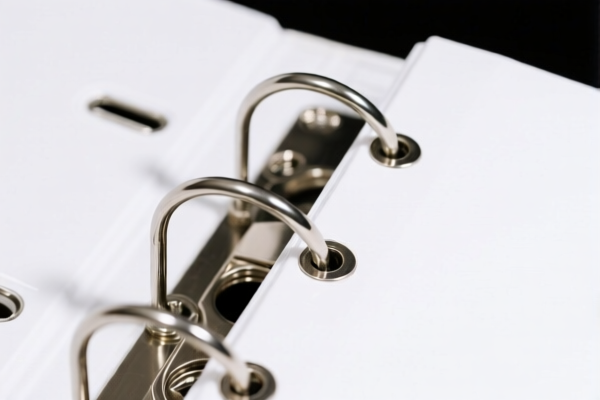
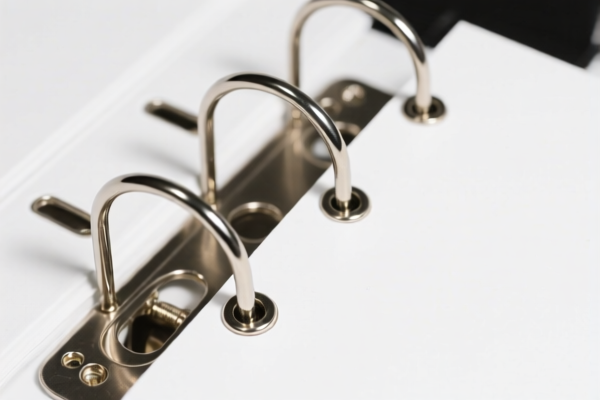
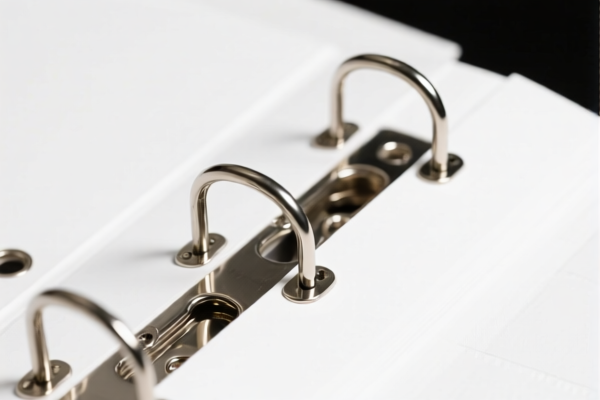
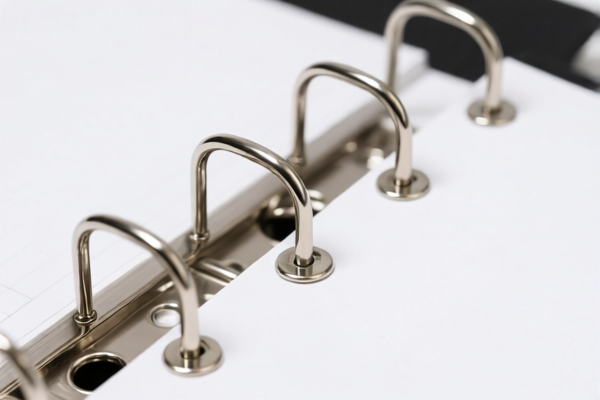
AI Analysis
🪑 Office Chair Accessories (Furniture Parts & Office Equipment Components)
🌐 HS Code Reference & Customs Clearance Guide | 2026 Latest Tariff Analysis | Professional Compliance Strategy
📌 I. Product Definition & Classification: Do You Really Know "Office Chair Accessories"?
Office chair accessories are diverse components used in the assembly, maintenance, or upgrading of ergonomic seating and office furniture. In international trade, these items are rarely classified under a single "one-size-fits-all" code. Instead, they are split based on material composition and functional specificity:
- Furniture Parts (General): Structural components like seat pans, backrests, armrests, or bases made of metal (steel/iron) or plastic. These fall under Chapter 73 (Iron/Steel) or Chapter 39 (Plastics).
- Office Machine Parts: Specialized electronic or mechanical components specific to "office machines" (e.g., automatic data processing equipment). Note: If the part is specifically designed for an office machine (like a computer printer or server) rather than a physical chair, it may fall under Chapter 84.
⚠️ Critical Distinction:
- If it is a metal frame/base for a chair → It is an "Other Article of Iron or Steel" (7326).
- If it is a plastic clip/connectors → It is an "Other Article of Plastics" (3926).
- If it is an electronic part for an office device (not the chair itself, but for office machinery) → It is an "Part of Office Machines" (8473).
📦 II. HS Code Classification Matrix (Based on Provided Data)
| HS Code | Product Description | Logic for Classification | Material/Function |
|---|---|---|---|
7326.90.86.88 |
Furniture Accessories (Seat Components) | Classified as "Other articles of iron or steel" using the "catch-all" rule for other categories. | 🦾 Iron/Steel |
3926.30.50.00 |
Furniture Connectors/Parts | Classified based on common sense as plastic or synthetic material components for furniture. | 🧱 Plastic/Synthetic |
7326.19.00.80 |
Seat Components | Classified as "Other articles of iron or steel" using spare parts rules. | 🦾 Iron/Steel |
8473.50.90.00 |
Parts/Accessories for Office Machines | Matches "Parts and accessories" usage, fitting the catch-all category for office equipment. | ⚙️ Machine Part |
8473.30.91.00 |
Parts/Accessories for Office Machines | Matches heading 8471 (Automatic Data Processing Machines) for parts/accessories with no material conflict. | ⚙️ Machine Part |
🔍 Key Insight:
- "Office Chair" parts are typically not classified under "Office Machines" (8473) unless they are electronic controls for an automated desk or computer-peripheral chair. Standard structural parts (metal/plastic) go to 7326 or 3926. - The data provided includes 8473 codes, which likely apply if the "accessory" is actually a component for an office machine (e.g., a part for a printer or server) or if the classifier interprets "Office Chair" as part of the broader "Office Equipment" ecosystem. However, for standard physical chair parts, 7326 and 3926 are the primary candidates.
💰 III. 2026 Latest Tariff Rate Breakdown (Including Surtaxes & Policy Add-ons)
✅ Applicable Country: United States (US)
✅ Origin: China (CN)
✅ Effective Date: 2025/2026 (Current Trade War Context)
🎯 1. 7326.90.86.88 & 7326.19.00.80 — Steel/Iron Furniture Parts
These codes apply to metal frames, bases, and structural supports.
| Item | Details |
|---|---|
| Base Tariff | 2.9% (Standard MFN Rate) |
| Section 301 Surtax | +25.0% |
| Section 122 Surtax | +10.0% (Specific surtax on Steel/Aluminum/Copper products) |
| Additional 122 Tariff | +50.0% (Targeting Steel/Aluminum/Copper products under Section 122) |
| Total Effective Rate | ~87.9% |
| Calculation Basis | CIF Value × 87.9% |
| De Minimis Exemption? | ❌ Denied |
| Legal Path | USITC:7326.90.86.88 → Footnote: Steel Surtax → IEEPA:Section 301/122 |
📌 Explanation:
- The 87.9% rate is extremely high. It combines the base rate (2.9%), the standard Section 301 duty (25%), and aggressive Section 122 duties targeting steel imports (+10% + 50%). - Risk: High risk of customs audits on "Steel" content. Ensure the HS code correctly reflects the main material. If it’s mostly plastic with a small metal bracket,7326might be challenged.
🎯 2. 3926.30.50.00 — Plastic Furniture Parts
These codes apply to plastic armrests, clips, connectors, and synthetic covers.
| Item | Details |
|---|---|
| Base Tariff | 5.3% |
| Section 301 Surtax | +7.5% (Note: Some plastic goods may have lower surtax than steel) |
| Section 122 Surtax | +10.0% (If classified under broader "Section 122" scope) |
| Total Effective Rate | ~22.8% |
| Calculation Basis | CIF Value × 22.8% |
| De Minimis Exemption? | ❌ Denied (Typically, Section 301 items are denied) |
| Legal Path | USITC:3926.30.50.00 → Section 301 List |
📌 Explanation:
- Plastic accessories are significantly cheaper to import than steel ones (22.8% vs. 87.9%). - Strategy: If your product is composite (plastic + steel), consider if the essential character is plastic. If so,3926may apply, saving you ~65% in duties. However, this requires strong justification to CBP.
🎯 3. 8473.50.90.00 & 8473.30.91.00 — Parts for Office Machines
Note: This classification is controversial for standard office chairs. It applies if the item is deemed a "Part of Office Machines" (e.g., electronic controls for smart desks or parts for data processing equipment).
| Item | Details |
|---|---|
| Base Tariff | 0.0% (Many machine parts are duty-free) |
| Section 301 Surtax | +25.0% |
| Section 122 Surtax | +10.0% |
| Total Effective Rate | ~35.0% |
| Calculation Basis | CIF Value × 35.0% |
| De Minimis Exemption? | ❌ Denied |
| Legal Path | USITC:8473.xxxx → Section 301/122 |
📌 Explanation:
- While the base rate is 0%, the surtaxes bring the total to 35%. - Warning: Using8473for a standard mechanical chair part (like a metal armrest) is highly risky and likely incorrect. CBP may reject this classification, leading to reclassification to7326(87.9%) or penalties. Only use this if the part is truly for an "Office Machine" (e.g., a circuit board for a smart chair’s motorized lift).
🛠️ IV. Customs Clearance Practical Advice (Avoiding Pitfalls)
✅ 1. Documentation Checklist (Non-Negotiable)
| Document | Required | Reason |
|---|---|---|
| Product Specification Sheet | ✔️ | Must clearly state Material Composition (e.g., "80% Steel, 20% Plastic") |
| Material Declaration | ✔️ | Critical for proving 3926 (Plastic) vs. 7326 (Steel) |
| Commercial Invoice | ✔️ | Must describe item as "Plastic Armrest for Office Chair" or "Steel Base for Office Chair," NOT just "Accessories" |
| Photo of Product | ✔️ | Must show label, material texture, and assembly context |
| Certificate of Origin | ✔️ | Essential for calculating exact Section 301/122 liabilities |
| Bill of Lading | ✔️ | Match HS Code with packing list |
✅ 2. Classification Strategy (Key Rules)
🔥 "Material Dictates Code, Function Defines Chapter!"
| Scenario | Recommended HS Code | Why? |
|---|---|---|
| Steel Base/Legs | 7326.90.86.88 or 7326.19.00.80 |
Iron/Steel articles, not elsewhere specified. |
| Plastic Armrest/Cover | 3926.30.50.00 |
Plastic article of furniture. Best for cost saving. |
| Mixed Material (Steel Frame + Plastic Cover) | Depends on Essential Character | If steel is structural → 7326. If plastic is dominant → 3926. Use GRI 3(b). |
| Electronic Control Box for Smart Chair | 8473.30.91.00 |
Part of an automatic data processing machine (if integrated with PC). Risky for simple chairs. |
| General "Miscellaneous" Part | 7326.90.86.88 |
Catch-all for steel parts if no specific code fits. |
✅ 3. Special Case Handling
| Situation | Advice |
|---|---|
| Composite Products | If your chair part is 90% plastic but has a steel clip, argue for 3926 (Plastic) to save 65% in duties. Provide cross-section photos. |
| "Office Machine" Claim | Do NOT use 8473 for a standard ergonomic chair. CBP will likely reclassify it to 7326 (87.9%) + penalties. Only use 8473 if the item is a component for a printer, server, or computer, not the chair itself. |
| Section 122 Steel Surtax | If importing steel parts, ensure you have a Steel Mill Certificate proving origin. Section 122 taxes apply to specific steel products from China. |
🌍 V. Global Market Comparison (2026 Update)
| Market | Recommended HS Code | Est. Total Duty (China Origin) | Key Requirement |
|---|---|---|---|
| 🇺🇸 USA | 7326.90.86.88 (Steel) |
87.9% | High scrutiny on Steel/Section 301. |
| 🇺🇸 USA | 3926.30.50.00 (Plastic) |
22.8% | Lower risk, but must prove plastic composition. |
| 🇪🇺 EU | 9403.90 (Furniture Parts) |
~0-2.7% | No Section 301/122. Standard EU Tariff. |
| 🇨🇳 China | 9403.90 |
~0-5% | Low duty, no surtaxes. |
| 🇬🇧 UK | 9403.90 |
~0-4% | Post-Brexit Tariff Schedule. |
📌 Conclusion:
- USA is the most expensive market due to Section 301 and Section 122 tariffs.
- Plastic components (3926) are vastly cheaper than steel components (7326) in the US.
- Avoid8473for standard chair parts unless you are certain it qualifies as a machine part.
📌 VI. Common Mistakes & Pitfalls (Lessons Learned)
❌ Mistake 1: Declaring all chair parts under one generic "Furniture Part" code without specifying material.
👉 Result: CBP may assign the highest applicable rate (Steel 87.9%) if they suspect steel content.
❌ Mistake 2: Using 8473 for a standard office chair armrest.
👉 Result: Classification error. CBP will reject it, leading to delays, reclassification to 7326 (87.9%), and potential fines.
❌ Mistake 3: Ignoring Section 122 for steel imports.
👉 Result: Even if you pay Section 301 (25%), you may still owe the Section 122 surtax (up to 60% total for steel), bringing the rate to 87.9%.
✅ Correct Approach:
"Plastic Armrest Assembly for Ergonomic Office Chair, Model XYZ, 100% Polypropylene."
Use HS Code3926.30.50.00."Steel Gas Lift Cylinder for Office Chair, Model ABC, Chrome Plated Steel."
Use HS Code7326.19.00.80.
🎯 VII. Conclusion: Smart Classification, Lower Costs!
🎯 Remember the Golden Rule:
🔹 "Steel Parts = 87.9% Pain. Plastic Parts = 22.8% Relief."
🔹 "Don't call a Chair Part an 'Office Machine Part' unless it's for a Computer!"
🔹 "Prove Your Material: One Photo Saves Thousands in Duties."
📌 Pro Tip:
If you are exporting to the US, consider shifting material composition from steel to high-grade engineering plastics (where functionally acceptable) to leverage the 22.8% rate instead of 87.9%. This is a common supply chain optimization strategy for furniture manufacturers.
📣 Immediate Action:
📞 Review your Bill of Materials (BOM).
📸 Take clear photos of materials.
📝 File an Application for Binding Ruling with US CBP if unsure about composite products.
🚀 Clear customs smoothly, minimize duties, maximize profit!
✨ Professional Customs Compliance Starts with Accurate Classification!
💼 Your Bottom Line Depends on the Right HS Code!
Customer Reviews
About HS Code Classification
The Harmonized System (HS) is an internationally standardized nomenclature developed by the World Customs Organization (WCO) to classify traded products. Over 200 countries use the HS system as the basis for customs tariffs, trade statistics, and import/export regulations.
Each HS code follows a hierarchical structure:
- Chapter (2 digits) — Broad category of goods (e.g., Chapter 84: Machinery and Mechanical Appliances)
- Heading (4 digits) — More specific grouping within the chapter
- Subheading (6 digits) — Internationally standardized breakdown, used by all WCO member countries
- National subdivisions (8-10 digits) — Country-specific extensions for further classification, such as US HTSUS 10-digit codes
Correct HS code classification is essential for smooth customs clearance, accurate duty payment, and compliance with trade regulations. Misclassification can lead to customs delays, overpayment of duties, or penalties.
When importing from CN to US, the applicable tariff rates may include:
- Most-Favored-Nation (MFN) rate — The standard duty rate applied to WTO members
- General rate — Applied to countries without trade agreements
- Trade remedy duties — Additional tariffs such as Section 301 (anti-dumping), Section 232 (national security), or countervailing duties
The information provided on this page is for reference purposes only. For official classification, please consult with your local customs authority or a licensed customs broker.