Oil Absorber
CN → US| HS Code | Tariff Rate | Origin | Destination | Doc |
|---|---|---|---|---|
| 4823908680 | 35.0% | CN | US | Official Doc |
| 4818200040 | 35.0% | CN | US | Official Doc |
| 3921904010 | 39.2% | CN | US | Official Doc |
| 3921904090 | 39.2% | CN | US | Official Doc |
| 4823908000 | 35.0% | CN | US | Official Doc |
Product Images
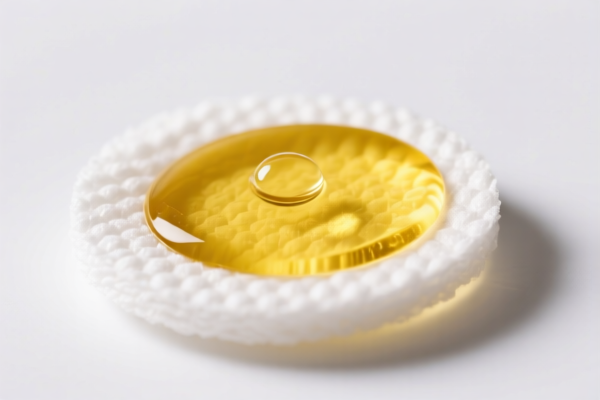
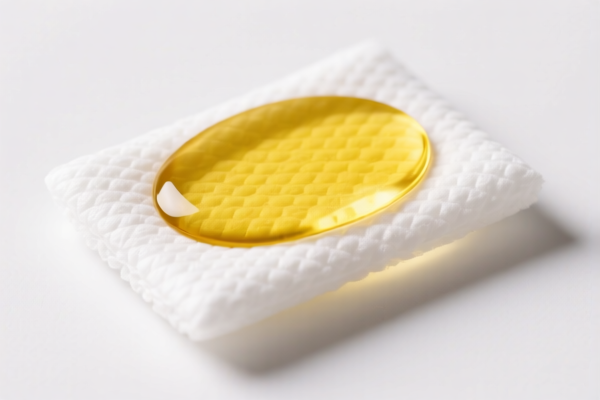
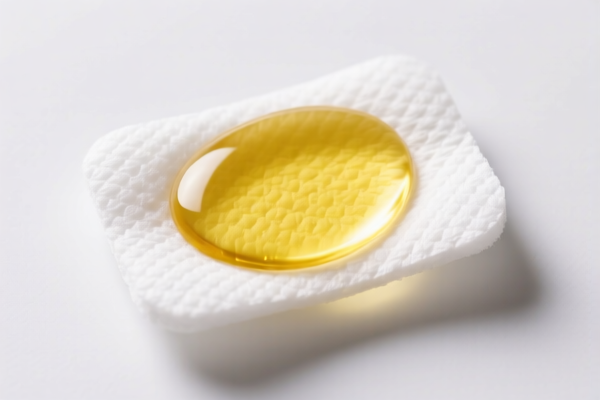
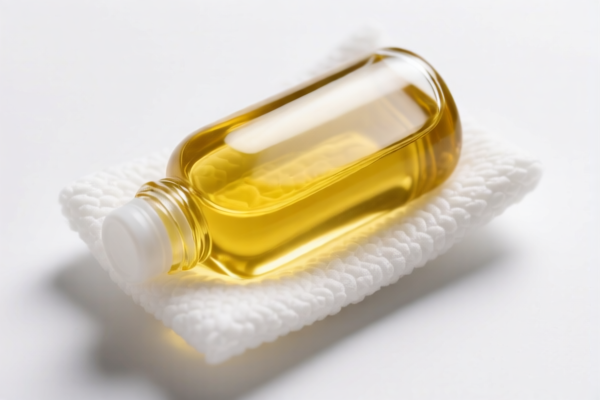
AI Analysis
📄 Oil Absorbing Paper (Oil Blotting Sheets)
🌐 HS Code Reference & Customs Clearance Guide | 2026 Latest Tariff Analysis | Professional Clearance Strategy
📌 I. Product Definition & Classification: Do You Really Know "Oil Absorbing Paper"?
Oil absorbing paper, commonly known as "oil blotting sheets" or "face oil papers," is a specialized consumer good used for removing excess sebum from facial or skin surfaces. In international trade, its classification hinges on two critical factors: Material Composition (Pure Paper vs. Paper-Plastic Composite/Coated) and Physical Structure (Loose Sheets vs. Impregnated/Reinforced).
Paper-Based Products: Pure cellulose or paper-based materials, potentially with functional coatings (e.g., clay, silica) that do not fundamentally alter the paper nature.
Plastic/Composite Products: Sheets that are primarily plastic films or paper-reinforced with significant plastic content, acting as a thin film rather than traditional paper.
⚠️ Key Distinction Point:
- If the material is primarily paper (cellulose fibers) used for absorption/cleaning → Classify under Chapter 48 (Paper).
- If the material is primarily plastic film or a paper-plastic composite where plastic defines the structure → Classify under Chapter 39 (Plastics).
📦 II. HS Code Classification Details (2026 Latest Tariff Authority Comparison)
| HS Code | Product Description | Applicable Scenario | Key Characteristic |
|---|---|---|---|
4823.90.86.80 |
Other paper articles, including oil-absorbing paper | General oil-absorbing paper for cosmetics | Pure paper material, functional absorbent |
4818.20.00.40 |
Facial tissues and toilet paper; cleansing tissues | Oil-absorbing paper used for face/skin cleaning | Specifically for facial/cleaning use |
4823.90.80.00 |
Other paper articles, including gaskets/seals | Oil-absorbing paper with functional/consumable attributes | Functional consumption item |
3921.90.40.10 |
Paper-reinforced plastics; thin sheets | Oil-absorbing paper with paper-reinforced structure | Paper + Plastic reinforcement |
3921.90.40.90 |
Other plates/sheets/films of plastics | Oil-absorbing paper with plastic coating/lamina | Plastic film or coated structure |
🔍 Key Reminder:
- All products identified as pure paper or paper-based for cleaning/absorption must be classified under Chapter 48 (4823.90.86.80,4818.20.00.40,4823.90.80.00).
- Products with plastic coating or composite structures where plastic plays a structural role must be classified under Chapter 39 (3921.90.40.10,3921.90.40.90).
- Misclassification between Chapter 48 and 39 can lead to significant duty differences and customs delays.
💰 III. 2026 Latest Tariff Rate Detailed Breakdown (Including Additional Taxes & Policy Surcharges)
✅ Applicable Country: United States (US)
✅ Country of Origin: China (CN)
✅ Effective Date: From November 10, 2025 (including subsequent imports)
🎯 1. 4823.90.86.80 —— Oil Absorbing Paper (Paper Article)
| Item | Content |
|---|---|
| Base Tariff | 0% (ad valorem) |
| USITC Surcharge | +25% (under Section 301 Duties) |
| IEEPA Surcharge | +10% (Against China/HK products, effective Nov 10, 2025) |
| Total Rate | 35.0% |
| Tax Calculation | CIF Value × 35% |
| De Minimis Eligibility | ❌ No (deny_de_minimis) |
| Legal Basis Path | IEEPA:9903.01.25 → IEEPA:9903.01.24 → USITC:4823.90.86.80 |
📌 Explanation:
- "USITC Surcharge 25%" stems from the Section 301 additional tariffs under the U.S. Trade Act;
- "IEEPA 10%" is the additional tariff imposed on Chinese goods under the International Emergency Economic Powers Act;
- Total 35% is a high tariff rate, requiring advance planning!
🎯 2. 4818.20.00.40 —— Oil Absorbing Paper (Cleansing Tissues/Facial Use)
| Item | Content |
|---|---|
| Base Tariff | 0% |
| USITC Surcharge | +25% |
| IEEPA Surcharge | +10% |
| Total Rate | 35.0% |
| Tax Calculation | CIF × 35% |
| De Minimis Eligibility | ❌ No |
| Legal Basis Path | IEEPA:9903.01.25 → IEEPA:9903.01.24 → USITC:4818.20.00.40 |
📌 Note:
- Same tariff structure as above;
- Applies to oil-absorbing papers specifically marketed for facial/cleaning use;
- Even if packaged as "cosmetic accessories," the HS code4818.20.00.40is appropriate for cleansing tissues.
🎯 3. 4823.90.80.00 —— Oil Absorbing Paper (Other Paper Articles)
| Item | Content |
|---|---|
| Base Tariff | 0% |
| USITC Surcharge | +25% |
| IEEPA Surcharge | +10% |
| Total Rate | 35.0% |
| Tax Calculation | CIF × 35% |
| De Minimis Eligibility | ❌ No |
| Legal Basis Path | IEEPA:9903.01.25 → IEEPA:9903.01.24 → USITC:4823.90.80.00 |
📌 Note:
- Used when the paper does not fit specific sub-categories but is still fundamentally paper;
- Applies to functional paper consumables;
- Total tax remains 35%.
🎯 4. 3921.90.40.10 —— Oil Absorbing Paper (Paper-Reinforced/Plastic Composite)
| Item | Content |
|---|---|
| Base Tariff | 4.2% |
| USITC Surcharge | +25% |
| IEEPA Surcharge | +10% |
| Total Rate | 39.2% |
| Tax Calculation | CIF × 39.2% |
| De Minimis Eligibility | ❌ No |
| Legal Basis Path | IEEPA:9903.01.25 → IEEPA:9903.01.24 → USITC:3921.90.40.10 |
📌 Note:
- Higher base tariff (4.2%) compared to paper items;
- Applies if the product is a paper-reinforced plastic or has a significant plastic structure;
- Total 39.2% is even higher, so ensure correct material classification.
🎯 5. 3921.90.40.90 —— Oil Absorbing Paper (Plastic Film/Coated)
| Item | Content |
|---|---|
| Base Tariff | 4.2% |
| USITC Surcharge | +25% |
| IEEPA Surcharge | +10% |
| Total Rate | 39.2% |
| Tax Calculation | CIF × 39.2% |
| De Minimis Eligibility | ❌ No |
| Legal Basis Path | IEEPA:9903.01.25 → IEEPA:9903.01.24 → USITC:3921.90.40.90 |
📌 Note:
- Applies if the product is primarily a plastic film or plastic-coated paper where plastic dominates;
- Total 39.2%; misclassifying a plastic-heavy product as pure paper (4823...) could result in underpayment and penalties.
🛠️ IV. Customs Clearance Practical Advice (Battle-Tested Pitfall Avoidance Guide)
✅ 1. Required Documentation Checklist (None Can Be Omitted)
| Document | Required | Description |
|---|---|---|
| ✅ Product Specification Sheet | ✔️ | Material composition (paper vs. plastic ratio), dimensions, packaging |
| ✅ Material Test Report | ✔️ | 第三方 report confirming cellulose content or plastic coating percentage |
| ✅ Product Photos | ✔️ | Clear images of the sheet texture, packaging, and label |
| ✅ Commercial Invoice | ✔️ | Clearly state "Oil Absorbing Paper" or "Facial Oil Blotting Sheets" |
| ✅ Packing List | ✔️ | Detail item count, weight, and packaging type |
| ✅ Certificate of Origin | ✔️ | If not originating from China, may qualify for preferential rates |
✅ 2. Declaration Tips (Key Mantra)
🔥 "Material Defines Code, Paper vs. Plastic, Name Specific, Tax Risk Less!"
| Scenario | Correct Declaration | Incorrect Practice |
|---|---|---|
| Pure Paper Oil Sheets | 4823.90.86.80 or 4818.20.00.40 |
Misclassify as plastic → 39.2% |
| Plastic-Coated Oil Sheets | 3921.90.40.90 |
Misclassify as pure paper → 35% (underpayment risk) |
| Paper-Plastic Composite | 3921.90.40.10 |
Ambiguous material description → Customs detention |
| General Paper Consumables | 4823.90.80.00 |
Overly generic description → Delay |
✅ 3. Special Cases Handling
| Case | Handling Advice |
|---|---|
| OEM Custom Oil Sheets | Provide design specs and material composition to avoid ambiguity |
| Oil Sheets with Clay Coating | Still classified under Chapter 48 if base is paper; provide coating details |
| Oil Sheets for Medical Use | If used for wound care, may require FDA registration; ensure HS code matches use |
| Bulk Industrial Absorbers | If large sheets for machinery, clarify as "gaskets" or "industrial paper" under 4823.90.80.00 |
🌍 V. Global Market Clearance Comparison (2026 Latest)
| Country/Region | Recommended HS Code | Tariff | Certification | Notes |
|---|---|---|---|---|
| 🇺🇸 USA | 4823.90.86.80 |
35% (CN origin) | None specific | High tariffs for paper/plastic |
| 🇨🇳 China | 4823.90.86.80 |
5-10% | None | No additional surcharges |
| 🇪🇺 EU | 4823.90.86.80 |
6.5% | REACH (if coated) | Lower tariffs, no US-style surcharges |
| 🇬🇧 UK | 4823.90.86.80 |
5% | UKCA | Post-Brexit rules apply |
| 🇦🇺 Australia | 4823.90.86.80 |
5% | TGA (if medicinal) | No additional surcharges |
📌 Conclusion:
- The US is the only major market imposing high additional tariffs (35-39.2%) on oil absorbing paper;
- Chinese-origin oil absorbing papers face significant cost pressure in the US market;
- European and other markets have much lower tariff burdens, making them more competitive for cost-sensitive shipments.
📌 VI. Common Errors & Pitfall Avoidance (Blood-Tested Lessons)
❌ Error 1: Classifying plastic-coated oil sheets as pure paper (4823...)
👉 Consequence: Underpayment of 4.2% base duty + penalties upon audit!
❌ Error 2: Declaring as "Tissues" without specifying "Oil Absorbing" use
👉 Consequence: Customs may reclassify to generic paper articles, leading to delays
❌ Error 3: Not providing material composition for composite products
👉 Consequence: Customs cannot determine if Chapter 39 or 48 applies → Goods held at port
❌ Error 4: Using vague terms like "Absorbing Sheets" without material detail
👉 Consequence: High risk of misclassification → Back taxes + fines
✅ Correct Practice:
"Oil Absorbing Paper, Pure Cellulose Paper Material, 7x7cm Sheets, 100 Sheets/Pack, For Facial Use, Model XYZ"
OR
"Oil Absorbing Paper, Plastic-Coated Paper, 7x7cm Sheets, 100 Sheets/Pack, For Facial Use, Model ABC"
🎯 VII. Conclusion: Professional Declaration Saves Time and Money!
🎯 Remember the Mantra:
🔹 "Paper is 35%, Plastic is 39.2%, Material Defines the Code!"
🔹 "HS Code is Life, Tax Rate Difference Matters, Declaration Precision Saves Thousands!"
📌 Pro Tip:
If your oil absorbing paper originates from Vietnam, Thailand, or Malaysia, you may apply for preferential tariffs under US trade agreements, potentially reducing rates to 0%~5%;
It is strongly recommended to apply for Advance Ruling or consult a customs broker to ensure correct classification.
📣 Immediate Action:
📞 Contact professional customs broker + Provide product material specs + Apply for HS Code Advance Ruling
🚀 Let your oil absorbing papers clear customs smoothly, expand globally, and maximize profits!
✨ Professional Clearance Starts with Accurate Classification!
💼 Every cent of your cost deserves precise calculation!
Customer Reviews
About HS Code Classification
The Harmonized System (HS) is an internationally standardized nomenclature developed by the World Customs Organization (WCO) to classify traded products. Over 200 countries use the HS system as the basis for customs tariffs, trade statistics, and import/export regulations.
Each HS code follows a hierarchical structure:
- Chapter (2 digits) — Broad category of goods (e.g., Chapter 84: Machinery and Mechanical Appliances)
- Heading (4 digits) — More specific grouping within the chapter
- Subheading (6 digits) — Internationally standardized breakdown, used by all WCO member countries
- National subdivisions (8-10 digits) — Country-specific extensions for further classification, such as US HTSUS 10-digit codes
Correct HS code classification is essential for smooth customs clearance, accurate duty payment, and compliance with trade regulations. Misclassification can lead to customs delays, overpayment of duties, or penalties.
When importing from CN to US, the applicable tariff rates may include:
- Most-Favored-Nation (MFN) rate — The standard duty rate applied to WTO members
- General rate — Applied to countries without trade agreements
- Trade remedy duties — Additional tariffs such as Section 301 (anti-dumping), Section 232 (national security), or countervailing duties
The information provided on this page is for reference purposes only. For official classification, please consult with your local customs authority or a licensed customs broker.