Oil Alarm
CN → US| HS Code | Tariff Rate | Origin | Destination | Doc |
|---|---|---|---|---|
| 9031808070 | 35.0% | CN | US | Official Doc |
| 9031808085 | 10.0% | CN | US | Official Doc |
| 8531100045 | 11.3% | CN | US | Official Doc |
| 8531809051 | 17.5% | CN | US | Official Doc |
Product Images
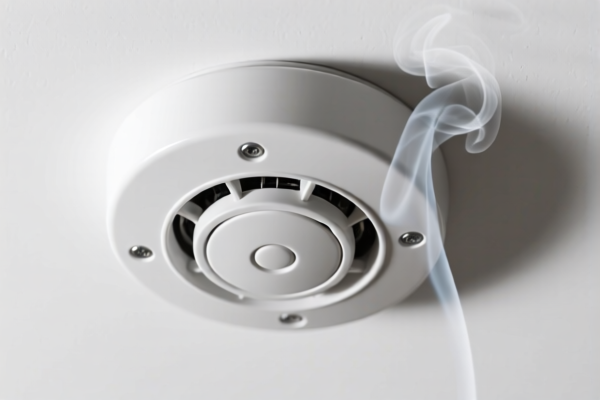
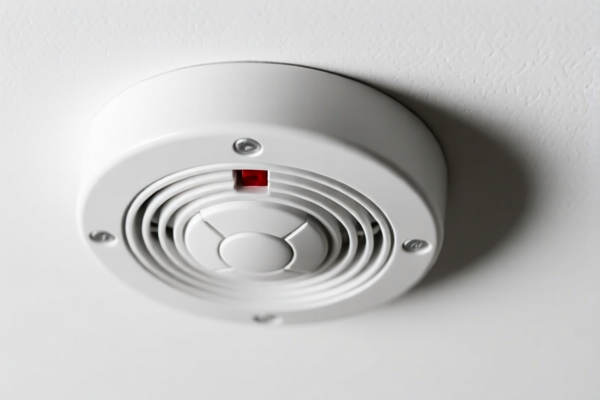
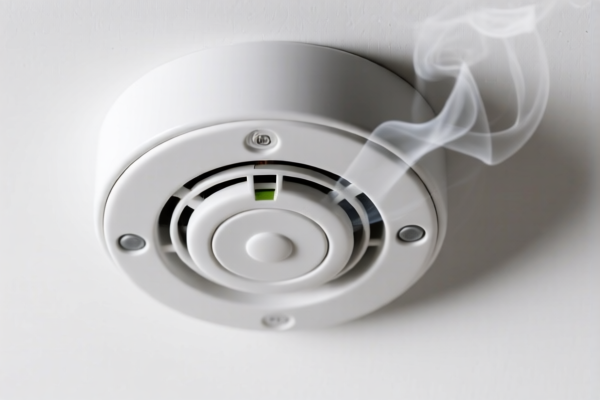
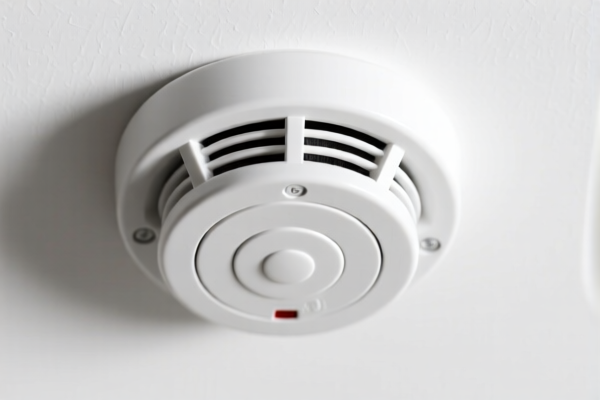
AI Analysis
🚨 Oil Alarm: The Critical Safety Sentinel | HS Code Classification & US Customs Clearance Guide
🌐 HS Code Reference & Customs Clearance Strategy | 2024-2026 Latest Tariff Analysis | Professional Compliance Strategy
📌 I. Product Definition & Classification: Do You Really Understand the "Oil Alarm"?
An Oil Alarm is not a single, monolithic product. In international trade, its classification depends entirely on what it detects, how it works, and its primary application. Is it a sensor measuring pressure/level for engines? A standalone liquid-state detector? Or an alert device sending visual/audible signals?
⚠️ Key Distinction Point:
- Function vs. Form: Is it primarily a measuring instrument (Sensor/Transducer) or a signal device (Alarm/Light)?
- Application Context: Is it part of an engine testing system, a general industrial monitor, or a fire/leak safety alert system?
📦 II. HS Code Classification Breakdown (Based on Provided Data)
Below are the four potential HS Codes derived from the specific summaries provided. Each reflects a different interpretation of the product's technical nature.
| HS Code | Classification Basis (Summary) | Primary Function | Total Tax Rate (US Import from China) |
|---|---|---|---|
| 9031.80.80.70 | Usage-Based Match: Matches sensors/detection devices for pressure, level, or characteristics within internal combustion engine testing equipment (excluding electrical). | Engine Testing Sensor | 35.0% |
| 9031.80.80.85 | Matching Basis: Matches "Other measuring or inspecting instruments" for detecting oil liquid states. No material/形态 conflict. | General Oil State Monitor | 10.0% |
| 8531.10.00.45 | Application Match: Extended use of fire/theft alarms (oil leak alert). Infers material/form as electro-acoustic or visual signal device. | Leak Alert Signal Device | 11.3% |
| 8531.80.90.51 | Matching Basis: "Alarm" fits electro-acoustic/visual signal devices. Infers monitoring of oil status as a signal装置. | General Signal Alarm | 17.5% |
🔍 Critical Analysis:
- 9031.80.80.70 (35%): Highest risk. Classifies it strictly as an engine testing sensor. High tariff due to Section 301 tariffs (25%) + Section 122 (10%).
- 9031.80.80.85 (10%): Most cost-effective for instrumentation. Classifies it as a generic measuring/inspecting instrument. Only Section 122 (10%) applies.
- 8531.10.00.45 (11.3%) & 8531.80.90.51 (17.5%): Classifies it as a signal device (alarm light/horn). Lower base tariffs but still subject to Section 122 (10%).
💰 III. Detailed Tariff Rate Explanation (2026 Latest Rules)
✅ Applicable Country: United States (US)
✅ Origin: China (CN)
✅ Effective Time: Current enforcement of Section 301 and Section 122 tariffs.
🎯 1. 9031.80.80.70 – Engine Testing Sensor (High Tariff)
| Item | Detail |
|---|---|
| Base Tariff | 0.0% |
| Section 301 Surcharge | +25.0% |
| Section 122 Surcharge | +10.0% |
| Total Effective Rate | 35.0% |
| Tax Calculation | CIF Value × 35% |
| De Minimis Exemption | ❌ Not Eligible (Section 301 goods are explicitly excluded) |
| Legal Basis | Section 301: 9903.01.25 + Section 122: 9903.01.24 |
📌 Explanation:
- The 25% is the standard Section 301 tariff on Chinese machinery/instruments.
- The 10% is the Section 122 tariff (often related to national security or specific trade actions).
- Result: This is the most expensive classification. Avoid if the product is NOT exclusively for internal combustion engine testing.
🎯 2. 9031.80.80.85 – Measuring/Inspecting Instrument (Optimal for Sensors)
| Item | Detail |
|---|---|
| Base Tariff | 0.0% |
| Section 301 Surcharge | 0.0% |
| Section 122 Surcharge | +10.0% |
| Total Effective Rate | 10.0% |
| Tax Calculation | CIF Value × 10% |
| De Minimis Exemption | ❌ Not Eligible (Section 122 goods are excluded) |
| Legal Basis | Section 122: 9903.01.24 |
📌 Explanation:
- No Section 301 Tariff: This subheading is exempt from the 25% Section 301 tax.
- Only Section 122 (10%): This is the lowest possible tax rate among the options.
- Strategy: Justify the product as a "Measuring or Inspecting Instrument" for oil state, not an alarm signal device or engine test component.
🎯 3. 8531.10.00.45 – Fire/Theft/Leak Alarm Signal (Low-Mid Tariff)
| Item | Detail |
|---|---|
| Base Tariff | 1.3% |
| Section 301 Surcharge | 0.0% |
| Section 122 Surcharge | +10.0% |
| Total Effective Rate | 11.3% |
| Tax Calculation | CIF Value × 11.3% |
| De Minimis Exemption | ❌ Not Eligible |
| Legal Basis | Section 122: 9903.01.24 |
📌 Explanation:
- Base tariff is slightly higher (1.3%), but no Section 301.
- Suitable if the product is clearly a visual/audible alarm unit (e.g., a light or horn that triggers on oil leak).
🎯 4. 8531.80.90.51 – Other Electrical Signal Devices (Mid Tariff)
| Item | Detail |
|---|---|
| Base Tariff | 0.0% |
| Section 301 Surcharge | +7.5% |
| Section 122 Surcharge | +10.0% |
| Total Effective Rate | 17.5% |
| Tax Calculation | CIF Value × 17.5% |
| De Minimis Exemption | ❌ Not Eligible |
| Legal Basis | Section 301: 9903.01.25 + Section 122: 9903.01.24 |
📌 Explanation:
- Applies a partial Section 301 rate (7.5%) plus Section 122 (10%).
- Used if the product is an "Other" electrical signal device not specifically categorized under fire/theft alarms.
🛠️ IV. Customs Clearance Practical Advice (Avoid Pitfalls)
✅ 1. Documentation Checklist (Essential for Accurate Classification)
| Document | Requirement | Reason |
|---|---|---|
| Product Specification Sheet | ✔️ Mandatory | Must detail whether it measures pressure/level (Sensor) or sends a signal (Alarm). |
| Technical Diagrams | ✔️ Mandatory | Shows if it includes transducers (Sensor) or just lights/horns (Signal). |
| Product Photos | ✔️ Mandatory | Clear images of labels, interfaces, and form factor. |
| Commercial Invoice | ✔️ Mandatory | Describe as "Oil Level Sensor" or "Oil Leak Alarm" consistently with HS Code. |
| Usage Description | ✔️ Critical | Explain if it's used for engine testing (9031.80.80.70) or general monitoring (9031.80.80.85). |
✅ 2. Declaration Strategy (Key Mnemonics)
🔥 “Measure = 10%, Alarm = 11-17%, Engine Test = 35%!”
| Scenario | Recommended HS Code | Rationale |
|---|---|---|
| Sensor only (Measures oil pressure/level, outputs signal) | 9031.80.80.85 |
Classified as "Measuring Instrument". No Section 301. Best for cost. |
| Alarm Light/Horn (No measurement, just alerts) | 8531.10.00.45 |
Classified as "Fire/Leak Alarm". Low base tariff. |
| Engine Test Bench Component | 9031.80.80.70 |
Specific to "Internal Combustion Engine Testing". High tariff. Avoid if possible. |
| Generic Signal Device | 8531.80.90.51 |
Fallback if not specifically fire/theft. Higher tax than sensor. |
✅ 3. Special Handling Tips
| Situation | Advice |
|---|---|
| Hybrid Device (Sensor + Alarm) | Declare as Sensor (9031.80.80.85) if the measurement function is primary. Justify as "Measuring Instrument". |
| OEM Customization | Provide design drawings proving it is a sensor/alarm, not a generic electronic part. |
| Section 122 Exemptions | Check Eligibility: Some Section 122 tariffs have exclusions. Verify if your specific model qualifies for an exemption to reduce the 10% additional tariff. |
🌍 V. Global Market Comparison (2024-2026)
| Market | Recommended HS Code | Estimated Tax (China Origin) | Notes |
|---|---|---|---|
| 🇺🇸 USA | 9031.80.80.85 |
10% (Section 122 only) | Best option. Avoid 9031.80.80.70 (35%). |
| 🇪🇺 EU | 9031.80.80 |
~0-2% | No Section 301/122. Standard MFN rates. |
| 🇨🇳 China | 9031.80.80 |
~0% | Import duty low. Focus on VAT. |
| 🇬🇧 UK | 9031.80.80 |
~0-2% | Post-Brexit rates generally favorable for instruments. |
📌 Conclusion:
The US market is the most challenging due to Section 301 and Section 122 tariffs.
Target9031.80.80.85for the lowest duty (10%) by positioning the product as a Measuring/Inspecting Instrument.
📌 VI. Common Mistakes & Pitfalls (Blood & Tears Lessons)
❌ Mistake 1: Calling it "Engine Testing Sensor" when used generally
👉 Result: Customs classifies as 9031.80.80.70 → 35% Tax.
✅ Fix: Describe as "Oil Level Sensor" or "Oil State Monitor".
❌ Mistake 2: Calling it "Alarm Light" when it has sensors
👉 Result: Customs may still classify as instrument, but documentation mismatch leads to delays.
✅ Fix: If it measures AND alarms, emphasize the measurement capability in specs.
❌ Mistake 3: Ignoring Section 122
👉 Result: Assuming 0% tax for sensors.
✅ Fix: Remember Section 122 (10%) applies to most instruments from China now.
🎯 VII. Conclusion: Professional Declaration, Cost Optimization!
🎯 Key Takeaway:
🔹 "If it measures, claim 9031.80.80.85 (10%). If it only alarms, claim 8531.10.00.45 (11.3%). Avoid 9031.80.80.70 (35%) unless required."
🔹 "HS Code choice directly impacts your cost by up to 25%."
📌 Pro Tip:
- If your product is exclusively for engine testing, you may have no choice but 9031.80.80.70.
- If it has dual use, document it as a general measuring instrument to qualify for 9031.80.80.85.
- Apply for an Advance Ruling from US Customs (CBP) to lock in the 10% rate.
📣 Action Item:
📞 Contact Customs Broker: Provide product specs.
📝 Draft Declaration: "Oil Level/Pressure Sensor, Measuring Instrument, Model XYZ".
🚀 Save 25%: Avoid Section 301 by correct classification.
✨ Precision in Classification, Profit in Clearance!
💼 Every Percent Counts in International Trade!
Customer Reviews
About HS Code Classification
The Harmonized System (HS) is an internationally standardized nomenclature developed by the World Customs Organization (WCO) to classify traded products. Over 200 countries use the HS system as the basis for customs tariffs, trade statistics, and import/export regulations.
Each HS code follows a hierarchical structure:
- Chapter (2 digits) — Broad category of goods (e.g., Chapter 84: Machinery and Mechanical Appliances)
- Heading (4 digits) — More specific grouping within the chapter
- Subheading (6 digits) — Internationally standardized breakdown, used by all WCO member countries
- National subdivisions (8-10 digits) — Country-specific extensions for further classification, such as US HTSUS 10-digit codes
Correct HS code classification is essential for smooth customs clearance, accurate duty payment, and compliance with trade regulations. Misclassification can lead to customs delays, overpayment of duties, or penalties.
When importing from CN to US, the applicable tariff rates may include:
- Most-Favored-Nation (MFN) rate — The standard duty rate applied to WTO members
- General rate — Applied to countries without trade agreements
- Trade remedy duties — Additional tariffs such as Section 301 (anti-dumping), Section 232 (national security), or countervailing duties
The information provided on this page is for reference purposes only. For official classification, please consult with your local customs authority or a licensed customs broker.