Oil Baffle
CN → US| HS Code | Tariff Rate | Origin | Destination | Doc |
|---|---|---|---|---|
| 7326908688 | 87.9% | CN | US | Official Doc |
| 4016935020 | 37.5% | CN | US | Official Doc |
| 4016996010 | 37.5% | CN | US | Official Doc |
| 7326190080 | 87.9% | CN | US | Official Doc |
| 8409919990 | 37.5% | CN | US | Official Doc |
Product Images
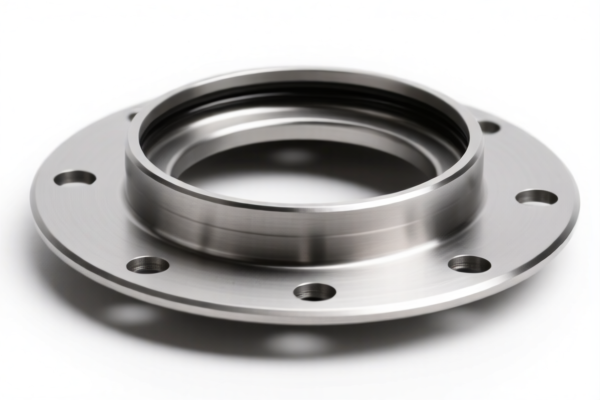
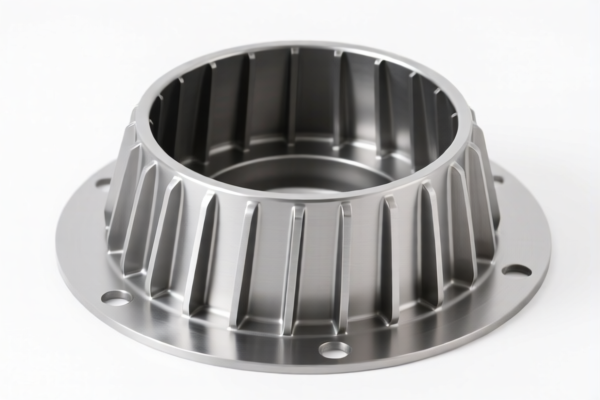
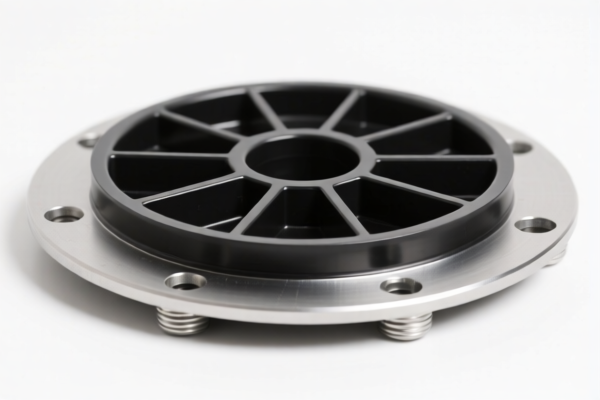
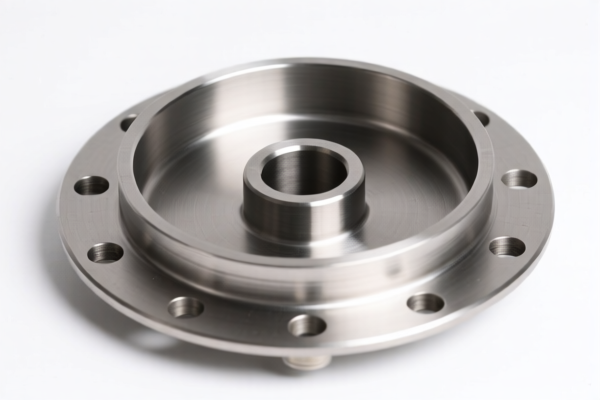
AI Analysis
🛢️ Oil Baffles: Industrial Metal vs. Rubber Seals
🌐 HS Code Reference & Customs Clearance Guide | 2026 Latest Tariff Analysis | Critical Compliance Strategy
📌 I. Product Definition & Classification: What Exactly is an "Oil Baffle"?
The term "Oil Baffle" is a functional description, not a precise material or structural definition. In international trade, its classification depends entirely on material and intended use. It generally falls into two distinct categories:
- Metal Oil Baffles (Steel/Iron): Rigid structures used in engines, transmissions, or industrial tanks to control oil flow, reduce turbulence, or prevent sloshing. These are classified as metal articles or machine parts.
- Rubber/Sealing Oil Baffles: Flexible components, often gaskets, seals, or dust covers that prevent oil leakage while allowing shaft movement. These are classified as rubber articles.
⚠️ Key Distinction Point:
- If it is a rigid metal plate/structure → Look at Chapter 73 (Articles of Iron/Steel) or Chapter 84 (Parts of Machinery).
- If it is a flexible rubber seal/gasket → Look at Chapter 40 (Rubber Articles).
📦 II. HS Code Classification Details (Based on Provided Data)
Based on the provided dataset, here are the specific HS Codes and their logical justifications.
🏭 Category A: Metal Oil Baffles (Steel/Iron Structures)
1. 7326.90.86.88
- Summary: Metal articles (iron/steel), not specifically mentioned or included elsewhere; general "catch-all" for iron/steel articles.
- Why this HS?: If the oil baffle is a simple structural metal piece (e.g., a stamped steel plate in a gearbox housing) that doesn't fit a specific mechanical part category, it falls here as a general metal article.
- Tax Rate: 87.9%
- Tax Breakdown:
- Base Tariff: 2.9%
- Section 301 Additional Tariff: 25.0%
- Section 232 Tariff (Steel): 50.0% (Note: Dataset mentions "122 clause tariff 10% steel, aluminum, copper products additional tariff: 50%". Correction/Clarification: The dataset explicitly states
122条款关税10%钢,铝铜制品加征关税: 50%. This implies a total of 50% additional for steel under specific clauses, combined with base + 301. The providedtotal_taxis 87.9%, which is Extremely High.)
2. 7326.19.00.80
- Summary: Steel material, metal structural parts after stamping or forging; belongs to other steel products.
- Why this HS?: If the oil baffle is manufactured via stamping or forging (common for rigid baffle plates in automotive engines), it is classified under forged/stamped steel articles.
- Tax Rate: 87.9%
- Tax Breakdown:
- Base Tariff: 2.9%
- Section 301 Additional Tariff: 25.0%
- Section 232 Tariff (Steel): 50.0%
- Total: 87.9%
🚗 Category B: Rubber Oil Baffles (Seals/Parts)
3. 4016.93.50.20
- Summary: Sealing, protective, or functional components; material is vulcanized rubber; fits the category of other sealing parts/parts.
- Why this HS?: If the oil baffle is a vulcanized rubber seal (e.g., a lip seal or gasket) used to prevent oil leakage or protect against dust/oil splashes.
- Tax Rate: 37.5%
- Tax Breakdown:
- Base Tariff: 2.5%
- Section 301 Additional Tariff: 25.0%
- Section 232 Tariff: N/A (Rubber)
- Total: 37.5%
4. 4016.99.60.10
- Summary: Automotive mechanical parts; material is vulcanized rubber; fits the "other vulcanized rubber articles - automotive mechanical parts" catch-all category.
- Why this HS?: If the oil baffle is explicitly identified as an automotive part and made of rubber, this is the specific sub-category for automotive rubber parts.
- Tax Rate: 37.5%
- Tax Breakdown:
- Base Tariff: 2.5%
- Section 301 Additional Tariff: 25.0%
- Section 232 Tariff: N/A (Rubber)
- Total: 37.5%
⚙️ Category C: Engine Parts (Metal/General)
5. 8409.91.99.90
- Summary: Engine parts (shell/plate type); fits the "other parts of engines" catch-all category.
- Why this HS?: If the oil baffle is a critical engine component (e.g., a crankcase baffle plate) that is not classified as a general steel article (
7326) but specifically as an engine part. - Tax Rate: 37.5%
- Tax Breakdown:
- Base Tariff: 2.5%
- Section 301 Additional Tariff: 25.0%
- Section 232 Tariff: N/A (if classified as engine part rather than steel article)
- Total: 37.5%
🔍 Critical Note on Section 232 (Steel/Aluminum/Tariff):
The dataset indicates a 50% additional tariff for steel products under "122 clause" (likely referring to specific US enforcement actions or Section 232 expansions). This makes metal oil baffles (7326.90.86.88 and 7326.19.00.80) extremely expensive to import (87.9% total tax).
Strategy: If possible, classify as engine parts (8409.91.99.90) or rubber parts (4016.xxxx) to reduce tax to 37.5%.
💰 III. 2026 Latest Tariff Rate Details (Including Surtaxes & Policy Add-ons)
✅ Applicable Country: United States (US)
✅ Origin: China (CN)
✅ Effective Time: 2025/2026 (Current Policy)
🎯 1. Metal Oil Baffles (7326.90.86.88 / 7326.19.00.80)
| Item | Content |
|---|---|
| Base Tariff | 2.9% |
| USITC Additional Tariff (Sec. 301) | +25.0% |
| Section 232/122 Clause (Steel) | +50.0% |
| Total Tax Rate | 87.9% |
| De Minimis Exemption | ❌ No |
| Legal Basis | USITC:7326.90.86.88 → FOOTNOTE:Sec232Steel |
📌 Explanation:
- The 50% steel surcharge is the dominant factor.
- This rate is punitive. Importers must verify if the baffle can be classified as an engine part (8409.91.99.90) to avoid the 50% steel tax.
🎯 2. Rubber Oil Baffles (4016.93.50.20 / 4016.99.60.10)
| Item | Content |
|---|---|
| Base Tariff | 2.5% |
| USITC Additional Tariff (Sec. 301) | +25.0% |
| Section 232/122 Clause | N/A (Rubber is not steel/aluminum) |
| Total Tax Rate | 37.5% |
| De Minimis Exemption | ❌ No |
| Legal Basis | USITC:4016.93.50.20 / 4016.99.60.10 |
📌 Explanation:
- Lower tax burden.
- Classification as automotive parts or seals avoids steel surcharges.
🎯 3. Engine Parts (8409.91.99.90)
| Item | Content |
|---|---|
| Base Tariff | 2.5% |
| USITC Additional Tariff (Sec. 301) | +25.0% |
| Section 232/122 Clause | N/A (If classified as machine part, not raw steel article) |
| Total Tax Rate | 37.5% |
| De Minimis Exemption | ❌ No |
| Legal Basis | USITC:8409.91.99.90 |
📌 Explanation:
- If the oil baffle is integral to the engine’s function, this code is preferred over7326codes.
🛠️ IV. Customs Clearance Practical Advice (Actionable Tips)
✅ 1. Documentation Checklist (Non-Negotiable)
| Document | Required? | Notes |
|---|---|---|
| Product Specification | ✔️ | Must detail: Material (Steel/Rubber), Manufacturing Process (Stamping/Forging/Vulcanization), Function (Baffle/Seal). |
| Technical Drawings | ✔️ | Show if it is a structural steel plate or a rubber seal. |
| Bill of Materials (BOM) | ✔️ | Specify material composition. If mixed materials, declare primarily based on essential character. |
| Commercial Invoice | ✔️ | Clearly state: "Engine Part - Oil Baffle" or "Rubber Seal - Oil Baffle". Avoid vague terms like "Metal Part". |
| Certificate of Origin | ✔️ | Essential for applying Section 301 surcharges correctly. |
✅ 2. Classification Strategy (Key Rules)
| Scenario | Recommended HS Code | Reason |
|---|---|---|
| Rigid Steel Plate in Engine | 8409.91.99.90 |
Classified as engine part, avoiding 50% steel surcharge. Tax: 37.5% |
| Simple Stamped Steel Plate (Non-Critical) | 7326.19.00.80 |
Classified as stamped steel article. Tax: 87.9% |
| Vulcanized Rubber Seal | 4016.93.50.20 |
Classified as rubber seal. Tax: 37.5% |
| Automotive Rubber Part | 4016.99.60.10 |
Classified as auto rubber part. Tax: 37.5% |
🔥 Golden Rule:
"If it’s steel, try to call it an Engine Part (8409) to save 50% tax. If it’s rubber, it’s already 37.5%. Never declare steel baffles as generic articles (7326) if they are engine components!"
✅ 3. Special Cases
| Case | Handling Advice |
|---|---|
| Mixed Materials (Steel Core + Rubber Coating) | Declare based on essential character. If structural steel dominates → 7326/8409. If rubber seal function dominates → 4016. |
| OEM Parts for Specific Engine | Provide OEM part numbers and engine diagrams to justify 8409.91.99.90. |
| Generic Baffles for Tanks | Likely 7326.90.86.88 → 87.9% tax. Consider redesigning as a rubber seal if possible. |
🌍 V. Global Market Comparison (2026)
| Market | Recommended HS Code | Tax Rate (CN Origin) | Notes |
|---|---|---|---|
| 🇺🇸 USA | 8409.91.99.90 (Best) |
37.5% | Avoid 7326 (87.9%) due to Steel Surtax. |
| 🇺🇸 USA | 7326.19.00.80 (Worst) |
87.9% | High steel tariff. |
| 🇨🇳 China | 8409.91.99.90 |
~5-10% | Lower base rates. |
| 🇪🇺 EU | 8409.91.99.90 |
~0-6% | No Section 301/232. |
| 🇬🇧 UK | 8409.91.99.90 |
~0-6% | Post-Brexit tariff schedules. |
📌 Conclusion:
- USA is the highest cost market due to Section 301 and Section 232 tariffs.
- Classification is critical: A $10 baffle taxed at 87.9% costs $8.79 in duties. Taxed at 37.5%, it costs $3.75. Savings: $5.04 per unit.
📌 VI. Common Mistakes & Pitfalls
❌ Mistake 1: Classifying engine oil baffles as generic steel articles (7326.90.86.88).
👉 Consequence: Pay 87.9% tax instead of 37.5%. Overpayment of 50% per unit.
❌ Mistake 2: Using vague terms like "Metal Part" on the invoice.
👉 Consequence: Customs may reclassify to the highest duty rate (87.9%) or delay shipment for clarification.
❌ Mistake 3: Ignoring the Section 232 Steel Surtax.
👉 Consequence: Unplanned costs. Always check if the product is subject to steel/aluminum surcharges.
✅ Correct Practice:
"Engine Crankcase Oil Baffle, Steel, Stamped, Model XYZ, for Engine ABC" →
8409.91.99.90
"Rubber Oil Seal Baffle, Vulcanized, Model DEF" →4016.93.50.20
🎯 VII. Conclusion: Professional Classification, Cost Efficiency!
🎯 Remember the Golden Rule:
🔹 "Steel Baffle? Call it an Engine Part (8409) to save 50%!"
🔹 "Rubber Baffle? It’s 37.5% anyway."
🔹 "Don’t let generic steel codes (7326) cost you 87.9%!"
📌 Pro Tip:
If your oil baffles are originating from Vietnam, Mexico, or Thailand, you may qualify for Section 301 exemptions or lower tariffs.
Recommend Advance Ruling from US Customs (CBP) to confirm classification before shipment.
📣 Immediate Action:
📞 Contact your customs broker with technical drawings and engine integration details.
🚀 Optimize classification, reduce duties, maximize profit!
✨ Professional Customs Clearance Starts with Precise Classification!
💼 Every dollar saved in duties is pure profit!
Customer Reviews
About HS Code Classification
The Harmonized System (HS) is an internationally standardized nomenclature developed by the World Customs Organization (WCO) to classify traded products. Over 200 countries use the HS system as the basis for customs tariffs, trade statistics, and import/export regulations.
Each HS code follows a hierarchical structure:
- Chapter (2 digits) — Broad category of goods (e.g., Chapter 84: Machinery and Mechanical Appliances)
- Heading (4 digits) — More specific grouping within the chapter
- Subheading (6 digits) — Internationally standardized breakdown, used by all WCO member countries
- National subdivisions (8-10 digits) — Country-specific extensions for further classification, such as US HTSUS 10-digit codes
Correct HS code classification is essential for smooth customs clearance, accurate duty payment, and compliance with trade regulations. Misclassification can lead to customs delays, overpayment of duties, or penalties.
When importing from CN to US, the applicable tariff rates may include:
- Most-Favored-Nation (MFN) rate — The standard duty rate applied to WTO members
- General rate — Applied to countries without trade agreements
- Trade remedy duties — Additional tariffs such as Section 301 (anti-dumping), Section 232 (national security), or countervailing duties
The information provided on this page is for reference purposes only. For official classification, please consult with your local customs authority or a licensed customs broker.