Oil Can
CN → US| HS Code | Tariff Rate | Origin | Destination | Doc |
|---|---|---|---|---|
| 7310290065 | 85.0% | CN | US | Official Doc |
| 3923900080 | 38.0% | CN | US | Official Doc |
| 7612901090 | 40.7% | CN | US | Official Doc |
| 7310210075 | 85.0% | CN | US | Official Doc |
| 3923300090 | 38.0% | CN | US | Official Doc |
| 7612905000 | 35.0% | CN | US | Official Doc |
Product Images
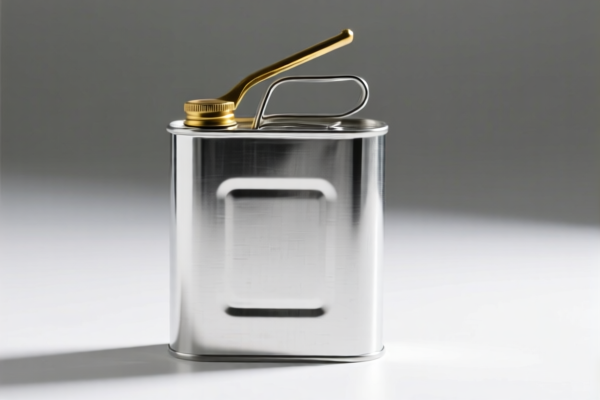


AI Analysis
🛢️ Oil Can (Metal & Plastic Containers for Lubricants)
🌐 HS Code Reference & Customs Clearance Guide | 2026 Latest Tariff Analysis | Professional Strategy
📌 I. Product Definition & Classification: Do You Really Understand "Oil Cans"?
An Oil Can is a general term for a container used to store and dispense lubricating oils, cooking oils, or industrial fluids. In international trade, its classification depends heavily on Material (Plastic vs. Metal) and Shape/Closure Method (Welded vs. Opened).
International Trade distinguishes between:
- Plastic Oil Cans (e.g., Polyethylene/Polypropylene): Flexible or semi-rigid containers, often with a spout for pouring.
- Metal Oil Cans (Steel/Iron/Aluminum): Rigid containers, often cylindrical, used for higher pressure or chemical resistance.
⚠️ Key Classification Distinctions:
- Plastic Material → Generally falls under Chapter 39 (Plastics); sub-categories depend on the exact shape (bottle vs. can).
- Steel/Iron Material → Generally falls under Chapter 73 (Iron/Steel); sub-categories depend on closure (welded/sealed vs. open).
- Aluminum Material → Generally falls under Chapter 76 (Aluminum); sub-categories depend on capacity (<20L).
📦 II. HS Code Classification Breakdown (2026 Tariff Analysis)
Based on your provided data, here are the specific HS Codes for "Oil Cans" and the logic behind them:
| HS Code | Product Description | Material/Shape Logic | Capacity/Type | Total Tax Rate |
|---|---|---|---|---|
7310.29.00.65 |
Iron/Steel Cans (Other Shapes) | Steel/Iron; Non-welded or specific shape; <50L | "Other" containers (Non-specific shape) | 85.0% |
3923.90.00.80 |
Plastic Containers (Other) | Plastic; Packaging/Container type | "Other" packaging items | 38.0% |
7612.90.10.90 |
Aluminum Cans (<20L) | Aluminum; Rigid container (Can/Flask) | <20 Liters capacity | 40.7% |
7310.21.00.75 |
Welded Steel Cans | Steel/Iron; Welded or Seamed closure | <50 Liters; Cans/Jars | 85.0% |
3923.30.00.90 |
Plastic Bottles/Flasks | Plastic; Bottle/Flask shape | "Other" plastic bottles | 38.0% |
7612.90.50.00 |
Aluminum Containers (Other) | Aluminum; Rigid container | "Other" Aluminum containers | 35.0% |
🔍 Critical Logic Explanation:
- Steel Cans (7310.21&7310.29): If the can is welded or has a seamed closure, it falls under7310.21. If it is a different shape or non-welded, it falls under7310.29. Both incur the highest tax (85%) due to "Steel/Aluminum/Copper" penalties.
- Plastic Cans (3923.30&3923.90): If it looks like a bottle/flask, use3923.30. If it is a generic container/can, use3923.90. Both have a lower tax (38%) but still face penalties.
- Aluminum Cans (7612.90): Specifically targets capacity under 20 Liters. If >20L, classification changes.
💰 III. 2026 Tariff Rate Detail & Penalty Breakdown
✅ Applicable Market: United States (US)
✅ Origin: China (CN)
✅ Effective Date: 2025-2026 (Based on Section 301 & 122 Measures)
🎯 1. High-Risk Steel Ions (7310.21.00.75 & 7310.29.00.65)
Total Tax: 85.0% (The Most Dangerous Category!)
| Item | Content |
|---|---|
| Base Duty | 0.0% (Standard rate for iron/steel containers) |
| Section 301 (Additional) | +25.0% (Standard China surcharge) |
| Section 122 (Steel/Aluminum) | +50.0% (Specific penalty for "Steel, Aluminum, Copper" products) |
| Total Calculation | 0% + 25% + 50% = 85% |
| Legal Reference | 301: Steel Products + 122: Base Materials |
📌 Why 85%?
The US imposes a 50% "122 Clause" surcharge specifically on steel, aluminum, and copper products. When combined with the standard 25% Section 301 tax, the total hits 85%.
Impact: Extremely high import cost. Avoid this classification if your product is not strictly steel/iron.
🎯 2. Plastic & Aluminum Categories (3923 & 7612 series)
Total Tax: 35.0% ~ 40.7%
| Item | Content |
|---|---|
| Base Duty | 0.0% ~ 3.0% (Depends on plastic type) |
| Section 301 (Additional) | +25.0% (Standard China surcharge) |
| Section 122 (Specific) | +10.0% (Applicable to 10% of the value or specific sub-items) |
| Total Calculation | ~35.0% to 40.7% |
| Legal Reference | 301: General + 122: Partial |
📌 Why Lower?
- Plastic (3923): Avoids the heavy 50% steel surcharge. The base duty is 3%, plus 25% + 10% penalty = 38%.
- Aluminum (7612): Avoids the 50% steel surcharge but faces a 10% penalty on specific aluminum items. Base 5.7% + 25% + 10% = 40.7%. (Note:7612.90.50.00has 0% base duty, totaling 35.0%).
🛠️ IV. Customs Clearance Practical Advice (Action Plan)
✅ 1. Material Verification (The "Golden Rule")
Action: Before declaring, physically test the material of your Oil Can.
- If Steel/Iron: You MUST declare under 7310.xx. Prepare for 85% tax. No workaround exists.
- If Plastic: Declare under 3923.xx. Tax is 38%.
- If Aluminum: Declare under 7612.xx. Tax is 35%~40.7%.
⚠️ Warning: Do NOT declare a steel can as plastic to save tax. Customs will perform X-ray or magnet tests. Misclassification leads to 100% fines + shipment seizure.
✅ 2. Capacity & Shape Documentation
Action: Prepare precise specs for the declaration.
| Parameter | Requirement for 3923/7612 | Requirement for 7310 |
|-----------|----------------|----------------|
| Capacity | Must be < 20L for 7612.90.10 (Aluminum) | Must be < 50L for 7310 |
| Shape | Specify "Bottle", "Flask", or "Container" | Specify "Welded", "Seamed", or "Other" |
| Closure | Mention "Screw Cap", "Nozzle", "Spout" | Mention "Welded Seam", "Seamless" |
📌 Strategy: If you have a 5L Aluminum Can, use
7612.90.50.00(Tax 35%). If you declare it as Plastic, tax is 38%. Aluminum is slightly cheaper if base duty is 0%.
✅ 3. Declaration Phrase Template (Avoid Errors)
❌ Wrong: "Oil Can, Metal, China"
✅ Correct:
- For Steel: "Steel Oil Can, Welded, 5L, HS Code 7310.21.00.75, Origin: China"
- For Plastic: "Plastic Oil Can with Spout, 5L, Polyethylene, HS Code 3923.30.00.90, Origin: China"
- For Aluminum: "Aluminum Oil Can, <20L, Non-welded, HS Code 7612.90.50.00, Origin: China"
✅ 4. Special Cases & Exemptions
| Scenario | Recommendation |
|---|---|
| Mixed Pack (Steel + Plastic) | Declare separately. Do not bundle. Steel part = 85%, Plastic part = 38%. |
| OEM Branding | Provide OEM contract. Do not declare as "Generic" if brand is known. |
| Sample vs. Commercial | Samples < $800 (De Minimis) are exempt, but commercial shipments are not. |
| Aluminum > 20L | DO NOT use 7612.90. Check other codes (e.g., 7612.10/20). Wrong code = 85% tax! |
🌍 V. Global Market Comparison (2026)
| Country | Recommended HS Code | Tax Rate (CN Origin) | Key Risk |
|---|---|---|---|
| 🇺🇸 USA | 7310.21.00.75 (Steel) / 3923.30.00.90 (Plastic) |
85% (Steel) / 38% (Plastic) | HIGH: Steel penalty is 50% extra. |
| 🇪🇺 EU | 7310 / 3923 |
~0-6% (No Section 301) | LOW: Only standard VAT + duties. |
| 🇨🇳 China | 7310 / 3923 |
~0-5% (Domestic) | LOW: No export tax. |
| 🇦🇺 AU | 7310 / 3923 |
~5-10% | MEDIUM: Standard GST applies. |
📌 Conclusion:
- USA is the "Steel Trap": If your oil can is Steel/Iron, the 85% tax is unavoidable.
- Solution: Switch to Plastic (3923.30.00.90) or Aluminum (7612.90.50.00) if feasible to reduce tax to 35-40%.
📌 VI. Common Mistakes & Pitfalls (Learn from Others)
❌ Mistake 1: Declaring Steel as Plastic
👉 Result: Customs magnet test fails → 100% fine + 100% back-tax.
❌ Mistake 2: Ignoring the 122 Clause
👉 Result: Underestimated tax (25% instead of 85%) → Unexpected debt.
❌ Mistake 3: Wrong Capacity for Aluminum
👉 Result: Declared as <20L but actual is 25L → Reclassification to higher tax.
✅ Best Practice:
"Test Material First, Verify Capacity Second, Declare Code Third."
🎯 VII. Conclusion: Smart Declaration for Maximum Profit
🎯 Remember the Rules:
🔹 Steel/Iron Oil Can = 85% ( unavoidable penalty for base materials).
🔹 Plastic Oil Can = 38% (Safe bet for cost control).
🔹 Aluminum Oil Can (<20L) = 35.0% (Best for low-cost metal).
📌 Pro Tip:
If you are importing Aluminum cans, ensure the capacity is strictly < 20 Liters. If it is 20.1L, you must use a different code, potentially increasing the tax significantly.
Always request a "Pre-Ruling" from Customs if the material is ambiguous (e.g., Aluminum-coated steel).
📣 Take Action Now:
📞 Consult a Customs Broker → Provide Material Test Report → Select HS Code 3923.30.00.90 (Plastic) or 7612.90.50.00 (Aluminum) to save 47% compared to Steel.
🚀 Avoid the 85% Steel Tax!
✨ Professional Customs Clearance Starts with the Right HS Code!
💼 Every dollar saved is pure profit!
Customer Reviews
About HS Code Classification
The Harmonized System (HS) is an internationally standardized nomenclature developed by the World Customs Organization (WCO) to classify traded products. Over 200 countries use the HS system as the basis for customs tariffs, trade statistics, and import/export regulations.
Each HS code follows a hierarchical structure:
- Chapter (2 digits) — Broad category of goods (e.g., Chapter 84: Machinery and Mechanical Appliances)
- Heading (4 digits) — More specific grouping within the chapter
- Subheading (6 digits) — Internationally standardized breakdown, used by all WCO member countries
- National subdivisions (8-10 digits) — Country-specific extensions for further classification, such as US HTSUS 10-digit codes
Correct HS code classification is essential for smooth customs clearance, accurate duty payment, and compliance with trade regulations. Misclassification can lead to customs delays, overpayment of duties, or penalties.
When importing from CN to US, the applicable tariff rates may include:
- Most-Favored-Nation (MFN) rate — The standard duty rate applied to WTO members
- General rate — Applied to countries without trade agreements
- Trade remedy duties — Additional tariffs such as Section 301 (anti-dumping), Section 232 (national security), or countervailing duties
The information provided on this page is for reference purposes only. For official classification, please consult with your local customs authority or a licensed customs broker.