Oil Cover
CN → US| HS Code | Tariff Rate | Origin | Destination | Doc |
|---|---|---|---|---|
| 3923109000 | 38.0% | CN | US | Official Doc |
| 7326190080 | 87.9% | CN | US | Official Doc |
| 3923500000 | 40.3% | CN | US | Official Doc |
| 8708295160 | 0.0% | CN | US | Official Doc |
| 7326908688 | 87.9% | CN | US | Official Doc |
Product Images
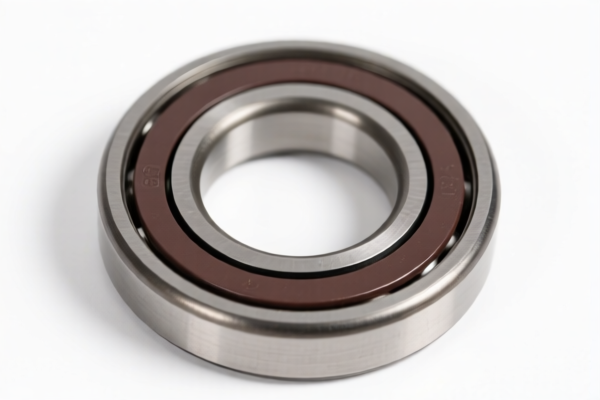
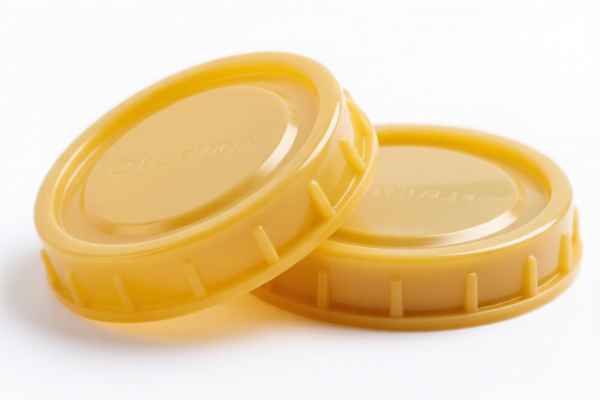
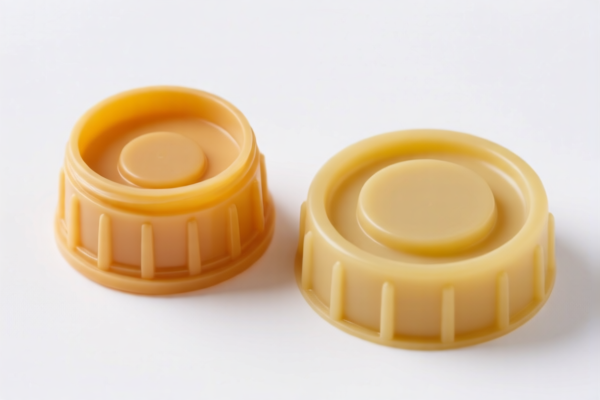
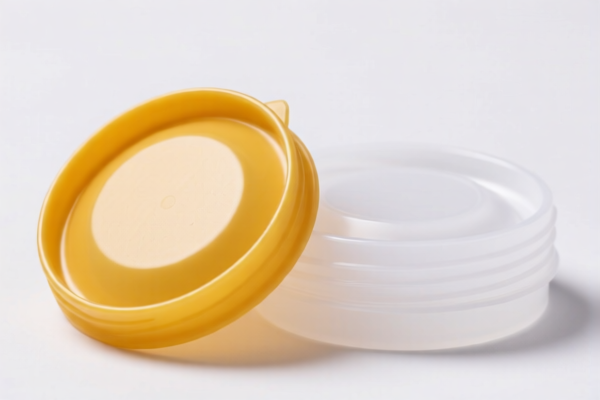
AI Analysis
🛢️ Oil Cover (Engine Oil Filler Cap / Sump Plug)
🌐 HS Code Reference & Clearance Guide | 2026 Latest Tariff Analysis | Professional Customs Strategy
📌 1. Product Definition: What is an "Oil Cover"?
The term "Oil Cover" is a generic commercial description that lacks precision in international trade. It typically refers to components used to seal oil reservoirs in machinery, most commonly found in two distinct contexts:
- Engine Oil Filler Caps: Plastic or metal caps that seal the opening where engine oil is added.
- Sump Plugs/Oil Pan Plugs: Metal or plastic plugs used to drain oil from the engine sump.
⚠️ Critical Distinction for Customs:
- If the product is a separate part (e.g., a cap bought individually), it is classified based on its material (Plastic vs. Steel) and general function (Lid/Cap).
- If the product is integral to the vehicle body or specifically designed as a vehicle part, it may fall under Chapter 87 (Vehicles).
- Most generic "Oil Covers" shipped separately are classified under Chapter 39 (Plastics) or Chapter 73 (Iron/Steel) as general fasteners/seals.
📦 2. HS Code Classification Details (Based on Provided Data)
According to the provided data, there are two main categories for "Oil Covers" based on material, with significant tariff differences due to US trade policies (Section 301 & IEEPA).
🟢 Category A: Plastic Oil Covers (Chapter 39)
Most common for filler caps due to corrosion resistance and cost.
| HS Code | Product Description | Tariff Breakdown | Total Effective Tax |
|---|---|---|---|
| 3923.10.90.00 | Plastic Lids, Caps, Stoppers (General) | Base: 3.0% + Sec 301: 25.0% + IEEPA 122: 10% | 38.0% |
| 3923.50.00.00 | Stoppers, Lids, Caps (Specific Plastic Subheading) | Base: 5.3% + Sec 301: 25.0% + IEEPA 122: 10% | 40.3% |
🔍 Analysis:
- Both plastic codes trigger the full 35% additional tariff burden (25% Sec 301 + 10% IEEPA 122).
- 3923.50.00.00 has a slightly higher base rate (5.3% vs 3.0%), making 3923.10.90.00 the slightly cheaper option if applicable, but both are heavily taxed.
🔴 Category B: Steel/Metal Oil Covers (Chapter 73 & 87)
Common for sump plugs or high-performance engine parts.
| HS Code | Product Description | Tariff Breakdown | Total Effective Tax |
|---|---|---|---|
| 7326.19.00.80 | Other Articles of Iron/Steel (General) | Base: 2.9% + Sec 301: 25.0% + IEEPA 122: 10% + Aluminum/Steel Surcharge: 50% | 87.9% |
| 7326.90.86.88 | Other Articles of Iron/Steel (Other) | Base: 2.9% + Sec 301: 25.0% + IEEPA 122: 10% + Aluminum/Steel Surcharge: 50% | 87.9% |
| 8708.29.51.60 | Vehicle Body Parts (Spares) | Base: 2.5% + Sec 301: 25.0% + IEEPA 122: 10% + Aluminum/Steel Surcharge: 50% | 2.5% + 85.0% |
| 8708.29.51.10 | Vehicle Body Parts (Spares - Specific) | Base: 2.5% + Sec 301: 25.0% + IEEPA 122: 10% | 2.5% + 35.0% |
⚠️ Critical Warning on Steel:
- Codes 7326.19.00.80, 7326.90.86.88, and 8708.29.51.60 incur an extra 50% surcharge for steel/aluminum products. This results in an effective tax rate of nearly 88%.
- Code 8708.29.51.10 is the ONLY steel-related code in the data that does NOT have the 50% surcharge, resulting in a total of 37.5% (2.5% + 35%).
💰 3. Detailed Tariff Breakdown (US Imports from China)
✅ Applicable Countries: United States (US)
✅ Origin: China (CN)
✅ Effective Time: Current (including post-2025 policies)
🎯 Scenario 1: Plastic Oil Cap (Most Common)
HS Code: 3923.10.90.00
| Item | Content |
|---|---|
| Base Duty | 3.0% |
| Section 301 Duty | +25.0% |
| IEEPA Section 122 Duty | +10.0% |
| Total Duty | 38.0% |
| Calculation | CIF Value × 38.0% |
| De Minimis Exemption | ❌ NO (Value > $800 triggers duties; even under $800, Section 301/IEEPA apply if not exempted by specific carve-outs, but typically de minimis does not apply to Section 301 goods in many interpretations for formal entries. Note: For informal entries < $800, duties may not be collected, but formal importers must pay.) |
Explanation:
- Plastic goods are subject to standard Section 301 tariffs.
- The additional 10% IEEPA tariff applies to most Chinese-origin goods under current emergency powers.
- No additional 50% surcharge applies to plastics.
🎯 Scenario 2: Steel Sump Plug (High Risk)
HS Code: 7326.19.00.80 or 7326.90.86.88
| Item | Content |
|---|---|
| Base Duty | 2.9% |
| Section 301 Duty | +25.0% |
| IEEPA Section 122 Duty | +10.0% |
| Steel/Aluminum Surcharge | +50.0% |
| Total Duty | 87.9% |
| Calculation | CIF Value × 87.9% |
Explanation:
- Steel products face a punitive 50% additional tariff on top of Section 301 and IEEPA duties.
- This makes steel oil covers extremely expensive to import into the US.
🎯 Scenario 3: Vehicle Part (Strategic Classification)
HS Code: 8708.29.51.10
| Item | Content |
|---|---|
| Base Duty | 2.5% |
| Section 301 Duty | +25.0% |
| IEEPA Section 122 Duty | +10.0% |
| Steel/Aluminum Surcharge | 0% (Exempted or not applicable in this specific subcode) |
| Total Duty | 37.5% |
Explanation:
- If the oil cover can be legally defined as a "Part of the Body" of a vehicle (e.g., integral to the chassis or body structure), it may fall under 8708.29.51.10.
- This code avoids the 50% steel surcharge, reducing the tax burden from ~88% to ~37.5%.
- Risk: Customs may reject this classification if the part is not strictly a "body part" (e.g., if it's an engine component, it might fall under 8708.99).
🛠️ 4. Customs Clearance Practical Advice
✅ 1. Preparation Checklist
| Document | Required | Notes |
|---|---|---|
| Product Specification Sheet | ✅ | Must specify material (Plastic vs. Steel) and exact function. |
| Product Photos | ✅ | Clear images showing threads, sealing rings, and overall shape. |
| Commercial Invoice | ✅ | Describe item as "Plastic Engine Oil Filler Cap" or "Steel Sump Plug". |
| Material Declaration | ✅ | Explicitly state if the product is >90% plastic or steel. |
| Part Number | ✅ | Match with OEM or aftermarket catalog numbers. |
✅ 2. Classification Strategy & Cost Saving
| Strategy | Recommendation | Potential Savings |
|---|---|---|
| Material Choice | Use Plastic if possible. | Reduces tax from 87.9% (Steel) to 38.0% (Plastic). |
| Classification | If steel, try to classify under 8708.29.51.10 (if eligible) to avoid 50% surcharge. | Saves ~50% effective tax rate. |
| De Minimis | For shipments < $800 (B2C), duties may not be collected informally, but for B2B, plan for full tax. | N/A |
✅ 3. Common Pitfalls
❌ Pitfall 1: Shipping steel oil covers under 7326 codes.
👉 Result: 87.9% tax.
💡 Fix: Verify if the part qualifies as a "Vehicle Body Part" under 8708.29.51.10 to reduce tax to 37.5%.
❌ Pitfall 2: Mislabeling Plastic as Steel to avoid "Plastic" tariffs.
👉 Result: Customs inspection reveals material mismatch → Penalties + Back Taxes.
💡 Fix: Accurate material declaration is key.
❌ Pitfall 3: Using vague terms like "Oil Cover" on Invoice.
👉 Result: Customs may assign a default high-rate HS code.
💡 Fix: Use specific terms: "Plastic Cap, Engine Oil Filler" or "Steel Plug, Oil Sump".
🌍 5. Global Market Comparison (2026)
| Market | Recommended HS Code (Plastic) | Recommended HS Code (Steel) | Notes |
|---|---|---|---|
| 🇺🇸 USA | 3923.10.90.00 (38.0%) | 8708.29.51.10 (37.5%)* | Steel 7326 codes are 87.9%. *8708.29.51.10 must be eligible. |
| 🇨🇳 China | 3923.10.90.00 (Low/Zero) | 7326.90.86.88 (Low) | No Section 301/IEEPA tariffs. |
| 🇪🇺 EU | 3923.50.00 (Varies) | 7326.90.89 (Varies) | No US-style surcharges. Check EU duty rates. |
| 🇲🇽 Mexico | 3923.10.90 (Low) | 7326.90.89 (Low) | USMCA may offer 0% if rules of origin met. |
📌 Conclusion:
- For US Imports: Plastic is significantly cheaper than General Steel (38% vs 88%).
- For US Imports: If Steel is required, strive for 8708.29.51.10 classification to avoid the 50% surcharge.
- Always Declare Material Accurately to avoid penalties.
📌 6. Final Checklist for Importers
- Identify Material: Is it Plastic or Steel?
- Identify Function: Is it a General Cap (Ch 39/73) or a Vehicle Part (Ch 87)?
- Check Surcharge: Does the HS code trigger the 50% steel/aluminum surcharge?
- Calculate Total Duty:
- Plastic: ~38%
- Steel (General): ~88%
- Steel (Vehicle Part 8708.29.51.10): ~37.5%
- Prepare Documentation: Invoice, Packing List, Material Declaration.
🎯 Pro Tip:
"If it's Steel, ask if it can be '8708'. If it's Plastic, use '3923'. Avoid '7326' for Oil Covers unless you want to pay 88% tax!"
📣 Action Item:
📞 Contact your customs broker to confirm if your specific "Oil Cover" qualifies for 8708.29.51.10 (if steel) or 3923.10.90.00 (if plastic).
🚀 Optimize your HS Code now to save up to 50% in duties!
Customer Reviews
About HS Code Classification
The Harmonized System (HS) is an internationally standardized nomenclature developed by the World Customs Organization (WCO) to classify traded products. Over 200 countries use the HS system as the basis for customs tariffs, trade statistics, and import/export regulations.
Each HS code follows a hierarchical structure:
- Chapter (2 digits) — Broad category of goods (e.g., Chapter 84: Machinery and Mechanical Appliances)
- Heading (4 digits) — More specific grouping within the chapter
- Subheading (6 digits) — Internationally standardized breakdown, used by all WCO member countries
- National subdivisions (8-10 digits) — Country-specific extensions for further classification, such as US HTSUS 10-digit codes
Correct HS code classification is essential for smooth customs clearance, accurate duty payment, and compliance with trade regulations. Misclassification can lead to customs delays, overpayment of duties, or penalties.
When importing from CN to US, the applicable tariff rates may include:
- Most-Favored-Nation (MFN) rate — The standard duty rate applied to WTO members
- General rate — Applied to countries without trade agreements
- Trade remedy duties — Additional tariffs such as Section 301 (anti-dumping), Section 232 (national security), or countervailing duties
The information provided on this page is for reference purposes only. For official classification, please consult with your local customs authority or a licensed customs broker.