Oil Drain Pan
CN → US| HS Code | Tariff Rate | Origin | Destination | Doc |
|---|---|---|---|---|
| 7323999080 | 88.4% | CN | US | Official Doc |
| 7323915040 | 15.3% | CN | US | Official Doc |
| 3923900012 | 38.0% | CN | US | Official Doc |
| 7323915040 | 15.3% | CN | US | Official Doc |
Product Images
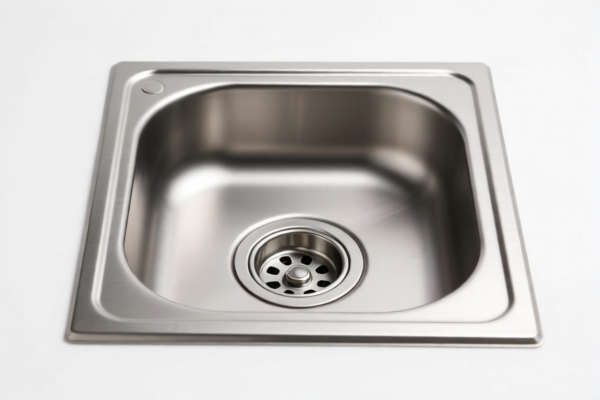
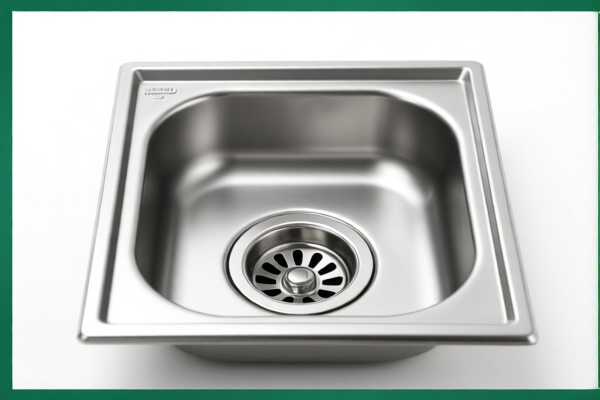
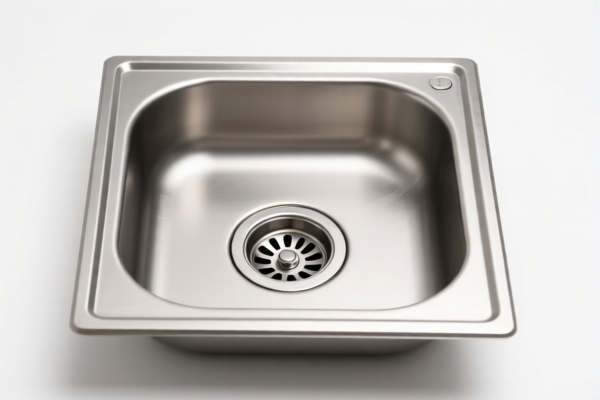
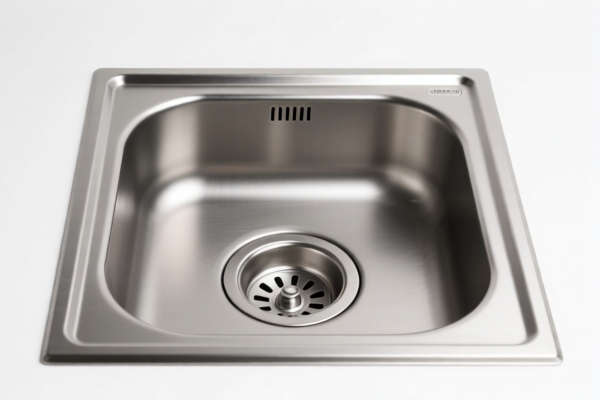
AI Analysis
🛢️ Oil Drain Pan (Automotive Parts)
🌐 HS Code Reference & Customs Clearance Guide | 2026 Latest Tariff Analysis | Professional Entry Strategy
📌 Part I: Product Definition & Classification: What exactly is an "Oil Drain Pan"?
An Oil Drain Pan is a critical component in automotive maintenance and manufacturing. It is used to catch waste oil during engine oil changes or to collect dripping fluids during assembly/testing.
International Trade Classification Logic:
In global trade, this item is primarily viewed through two lenses:
1. As an Automotive Part: Specifically designed for vehicle maintenance.
2. As a Metal Article: Typically made of iron or steel, functioning as a container/vessel.
⚠️ Key Distinction for Classification:
- If classified as a generic metal container → Falls under Chapter 73 (Articles of Iron or Steel).
- If classified as a plastic component (less common for heavy-duty pans, but possible) → Falls under Chapter 39 (Plastics).
- Note: The provided data suggests a primary assumption of Iron/Steel material due to the high tax rates associated with 122 provisions and steel tariffs.
📦 Part II: HS Code Classification Details (Based on Provided Data)
| HS Code | Product Description | Material Assumption | Applicable Scenario |
|---|---|---|---|
7323.99.90.80 |
Other articles of iron or steel (Tableware/Kitchen/Household) | Iron/Steel | Generic metal containers, heavy-duty steel pans, "catch-all" for steel articles. |
7323.91.50.40 |
Other articles of iron or steel (Enamelled Cast Iron) | Iron/Steel (Assumed Enamelled/Cast) | Metal vessels, automotive parts interpreted as metal household/industrial containers. |
3923.90.00.12 |
Articles for the conveyance or packing of goods (Plastics) | Plastic (Inferred) | Automotive parts made of plastic, general packing/conveyance articles. |
🔍 Important Note on Logic:
- The data explicitly links7323codes to "Iron/Steel" and "Container/Vessel" usage.
- The3923code is included as a "Plastic" alternative, though the summary notes it fits the "automotive spare parts" logic without material conflict.
- Crucial: The high total tax rates (88.4% and 38.0%) are driven by Section 301/122 tariffs on steel/aluminum and trade remedies, not just base duties.
💰 Part III: 2026 Latest Tariff Rate Breakdown (Detailed Tax Clauses)
✅ Applicable Jurisdiction: USA (Implied by "122 Clause" and high punitive tariffs)
✅ Origin: China (CN) (Implied by "122 Clause" and 25% Section 301 tariffs)
✅ Effective Time: Current (2025-2026 Trade War Context)
🎯 1. 7323.99.90.80 —— Steel Articles of General Utility (Highest Tariff)
| Item | Content |
|---|---|
| Base Tariff | 3.4% |
| Section 301 Surcharge | +25.0% |
| Section 122 Surcharge | +50.0% (Specific to Steel/Aluminum/Copper products under certain trade provisions) |
| Total Tax Rate | 88.4% |
| Tax Calculation | CIF Value × 88.4% |
| De Minimis Exemption | ❌ Not Eligible (High tariff items usually excluded from $800 de minimis) |
| Legal Basis Path | HTSUS:7323.99.90.80 → USITC:301 (25%) → Trade Policy:122 (Steel/Al 50%) |
📌 Explanation:
- This is the "Worst-Case Scenario" for steel automotive parts.
- The 50% Section 122 tariff is a punitive measure often applied to specific steel/aluminum imports to protect domestic metal industries.
- Total Cost Impact: For every $1,000 of goods, you pay $884 in taxes. This makes this code economically unviable for most commercial shipments unless priced with massive margins.
🎯 2. 7323.91.50.40 —— Enamelled/Cast Iron Articles (Moderate Tariff)
| Item | Content |
|---|---|
| Base Tariff | 5.3% |
| Section 301 Surcharge | 0.0% (Note: Data shows 0%, which is unusual for China origin, possibly indicating a specific exemption or data anomaly) |
| Section 122 Surcharge | +10.0% |
| Total Tax Rate | 15.3% |
| Tax Calculation | CIF Value × 15.3% |
| De Minimis Exemption | ❌ Likely Not Eligible |
| Legal Basis Path | HTSUS:7323.91.50.40 → Trade Policy:122 (10%) |
📌 Explanation:
- This code assumes the pan is "Enamelled Cast Iron".
- The 10% Section 122 tariff is significantly lower than the 50% rate.
- Total Cost Impact: For every $1,000 of goods, you pay $153 in taxes. This is a much more viable option if the product material matches "Enamelled Cast Iron."
- ⚠️ Risk: If customs inspectors determine the pan is not enamelled cast iron but plain steel, they may reclassify it to7323.99.90.80, triggering the 88.4% rate.
🎯 3. 3923.90.00.12 —— Plastic Articles for Packing/Conveyance (High Tariff)
| Item | Content |
|---|---|
| Base Tariff | 3.0% |
| Section 301 Surcharge | +25.0% |
| Section 122 Surcharge | +10.0% |
| Total Tax Rate | 38.0% |
| Tax Calculation | CIF Value × 38.0% |
| De Minimis Exemption | ❌ Likely Not Eligible |
| Legal Basis Path | HTSUS:3923.90.00.12 → USITC:301 (25%) → Trade Policy:122 (10%) |
📌 Explanation:
- This applies if the Oil Drain Pan is made of Plastic (e.g., high-temp polypropylene).
- Total Cost Impact: For every $1,000 of goods, you pay $380 in taxes.
- ⚠️ Risk: If the product is actually steel but declared as plastic to avoid steel tariffs, this constitutes fraud. Customs use X-rays and material tests to verify. If found, penalties will be severe.
🛠️ Part IV: Customs Clearance Practical Advice (Pitfall Avoidance Guide)
✅ 1. Material Verification is Critical (Do NOT Guess!)
| Material | Recommended HS Code | Risk Level |
|---|---|---|
| Steel (Plain/Uncoated) | 7323.99.90.80 |
🔴 HIGH (88.4% Tax) |
| Enamelled Cast Iron | 7323.91.50.40 |
🟢 LOW (15.3% Tax) |
| Plastic (High-Temp) | 3923.90.00.12 |
🟡 MEDIUM (38.0% Tax) |
🔥 Golden Rule:
"Material Defines the Code. Tax Defines the Profit."
- If your pan is Steel, you face an 88.4% tax burden unless you can prove it qualifies for a specific exemption (rare).
- If your pan is Enamelled Cast Iron, you save $73.1 per $1,000 compared to plain steel.
✅ 2. Documentation Requirements (Must-Have)
| Document | Purpose |
|---|---|
| ✅ Material Composition Certificate | Proves if the pan is Steel, Cast Iron, or Plastic. Critical for avoiding reclassification. |
| ✅ Product Photos (Clear) | Show the surface texture. Is it shiny (steel)? Glossy white (enamel)? Matte (plastic)? |
| ✅ Bill of Lading & Invoice | Must match the declared HS Code. Description should be precise: "Enamelled Cast Iron Oil Drain Pan" vs. "Steel Oil Drain Pan." |
| ✅ Section 122 Compliance Letter | If claiming the 10% rate under 7323.91.50.40, ensure it meets the specific "enamel" definition under trade policy. |
✅ 3. Strategic Declaration Tips
| Scenario | Correct Action | Wrong Action |
|---|---|---|
| Pan is Steel | Declare as 7323.99.90.80. Accept the 88.4% cost or find a duty-exempt origin (e.g., Vietnam, if rules of origin allow). |
Declare as Plastic (3923...) → Fraud Risk! |
| Pan is Enamelled Cast Iron | Declare as 7323.91.50.40. Highlight "Enamelled" in the product description. |
Declare as Plain Steel → Overpaying 73.1% in taxes! |
| Pan is Plastic | Declare as 3923.90.00.12. Ensure it’s not a "packaging" item but a "part." |
Declare as a "Packaging Box" → Misclassification Risk. |
📌 Pro Tip:
- Pre-Ruling Application: Before shipping, apply for an ISF (Importer Security Filing) pre-clearance or Advance Ruling from CBP. Submit material samples/photos to get a binding decision on the HS Code. This protects you from post-audit penalties.
🌍 Part V: Global Market Comparison (2026)
| Market | HS Code | Base Duty | US Surcharges (China Origin) | Total Est. Tax |
|---|---|---|---|---|
| 🇺🇸 USA | 7323.99.90.80 |
3.4% | +25% (301) + 50% (122) | 88.4% |
| 🇺🇸 USA | 7323.91.50.40 |
5.3% | 0% (301) + 10% (122) | 15.3% |
| 🇺🇸 USA | 3923.90.00.12 |
3.0% | +25% (301) + 10% (122) | 38.0% |
| 🇪🇺 EU | Similar Codes | ~5-6% | None (Standard MFN) | ~6% |
| 🇨🇳 China | Similar Codes | ~5-10% | None | ~10% |
📌 Conclusion:
- The US market is extremely hostile to steel automotive parts from China due to Section 122 and 301 tariffs.
- Enamelled Cast Iron (7323.91.50.40) offers the lowest duty path (15.3%) among the steel/plastic options provided.
- Strategic Recommendation: If possible, shift production to a non-China origin (e.g., Vietnam, Mexico) to avoid all US surcharges, or re-engineer the product to be Enamelled Cast Iron to leverage the lower 10% Section 122 rate.
📌 Part VI: Common Mistakes & Pitfalls
❌ Mistake 1: Calling it a "Kitchen Pan" to avoid "Automotive Part" scrutiny.
👉 Result: Customs may still apply automotive-related trade remedies if the use is obvious.
❌ Mistake 2: Declaring "Steel" but using 3923 (Plastic) to save tax.
👉 Result: Fraud. CBP will test the material. Penalty: 3x the evaded duty + seizure.
❌ Mistake 3: Assuming all steel articles have the same tariff.
👉 Result: Confusing 7323.99 (Plain Steel, 88.4%) with 7323.91 (Enamelled, 15.3%). This is a $73,000 difference per $1M shipment.
✅ Correct Approach:
"Identify Material → Match HS Code → Calculate Total Duty (Base + 301 + 122) → Apply for Pre-Ruling."
🎯 Part VII: Conclusion: Professional Clearance, Cost Efficiency
🎯 Remember the Mantra:
🔹 "Steel is Expensive (88%), Enamel is Cheap (15%), Plastic is Middle (38%)."
🔹 "Section 122 kills Steel margins; Enamel saves them."
📌 Final Advice:
Given the 88.4% tax on plain steel oil drain pans from China, it is highly recommended to:
1. Verify Material: Can the pan be made of or coated as Enamelled Cast Iron?
2. Supply Chain Shift: Source from Vietnam or Mexico to bypass US surcharges.
3. Legal Review: Consult a customs attorney to confirm if your specific product fits the "Enamelled Cast Iron" definition for 7323.91.50.40.
✨ Professional Customs Clearance Starts with Precise Classification!
💼 Every Percentage Point of Tax is a Point of Profit Lost!
Customer Reviews
About HS Code Classification
The Harmonized System (HS) is an internationally standardized nomenclature developed by the World Customs Organization (WCO) to classify traded products. Over 200 countries use the HS system as the basis for customs tariffs, trade statistics, and import/export regulations.
Each HS code follows a hierarchical structure:
- Chapter (2 digits) — Broad category of goods (e.g., Chapter 84: Machinery and Mechanical Appliances)
- Heading (4 digits) — More specific grouping within the chapter
- Subheading (6 digits) — Internationally standardized breakdown, used by all WCO member countries
- National subdivisions (8-10 digits) — Country-specific extensions for further classification, such as US HTSUS 10-digit codes
Correct HS code classification is essential for smooth customs clearance, accurate duty payment, and compliance with trade regulations. Misclassification can lead to customs delays, overpayment of duties, or penalties.
When importing from CN to US, the applicable tariff rates may include:
- Most-Favored-Nation (MFN) rate — The standard duty rate applied to WTO members
- General rate — Applied to countries without trade agreements
- Trade remedy duties — Additional tariffs such as Section 301 (anti-dumping), Section 232 (national security), or countervailing duties
The information provided on this page is for reference purposes only. For official classification, please consult with your local customs authority or a licensed customs broker.