Oil Drum Bag
CN → US| HS Code | Tariff Rate | Origin | Destination | Doc |
|---|---|---|---|---|
| 6307909891 | 24.5% | CN | US | Official Doc |
| 3926901000 | 20.9% | CN | US | Official Doc |
| 4202923131 | 52.6% | CN | US | Official Doc |
| 7326908688 | 87.9% | CN | US | Official Doc |
| 6307908940 | 17.0% | CN | US | Official Doc |
| 3926903300 | 16.5% | CN | US | Official Doc |
Product Images
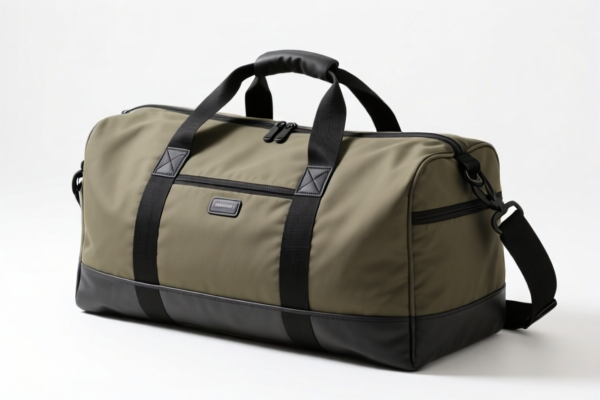
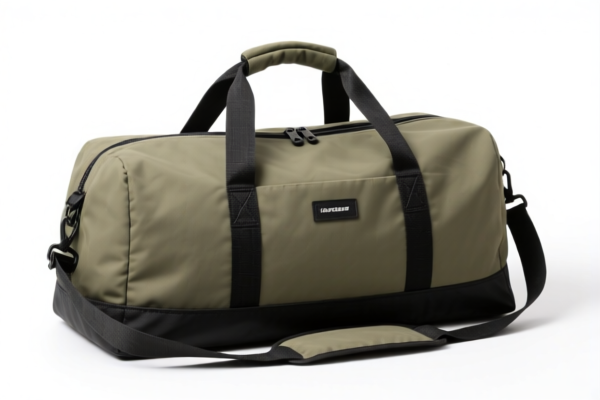
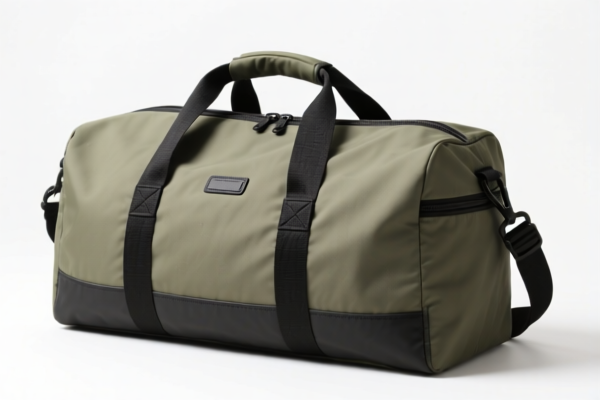

AI Analysis
🛢️ Oil Drum Bag (Oil Drum Carrier / Drum Dolly Bag)
🌐 HS Code Reference & Customs Clearance Guide | 2024/2025 Latest Tariff Analysis | Professional Clearance Strategy
📌 I. Product Definition & Classification: What Exactly is an "Oil Drum Bag"?
An "Oil Drum Bag" is typically a heavy-duty, flexible container designed to carry, transport, or temporarily store small amounts of liquid (like oil samples, solvents, or chemicals) in a drum-like shape, OR it refers to a protective cover/bag for a 55-gallon drum. However, in the context of international trade HS Code inference, it is most often categorized based on its primary function:
- As a Container/Bag: A flexible, non-rigid receptacle made of fabric, plastic, or coated material, used for carrying goods.
- As a Drum Cover: A protective sleeve for rigid drums (usually classified as part of the drum or general industrial supplies).
- As a Specific Industrial Tool: Sometimes, these "bags" are actually soft-sided dollies or carriers.
⚠️ Key Distinction Point:
- If the item is a flexible bag/sack made of textiles or plastics, used for carrying/transporting goods (even if drum-shaped): It falls under Chapter 42 (Leather Goods) or Chapter 39 (Plastics).
- If the item is a rigid metal container shaped like a drum: It falls under Chapter 73 (Iron/Steel).
- If the item is a protective cover (not a container itself): It may fall under Chapter 63 (Other Made-up Articles) or Chapter 39 (Plastic Articles).
Based on the provided data, the most likely classifications are Bags/Containers (Textile or Plastic) or Metal Containers, with Textile/Travel Bags being the most common interpretation for "Bag" terminology in customs if it’s not a rigid drum.
📦 II. HS Code Classification Details (Latest Tariff Alignment)
| HS Code | Product Description | Material/Shape Inference | Total Tax Rate |
|---|---|---|---|
| 4202.92.31.31 | Travel, Sports & Similar Bags (Other bags with outer surface of textile materials or man-made fiber) |
Textile/Fabric Flexible, soft-sided carrier bag. Matches "兜底" (fallback) logic for textile bags not specified elsewhere. |
52.6% |
| 7326.90.86.88 | Other Articles of Iron/Steel (Other articles of iron or steel) |
Metal (Steel/Iron) Rigid or semi-rigid drum-shaped container. If the "bag" is actually a metal drum carrier or a metal drum itself. |
87.9% |
| 3926.90.33.00 | Other Plastic Articles (Bags, sacks, containers of plastics, for carrying goods) |
Plastic/Synthetic Flexible plastic bag or drum cover. Matches "bucket/drum" logic in plastics chapter. |
16.5% |
| 6307.90.89.40 | Other Made-up Articles (Other finished articles, incl. protective covers) |
Non-Textile/Other Generic made-up article, possibly a protective cover or specialized bag not classified elsewhere. |
17.0% |
| 6307.90.98.91 | Other Made-up Articles (Other finished articles, incl. containers) |
Textile/Other Mix General-purpose made-up bag/container, fallback category. |
24.5% |
| 3926.90.10.00 | Other Plastic Articles (Plastic buckets, drums, and similar containers) |
Plastic/Rigid Specifically plastic drums or buckets. If the "bag" is a flexible plastic drum liner. |
20.9% |
🔍 Key Insight:
- Highest Tax Risk:7326.90.86.88(Metal) at 87.9% due to heavy steel tariffs.
- Lowest Tax Option:3926.90.33.00(Plastic Bag) at 16.5% or6307.90.89.40(Other Made-up) at 17.0%.
- Most Likely for "Bag": If it’s a soft, fabric/plastic carrier,4202.92.31.31(52.6%) or3926.90.33.00(16.5%) are the primary contenders depending on material.
💰 III. 2024/2025 Latest Tariff Rate Breakdown (Including Additional Duties)
✅ Applicable Country: United States (US)
✅ Origin: China (CN)
✅ Effective Date: Current US Trade Policy (Section 301, 122, IEEPA)
🎯 1. 4202.92.31.31 — Travel/Sports Bag (Textile)
| Item | Details |
|---|---|
| Base Duty | 17.6% |
| Section 301 Additional Duty | +25.0% |
| IEEPA 122 Clause Duty | +10.0% |
| Total Tax Rate | 52.6% |
| Calculation Basis | CIF Value × 52.6% |
| De Minimis Exemption? | ❌ No (Not eligible for Section 321) |
| Legal Path | USITC:4202.92.31.31 → FOOTNOTE:301.9904.10 → IEEPA:9903.01.24 |
📌 Note:
- This is a high-tax classification for textile bags.
- The 25% Section 301 tariff applies to most Chinese textile bags.
- The 10% IEEPA tariff is a recent addition for many consumer goods.
🎯 2. 7326.90.86.88 — Metal Article (Steel/Drum)
| Item | Details |
|---|---|
| Base Duty | 2.9% |
| Section 301 Additional Duty | +25.0% |
| Steel/Aluminum/Copper Additional Duty | +50.0% |
| IEEPA 122 Clause Duty | +10.0% |
| Total Tax Rate | 87.9% |
| Calculation Basis | CIF Value × 87.9% |
| De Minimis Exemption? | ❌ No |
| Legal Path | USITC:7326.90.86.88 → FOOTNOTE:9905.01.00 (Steel) → IEEPA:9903.01.24 |
📌 Note:
- This is the most expensive classification.
- The 50% Steel Surcharge is critical if the product is considered "steel article."
- Avoid this if the product is not purely metal.
🎯 3. 3926.90.33.00 — Plastic Bag/Container
| Item | Details |
|---|---|
| Base Duty | 6.5% |
| Section 301 Additional Duty | 0.0% |
| IEEPA 122 Clause Duty | +10.0% |
| Total Tax Rate | 16.5% |
| Calculation Basis | CIF Value × 16.5% |
| De Minimis Exemption? | ❌ No (Plastics may have different thresholds) |
| Legal Path | USITC:3926.90.33.00 → IEEPA:9903.01.24 |
📌 Note:
- This is a low-tax option.
- No Section 301 additional duty for this specific plastic subheading (check latest updates).
- Best choice if the product is a plastic bag or liner.
🎯 4. 6307.90.89.40 — Other Made-up Article
| Item | Details |
|---|---|
| Base Duty | 7.0% |
| Section 301 Additional Duty | 0.0% |
| IEEPA 122 Clause Duty | +10.0% |
| Total Tax Rate | 17.0% |
| Calculation Basis | CIF Value × 17.0% |
| De Minimis Exemption? | ❌ No |
| Legal Path | USITC:6307.90.89.40 → IEEPA:9903.01.24 |
📌 Note:
- Also a low-tax option.
- Suitable for generic "made-up articles" if it doesn’t fit neatly into textile or plastic bag categories.
🛠️ IV. Customs Clearance Practical Advice (Real-World Pitfalls Guide)
✅ 1. Preparation Checklist (Non-Negotiable)
| Document | Required | Purpose |
|---|---|---|
| ✅ Product Photos | ✔️ | Show material (fabric, plastic, metal), shape, and any labels. |
| ✅ Material Composition Sheet | ✔️ | Specify % of cotton, polyester, plastic, steel, etc. |
| ✅ Function Description | ✔️ | Is it for carrying? Storing? Covering? |
| ✅ Commercial Invoice | ✔️ | Clear description: "Oil Drum Carrier Bag, Textile, 50L Capacity" |
| ✅ Packing List | ✔️ | Weight, dimensions, volume. |
| ✅ HS Code Pre-Ruling | ✔️ | Highly Recommended to avoid classification disputes. |
✅ 2. Declaration Tips (Key Mantras)
🔥 "Material Defines HS, Function Defines Subheading, Name Must Match!"
| Scenario | Correct Declaration | Wrong Declaration |
|---|---|---|
| Textile Bag | "Textile Oil Drum Carrier Bag" → 4202.92.31.31 (52.6%) or 6307.90.89.40 (17.0%) |
"Metal Drum" → 7326.90.86.88 (87.9%) |
| Plastic Bag/Liner | "Plastic Oil Drum Liner" → 3926.90.33.00 (16.5%) |
"Fabric Bag" → Misclassification |
| Metal Drum | "Steel Oil Drum" → 7326.90.86.88 (87.9%) |
"Bag" → Risk of penalty |
| Generic Cover | "Protective Cover for Drum" → 6307.90.98.91 (24.5%) |
"Container" → Higher tax |
✅ 3. Special Cases
| Case | Handling Advice |
|---|---|
| Composite Material (e.g., Plastic-Coated Fabric) | Declare based on essential character. If plastic coating is dominant, consider 3926.90.33.00 (16.5%). |
| With Handles/Wheels (Dolly) | If it’s a wheeled dolly, it may be classified as a cart under 8716.80.00.00 (check current rate). |
| Small Sample Bags | If very small (<5L), ensure it’s not misdeclared as "industrial drum." |
| Reusable vs. Disposable | Reusable bags are more likely to be 4202 or 6307. Disposable liners are 3926. |
🌍 V. Global Market Comparison (2024/2025)
| Country/Region | Recommended HS Code | Tax Rate | Certification | Notes |
|---|---|---|---|---|
| 🇺🇸 USA | 3926.90.33.00 |
16.5% | None | Lowest tax if plastic. Avoid 7326 (87.9%). |
| 🇨🇳 China | 3926.90.33.00 |
~6.5% | None | Lower base duty. |
| 🇪🇺 EU | 4202.92.31.31 |
0-12% | REACH | No Section 301/IEEPA. |
| 🇬🇧 UK | 4202.92.31.31 |
0-12% | UKCA | Post-Brexit rules apply. |
| 🇦🇺 Australia | 4202.92.31.31 |
5% | None | Low tax. |
📌 Conclusion:
- USA is the most challenging market due to Section 301 and IEEPA tariffs.
- Plastic or General Made-up Article classifications offer the lowest tax burden (16.5%–17.0%).
- Textile Bags face 52.6% tax.
- Metal Drums face 87.9% tax. Avoid if possible.
📌 VI. Common Mistakes & Pitfalls (Lessons Learned)
❌ Mistake 1: Declaring a plastic liner as a "Textile Bag"
👉 Consequence: Tax jumps from 16.5% to 52.6%. Avoid!
❌ Mistake 2: Declaring a steel drum as a "Bag"
👉 Consequence: Customs may reclassify it as 7326.90.86.88 (87.9%) + penalties.
❌ Mistake 3: Using vague terms like "Oil Container" without specifying material
👉 Consequence: Customs will choose the highest possible tax category.
❌ Mistake 4: Ignoring the 122 Clause IEEPA 10% tariff
👉 Consequence: Underpayment of duties, delays, and audits.
✅ Best Practice:
"Specify Material: 'Plastic-Coated Textile Oil Drum Carrier, 50L, Reusable, Model XYZ'"
Use Pre-Ruling to confirm if3926.90.33.00(16.5%) or6307.90.89.40(17.0%) is more appropriate for your specific design.
🎯 VII. Conclusion: Smart Classification, Cost Savings
🎯 Key Takeaways:
🔹 Plastic/General Made-up = Low Tax (16.5%–17.0%)
🔹 Textile Bags = High Tax (52.6%)
🔹 Metal Drums = Very High Tax (87.9%)
🎯 Action Plan:
1. Confirm Material: Is it plastic, textile, or metal?
2. Choose Low-Tax HS Code: Aim for 3926.90.33.00 or 6307.90.89.40.
3. Apply for Pre-Ruling: Avoid surprises.
4. Declare Precisely: Include material, capacity, and use.
📌 Pro Tip:
If your product is a plastic drum liner, it is almost certainly 3926.90.33.00 (16.5%). If it’s a fabric carrier, it’s 4202.92.31.31 (52.6%) unless it can be argued as a generic "made-up article" (6307.90.89.40, 17.0%). Always opt for the lower tax if compliant.
📣 Immediate Action:
📞 Consult your customs broker.
📄 Submit product specs for HS Code Pre-Ruling.
🚀 Optimize your supply chain to minimize tariff impact.
✨ Precision in Classification, Profit in Clearance!
💼 Every percentage point matters in international trade.
Customer Reviews
About HS Code Classification
The Harmonized System (HS) is an internationally standardized nomenclature developed by the World Customs Organization (WCO) to classify traded products. Over 200 countries use the HS system as the basis for customs tariffs, trade statistics, and import/export regulations.
Each HS code follows a hierarchical structure:
- Chapter (2 digits) — Broad category of goods (e.g., Chapter 84: Machinery and Mechanical Appliances)
- Heading (4 digits) — More specific grouping within the chapter
- Subheading (6 digits) — Internationally standardized breakdown, used by all WCO member countries
- National subdivisions (8-10 digits) — Country-specific extensions for further classification, such as US HTSUS 10-digit codes
Correct HS code classification is essential for smooth customs clearance, accurate duty payment, and compliance with trade regulations. Misclassification can lead to customs delays, overpayment of duties, or penalties.
When importing from CN to US, the applicable tariff rates may include:
- Most-Favored-Nation (MFN) rate — The standard duty rate applied to WTO members
- General rate — Applied to countries without trade agreements
- Trade remedy duties — Additional tariffs such as Section 301 (anti-dumping), Section 232 (national security), or countervailing duties
The information provided on this page is for reference purposes only. For official classification, please consult with your local customs authority or a licensed customs broker.