Oil Paper
CN → US| HS Code | Tariff Rate | Origin | Destination | Doc |
|---|---|---|---|---|
| 4823908680 | 35.0% | CN | US | Official Doc |
| 4818200040 | 35.0% | CN | US | Official Doc |
| 4818900080 | 17.5% | CN | US | Official Doc |
| 4823908000 | 35.0% | CN | US | Official Doc |
| 3921904090 | 39.2% | CN | US | Official Doc |
Product Images
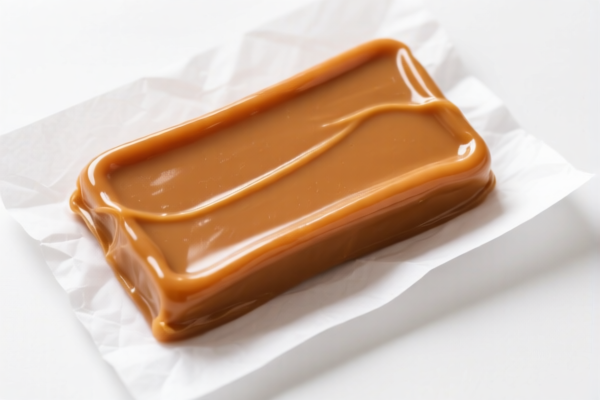
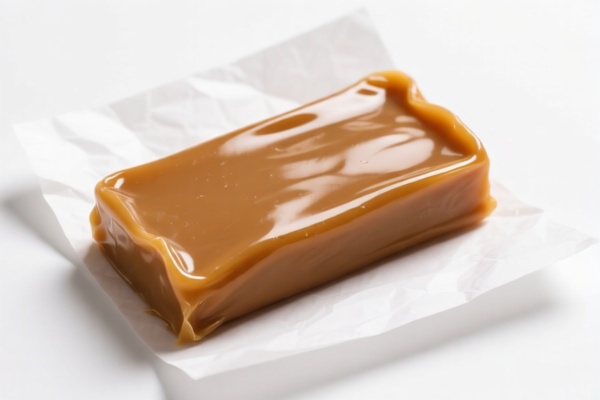
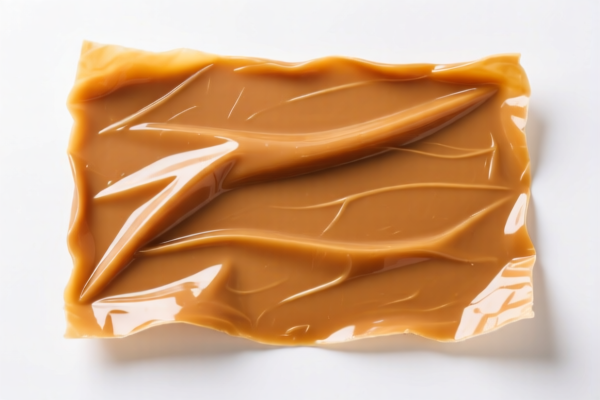

AI Analysis
🌸 Oil Blotting Paper: HS Code Classification & US Customs Clearance Guide
🌐 HS Code Reference & Customs Strategy | 2026 Latest Tariff Analysis | Professional Clearance Guide
📌 I. Product Definition & Classification: What Exactly is "Oil Paper" in Trade?
Oil Blotting Paper (吸油纸) is primarily used in cosmetic and personal care industries to absorb facial sebum, or in industrial settings for absorbing oils and lubricants. In international trade, its classification depends entirely on material composition and specific application.
It is generally categorized under Chapter 48 (Paper and Paperboard) or Chapter 39 (Plastics and articles thereof) if coated or made of plastic films.
⚠️ Key Distinction:
- If made of paper/cellulose for cosmetic use → Chapter 48
- If made of plastic film/coated for industrial or specific cosmetic use → Chapter 39
- Do not misclassify plastic-based oil papers as "paper" to avoid higher tariffs or customs rejection.
📦 II. HS Code Classification Details (2026 Latest Tariff Database)
Based on current customs data and classification summaries, here are the 5 most common HS Codes for Oil Blotting Paper, along with their tax implications.
| HS Code | Product Description | Material Type | Total Tax Rate (US) | Key Tax Components |
|---|---|---|---|---|
| 4818.20.00.40 | Facial Tissue / Absorbent Paper | Paper-based, for facial oil absorption | 35.0% | Base: 0%, Add-on: 25%, Section 301: 10% |
| 4818.90.00.80 | Other Paper Products for Cleaning/Hygiene | Paper sheets, consumable, for hygiene/cleaning | 17.5% | Base: 0%, Add-on: 7.5%, Section 301: 10% |
| 4823.90.86.80 | Other Paper Products (Miscellaneous) | Paper/fibrous cotton, general purpose | 35.0% | Base: 0%, Add-on: 25%, Section 301: 10% |
| 4823.90.80.00 | Functional Consumable Paper Items | Paper-based, functional oil absorption | 35.0% | Base: 0%, Add-on: 25%, Section 301: 10% |
| 3921.90.40.90 | Plastic Films & Sheets (Other) | Plastic film or plastic-coated paper | 39.2% | Base: 4.2%, Add-on: 25%, Section 301: 10% |
🔍 Critical Insight:
- 4818.20.00.40 is the most precise code for cosmetic facial oil blotting sheets made of paper.
- 4818.90.00.80 offers a lower tax rate (17.5%) but may be scrutinized if the product is clearly for cosmetic facial use rather than general cleaning/hygiene.
- 3921.90.40.90 applies if the paper has a plastic coating or is made of non-woven plastic fibers. This has the highest base tax (4.2%) plus standard tariffs.
💰 III. 2026 Latest Tariff Rate Breakdown (Detailed Tax Analysis)
✅ Applicable Country: United States (US)
✅ Origin: China (CN)
✅ Effective Date: November 10, 2025 (for imports after this date)
🎯 1. 4818.20.00.40 —— Cosmetic Facial Tissue (Paper-based Oil Blotting Sheets)
| Item | Details |
|---|---|
| Base Tariff | 0% (ad valorem) |
| USITC Add-on Tariff (Section 301) | +25% |
| IEEPA Add-on Tariff | +10% |
| Total Tax Rate | 35.0% |
| Tax Calculation | CIF Value × 35% |
| De Minimis Exemption Eligible? | ❌ NO (Denied for Section 301 goods) |
| Legal Basis Path | IEEPA:9903.01.25 → USITC:4818.20.00.40 → FOOTNOTE:9903.88.01 |
📌 Explanation:
- This code is specifically for "facial tissue". If your oil blotting paper is marketed as a beauty/cosmetic item, this is the safest classification.
- The 25% Section 301 tariff is significant. Combined with the 10% IEEPA tariff, the total cost increases substantially.
🎯 2. 4818.90.00.80 —— Other Paper Products (Cleaning/Hygiene Purpose)
| Item | Details |
|---|---|
| Base Tariff | 0% |
| USITC Add-on Tariff (Section 301) | +7.5% |
| IEEPA Add-on Tariff | +10% |
| Total Tax Rate | 17.5% |
| Tax Calculation | CIF Value × 17.5% |
| De Minimis Exemption Eligible? | ❌ NO (Denied for Section 301 goods) |
| Legal Basis Path | IEEPA:9901.25 → USITC:4818.90.00.80 → FOOTNOTE:9903.01.24 |
📌 Strategy:
- If the product can be argued as "general cleaning wipes" or "hygiene consumables" rather than "facial tissue," you may apply this code.
- Risk: Customs may challenge this if packaging clearly indicates "Cosmetic/Facial Use." Misclassification can lead to audits and back-taxes.
🎯 3. 4823.90.86.80 & 4823.90.80.00 —— Miscellaneous Paper Products
| Item | Details |
|---|---|
| Base Tariff | 0% |
| USITC Add-on Tariff (Section 301) | +25% |
| IEEPA Add-on Tariff | +10% |
| Total Tax Rate | 35.0% |
| Tax Calculation | CIF Value × 35% |
| De Minimis Exemption Eligible? | ❌ NO |
📌 Note:
- These codes are "other paper products". They are less specific than4818.20.00.40and may attract more customs scrutiny.
- Use only if the product doesn't fit neatly into "facial tissue" or "cleaning paper."
🎯 4. 3921.90.40.90 —— Plastic Films & Sheets
| Item | Details |
|---|---|
| Base Tariff | 4.2% |
| USITC Add-on Tariff (Section 301) | +25% |
| IEEPA Add-on Tariff | +10% |
| Total Tax Rate | 39.2% |
| Tax Calculation | CIF Value × 39.2% |
| De Minimis Exemption Eligible? | ❌ NO |
📌 Caution:
- If your oil blotting paper is plastic-coated, non-woven synthetic fiber, or plastic film-based, it falls here.
- This has the highest total tax rate (39.2%) due to the 4.2% base tariff.
- Do not misdeclare plastic-based products as paper to avoid this rate; customs checks are strict on material composition.
🛠️ IV. Customs Clearance Practical Advice (Avoid Pitfalls)
✅ 1. Required Documentation Checklist
| Document | Must Provide | Purpose |
|---|---|---|
| ✅ Product Specification Sheet | ✔️ | Detail material (paper vs. plastic), size, weight, quantity per pack |
| ✅ Material Composition Report | ✔️ | Explicitly state if "100% Paper," "Plastic-Coated," or "Non-woven Synthetic" |
| ✅ Product Photos (Label & Packaging) | ✔️ | Show usage instructions: "Facial Oil Control" vs. "General Cleaning" |
| ✅ Commercial Invoice | ✔️ | Clearly state HS Code and description matching the selected code |
| ✅ Packing List | ✔️ | Indicate if products are for personal/cosmetic use or industrial/cleaning use |
| ✅ Certificate of Origin (CO) | ✔️ | Confirm China origin to verify Section 301 applicability |
✅ 2. Declaration Strategy (Key Tips)
🔥 "Material Determines HS, Use Determines Code, Accuracy Saves Money!"
| Scenario | Correct Declaration | Incorrect Declaration | Consequence |
|---|---|---|---|
| Cosmetic Facial Oil Blotting Sheets (Paper) | 4818.20.00.40 |
4818.90.00.80 |
Risk of audit; possible back-tax difference (17.5% vs 35%) |
| General Paper Wipes (Cleaning) | 4818.90.00.80 |
4818.20.00.40 |
Overpaying tax (35% instead of 17.5%) |
| Plastic-Coated Oil Blotting Sheets | 3921.90.40.90 |
4823.90.80.00 |
Severe penalty for misclassification; potential seizure |
| Mixed Paper/Plastic Packaging | Separate declaration | Combined | Customs may reject mixed packaging; declare items separately |
✅ 3. Special Cases & Risk Management
| Situation | Handling Advice |
|---|---|
| OEM/White Label Products | Provide client contract + design specs to prove intended use (cosmetic vs. cleaning) |
| Plastic-Coated Paper | Must use 3921.90.40.90. Do not claim as paper. |
| De Minimis (Section 321) Import | ❌ Not Eligible. All listed HS codes are subject to Section 301 tariffs, which deny de minimis exemption. |
| Pre-Ruling Request | ✅ Highly Recommended. Submit an Advance Ruling to CBP for complex material compositions (e.g., paper with thin plastic coating). |
🌍 V. Global Market Comparison (2026)
| Country/Region | Recommended HS Code | Estimated Total Tax | Certification Requirements | Notes |
|---|---|---|---|---|
| 🇺🇸 USA | 4818.20.00.40 |
35.0% | FDA (if cosmetic claim), CPSIA | Section 301 + IEEPA applies |
| 🇨🇳 China | 4818.20.00.40 |
~5-10% | CCC (if applicable) | No Section 301 tariffs |
| 🇪🇺 EU | 4818.20.00.40 |
~6.5% | REACH, Cosmetics Regulation (EC) No 1223/2009 | No Section 301 tariffs |
| 🇬🇧 UK | 4818.20.00.40 |
~6.5% | UKCA, Cosmetics Regulation | Post-Brexit rules apply |
| 🇦🇺 Australia | 4818.20.00.40 |
~5% | TGA (if therapeutic claim) | No Section 301 tariffs |
📌 Conclusion:
- USA is the most expensive market for oil blotting paper due to Section 301 (25%) and IEEPA (10%) tariffs.
- Total tax can reach 35-39.2%, significantly impacting profit margins.
- EU/UK/Australia offer much lower tariff structures, making them more attractive for high-volume export if US tariffs are prohibitive.
📌 VI. Common Mistakes & Pitfalls (Lessons Learned)
❌ Mistake 1: Declaring plastic-coated oil paper as paper (4818...)
👉 Consequence: Customs reclassifies to 3921... with 39.2% tax. Back-taxes + penalties!
❌ Mistake 2: Using 4818.90.00.80 (17.5%) for cosmetic facial sheets
👉 Consequence: Customs argues it's "facial tissue" (4818.20.00.40). Underpayment of 17.5% → Audit & fines.
❌ Mistake 3: Assuming De Minimis applies to small shipments
👉 Consequence: Section 301 goods are excluded from de minimis. All shipments are taxed, regardless of value.
❌ Mistake 4: Vague description "Paper for Oil Absorption"
👉 Consequence: Customs delays for classification review. Supply chain disruption.
✅ Correct Approach:
"Facial Oil Blotting Sheets, 100% Wood Pulp Paper, Unscented, Cosmetic Use, 100 Sheets/Pack, Model XYZ"
🎯 VII. Conclusion: Professional Declaration, Maximize Profit, Minimize Risk
🎯 Remember:
🔹 "Material is King, Use is Queen, Tariffs are the Taxman!"
🔹 "US Market: 35-39% Tax. Plan Ahead or Pivot Supply Chain!"
🔹 "Pre-Ruling is Your Best Friend for Complex Materials!"
📌 Pro Tip:
If your oil blotting paper is originating from Vietnam, Thailand, or Malaysia, you may avoid Section 301 tariffs. Ensure proper Certificate of Origin and substantial transformation documentation to claim lower duty rates.
📣 Immediate Action:
📞 Consult a licensed customs broker + Provide material specs + Apply for HS Code Advance Ruling
🚀 Ensure smooth US customs clearance, optimize landed cost, and boost profitability!
✨ Professional Customs Clearance Starts with Accurate Classification!
💼 Every Dollar of Tax Saved is Pure Profit!
Customer Reviews
About HS Code Classification
The Harmonized System (HS) is an internationally standardized nomenclature developed by the World Customs Organization (WCO) to classify traded products. Over 200 countries use the HS system as the basis for customs tariffs, trade statistics, and import/export regulations.
Each HS code follows a hierarchical structure:
- Chapter (2 digits) — Broad category of goods (e.g., Chapter 84: Machinery and Mechanical Appliances)
- Heading (4 digits) — More specific grouping within the chapter
- Subheading (6 digits) — Internationally standardized breakdown, used by all WCO member countries
- National subdivisions (8-10 digits) — Country-specific extensions for further classification, such as US HTSUS 10-digit codes
Correct HS code classification is essential for smooth customs clearance, accurate duty payment, and compliance with trade regulations. Misclassification can lead to customs delays, overpayment of duties, or penalties.
When importing from CN to US, the applicable tariff rates may include:
- Most-Favored-Nation (MFN) rate — The standard duty rate applied to WTO members
- General rate — Applied to countries without trade agreements
- Trade remedy duties — Additional tariffs such as Section 301 (anti-dumping), Section 232 (national security), or countervailing duties
The information provided on this page is for reference purposes only. For official classification, please consult with your local customs authority or a licensed customs broker.