Oil Residue Cleaner
CN → US| HS Code | Tariff Rate | Origin | Destination | Doc |
|---|---|---|---|---|
| 3402905030 | 38.7% | CN | US | Official Doc |
| 3402905010 | 38.7% | CN | US | Official Doc |
| 3809935000 | 41.0% | CN | US | Official Doc |
| 3307900000 | 40.4% | CN | US | Official Doc |
| 3402905030 | 38.7% | CN | US | Official Doc |
Product Images
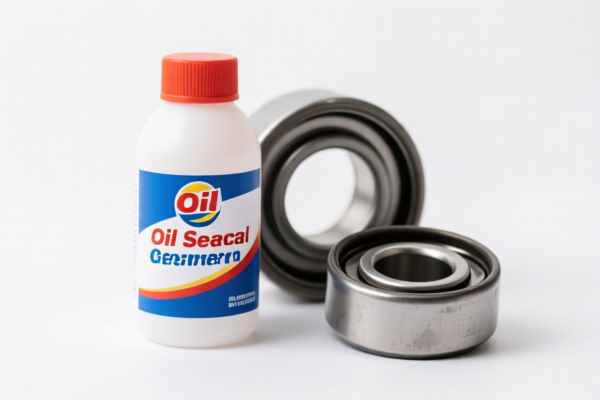
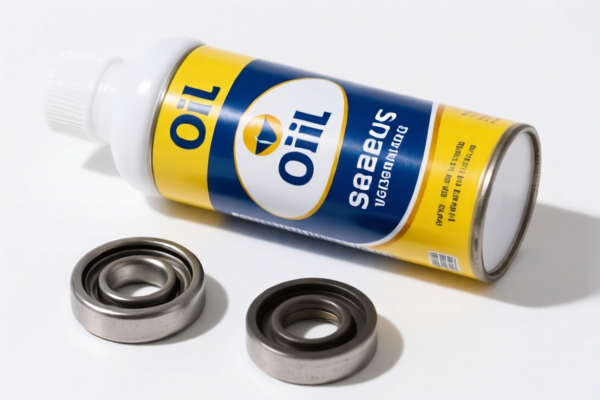
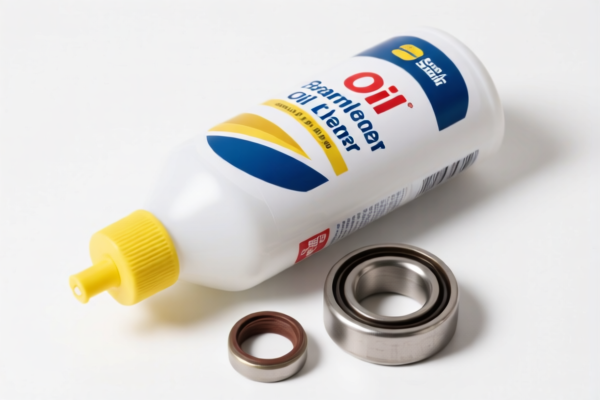
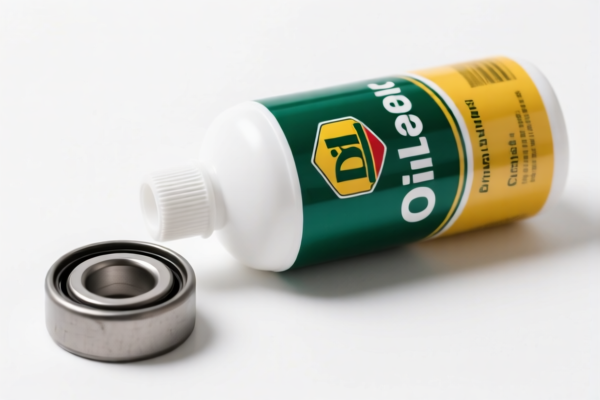
AI Analysis
🧼 Oil Residue Cleaner (Industrial Degreaser)
🌐 HS Code Reference & Customs Clearance Guide | 2026 Latest Tariff Analysis | Professional Entry Strategies
📌 I. Product Definition & Classification: Do You Really Understand "Oil Residue Cleaner"?
Oil Residue Cleaner is a chemical preparation primarily used for removing grease, oil, and carbon deposits from machinery, engines, and industrial surfaces. In international trade, it falls under the broad category of Chemical Preparations, specifically targeting Surfactants and Cleaning Agents.
Due to its specific composition and application, it can be classified into several HS Codes depending on whether it is viewed as a "Cleaning Agent," a "Chemical Auxiliary Agent," or a "Perfume/Toilet Preparation."
⚠️ Key Distinction Points:
- If the product is primarily a surfactant-based detergent for general cleaning/degreasing → Classified under 3402.90.
- If it is a specialized chemical finishing agent or industrial chemical additive → May fall under 3809.93.
- If it has a strong fragrance or is marketed as a personal care/amenity product → May fall under 3307.90.
📦 II. HS Code Classification Details (2026 Latest Tariff Authority Comparison)
Based on the provided data, here are the five potential HS Codes and their corresponding tax structures for imports from China to the US.
| HS Code | Summary/Reason for Classification | Total Tax Rate | Tax Breakdown (China Origin) |
|---|---|---|---|
3402.90.50.30 |
Matching Use: Cleaning (Degreasing). Belongs to the category of Cleaning Preparations. Surfactant-based chemical agents. | 38.7% | Base: 3.7% + Add. Tariff: 25.0% + Section 122: 10% |
3402.90.50.10 |
Matching Basis: Consistent with cleaning agents/surfactants. Classified as Chemical Agents for Cleaning. | 38.7% | Base: 3.7% + Add. Tariff: 25.0% + Section 122: 10% |
3809.93.50.00 |
Matching Use: Chemical preparation. Fits description of Other Products under Finishing Agents & Similar Preparations. | 41.0% | Base: 6.0% + Add. Tariff: 25.0% + Section 122: 10% |
3307.90.00.00 |
Matching Basis: Amenities/Cleaning use. Fits under Other Perfumes or Toilet Preparations. | 40.4% | Base: 5.4% + Add. Tariff: 25.0% + Section 122: 10% |
3402.90.50.30 |
Matching Basis: Cleaning agent belongs to cleaning preparations. Usage is identical. | 38.7% | Base: 3.7% + Add. Tariff: 25.0% + Section 122: 10% |
🔍 Key Insight:
- The lowest total tax rate (38.7%) applies to codes 3402.90.50.30 and 3402.90.50.10, which treat the product as a standard cleaning preparation/surfactant. - The highest total tax rate (41.0%) applies to code 3809.93.50.00, which treats it as a specialized chemical finishing agent. - Code 3307.90.00.00 (40.4%) is risky if the product is strictly industrial, as it implies a cosmetic/toilet nature.
💰 III. 2026 Latest Tariff Rate Details (Including Surtaxes & Policy Add-ons)
✅ Applicable Country: United States (US)
✅ Origin: China (CN)
✅ Effective Date: November 10, 2025 (and subsequent imports)
🎯 1. 3402.90.50.30 & 3402.90.50.10 — Cleaning Preparations (Recommended)
| Item | Detail |
|---|---|
| Base Tariff | 3.7% (Ad Valorem) |
| Section 301 Surtax | +25.0% (Applied to Chinese origin goods under USITC Footnote) |
| Section 122 Surtax | +10.0% (Specific tariff on certain Chinese chemical products) |
| Total Effective Rate | 38.7% |
| Tax Calculation | CIF Value × 38.7% |
| De Minimis Exemption | ❌ Not Applicable (High tariff threshold excludes it from $800 exemption in many contexts, or strictly regulated) |
| Legal Basis Path | USITC:3402.90.50.30 → Section 301: 25% → Section 122: 10% |
📌 Explanation:
- This is the most common classification for industrial degreasers and oil residue cleaners. - The Base 3.7% is standard for surfactants. - The 25% Section 301 tax is critical for Chinese imports. - The 10% Section 122 tax is an additional layer for specific chemical categories. - Total: 38.7%. This is the lowest cost option among the provided data.
🎯 2. 3809.93.50.00 — Chemical Finishing Agents (Higher Cost)
| Item | Detail |
|---|---|
| Base Tariff | 6.0% (Ad Valorem) |
| Section 301 Surtax | +25.0% |
| Section 122 Surtax | +10.0% |
| Total Effective Rate | 41.0% |
| Tax Calculation | CIF Value × 41.0% |
| De Minimis Exemption | ❌ Not Applicable |
| Legal Basis Path | USITC:3809.93.50.00 → Section 301: 25% → Section 122: 10% |
📌 Note:
- Higher base rate (6.0% vs 3.7%) makes this 2.3% more expensive than 3402 classifications. - Only use this if the product is explicitly defined as a finishing agent or industrial chemical additive rather than a general cleaner.
🎯 3. 3307.90.00.00 — Perfumes/Toilet Preparations (Medium Cost)
| Item | Detail |
|---|---|
| Base Tariff | 5.4% (Ad Valorem) |
| Section 301 Surtax | +25.0% |
| Section 122 Surtax | +10.0% |
| Total Effective Rate | 40.4% |
| Tax Calculation | CIF Value × 40.4% |
| De Minimis Exemption | ❌ Not Applicable |
| Legal Basis Path | USITC:3307.90.00.00 → Section 301: 25% → Section 122: 10% |
📌 Caution:
- This classification implies the product has fragrance or is used for personal hygiene. - If used in industrial settings (e.g., engine degreasing), this may be considered misclassification. - Tax rate is 40.4%, which is 1.7% higher than the optimal 3402 codes.
🛠️ IV. Customs Clearance Practical Advice (Pitfall Avoidance Guide)
✅ 1. Preparation Checklist (Missing Items = Delays)
| Material | Required | Notes |
|---|---|---|
| ✅ Safety Data Sheet (SDS/MSDS) | ✔️ Critical | Must include hazard identification, composition, and handling instructions. Customs will verify chemical nature. |
| ✅ Product Label & Packaging Photos | ✔️ | Clear view of ingredients, usage instructions, and hazard symbols (GHS). |
| ✅ Commercial Invoice | ✔️ | Must clearly state "Oil Residue Cleaner" and HS Code. Avoid vague terms like "Chemical Mix." |
| ✅ Packing List | ✔️ | Detail net/gross weight, volume, and package count. |
| ✅ Certificate of Origin (CO) | ✔️ | Essential for proving Chinese origin (to apply correct 301/122 taxes). |
| ✅ EPA Registration Number | ⚠️ If Applicable | If the cleaner is sold for domestic use in the US, it may require EPA registration. For industrial/export-only, check exemptions. |
✅ 2. Declaration Tips (Key Mantra)
🔥 “Chemical Nature, Clear Usage, SDSCritical, Tax Minimized!”
| Scenario | Correct Declaration | Wrong Practice |
|---|---|---|
| Industrial Degreaser | 3402.90.50.30 – "Oil Residue Cleaner, Surfactant-based" |
Declaring as "Detergent" without specifying "Surfactant" → Risk of audit |
| Fragrant Cleaner | 3307.90.00.00 – "Aromatic Cleaning Agent" |
Declaring as industrial cleaner → Misclassification risk |
| Specialty Chemical | 3809.93.50.00 – "Industrial Finishing Agent" |
Using general cleaner description → Higher tax (41%) |
| Liquid vs. Solid | Specify state in declaration | Vague "Packaging: Box" → Delays |
✅ 3. Special Situation Handling
| Situation | Handling Advice |
|---|---|
| High Hazard Chemicals | Ensure SDS is up-to-date with GHS standards. Some ingredients may require special permits. |
| Export vs. Domestic Use | If for domestic US sale, check EPA TSCA requirements. If for re-export, declare clearly as "For Export Only." |
| Mixtures with Water | If diluted, ensure the concentration matches the declared chemical composition. |
| OEM/Private Label | Provide OEM agreement or letter of authorization to avoid brand infringement issues. |
🌍 V. Global Market Clearance Comparison (2026 Latest)
| Country/Region | Recommended HS Code | Tariff (China Origin) | Certification Req. | Notes |
|---|---|---|---|---|
| 🇺🇸 USA | 3402.90.50.30 |
38.7% | SDS, EPA (if domestic) | Highest scrutiny on chemical origin. |
| 🇨🇳 China | 3402.90.50.30 |
5.0% | None | Low tax, easy clearance. |
| 🇪🇺 EU | 3808.94.00 |
0% - 2.5% | REACH Registration | REACH compliance is critical for chemicals. |
| 🇬🇧 UK | 3808.94.00 |
0% - 2.5% | UK REACH | Post-Brexit, UK REACH applies. |
| 🇦🇺 Australia | 3402.90.00 |
5.0% | AICIS | Australian Industrial Chemicals Introduction Scheme. |
📌 Conclusion:
- USA has the highest effective tax rate (38.7%) due to Section 301 and Section 122 tariffs. - EU/UK may have lower base tariffs but strict chemical regulations (REACH) that can be costly to comply with. - China offers the lowest tax burden (5%) if importing back or for domestic use.
📌 VI. Common Mistakes & Pitfall Guide (Lessons Learned)
❌ Mistake 1: Declaring as "Detergent" without specifying chemical composition
👉 Consequence: Customs may reclassify to 3809 or 3307 → Higher Tax (40-41%).
❌ Mistake 2: Ignoring SDS/GHS Labeling
👉 Consequence: Shipment held at border → Demurrage Charges + Delays.
❌ Mistake 3: Using Vague Descriptions like "Chemical Cleaner"
👉 Consequence: CBP may request additional info → Clearance Delayed 2-4 Weeks.
❌ Mistake 4: Assuming EPA Exemption for Industrial Products
👉 Consequence: If sold domestically without EPA registration → Fines & Product Recall.
✅ Correct Practice:
"Oil Residue Cleaner, Liquid, Surfactant-based, for Industrial Degreasing, HS Code 3402.90.50.30, SDS Attached."
🎯 VII. Conclusion: Professional Declaration, Cost Optimization!
🎯 Remember the Mantra:
🔹 "Surfactant = 3402, Tax 38.7%. Chemical Finishing = 3809, Tax 41.0%. Fragrance = 3307, Tax 40.4%."
🔹 "SDS is King, Label is Queen. No SDSD = No Entry."
🔹 "US Tariff is High, Plan Ahead."
📌 Pro Tip:
If your product is exempt from Section 122 (check latest USTR exclusions), you could save 10%.
However, as of the current data, Section 122 is applied.
Action: File for a CBP Exclusion if applicable, or work with a broker to ensure 3402 classification is solidly supported by SDS and formulation data.
📣 Immediate Action:
📞 Contact a Licensed Customs Broker
📄 Prepare Full SDS & Product Labels
🚀 Declare Accurately to Avoid 25%+ Surtax Penalties
✨ Professional Clearance Starts with Accurate Classification!
💼 Every Percent Saved is Profit Earned!
Customer Reviews
About HS Code Classification
The Harmonized System (HS) is an internationally standardized nomenclature developed by the World Customs Organization (WCO) to classify traded products. Over 200 countries use the HS system as the basis for customs tariffs, trade statistics, and import/export regulations.
Each HS code follows a hierarchical structure:
- Chapter (2 digits) — Broad category of goods (e.g., Chapter 84: Machinery and Mechanical Appliances)
- Heading (4 digits) — More specific grouping within the chapter
- Subheading (6 digits) — Internationally standardized breakdown, used by all WCO member countries
- National subdivisions (8-10 digits) — Country-specific extensions for further classification, such as US HTSUS 10-digit codes
Correct HS code classification is essential for smooth customs clearance, accurate duty payment, and compliance with trade regulations. Misclassification can lead to customs delays, overpayment of duties, or penalties.
When importing from CN to US, the applicable tariff rates may include:
- Most-Favored-Nation (MFN) rate — The standard duty rate applied to WTO members
- General rate — Applied to countries without trade agreements
- Trade remedy duties — Additional tariffs such as Section 301 (anti-dumping), Section 232 (national security), or countervailing duties
The information provided on this page is for reference purposes only. For official classification, please consult with your local customs authority or a licensed customs broker.