Oil absorbing filter paper
CN → US| HS Code | Tariff Rate | Origin | Destination | Doc |
|---|---|---|---|---|
| 4823908680 | 35.0% | CN | US | Official Doc |
| 4818200040 | 35.0% | CN | US | Official Doc |
| 4818900080 | 17.5% | CN | US | Official Doc |
| 4823908000 | 35.0% | CN | US | Official Doc |
| 3921904090 | 39.2% | CN | US | Official Doc |
Product Images
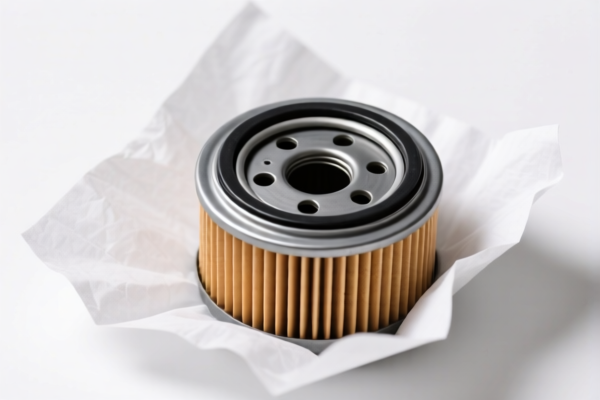
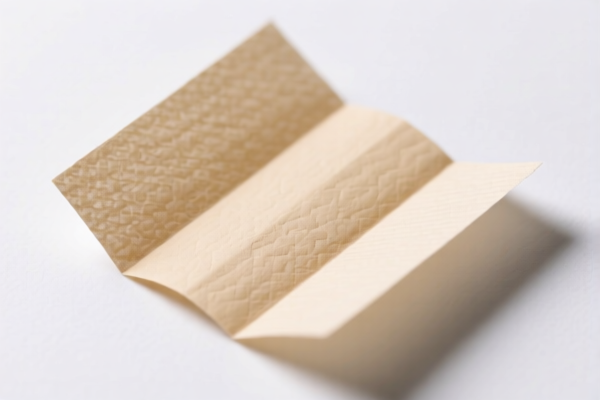
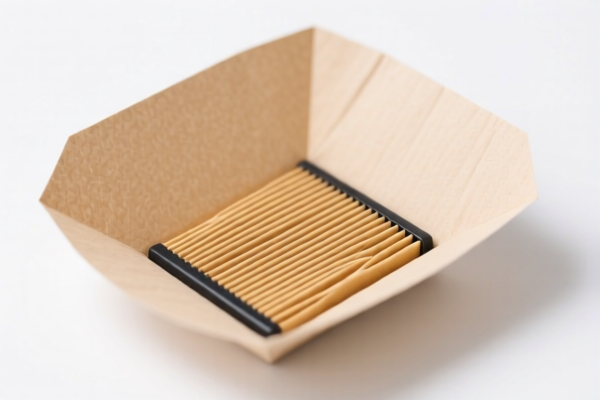
AI Analysis
🧴 Oil-Absorbing Filter Paper (Absorbent Sheets)
🌐 HS Code Reference & Customs Clearance Guide | 2026 Latest Tariff Analysis | Professional-Level Entry Strategy
📌 I. Product Definition & Classification: Do You Really Understand "Oil-Absorbing Paper"?
Oil-absorbing filter paper, commonly known as absorbent paper, oil blotting paper, or grease-absorbing sheets, is a specialized paper product designed to absorb excess oil, grease, or moisture from surfaces (typically skin or industrial machinery). In international trade, its classification depends heavily on its intended use and material composition.
Primary Classification Logic: 1. Material: Predominantly paper (cellulose-based) or potentially plastic-film coated (if synthetic). 2. Form: Cut to size, sheets, pads, or rolls. 3. Use Case: * Cosmetic/Hygiene: Used for facial oil control, makeup fixing, or personal hygiene. * Industrial/General: Used for absorbing oil from machinery, workshops, or general cleaning.
⚠️ Key Distinction Point:
- If used for personal hygiene/cosmetics (face/skin) → Likely falls under Chapter 48 (Paper), Heading 4818 (Tissues, pocket-handkerchiefs, cleaning-wipes...).
- If used for general paper products without specific hygiene labeling → Likely falls under Chapter 48, Heading 4823 (Other articles of paper pulp, paper, cellulose wadding and papers).
- If made of plastic film (not paper) → Falls under Chapter 39 (Plastics).
📦 II. HS Code Classification Details (2026 Latest Tariff Authority Cross-Reference)
Based on the provided data, here are the matched HS Codes for "Oil-Absorbing Filter Paper":
| HS Code | Product Description & Matching Logic | Applicable Scenario | Total Tax Rate (US/China Origin) |
|---|---|---|---|
4823.90.86.80 |
Other Paper Products: Inferred as paper material; shape is cut sheets/pads; fits "Other paper articles" category. | General industrial absorbent sheets, non-hygiene specific. | 35.0% |
4818.20.00.40 |
Facial/Skin Cleaning Tissues: Material inferred as paper; use is facial/skin oil absorption; fits "Cleaning or facial tissues" logic. | Cosmetic absorbent sheets for face, makeup blotting paper. | 35.0% |
4818.90.00.80 |
Other Paper Cleaning Tissues: Paper material; sheet/consumable form; hygiene/cleaning use; fits "Cleaning tissues" category. | General hygiene cleaning wipes/sheets, multi-purpose absorbents. | 17.5% |
4823.90.80.00 |
Other Paper Articles: Paper/cellulose material; use for oil absorption fits functional consumables (gaskets/seals logic) with no material conflict. | Industrial oil absorbent pads, workshop cleaning sheets. | 35.0% |
3921.90.40.90 |
Other Plastic Plates/Films: Form is "paper/film"; material inferred as plastic film or plastic-coated; fits "Other plastics" category. | Synthetic absorbent sheets, non-paper-based oil absorbents. | 39.2% |
🔍 Key Reminder:
- Cosmetic vs. Industrial: If the product is marketed for skincare/beauty (e.g., "oil control sheets"), customs is more likely to accept 4818.20.00.40 or 4818.90.00.80.
- Industrial vs. General: If used in factories/mechanics, 4823.90.86.80 or 4823.90.80.00 are more appropriate.
- Material Check: If the product contains significant plastic coating or is entirely synthetic, 3921.90.40.90 applies, but tax is higher.
💰 III. 2026 Latest Tariff Rate Details (Including Surtaxes, Policy Add-ons)
✅ Applicable Country: United States (US)
✅ Origin: China (CN)
✅ Effective Date: From November 10, 2025 (and subsequent imports)
🎯 1. 4818.20.00.40 —— Facial/Skin Cleaning Tissues (Cosmetic Use)
| Item | Content |
|---|---|
| Base Tariff | 0% (ad valorem) |
| USITC Surtax (Section 301) | +25% (From USITC Footnote 9903.88.01) |
| IEEPA Surtax | +10% (Targeting China/HK products, effective from Nov 10, 2025) |
| Total Tax Rate | 35.0% |
| Tax Calculation | CIF Value × 35% |
| De Minimis Exemption Eligible? | ❌ No (deny_de_minimis) |
| Legal Basis Path | IEEPA:9903.01.25 → IEEPA:9903.01.24 → USITC:4818.20.00.40 → FOOTNOTE:9903.88.01 |
📌 Explanation:
- The "25% USITC surtax" is from the Section 301 Trade Act additional tariffs;
- The "IEEPA 10%" is the International Emergency Economic Powers Act additional tariff on Chinese goods;
- Total 35%, which is a high tariff rate. Must be factored into cost structure!
🎯 2. 4818.90.00.80 —— Other Paper Cleaning Tissues (General Hygiene)
| Item | Content |
|---|---|
| Base Tariff | 0% |
| USITC Surtax | +7.5% (Lower rate for some "other" cleaning tissues) |
| IEEPA Surtax | +10% |
| Total Tax Rate | 17.5% |
| Tax Calculation | CIF × 17.5% |
| De Minimis Exemption Eligible? | ❌ No |
| Legal Basis Path | IEEPA:9903.01.25 → IEEPA:9903.01.24 → USITC:4818.90.00.80 → FOOTNOTE:9903.88.01 |
📌 Note:
- This code offers the lowest total tariff (17.5%) among paper options.
- Suitable for general cleaning wipes or multi-purpose absorbent sheets not strictly marketed as "facial tissues."
- Ensure product description avoids "facial" or "cosmetic" claims to maintain this classification.
🎯 3. 4823.90.86.80 & 4823.90.80.00 —— Other Paper Products (Industrial/General)
| Item | Content |
|---|---|
| Base Tariff | 0% |
| USITC Surtax | +25% |
| IEEPA Surtax | +10% |
| Total Tax Rate | 35.0% |
| Tax Calculation | CIF × 35% |
| De Minimis Exemption Eligible? | ❌ No |
| Legal Basis Path | IEEPA:9903.01.25 → IEEPA:9903.01.24 → USITC:4823.* → FOOTNOTE:9903.88.01 |
📌 Note:
- These codes are for general paper articles without specific hygiene/cleaning classification.
- Often used for industrial absorbent pads, machine oil sheets, or unbranded generic paper products.
- Higher tax burden than4818.90.00.80.
🎯 4. 3921.90.40.90 —— Other Plastic Plates/Films (Synthetic Material)
| Item | Content |
|---|---|
| Base Tariff | 4.2% |
| USITC Surtax | +25% |
| IEEPA Surtax | +10% |
| Total Tax Rate | 39.2% |
| Tax Calculation | CIF × 39.2% |
| De Minimis Exemption Eligible? | ❌ No |
| Legal Basis Path | IEEPA:9903.01.25 → IEEPA:9903.01.24 → USITC:3921.90.40.90 → FOOTNOTE:9903.88.01 |
📌 Note:
- Applies if the product is plastic-based (e.g., non-woven synthetic, coated film).
- Highest tax rate (39.2%) due to base tariff + surtaxes.
- Only use if material is definitively not paper.
🛠️ IV. Customs Clearance Practical Advice (Real-World Pitfall Guide)
✅ 1. Required Documentation Checklist (No Omissions)
| Document | Mandatory? | Description |
|---|---|---|
| ✅ Product Specification Sheet | ✔️ | Material (Paper/Plastic), dimensions, absorption capacity, quantity per pack. |
| ✅ Product Photos | ✔️ | Clear images of packaging, product texture, and any branding. |
| ✅ Commercial Invoice | ✔️ | Must specify "Oil Absorbing Paper" or "Absorbent Sheets"; avoid vague terms like "Paper." |
| ✅ Packing List | ✔️ | Detail units, weight, and dimensions to calculate CIF value accurately. |
| ✅ Material Declaration | ✔️ | Explicitly state if 100% cellulose paper or contains plastic coating. |
| ✅ Certificate of Origin (CO) | ✔️ | Required for tariff calculation; not eligible for preferential rates in this case. |
✅ 2. Declaration Tips (Key Mantra)
🔥 “Material First, Use Second, Name Precise, Tax Avoids Stress!”
| Scenario | Correct Declaration | Incorrect Practice |
|---|---|---|
| Cosmetic Oil-Control Sheets | 4818.20.00.40 + "Facial Oil Blotting Paper" |
Misdeclare as "Industrial Paper" → Risk of reclassification penalty. |
| General Cleaning Wipes | 4818.90.00.80 + "Paper Cleaning Wipes" |
Use too broad term "Paper" → May fall to 4823 (35% tax). |
| Industrial Oil Pads | 4823.90.86.80 + "Oil Absorbent Paper Pads" |
Declare as "Textiles" → Wrong chapter, delayed clearance. |
| Synthetic Absorbent Sheets | 3921.90.40.90 + "Plastic Oil Absorbent Film" |
Claim as "Paper" → Material mismatch, customs rejection. |
✅ 3. Special Situation Handling
| Situation | Handling Advice |
|---|---|
| OEM/Private Label | Provide client order + design specs to avoid being labeled "unbranded/generic." |
| Mixed Materials | If >50% paper, classify under Chapter 48; if >50% plastic, Chapter 39. |
| Pre-Cut vs. Roll | Cut-to-size sheets are more likely to be classified as "articles" (4823/4818). Rolls may be classified differently. |
| High-Volume Imports | Consider Advance Ruling from US CBP to lock in HS Code and avoid retrospective duty changes. |
🌍 V. Global Market Comparison (2026 Latest)
| Country/Region | Recommended HS Code | Tariff (China Origin) | Certification Requirements | Notes |
|---|---|---|---|---|
| 🇺🇸 United States | 4818.90.00.80 (Best Rate) |
17.5% | None specific | 35-39% for other codes. |
| 🇨🇳 China | 4818.20.00.40 |
5-10% (Import Duty) | None | Low import duty; high domestic consumption. |
| 🇪🇺 European Union | 4818.20.00.40 |
0-6.5% | CE (if cosmetic) | No Section 301/IEEPA surtaxes. |
| 🇬🇧 United Kingdom | 4818.20.00.40 |
0-6.5% | UKCA (if cosmetic) | Post-Brexit tariffs vary by product. |
| 🇯🇵 Japan | 4818.20.00.40 |
0-8.4% | None | Generally low tariffs for paper products. |
📌 Conclusion:
- The US imposes the highest effective tariffs due to Section 301 and IEEPA surtaxes.
-4818.90.00.80is the optimal HS Code for cost efficiency (17.5% total) if the product can be classified as "cleaning tissue" rather than "facial tissue" or "industrial paper."
- European markets are far more favorable with 0-6.5% tariffs and no surtaxes.
📌 VI. Common Errors & Pitfall Guide (Blood & Tears Lessons)
❌ Error 1: Declaring "Oil Absorbing Paper" as "Printing Paper"
👉 Consequence: Wrong HS Code (e.g., 4802), potential 35%+ tax, and customs penalty.
❌ Error 2: Ignoring Material Composition
👉 Consequence: If plastic-coated, declaring as paper leads to 3921.90.40.90 (39.2% tax) or seizure for misdeclaration.
❌ Error 3: Vague Product Name on Invoice
👉 Consequence: "Paper" is too generic. Must specify "Oil Absorbing," "Blotting," or "Cleaning" to guide customs.
❌ Error 4: Assuming De Minimis Exemption Applies
👉 Consequence: All these codes are denied de minimis exemption. Shipments under $800 still face full duties in the US.
✅ Correct Practice:
“Paper Oil Absorbing Sheets, Cosmetic Use, 50 Sheets/Box, 100% Cellulose, Model XYZ”
HS Code:4818.20.00.40
Total Duty: 35% (or4818.90.00.80for 17.5% if marketed as general cleaning).
🎯 VII. Conclusion: Professional Declaration Saves Money!
🎯 Remember the Mantra:
🔹 “Cosmetic Use → 4818.20 (35%) or 4818.90 (17.5%)”
🔹 “Industrial Use → 4823.90 (35%)”
🔹 “Plastic Material → 3921.90 (39.2%)”
🔹 “No De Minimis! Pay Up!”📌 Pro Tip:
If your oil-absorbing paper is plastic-based, consider sourcing from Vietnam or Thailand to avoid IEEPA/Section 301 surtaxes (if eligible).
For US imports,4818.90.00.80is the cost-saving champion at 17.5%. Ensure marketing materials support "cleaning tissue" classification over "facial tissue" or "industrial pad" to stay competitive.
📣 Immediate Action:
📞 Contact a licensed customs broker + Provide Product Specs + Apply for Pre-Ruling if volume is high.
🚀 Clear customs smoothly, reduce costs, maximize profit!
✨ Professional customs clearance starts with accurate classification!
💼 Every cent of tariff matters!
Customer Reviews
About HS Code Classification
The Harmonized System (HS) is an internationally standardized nomenclature developed by the World Customs Organization (WCO) to classify traded products. Over 200 countries use the HS system as the basis for customs tariffs, trade statistics, and import/export regulations.
Each HS code follows a hierarchical structure:
- Chapter (2 digits) — Broad category of goods (e.g., Chapter 84: Machinery and Mechanical Appliances)
- Heading (4 digits) — More specific grouping within the chapter
- Subheading (6 digits) — Internationally standardized breakdown, used by all WCO member countries
- National subdivisions (8-10 digits) — Country-specific extensions for further classification, such as US HTSUS 10-digit codes
Correct HS code classification is essential for smooth customs clearance, accurate duty payment, and compliance with trade regulations. Misclassification can lead to customs delays, overpayment of duties, or penalties.
When importing from CN to US, the applicable tariff rates may include:
- Most-Favored-Nation (MFN) rate — The standard duty rate applied to WTO members
- General rate — Applied to countries without trade agreements
- Trade remedy duties — Additional tariffs such as Section 301 (anti-dumping), Section 232 (national security), or countervailing duties
The information provided on this page is for reference purposes only. For official classification, please consult with your local customs authority or a licensed customs broker.