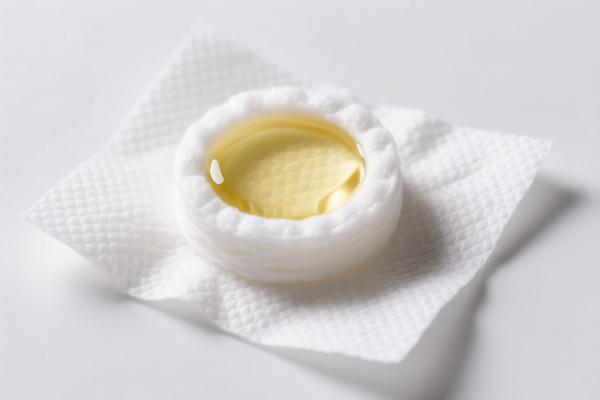
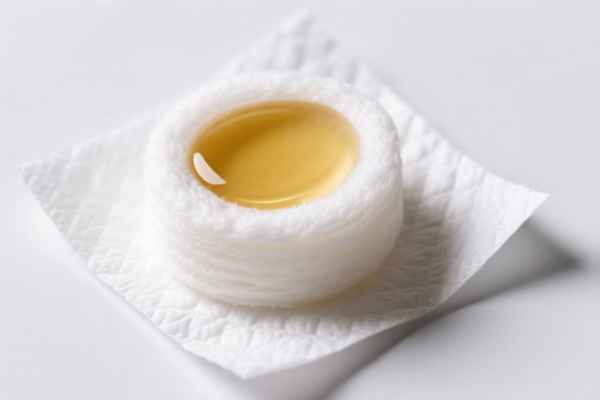
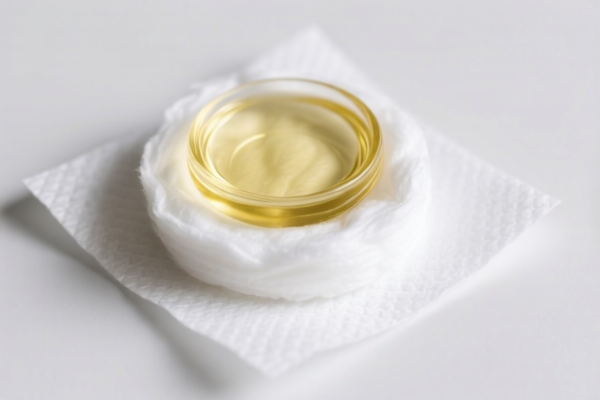
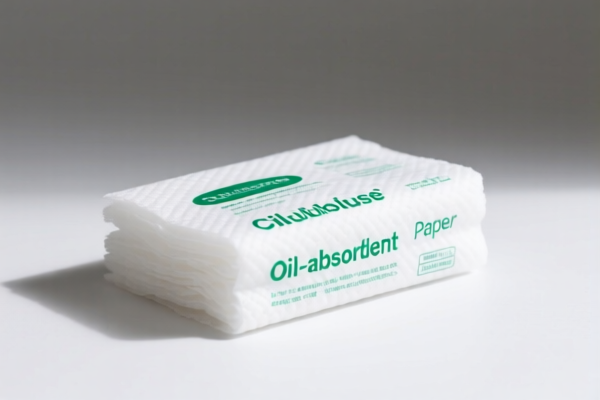
Oil absorbing wiping paper
CN → US| HS Code | Tariff Rate | Origin | Destination | Doc |
|---|---|---|---|---|
| 4823908680 | 35.0% | CN | US | Official Doc |
| 4818200040 | 35.0% | CN | US | Official Doc |
| 3921904010 | 39.2% | CN | US | Official Doc |
| 3921904090 | 39.2% | CN | US | Official Doc |
| 4823908000 | 35.0% | CN | US | Official Doc |
Product Images
AI Analysis
🧻 Oil-Absorbing Wiping Paper (Oil Blotting Sheets / Absorbent Papers)
🌐 HS Code Reference & Customs Clearance Guide | 2026 Latest Tariff Analysis | Professional通关 Strategy
📌 I. Product Definition & Classification: What Exactly is "Oil-Absorbing Paper"?
Oil-absorbing wiping paper is a functional material primarily used for cosmetics (facial oil control), industrial machinery (maintenance/cleaning), or laboratory settings. In international trade, it is not classified as a single uniform product. Its HS Code depends entirely on its material composition and structure.
⚠️ Critical Distinction Points:
- Pure Paper-Based: If made entirely of paper fibers without plastic coatings → Classified under Chapter 48 (Paper/Paperboard).
- Plastic-Coated/Composite: If the paper is laminated with plastic film, or contains a significant plastic structure → Classified under Chapter 39 (Plastics).
- Cosmetic vs. Industrial: The use does not change the HS code here; the material does.
📦 II. HS Code Classification Details (2026 Latest Tariff Authority Comparison)
| HS Code | Product Description | Applicable Scenario | Material Composition |
|---|---|---|---|
4823.90.86.80 |
Absorbent paper articles, classified as paper products | General paper oil blotting sheets, simple paper texture | ✅ 100% Paper |
4818.20.00.40 |
Facial cleansing paper oil sheets | Cosmetics use, facial oil control, thin tissue-like paper | ✅ 100% Paper (Cosmetic grade) |
3921.90.40.10 |
Paper-reinforced oil-absorbing paper, containing paper-plastic composite structure | Industrial or heavy-duty sheets with plastic reinforcement layer | ✅ Paper + Plastic Composite |
3921.90.40.90 |
Oil-absorbing paper containing plastic coating or film | Coated paper, waterproof oil-absorbing sheets | ✅ Paper + Plastic Coating |
4823.90.80.00 |
Functional paper oil-absorbing paper for oil absorption | Other functional paper uses, not specifically facial or reinforced | ✅ 100% Paper (Other) |
🔍 Key Reminder:
- Pure Paper: Always Chapter 48 (48xx). Lower base tariff (often 0%).
- Plastic Composite/Coated: Always Chapter 39 (39xx). Higher base tariff (4.2%).
- Misclassification Risk: Declaring a plastic-coated sheet as "pure paper" to save on base tariffs will lead to heavy penalties and re-inspection.
💰 III. 2026 Latest Tariff Rate Breakdown (Including Surcharges & Policy Add-ons)
✅ Applicable Country: United States (US)
✅ Origin: China (CN)
✅ Effective Date: From November 10, 2025 (including subsequent imports)
🎯 1. 4823.90.86.80 & 4818.20.00.40 & 4823.90.80.00 —— Pure Paper-Based Oil Sheets
These codes fall under Chapter 48 (Paper). They are subject to the standard "China-specific" surcharges.
| Item | Content |
|---|---|
| Base Tariff | 0.0% (ad valorem) |
| USITC Additional Tariff | +25.0% (Section 301 Tariffs) |
| Section 122 Tariff | +10.0% (Specific trade measures) |
| Total Tax Rate | 35.0% |
| Tax Calculation | CIF Value × 35.0% |
| De Minimis Exemption | ❌ Not Eligible (Deny De Minimis) |
| Legal Basis Path | Section 301 → Section 122 → Chapter 48 |
📌 Explanation:
- Base 0%: Paper products generally have low base tariffs.
- 25% + 10%: The total surcharge is 35%. This is a high tax burden for simple paper products.
- Note: Even though the base is 0%, the effective tax rate is still significant due to US trade policies against China.
🎯 2. 3921.90.40.10 & 3921.90.40.90 —— Plastic-Coated/Composite Oil Sheets
These codes fall under Chapter 39 (Plastics). They incur a base tariff plus the same surcharges.
| Item | Content |
|---|---|
| Base Tariff | 4.2% (ad valorem) |
| USITC Additional Tariff | +25.0% (Section 301 Tariffs) |
| Section 122 Tariff | +10.0% (Specific trade measures) |
| Total Tax Rate | 39.2% |
| Tax Calculation | CIF Value × 39.2% |
| De Minimis Exemption | ❌ Not Eligible (Deny De Minimis) |
| Legal Basis Path | Section 301 → Section 122 → Chapter 39 |
📌 Explanation:
- Base 4.2%: Plastic-containing products have a higher base duty.
- 25% + 10%: Same surcharges as pure paper.
- Total 39.2%: This is 4.2% higher than pure paper due to the base tariff.
- Strategy Tip: If your product is not strictly required to have plastic for function, consider redesigning as pure paper to save the 4.2% base duty.
🛠️ IV. Customs Clearance Practical Advice (Real-World Pitfall Avoidance)
✅ 1. Preparation Checklist (Essential Documents)
| Document | Required? | Description |
|---|---|---|
| ✅ Product Spec Sheet | ✔️ | Must specify: Material (100% paper vs. paper-plastic composite), GSM (weight), absorption capacity, size. |
| ✅ Material Composition Statement | ✔️ | Explicitly state the % of paper vs. plastic. Critical for Chapter 48 vs. 39 distinction. |
| ✅ Product Photos | ✔️ | Close-up of texture, cross-section (if composite), and packaging label. |
| ✅ Commercial Invoice | ✔️ | Clearly state: "Oil Absorbing Paper" or "Facial Oil Blotting Sheets". Avoid vague terms like "Wipes". |
| ✅ Packing List | ✔️ | Detail net/gross weight. Ensure consistency with invoice. |
| ✅ Origin Certificate | ✔️ | Proof of China origin (triggers the 35-39% tax). |
✅ 2. Declaration Tips (Key Mantra)
🔥 "Material Defines Chapter, Plastic Adds Base, Section 301 is 25, Section 122 is 10!"
| Scenario | Correct Declaration | Error to Avoid |
|---|---|---|
| Pure Facial Tissue | 4818.20.00.40 |
Misdeclare as plastic wipe → 39.2% instead of 35% |
| Industrial Oil Paper | 4823.90.86.80 |
Misdeclare as "textile" → Wrong chapter, audit risk |
| Plastic-Coated Sheet | 3921.90.40.90 |
Misdeclare as pure paper → Fraud allegation, huge penalty |
| Composite Reinforced | 3921.90.40.10 |
Under-declare plastic content → Base tariff risk |
✅ 3. Special Situations
| Situation | Handling Advice |
|---|---|
| Cosmetic Packaging | If sold in a small tin/box, the primary character determines classification. The paper itself is classified, but the box is packaging. Do not mix codes in one line item unless instructed by customs broker. |
| Imported with Dispenser | If the paper comes with a plastic dispenser, the dispenser may be classified separately (e.g., 3926.90), but the paper must still be classified correctly. Declaring the whole unit as one HS code is risky unless it's a "set" for retail sale. |
| Sample Shipments | Even samples are subject to de minimis exemption waiver for China-origin goods. Taxes still apply. |
🌍 V. Global Market Comparison (2026 Latest)
| Country/Region | Recommended HS Code | Tariff Rate (China Origin) | Notes |
|---|---|---|---|
| 🇺🇸 USA | 4823.90.86.80 / 3921.90.40.90 |
35.0% (Paper) / 39.2% (Plastic) | High tariffs due to Section 301 + Section 122. |
| 🇨🇳 China | 4823.90.86.80 / 3921.90.40.90 |
0% - 4.2% (Import Duty) | No Section 301/122. Low cost if importing into China. |
| 🇪🇺 EU | 4823.90.86.80 / 3921.90.40.90 |
0% - 4.2% (Import Duty) | No retaliatory tariffs against China for these items. |
| 🇬🇧 UK | 4823.90.86.80 / 3921.90.40.90 |
0% - 4.2% (Import Duty) | Post-Brexit rules apply, but generally no high surcharges. |
| 🇯🇵 Japan | 4823.90.86.80 / 3921.90.40.90 |
1.5% - 3.0% | Low base tariff, no major political surcharges. |
📌 Conclusion:
- USA is the most expensive market for these products due to the 35-39% effective tax rate.
- EU, UK, Japan offer significantly lower duties (<5%).
- Strategy: If targeting the US, ensure accurate material declaration to avoid fines, but consider supply chain diversification (e.g., sourcing from Vietnam/Mexico) to avoid Section 301/122 tariffs if possible.
📌 VI. Common Errors & Pitfall Guide (Lessons Learned)
❌ Error 1: Declaring "Plastic-Coated Oil Paper" as 4818.20.00.40 (Pure Paper)
👉 Consequence: You save 4.2% base tariff, but Customs will detect the plastic layer during inspection. Result: Back taxes + 25% penalty + detention.
❌ Error 2: Using vague terms like "Beauty Wipes" without specifying material
👉 Consequence: Customs may assign the highest possible duty rate or detain for inspection. Result: Delays and storage fees.
❌ Error 3: Ignoring Section 122 Tariff (10%)
👉 Consequence: Many brokers forget this specific surcharge. Result: Underpayment by 10%, leading to audits later.
❌ Error 4: Assuming De Minimis ($800) applies
👉 Consequence: It does not apply to China-origin goods subject to Section 301/122. Result: Taxes still collected on small shipments.
✅ Correct Practice:
"Facial Oil Absorbing Sheets, 100% Paper, 50 GSM, White, 50 Sheets/Box, For Cosmetics Use, HS: 4818.20.00.40"
🎯 VII. Conclusion: Precise Declaration Saves Money!
🎯 Remember the Mantra:
🔹 "Paper is 35%, Plastic is 39%, Section 301 is 25%, Section 122 is 10%!"
🔹 "Don't guess the material, declare it right, or pay the penalty!"
🔹 "US Market is High Tax, Check your Supply Chain!"
📌 Pro Tip:
If your oil-absorbing paper contains only 1% plastic, it may still be classified under Chapter 39. Check with your broker to see if a pure paper alternative exists that meets your functional needs. Saving 4.2% on base duty is worth the redesign effort.
📣 Immediate Action:
📞 Consult a licensed US customs broker.
📤 Provide material composition tests if requested.
🚀 Plan for the 35-39% cost in your pricing strategy for the US market.
✨ Professional Clearance Starts with Accurate Classification!
💼 Every cent of duty should be calculated, not guessed!
Customer Reviews
About HS Code Classification
The Harmonized System (HS) is an internationally standardized nomenclature developed by the World Customs Organization (WCO) to classify traded products. Over 200 countries use the HS system as the basis for customs tariffs, trade statistics, and import/export regulations.
Each HS code follows a hierarchical structure:
- Chapter (2 digits) — Broad category of goods (e.g., Chapter 84: Machinery and Mechanical Appliances)
- Heading (4 digits) — More specific grouping within the chapter
- Subheading (6 digits) — Internationally standardized breakdown, used by all WCO member countries
- National subdivisions (8-10 digits) — Country-specific extensions for further classification, such as US HTSUS 10-digit codes
Correct HS code classification is essential for smooth customs clearance, accurate duty payment, and compliance with trade regulations. Misclassification can lead to customs delays, overpayment of duties, or penalties.
When importing from CN to US, the applicable tariff rates may include:
- Most-Favored-Nation (MFN) rate — The standard duty rate applied to WTO members
- General rate — Applied to countries without trade agreements
- Trade remedy duties — Additional tariffs such as Section 301 (anti-dumping), Section 232 (national security), or countervailing duties
The information provided on this page is for reference purposes only. For official classification, please consult with your local customs authority or a licensed customs broker.