Oleic Acid Deodorized Alcohol
CN → US| HS Code | Tariff Rate | Origin | Destination | Doc |
|---|---|---|---|---|
| 3824999330 | 40.0% | CN | US | Official Doc |
| 2207106090 | 37.5% | CN | US | Official Doc |
| 8421290015 | 35.0% | CN | US | Official Doc |
| 3824994190 | 39.6% | CN | US | Official Doc |
| 3824994140 | 39.6% | CN | US | Official Doc |
Product Images
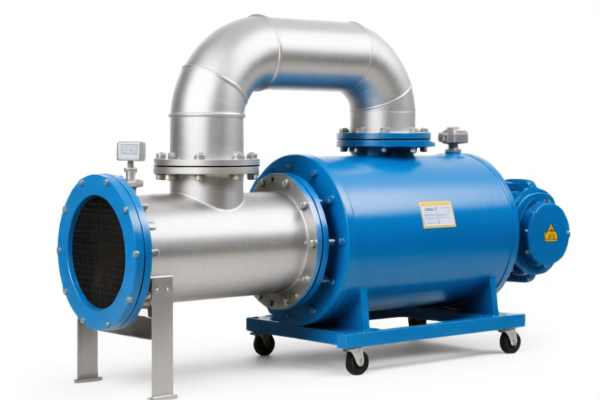
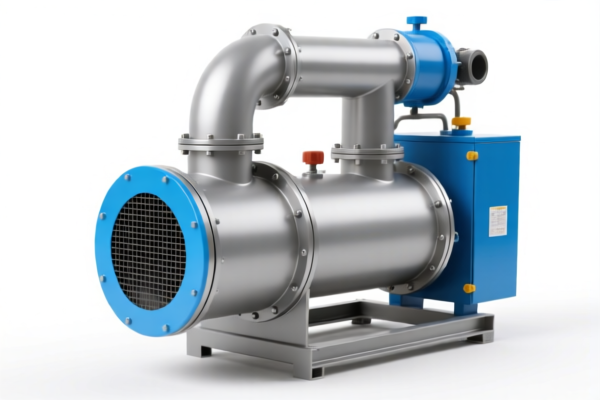
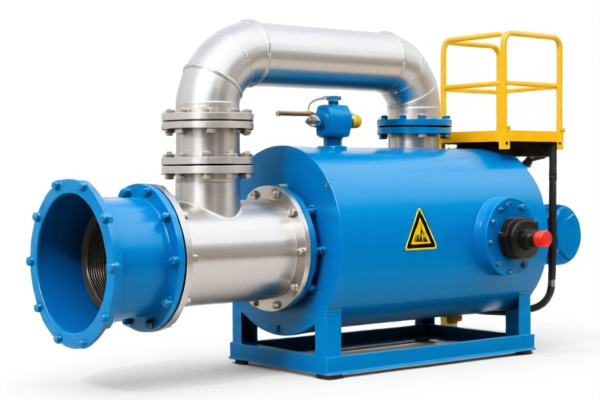
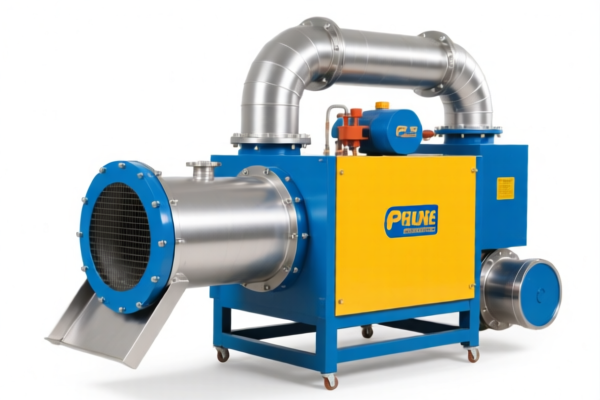
AI Analysis
🧪 Oleic Acid Deodorized Alcohol
🌐 HS Code Reference & Customs Clearance Guide | 2026 Latest Tariff Analysis | Professional Clearance Strategy
📌 I. Product Definition & Classification: What is "Oleic Acid Deodorized Alcohol"?
This product description is chemically ambiguous and presents significant classification risks. The term "Deodorized Alcohol" typically refers to ethanol that has been treated to remove odors (often via distillation or adsorption), making it suitable for industrial, pharmaceutical, or cosmetic use, but generally not for human consumption. The addition of "Oleic Acid" suggests either a mixture containing oleic acid or a chemical context involving oleic acid.
In international trade, this product falls into two potential categories depending on the primary purpose and chemical composition: 1. Chemical Mixtures/Preparations: If the alcohol acts as a solvent or carrier for oleic acid, it may be classified under Chapter 38 (Miscellaneous Chemical Products). 2. Undenatured Ethanol: If it is essentially pure ethanol with odor removed but no significant additives changing its fundamental nature, it may fall under Chapter 22 (Beverages, Spirits, and Vinegar).
⚠️ Key Distinction:
- If the product is primarily a solvent/chemical preparation containing oleic acid derivatives → Chapter 38.
- If the product is essentially pure ethanol (undecorated/unmixed) → Chapter 22.
📦 II. HS Code Classification Details (2026 Latest Tariff Authority Comparison)
| HS Code | Product Description | Application Scenario | Main Component |
|---|---|---|---|
3824.99.93.30 |
Chemical products and preparations not specified elsewhere | Oleic acid-based mixtures; non-cyclic, monohydric, unsubstituted alcohols categorized as "Other" | Alcohol mixture with oleic acid traits |
2207.10.60.90 |
Undenatured ethyl alcohol of an alcoholic strength by volume of 80% vol or higher | Non-beverage industrial alcohol; "Deodorized" processing indicates non-consumption use | Pure/Undenatured Alcohol |
8421.29.00.15 |
Filters and purifiers for liquids | Chemical solvent/reagent; "Deodorized" implies purification/filtering process | Liquid filtration medium |
3824.99.41.90 |
Animal or vegetable fats and oils and their fractions | Fatty acid origin; plant-derived fat substances and mixtures | Oleic Acid (Fatty Acid) |
3824.99.41.40 |
Chemical industry products (primary forms) | Chemical industrial product; fatty acid esters; primary form | Oleic Acid Esters/derivatives |
🔍 Critical Reminder:
-2207.10.60.90is suitable if the product is primarily ethanol (undecorated) used for industrial purposes.
-3824.99.93.30is appropriate if the product is a chemical mixture where the alcohol acts as a solvent/carrier for oleic acid.
-3824.99.41.90and3824.99.41.40apply if the oleic acid/fatty acid content is the dominant feature or if it is a fatty acid ester.
-8421.29.00.15is a niche classification for filtration/purification equipment or media, applicable only if the product is explicitly a filter medium for liquids.
💰 III. 2026 Latest Tariff Rate Details (Including Surcharges, Policy Add-ons)
✅ Applicable Country: USA (US)
✅ Origin: China (CN)
✅ Effective Date: From November 10, 2025 (including subsequent imports)
🎯 1. 3824.99.93.30 – Chemical Mixtures (Alcohol-Oleic Acid)
| Item | Content |
|---|---|
| Base Tariff | 5.0% (ad valorem) |
| USITC Surcharge (Section 301) | +25.0% |
| IEEPA Surcharge (Section 122) | +10.0% |
| Total Tariff | 40.0% |
| Tax Calculation | CIF Value × 40.0% |
| De Minimis Exemption Eligible? | ❌ No (deny_de_minimis) |
| Legal Basis Path | USITC:3824.99.93.30 → FOOTNOTE:301_3824 → IEEPA:122_CHINA |
📌 Explanation:
- This HS Code classifies the product as a chemical preparation.
- The 5% base rate is standard for miscellaneous chemical products.
- The 25% Section 301 tariff and 10% IEEPA surcharge apply due to Chinese origin.
- Total 40% makes this a high-cost classification for chemical mixtures.
🎯 2. 2207.10.60.90 – Undenatured Ethyl Alcohol
| Item | Content |
|---|---|
| Base Tariff | 2.5% (ad valorem) |
| USITC Surcharge (Section 301) | +25.0% |
| IEEPA Surcharge (Section 122) | +10.0% |
| Total Tariff | 37.5% |
| Tax Calculation | CIF Value × 37.5% |
| De Minimis Exemption Eligible? | ❌ No (deny_de_minimis) |
| Legal Basis Path | USITC:2207.10.60.90 → FOOTNOTE:301_2207 → IEEPA:122_CHINA |
📌 Explanation:
- This HS Code applies if the product is classified as undenatured ethanol.
- The 2.5% base rate is lower than the chemical mixture category.
- The same surcharges apply.
- Total 37.5% is slightly more favorable than the 40% chemical classification.
🎯 3. 8421.29.00.15 – Liquid Filters/Purifiers
| Item | Content |
|---|---|
| Base Tariff | 0.0% (ad valorem) |
| USITC Surcharge (Section 301) | +25.0% |
| IEEPA Surcharge (Section 122) | +10.0% |
| Total Tariff | 35.0% |
| Tax Calculation | CIF Value × 35.0% |
| De Minimis Exemption Eligible? | ❌ No (deny_de_minimis) |
| Legal Basis Path | USITC:8421.29.00.15 → FOOTNOTE:301_8421 → IEEPA:122_CHINA |
📌 Explanation:
- This classification is only valid if the product is explicitly a filter or purification medium for liquids.
- The 0% base rate is the most advantageous.
- However, misclassification risk is extremely high if the product is a chemical solvent rather than a filter medium.
🎯 4. 3824.99.41.90 – Fatty Acid Mixtures (Vegetable/Animal Origin)
| Item | Content |
|---|---|
| Base Tariff | 4.6% (ad valorem) |
| USITC Surcharge (Section 301) | +25.0% |
| IEEPA Surcharge (Section 122) | +10.0% |
| Total Tariff | 39.6% |
| Tax Calculation | CIF Value × 39.6% |
| De Minimis Exemption Eligible? | ❌ No (deny_de_minimis) |
| Legal Basis Path | USITC:3824.99.41.90 → FOOTNOTE:301_3824 → IEEPA:122_CHINA |
📌 Explanation:
- This code applies if the product is primarily an oleic acid mixture from vegetable or animal sources.
- The 4.6% base rate is moderate.
- Total 39.6% is slightly higher than the alcohol classification.
🎯 5. 3824.99.41.40 – Fatty Acid Esters (Chemical Industry)
| Item | Content |
|---|---|
| Base Tariff | 4.6% (ad valorem) |
| USITC Surcharge (Section 301) | +25.0% |
| IEEPA Surcharge (Section 122) | +10.0% |
| Total Tariff | 39.6% |
| Tax Calculation | CIF Value × 39.6% |
| De Minimis Exemption Eligible? | ❌ No (deny_de_minimis) |
| Legal Basis Path | USITC:3824.99.41.40 → FOOTNOTE:301_3824 → IEEPA:122_CHINA |
📌 Explanation:
- This code is for fatty acid esters or chemical derivatives.
- Identical rate to3824.99.41.90.
- Suitable if the product is a chemical intermediate rather than a finished solvent.
🛠️ IV. Customs Clearance Practical Advice (Avoid Pitfalls)
✅ 1. Required Documentation Checklist (Non-negotiable)
| Document | Mandatory | Description |
|---|---|---|
| ✅ Product Specification Sheet | ✔️ | Must detail chemical composition, % of oleic acid, % of ethanol, and processing method ("deodorized"). |
| ✅ Chemical Structure Diagram | ✔️ | To prove whether it is a mixture, ester, or pure alcohol. |
| ✅ Product Photos (Label/Container) | ✔️ | Clear view of the label, CAS numbers, and hazard symbols. |
| ✅ Third-Party Test Report | ✔️ | GC-MS analysis to confirm ethanol vs. oleic acid ratio. |
| ✅ Commercial Invoice | ✔️ | Must clearly state "Deodorized Ethanol with Oleic Acid" or similar precise description. |
| ✅ Certificate of Origin (CO) | ✔️ | Required for origin determination; non-Chinese origin may reduce tariffs. |
| ✅ Packing List | ✔️ | Detail contents to avoid split shipment issues. |
✅ 2. Declaration Tips (Key Mantras)
🔥 "Composition First, Purpose Second, Name Precise, Tax Lower!"
| Scenario | Correct Declaration | Wrong Practice |
|---|---|---|
| Primarily Ethanol + Trace Oleic Acid | 2207.10.60.90 (Undenatured Alcohol) |
Misdeclare as Chemical → 40% |
| Primarily Oleic Acid + Alcohol Solvent | 3824.99.41.90 (Fatty Acid Mixture) |
Misdeclare as Alcohol → 37.5% (but risk penalty) |
| Explicitly a Liquid Filter Medium | 8421.29.00.15 (Filter) |
Misdeclare as Chemical → 40% |
| OEM Custom Mixture | Provide formula + client order | Vague name "Alcohol" → Classification audit |
✅ 3. Special Case Handling
| Situation | Handling Advice |
|---|---|
| High Oleic Acid Content (>50%) | Classify under 3824.99.41.90 or 3824.99.41.40. Ethanol is the solvent, not the primary product. |
| High Ethanol Content (>90%) | Classify under 2207.10.60.90. "Deodorized" is a processing step, not a chemical change. |
| Used in Cosmetics/Pharma | Provide GMP Certificates and Intended Use Statements to support classification under chemical preparations if applicable. |
| Used as a Cleaning Agent | If it’s a solvent mixture, 3824.99.93.30 may be appropriate. Provide safety data sheets (SDS). |
🌍 V. Global Market Clearance Comparison (2026 Latest)
| Country/Region | Recommended HS Code | Tariff | Certification Requirements | Notes |
|---|---|---|---|---|
| 🇺🇸 USA | 2207.10.60.90 (if Ethanol) or 3824.99.93.30 (if Mix) |
37.5% - 40% | FDA (if pharma/cosmetic), EPA (if solvent) | High tariffs due to Section 301 & IEEPA. |
| 🇨🇳 China | 2207.10.60.90 |
5% | CCC (if applicable) | No additional surcharges. |
| 🇪🇺 EU | 2207.10 |
0% (if Ethanol) | REACH, CLP | Check ECHA registration for oleic acid mixtures. |
| 🇦🇺 Australia | 2207.10.60.90 |
5% | AICIS | No surcharges. |
| 🇯🇵 Japan | 2207.10.60.90 |
0% | FSC | No surcharges. |
📌 Conclusion:
- USA imposes the highest costs due to Chinese origin surcharges.
- Classification accuracy is critical: A 2.5% base rate difference (Alcohol vs. Chemical) can save thousands of dollars on large shipments.
- China/EU/Japan are more favorable markets for this product.
📌 VI. Common Errors & Pitfalls (Lessons Learned)
❌ Error 1: Declaring "Alcohol" without specifying "Deodorized" or "Oleic Acid"
👉 Consequence: Customs may classify as beverage alcohol (prohibited) or pure ethanol (0% duty if not from China) → Audit & Penalty!
❌ Error 2: Misclassifying a chemical mixture as pure ethanol (2207)
👉 Consequence: If oleic acid content is high, customs will reclassify → Back taxes + Interest.
❌ Error 3: Using "Filter" (8421) for a chemical solvent
👉 Consequence: Rejected by CBP as misdeclaration → Shipment delay or seizure.
❌ Error 4: Ignoring IEEPA Section 122
👉 Consequence: 10% surcharge added at the last minute → Unexpected cost.
✅ Correct Practice:
"Undenatured Ethanol, Deodorized, with Trace Oleic Acid Additive, for Industrial Solvent Use, CAS 64-17-5, Model XYZ, SDS Available"
🎯 VII. Conclusion: Precision Classification Saves Money!
🎯 Remember the Mantra:
🔹 "Ethanol First: 37.5% | Chemical Mix: 40% | Filter: 35% (Risky) | Fatty Acid: 39.6%"
🔹 "HS Code Determines Fate, 2.5% Difference Matters, Wrong Declaration Costs Thousands!"
📌 Pro Tip:
If your product originates from Vietnam, Mexico, Thailand, or Malaysia, you may qualify for IEEPA Exemptions, reducing tariffs to 0%~5%.
Recommend applying for an Advance Ruling before shipment to avoid clearance risks.
📣 Immediate Action:
📞 Contact a professional customs broker + Provide Product Specs + Apply for HS Code Advance Ruling
🚀 Ensure smooth clearance, efficient export, and maximized profit!
✨ Professional Clearance Starts with Accurate Classification!
💼 Every Cent of Cost Deserves Precise Calculation!
Customer Reviews
About HS Code Classification
The Harmonized System (HS) is an internationally standardized nomenclature developed by the World Customs Organization (WCO) to classify traded products. Over 200 countries use the HS system as the basis for customs tariffs, trade statistics, and import/export regulations.
Each HS code follows a hierarchical structure:
- Chapter (2 digits) — Broad category of goods (e.g., Chapter 84: Machinery and Mechanical Appliances)
- Heading (4 digits) — More specific grouping within the chapter
- Subheading (6 digits) — Internationally standardized breakdown, used by all WCO member countries
- National subdivisions (8-10 digits) — Country-specific extensions for further classification, such as US HTSUS 10-digit codes
Correct HS code classification is essential for smooth customs clearance, accurate duty payment, and compliance with trade regulations. Misclassification can lead to customs delays, overpayment of duties, or penalties.
When importing from CN to US, the applicable tariff rates may include:
- Most-Favored-Nation (MFN) rate — The standard duty rate applied to WTO members
- General rate — Applied to countries without trade agreements
- Trade remedy duties — Additional tariffs such as Section 301 (anti-dumping), Section 232 (national security), or countervailing duties
The information provided on this page is for reference purposes only. For official classification, please consult with your local customs authority or a licensed customs broker.