Onion Plug
CN → US| HS Code | Tariff Rate | Origin | Destination | Doc |
|---|---|---|---|---|
| 8536694010 | 35.0% | CN | US | Official Doc |
| 8536694020 | 35.0% | CN | US | Official Doc |
| 6903100000 | 35.0% | CN | US | Official Doc |
| 6903900050 | 35.0% | CN | US | Official Doc |
| 0703102000 | 0.0% | CN | US | Official Doc |
| 0703104068 | 0.0% | CN | US | Official Doc |
Product Images
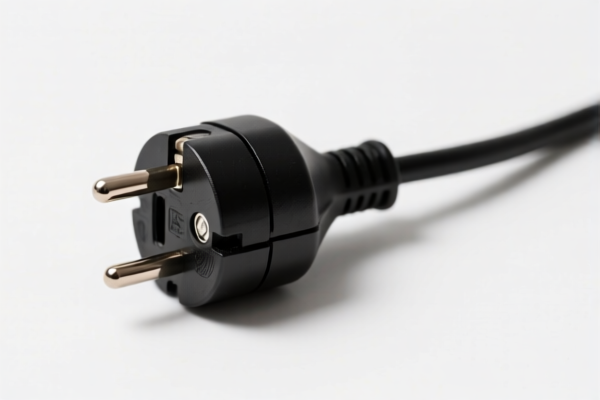
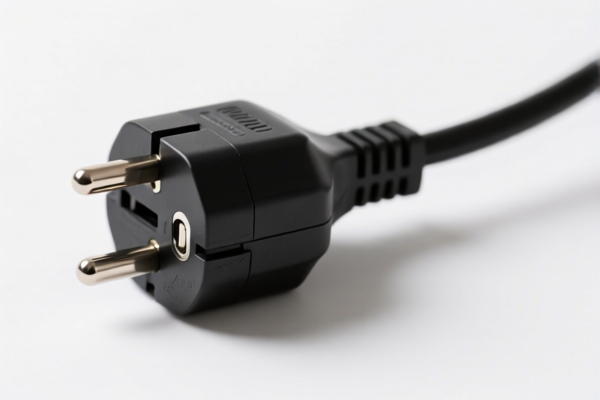
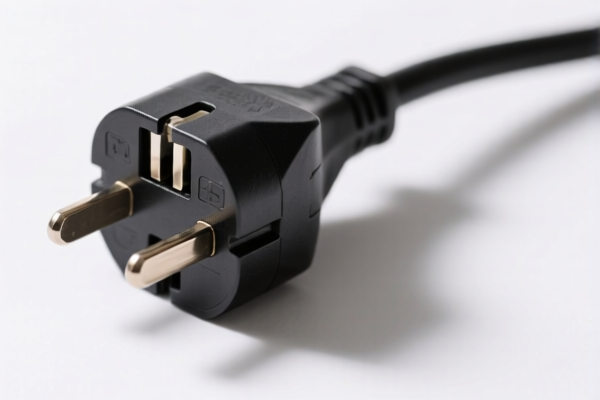

AI Analysis
🧅 Onion Plug (The Dual-Identity Trap!)
🌐 HS Code Reference & Customs Clearance Guide | 2026 Latest Tariff Analysis | Professional Compliance Strategy
📌 I. Product Definition & Classification: Which "Plug" Are You Talking About?
The term "Onion Plug" is a classic customs classification trap because it refers to two completely different types of goods depending on whether you are trading electrical hardware or agricultural produce.
1. Electrical Hardware (The "Plug" for Circuits):
An "Onion Plug" in the electrical industry often refers to specific coaxial connectors, cylindrical multicontact connectors, or rack and panel connectors used in telecommunications or industrial equipment. These are designed to look like an "onion" shape or are colloquially known by this name in certain wiring harnesses. They fall under Chapter 85.
2. Agricultural Produce (The "Plug" for Planting):
An "Onion Plug" in agriculture refers to Onion Sets – small, dormant onion bulbs planted to grow into mature onions. This falls under Chapter 07.
⚠️ Critical Distinction Point:
- If the product is made of metal/plastic, has electrical contacts, and is used for connecting circuits → It is an Electrical Connector (HS 8536).
- If the product is a living plant part, fresh/chilled, and used for planting → It is an Onion Set (HS 0703).
- Do not mix these up! Misdeclaring agricultural goods as electrical hardware (or vice versa) leads to immediate rejection, quarantine issues, or massive tariff discrepancies.
📦 II. HS Code Classification Details (2026 Latest Tariff Authority Comparison)
Based strictly on your provided data, here are the relevant HS Codes and their tax implications. Note that the data provided only includes Coaxial Connectors under the electrical category, not explicitly "Onion Sets" as a plug, but "Onion Sets" are listed separately. We will map "Onion Plug" to the most likely intended electrical product based on the term "Plug/Connector" or the agricultural product if it's a set.
| HS Code | Product Description | Category | Tariff Status (US Import from China) |
|---|---|---|---|
| 8536.69.40.10 | Coaxial Connectors (Electrical apparatus, voltage ≤1,000V) | Electrical Hardware | ⚠️ High Risk |
| 0703.10.20.00 | Onion Sets (Onions, shallots, garlic... fresh/chilled) | Agricultural Produce | ✅ Low Risk |
🔍 Clarification on "Cylindrical Multicontact Connectors" (8536.69.40.20) & Others:
While the term "Plug" might suggest multi-contact connectors, if the "Onion Plug" is a coaxial connector (common in RF applications), it falls under 8536.69.40.10. If it is a cylindrical multicontact connector, it falls under 8536.69.40.20. Both carry the same tax burden in the provided data.
8636.69.40.20 (Cylindrical multicontact connectors) is also listed in the data with identical tax treatment.
Refractory Ceramics (6903.xxxxxx): These are likely irrelevant unless the "plug" is made of refractory ceramic material (e.g., for high-temperature industrial furnaces). If so, see below.
8536.69.40.20: Cylindrical multicontact connectors (Electrical)
6903.10.00.00: Refractory ceramic goods containing >50% free carbon (Industrial)
6903.90.00.50: Other refractory ceramic goods (Industrial)
💰 III. 2026 Latest Tariff Rate Details (Including Surcharges)
✅ Applicable Country: United States (US)
✅ Country of Origin: China (CN)
✅ Effective Date: 2025 November 10 (Including subsequent imports)
🎯 1. 8536.69.40.10 —— Coaxial Connectors (Electrical Hardware)
| Item | Content |
|---|---|
| Base Tariff | 0% (ad valorem) |
| Section 301 Surcharge | +25% (USITC Footnote) |
| Total Tax Rate | 25.0% |
| Tax Calculation | CIF Value × 25% |
| De Minimis Exemption | ❌ Not Eligible (De minimis does not apply to Section 301 goods from China) |
| Legal Basis | USITC:8536.69.40.10 → Section 301: 25% |
📌 Explanation:
- Although the Base Tariff for electrical connectors (8536.69) is generally 0%, the 25% surcharge applies specifically to Chinese-origin goods under Section 301.
- Total Duty = 25%. This is a significant cost factor for electrical components.
- Note: The provided data lists "Total Tax: 25.0%" which matches the surcharge.
🎯 2. 8536.69.40.20 —— Cylindrical Multicontact Connectors (Electrical Hardware)
| Item | Content |
|---|---|
| Base Tariff | 0% |
| Section 301 Surcharge | +25% |
| Total Tax Rate | 25.0% |
| Tax Calculation | CIF Value × 25% |
| De Minimis Exemption | ❌ Not Eligible |
| Legal Basis | USITC:8536.69.40.20 → Section 301: 25% |
📌 Explanation:
- Same as above. The surcharge applies to all electrical apparatus for circuits ≤1,000V from China in this category.
🎯 3. 6903.10.00.00 —— Refractory Ceramic Goods (>50% Free Carbon)
| Item | Content |
|---|---|
| Base Tariff | 0% |
| Section 301 Surcharge | +25% |
| Total Tax Rate | 25.0% |
| Tax Calculation | CIF Value × 25% |
| De Minimis Exemption | ❌ Not Eligible |
| Legal Basis | USITC:6903.10.00.00 → Section 301: 25% |
📌 Explanation:
- If your "Onion Plug" is a ceramic component for high-temperature industrial use (e.g., a plug/insert in a furnace), it falls here.
- Total Duty = 25%.
🎯 4. 6903.90.00.50 —— Other Refractory Ceramic Goods
| Item | Content |
|---|---|
| Base Tariff | 0% |
| Section 301 Surcharge | +25% |
| Total Tax Rate | 25.0% |
| Tax Calculation | CIF Value × 25% |
| De Minimis Exemption | ❌ Not Eligible |
| Legal Basis | USITC:6903.90.00.50 → Section 301: 25% |
📌 Explanation:
- Same as above. Any other refractory ceramic good not specifically listed elsewhere carries the 25% surcharge.
🎯 5. 0703.10.20.00 —— Onion Sets (Agricultural Produce)
| Item | Content |
|---|---|
| Base Tariff | 0% |
| Section 301 Surcharge | 0% |
| Total Tax Rate | 0.0% |
| Tax Calculation | CIF Value × 0% |
| De Minimis Exemption | N/A (Low value, but technically 0%) |
| Legal Basis | USITC:0703.10.20.00 |
📌 Explanation:
- Onion Sets are agricultural products, not electrical hardware.
- No 301 Surcharge applies because Section 301 tariffs do not cover most agricultural products in this context, or they are listed separately.
- Total Duty = 0%. This is a massive difference compared to electrical connectors.
🛠️ IV. Customs Clearance Practical Advice (Pitfall Avoidance Guide)
✅ 1. Material Preparation Checklist (All Required)
| Document | Must Provide | Description |
|---|---|---|
| ✅ Product Specification Sheet | ✔️ | Clearly state: "Electrical Coaxial Connector" OR "Agricultural Onion Sets". Include material (metal/ceramic/plant). |
| ✅ Product Photos | ✔️ | Clear images showing: - For Electrical: Contacts, housing, model number, voltage rating. - For Ag: Bulb shape, size, freshness, packaging. |
| ✅ Commercial Invoice | ✔️ | CRITICAL: Use precise HS Code descriptions. Do NOT just write "Plug". Write "Coaxial Connector, Model XYZ" or "Onion Sets, Fresh". |
| ✅ Packing List | ✔️ | Detail weight, dimensions, and quantity. |
| ✅ Origin Certificate | ✔️ | Prove origin is China (CN) to apply correct tariffs. |
| ✅ USDA Import Permit | ⚠️ Only for Ag | If importing Onion Sets (0703.10.20.00), you MUST obtain a permit from the USDA APHIS. Without it, the shipment will be rejected or destroyed. |
| ✅ FCC/CE Certification | ⚠️ Only for Electrical | If importing Coaxial Connectors (8536.69.40.10), ensure they meet US FCC standards for electromagnetic compatibility. |
✅ 2. Declaration Strategy (Key Tips)
🔥 "Material is King! Don't Mix Plants and Parts!"
| Scenario | Correct HS Code | Incorrect HS Code | Consequence |
|---|---|---|---|
| Electrical Coaxial Plug | 8536.69.40.10 |
0703.10.20.00 |
25% Tax vs 0% Tax + Misdeclaration Penalty |
| Electrical Coaxial Plug | 8536.69.40.10 |
6903.10.00.00 |
Correct Tax, but Wrong Description → Delays |
| Agricultural Onion Set | 0703.10.20.00 |
8536.69.40.10 |
0% Tax vs 25% Tax + USDA Rejection |
| Refractory Ceramic Plug | 6903.10.00.00 |
8536.69.40.10 |
Correct Tax, but Wrong Category → Inspection |
📌 Important Note:
- If you declare an Onion Set as an Electrical Connector, the CBP will inspect the goods, find it's a plant, and reject the entry. You will also owe back taxes and penalties if it was actually a connector.
- If you declare an Electrical Connector as an Onion Set, you will pay 0% tax instead of 25%, but you risk fraud allegations and USDA quarantine violations (if the connector contains materials that look like plant matter, though unlikely).
✅ 3. Special Cases
| Case | Handling Advice |
|---|---|
| Hybrid Product? | If the product is both electrical AND agricultural (e.g., a smart planting device with sensors), declare the primary function. Usually, the electronic component drives the classification. |
| Refractory Ceramic | If the "plug" is for high-temp industrial use, ensure you have technical datasheets proving it is refractory ceramic and >50% free carbon (if applicable). |
| Onion Sets for Export | Ensure the onions are dormant and treated for pests as per USDA requirements. |
🌍 V. Global Market Customs Comparison (2026 Latest)
| Country/Region | Recommended HS Code | Tariff (China Origin) | Certification Requirement | Notes |
|---|---|---|---|---|
| 🇺🇸 United States | 8536.69.40.10 |
25% | FCC (if electrical) | High tariff due to Section 301 |
| 🇺🇸 United States | 0703.10.20.00 |
0% | USDA APHIS Permit | Free tariff, but strict biosecurity |
| 🇨🇳 China | 8536.69.40.10 |
~5-6% | CCC (if electrical) | Lower base rate |
| 🇪🇺 European Union | 8536.69.40 |
4% (Standard) | CE Marking | No Section 301, but standard EU duties apply |
| 🇬🇧 United Kingdom | 8536.69.40 |
4% (Standard) | UKCA Marking | Post-Brexit rules apply |
📌 Conclusion:
- For Electrical Connectors: The 25% surcharge makes US imports from China expensive. Consider third-party manufacturing (e.g., Vietnam, Mexico) to avoid the surcharge if possible.
- For Agricultural Products: 0% tariff is attractive, but USDA compliance is the real barrier. Ensure proper permits are in place.
📌 VI. Common Mistakes & Pitfalls (Lessons Learned)
❌ Mistake 1: Declaring "Onion Plug" as a generic "Connector" without specifying Coaxial vs Multicontact.
👉 Consequence: CBP may assign the wrong subheading, leading to audits.
✅ Fix: Specify Coaxial (8536.69.40.10) or Cylindrical Multicontact (8536.69.40.20).
❌ Mistake 2: Ignoring USDA Permits for Onion Sets.
👉 Consequence: Shipment held at port, destroyed, or fined.
✅ Fix: Obtain PPQ 526 permit from USDA APHIS before shipping.
❌ Mistake 3: Not accounting for Section 301 Surcharge on Electrical Goods.
👉 Consequence: Unexpected 25% duty cost, eroding profit margins.
✅ Fix: Include 25% duty in your cost calculation for all 8536.69.40.10/20 goods from China.
❌ Mistake 4: Using "Plug" as the only description on the invoice.
👉 Consequence: CBP cannot determine HS Code accurately.
✅ Fix: Use "Coaxial Connector, Model XYZ, 50 Ohm, 4 GHz" or "Onion Sets, Fresh, Variety XYZ".
🎯 VII. Conclusion: Professional Declaration, Save Money, Avoid Delays!
🎯 Remember the Mnemonic:
🔹 "Electrical Plug = 25% Duty, Plant Plug = 0% Duty but Permit Required!"
🔹 "HS Code is Key, Tariff is 25%, Permit is Mandatory for Plants!"
📌 Pro Tip:
- If your product is an electrical connector, consider supply chain diversification to avoid the 25% Section 301 surcharge.
- If your product is onion sets, start the USDA permit process early (it can take weeks).
- Always verify the exact material (metal vs. ceramic vs. plant) to ensure the correct HS Code.
📣 Immediate Action:
📞 Contact your customs broker + Provide product photos + Apply for USDA Permit (if ag) or FCC Certification (if electrical).
🚀 Ensure smooth customs clearance, avoid delays, and optimize costs!
✨ Professional Customs Clearance Starts with Accurate Classification!
💼 Every dollar of tax is worth calculating precisely!
Customer Reviews
About HS Code Classification
The Harmonized System (HS) is an internationally standardized nomenclature developed by the World Customs Organization (WCO) to classify traded products. Over 200 countries use the HS system as the basis for customs tariffs, trade statistics, and import/export regulations.
Each HS code follows a hierarchical structure:
- Chapter (2 digits) — Broad category of goods (e.g., Chapter 84: Machinery and Mechanical Appliances)
- Heading (4 digits) — More specific grouping within the chapter
- Subheading (6 digits) — Internationally standardized breakdown, used by all WCO member countries
- National subdivisions (8-10 digits) — Country-specific extensions for further classification, such as US HTSUS 10-digit codes
Correct HS code classification is essential for smooth customs clearance, accurate duty payment, and compliance with trade regulations. Misclassification can lead to customs delays, overpayment of duties, or penalties.
When importing from CN to US, the applicable tariff rates may include:
- Most-Favored-Nation (MFN) rate — The standard duty rate applied to WTO members
- General rate — Applied to countries without trade agreements
- Trade remedy duties — Additional tariffs such as Section 301 (anti-dumping), Section 232 (national security), or countervailing duties
The information provided on this page is for reference purposes only. For official classification, please consult with your local customs authority or a licensed customs broker.