Operating Room Waste Collection Bin
CN → US| HS Code | Tariff Rate | Origin | Destination | Doc |
|---|---|---|---|---|
| 7323999040 | 88.4% | CN | US | Official Doc |
| 7323999080 | 88.4% | CN | US | Official Doc |
| 3923900016 | 38.0% | CN | US | Official Doc |
| 3923900012 | 38.0% | CN | US | Official Doc |
Product Images
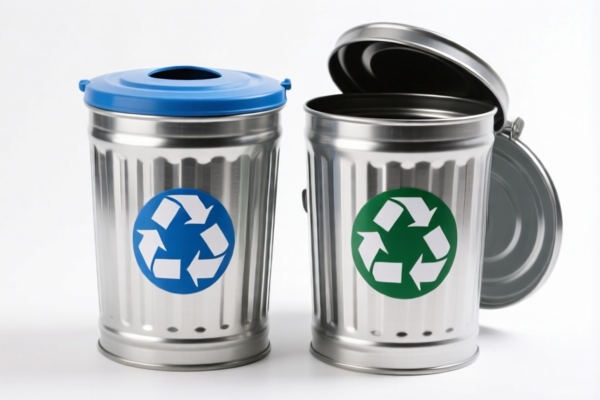
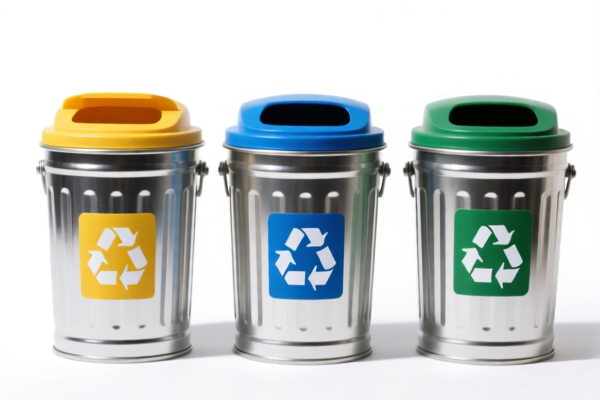
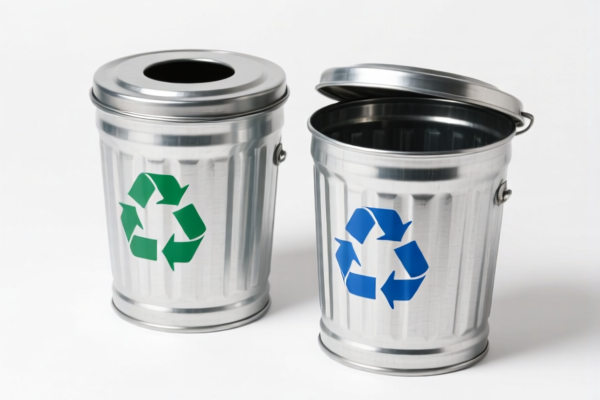
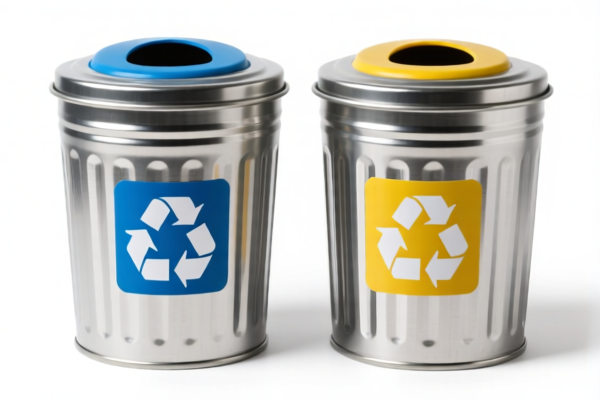
AI Analysis
🚑 Operating Room Waste Collection Bin
🌐 HS Code Reference & Customs Clearance Guide | 2026 Latest Tariff Analysis | Professional Clearance Strategy
📌 1. Product Definition & Classification: What is an "Operating Room Waste Collection Bin"?
In the context of international trade and customs classification, "Operating Room Waste Collection Bin" refers to specialized containers designed for the safe collection, segregation, and disposal of medical waste (specifically pathological, infectious, or sharps waste) in healthcare facilities.
The classification hinges on two critical factors: 1. Material Composition: Is the bin made of Plastic or Metal? 2. Specific Nature: Is it a general-purpose container or a specialized medical device?
⚠️ Key Distinction:
- If the bin is made of Plastic, it is classified under Chapter 39 (Articles of Plastics).
- If the bin is made of Metal (Stainless Steel/Steel), it is classified under Chapter 73 (Articles of Iron or Steel).
- Note: Even though the use is medical waste, if the item is merely a container (not a device with electronic/medical function), it follows its material classification, not a "medical device" classification (unless it has specific regulatory medical status, which is rare for simple bins).
📦 2. HS Code Classification Details (2026 Latest Tariff Authority Comparison)
Based on the provided data, here are the four potential HS Codes with their logical derivation and tax implications.
| HS Code | Material | Summary & Logic | Total Tax Rate |
|---|---|---|---|
| 3923.90.00.16 | Plastic | Plastic Container. Morphology matches "Buckets/Pails" or general transport/packaging containers. Used for holding/transmitting items. | 38.0% |
| 3923.90.00.12 | Plastic | Plastic Container. Specifically matches "Buckets and pails" category. Material is plastic, intended for packaging/holding goods. | 38.0% |
| 7323.99.90.40 | Metal | Metal Container. Classified as kitchenware/tableware (by use match), but material inferred as metal (steel/aluminum). No material conflict. | 88.4% |
| 7323.99.90.80 | Metal | Metal Container. Generic "basket/other container" for specific uses. Material inferred as plastic or metal, falls into the "catch-all" bucket for steel/iron goods. | 88.4% |
🔍 Critical Insight:
- Plastic bins are significantly cheaper to import into the US due to lower total tax rates (38% vs. 88.4%).
- Metal bins incur punitive tariffs due to Section 232 (Steel/Aluminum) and Section 301/IEEPA tariffs.
- The summary explicitly links7323codes to "Tableware/Containers" logic, but the material (Metal) drives the high tax.
💰 3. 2026 Latest Tariff Rate Breakdown (Including Add-Ons & Policy Surcharges)
✅ Applicable Country: United States (US)
✅ Origin: China (CN)
✅ Effective Date: 2025-11-10 onwards
🎯 A. Plastic Bin Options (3923.90.00.16 / 3923.90.00.12)
| Item | Content |
|---|---|
| Base Tariff | 3.0% (Ad Valorem) |
| Section 301 Add-On | +25.0% (From USITC Footnote 9903.88.01) |
| IEEPA Add-On | +10% (For China/HK origin products, effective 2025-11-10) |
| Total Tax Rate | 38.0% |
| Tax Calculation | CIF Value × 38.0% |
| De Minimis Exemption | ❌ NOT ELIGIBLE (deny_de_minimis) |
| Legal Path | IEEPA:9903.01.25 → IEEPA:9903.01.24 → USITC:3923.90.00.16 |
📌 Explanation:
- Plastic waste bins are subject to the Section 301 trade war tariffs (25%) and the newer IEEPA surcharge (10%).
- While the base tariff is low (3%), the add-ons push the total to 38%.
- This is much more favorable than metal alternatives.
🎯 B. Metal Bin Options (7323.99.90.40 / 7323.99.90.80)
| Item | Content |
|---|---|
| Base Tariff | 3.4% (Ad Valorem) |
| Section 301 Add-On | +25.0% |
| Section 232 (Steel/Alu) | +50% (For Steel/Aluminum/Copper products) |
| Total Tax Rate | 88.4% |
| Tax Calculation | CIF Value × 88.4% |
| De Minimis Exemption | ❌ NOT ELIGIBLE (deny_de_minimis) |
| Legal Path | IEEPA:9903.01.25 → Section 232 → USITC:7323.99.90 |
📌 Explanation:
- Metal bins face Section 232 tariffs (50%) because they are steel/aluminum articles.
- They also face Section 301 (25%) and IEEPA (10%).
- Total: 88.4%. This is a prohibitive tax rate. Importing metal OR waste bins from China is financially unviable unless the product value is very low or origin is changed.
🛠️ 4. Customs Clearance Practical Advice (Real-World Pitfall Guide)
✅ 1. Preparation Checklist (Mandatory Documents)
| Document | Required? | Notes |
|---|---|---|
| ✅ Product Specifications | ✔️ | Must clearly state Material (Plastic vs. Metal), Dimensions, Color, Volume (Liters/Gallons). |
| ✅ Material Declaration | ✔️ | Explicitly state: "100% Polypropylene (PP)" or "304 Stainless Steel". Misdeclaration leads to severe penalties. |
| ✅ Product Photos | ✔️ | Show the bin, lid (if any), and label. Ensure no medical device claims (e.g., "FDA Class II Device") unless certified. |
| ✅ Commercial Invoice | ✔️ | Description should be "Plastic Waste Bin for Medical Use" or "Metal Collection Container". |
| ✅ Certificate of Origin | ✔️ | If shipping from Vietnam/Mexico, provide CO to potentially avoid IEEPA/301. |
✅ 2. Declaration Strategy (Key Mnemonics)
🔥 "Material is King! Plastic = 38%, Metal = 88%!"
| Scenario | Correct HS Code | Incorrect Action | Consequence |
|---|---|---|---|
| Plastic Bin | 3923.90.00.16 |
Report as Metal (7323) |
Pay 88.4% instead of 38% → Overpay ~50%! |
| Metal Bin | 7323.99.90.40 |
Report as Plastic (3923) |
Customs re-classifies → Penalties + Retroactive Tax |
| Mixed Material | Depends on "Principal Material" | Split declaration | Complex inspection → Delay |
| Generic "Trash Can" | 3923 or 7323 |
Use vague term "Waste Bin" | Customs asks for clarification → Hold |
✅ 3. Special Handling Cases
| Case | Handling Advice |
|---|---|
| Colored/Red Bags Included | If sold as a kit (Bin + Bags), declare the Bin as the principal good. Bags may be separate. |
| Foot-Pedal Bins (Plastic) | Still classified as Plastic Containers (3923). The pedal mechanism does not change the chapter unless it has complex electronics. |
| Sharps Containers (Small, Rigid Plastic) | Could be 3923.90.00.16 or specific sharps codes if certified. Stick to 3923 for general waste bins. |
| Stainless Steel Biohazard Bins | High risk of 88.4% tax. Consider switching suppliers to non-China origin (e.g., Vietnam) to mitigate Section 232/301. |
🌍 5. Global Market Clearance Comparison (2026 Latest)
| Region | Recommended HS Code | Est. Total Tax (China Origin) | Key Requirements |
|---|---|---|---|
| 🇺🇸 USA | 3923.90.00.16 (Plastic) |
38.0% | IEEPA + Section 301 Apply. No de minimis. |
| 🇺🇸 USA | 7323.99.90.40 (Metal) |
88.4% | Section 232 + 301 + IEEPA. High Risk. |
| 🇪🇺 EU | 3923.29.00 (Plastic) |
~6.5% | CE Marking may be required for medical waste containers. |
| 🇨🇳 China | 3923.29.00 (Plastic) |
3-5% | Import duties low. No Section 301. |
| 🇬🇧 UK | 3923.29.00 (Plastic) |
3-6% | UKCA Marking post-Brexit. |
📌 Conclusion:
- For US Import: Plastic is vastly superior to Metal.
- The 50% difference in tax rate (38% vs. 88.4%) makes plastic the only economically viable option from China.
- If you must use metal, re-source from Vietnam or Mexico to avoid Section 232 tariffs.
📌 6. Common Errors & Pitfalls (Lessons Learned)
❌ Error 1: Describing the product as "Medical Device" without FDA registration.
👉 Consequence: FDA detention. Waste bins are generally not medical devices unless they have specific regulatory status. Classify as Container.
❌ Error 2: Misdeclaring Metal Bin as Plastic to save tax.
👉 Consequence: Customs seizure, heavy fines, and blacklisting. Material tests are easy.
❌ Error 3: Ignoring Section 232 for Steel Bins.
👉 Consequence: You pay 38% initially, but Customs audits and adds 50% + penalties later.
❌ Error 4: Using "Trash Can" instead of "Medical Waste Bin" in description.
👉 Consequence: While HS code is based on material, accurate description helps clear medical facility compliance checks. Use "Medical Waste Container".
✅ Correct Declaration Example:
"Plastic Waste Collection Bin, Red, 10L, for Medical Use, Model: OR-Waste-10, Material: 100% PP, Made in China"
🎯 7. Conclusion: Professional Clearance, Cost Optimization!
🎯 Remember the Golden Rules:
🔹 "Plastic wins: 38% tax. Metal loses: 88% tax."
🔹 "Always declare material accurately. Lying about steel is costly."
🔹 "No de minimis for these items. Plan your shipping accordingly."
📌 Pro Tip:
If you are importing metal bins, strongly consider origin diversification (e.g., Vietnam). If you import plastic bins from China, the 38% tax is manageable but must be factored into your pricing model.
📣 Immediate Action:
📞 Confirm Material: Is your bin Plastic or Metal?
📝 Select HS Code:
- Plastic →3923.90.00.16
- Metal →7323.99.90.40
🚀 Optimize Supply Chain: Choose plastic for China origin to save 50.4% in taxes!
✨ Precision in Classification Saves Money!
💼 Every percentage point counts in global trade!
Customer Reviews
About HS Code Classification
The Harmonized System (HS) is an internationally standardized nomenclature developed by the World Customs Organization (WCO) to classify traded products. Over 200 countries use the HS system as the basis for customs tariffs, trade statistics, and import/export regulations.
Each HS code follows a hierarchical structure:
- Chapter (2 digits) — Broad category of goods (e.g., Chapter 84: Machinery and Mechanical Appliances)
- Heading (4 digits) — More specific grouping within the chapter
- Subheading (6 digits) — Internationally standardized breakdown, used by all WCO member countries
- National subdivisions (8-10 digits) — Country-specific extensions for further classification, such as US HTSUS 10-digit codes
Correct HS code classification is essential for smooth customs clearance, accurate duty payment, and compliance with trade regulations. Misclassification can lead to customs delays, overpayment of duties, or penalties.
When importing from CN to US, the applicable tariff rates may include:
- Most-Favored-Nation (MFN) rate — The standard duty rate applied to WTO members
- General rate — Applied to countries without trade agreements
- Trade remedy duties — Additional tariffs such as Section 301 (anti-dumping), Section 232 (national security), or countervailing duties
The information provided on this page is for reference purposes only. For official classification, please consult with your local customs authority or a licensed customs broker.