Optical Lenses for Eyeglasses
CN → US| HS Code | Tariff Rate | Origin | Destination | Doc |
|---|---|---|---|---|
| 9001400000 | 19.5% | CN | US | Official Doc |
| 7015100000 | 17.5% | CN | US | Official Doc |
| 7020006000 | 40.0% | CN | US | Official Doc |
| 7020004000 | 41.6% | CN | US | Official Doc |
| 9001906000 | 35.0% | CN | US | Official Doc |
Product Images
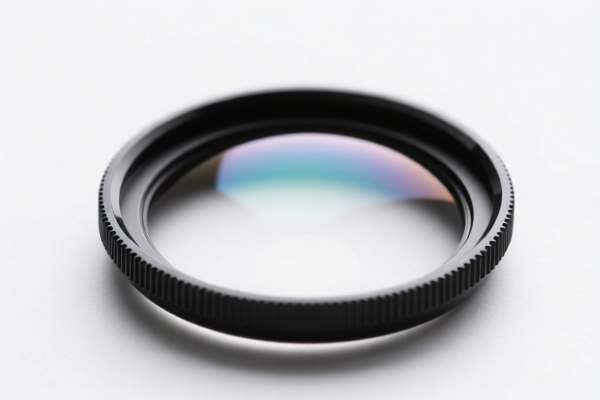
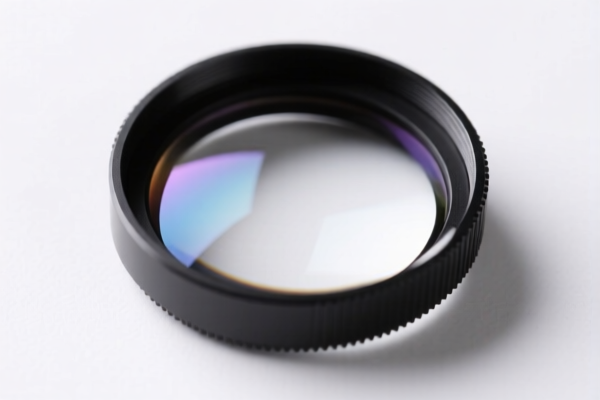
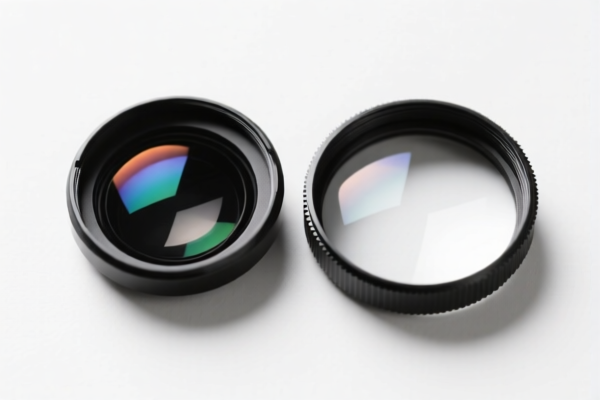
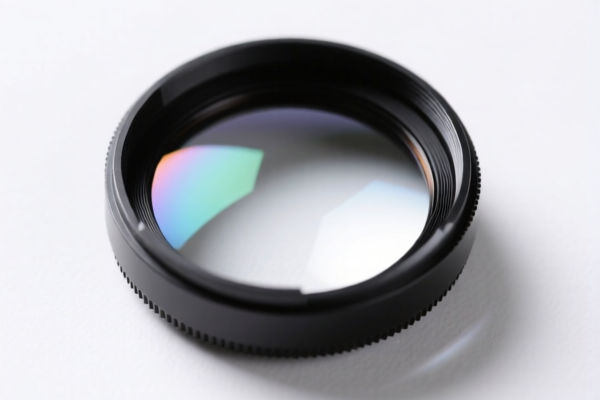
AI Analysis
🔍 Optical Lenses for Eyeglasses (Glass)
🌐 HS Code Reference & Customs Clearance Guide | 2026 Latest Tariff Analysis | Professional Clearance Strategy
📌 I. Product Definition: What Exactly Are We Declaring?
Optical Lenses for Eyeglasses (Glass Material) are precision-ground optical components made primarily from optical glass. In international trade, the classification hinges on two critical factors: 1. Material: Optical Glass (distinct from plastic/acrylic). 2. State: Unmounted/Lens blanks (not yet framed) vs. Mounted lenses.
⚠️ Key Distinction Point:
- If the lenses are unmounted and made of glass → They fall under Chapter 70 (Glass Articles) or Chapter 90 (Optical Instruments) depending on specific processing and intent.
- If they are mounted or used in non-optical applications → Different classifications may apply.
- Critical Note: The provided data indicates multiple potential classifications due to nuances in "optical" vs. "glass article" definitions.
📦 II. HS Code Classification Details (Based on Provided Data)
The following HS Codes are extracted directly from the analysis of the product "Optical Lenses for Eyeglasses." Each code carries a different tax implication due to varying interpretations of "optical goods" vs. "glass articles."
| HS Code | Product Description & Matching Logic | Total Tax Rate | Tax Breakdown |
|---|---|---|---|
| 9001.40.00.00 | Optical Components: Matches "unmounted lenses of any material" and extends to "glass eyeglass lenses." | 19.5% | Base: 2.0% Section 301: 7.5% Section 301 (122): 10% |
| 7015.10.00.00 | Glass Eye-wear Lenses: "Optical glass" matches "glass material"; "lenses" matches "glass for eyeglasses." | 17.5% | Base: 0.0% Section 301: 7.5% Section 301 (122): 10% |
| 7020.00.60.00 | Other Glass Articles: "Glass" matches "glass articles"; "lenses" considered a specific form of glass product. | 40.0% | Base: 5.0% Section 301: 25.0% Section 301 (122): 10% |
| 7020.00.40.00 | Other Glass Articles (Vacuum/Other): "Glass" material matches; lenses considered under "other" category for glass products. | 41.6% | Base: 6.6% Section 301: 25.0% Section 301 (122): 10% |
| 9001.90.60.00 | Parts of Optical Instruments: Lenses are optical elements; material inferred as optical glass/transparent medium. | 35.0% | Base: 0.0% Section 301: 25.0% Section 301 (122): 10% |
🔍 Important Clarification:
- Chapter 90 (9001.xx) is generally preferred for optical lenses, as they are specifically designed for vision correction or optical instruments.
- Chapter 70 (7015.xx / 7020.xx) treats them primarily as glass goods.
- Risk Alert: Misclassification can lead to significant tariff differences (from 17.5% to 41.6%).
💰 III. 2026 Latest Tariff Rate Details (Including Add-on Taxes)
✅ Applicable Country: United States (US)
✅ Origin: China (CN)
✅ Effective Date: Post-November 10, 2025 (including subsequent imports)
🎯 1. 9001.40.00.00 —— Optical Lenses, Unmounted (Best Fit for Optical Purpose)
| Item | Detail |
|---|---|
| Base Tariff | 2.0% (ad valorem) |
| USITC Add-on Tariff (Section 301) | +7.5% |
| IEEPA Add-on Tariff (Section 122) | +10% |
| Total Tariff | 19.5% |
| Tax Calculation | CIF Value × 19.5% |
| De Minimis Exemption | ❌ Not Applicable (deny_de_minimis) |
| Legal Basis Path | IEEPA:9903.01.25 → USITC:9001.40.00.00 → FOOTNOTE:9903.88.01 |
📌 Explanation:
- This classification recognizes the product as an optical component.
- The base tariff is low (2%), but US trade measures add 17.5%, resulting in a moderate total rate.
- Advantage: Lower tax burden compared to Chapter 70 classifications.
🎯 2. 7015.10.00.00 —— Glass Lenses for Eyeglasses (Direct Material Match)
| Item | Detail |
|---|---|
| Base Tariff | 0.0% |
| USITC Add-on Tariff (Section 301) | +7.5% |
| IEEPA Add-on Tariff (Section 122) | +10% |
| Total Tariff | 17.5% |
| Tax Calculation | CIF Value × 17.5% |
| De Minimis Exemption | ❌ Not Applicable |
| Legal Basis Path | IEEPA:9901.25 → USITC:7015.10.00.00 |
📌 Note:
- This is the lowest tariff option provided in the data.
- It explicitly matches "glass" and "eyeglass lenses."
- Recommendation: If customs authorities accept the "glass eyeglass lens" description over "optical component," this is the most cost-effective choice.
🎯 3. 7020.00.60.00 & 7020.00.40.00 —— Other Glass Articles (High Risk)
| Item | Detail |
|---|---|
| Base Tariff | 5.0% (60.60) / 6.6% (40.40) |
| USITC Add-on Tariff (Section 301) | +25.0% |
| IEEPA Add-on Tariff (Section 122) | +10.0% |
| Total Tariff | 40.0% (60.60) / 41.6% (40.40) |
| Tax Calculation | CIF Value × 40-41.6% |
| De Minimis Exemption | ❌ Not Applicable |
📌 Warning:
- These codes treat lenses as generic "glass articles" rather than specialized optical or eyeglass items.
- The 25% Section 301 tariff significantly increases costs.
- Avoid unless necessary: Only use if Chapter 90 and 7015 are rejected by customs.
🎯 4. 9001.90.60.00 —— Parts of Optical Instruments
| Item | Detail |
|---|---|
| Base Tariff | 0.0% |
| USITC Add-on Tariff (Section 301) | +25.0% |
| IEEPA Add-on Tariff (Section 122) | +10.0% |
| Total Tariff | 35.0% |
| Tax Calculation | CIF Value × 35.0% |
| De Minimis Exemption | ❌ Not Applicable |
📌 Note:
- This code is for parts of optical instruments. If the lenses are sold as standalone consumer eyeglass components, this may be less accurate than 9001.40 or 7015.10.
🛠️ IV. Customs Clearance Practical Advice (Field Pitfall Avoidance Guide)
✅ 1. Required Documents Checklist (Must-Have)
| Document | Required | Description |
|---|---|---|
| ✅ Product Specification Sheet | ✔️ | Material: Optical Glass; Refractive Index; Diameter; Curvature; Coating details. |
| ✅ Product Photos | ✔️ | Clear images showing lens shape, edges, and any markings/coatings. |
| ✅ Commercial Invoice | ✔️ | Clearly state: "Optical Lenses for Eyeglasses, Glass Material, Unmounted" |
| ✅ Packing List | ✔️ | Detail quantity, weight, and packaging method. |
| ✅ Certificate of Origin (CO) | ✔️ | Required for tariff application; confirm Chinese origin. |
| ✅ Third-Party Test Report | ✔️ | Optical performance data (if available) to prove "optical" nature. |
✅ 2. Declaration Strategy (Key Mantra)
🔥 "Specify 'Optical Glass Lenses', Avoid 'Glass Articles', Aim for 17.5% or 19.5%!"
| Scenario | Correct Declaration | Incorrect Declaration |
|---|---|---|
| Unmounted Glass Lenses | 7015.10.00.00 (Glass for Eyeglasses) OR 9001.40.00.00 (Optical Lenses) |
7020.00.60.00 (Other Glass Articles) → 40% Tax |
| Lenses with Coating | Still 7015.10.00.00 or 9001.40.00.00 |
Do not split coating and lens |
| Mounted Lenses (in frames) | Different HS Code (e.g., 9003.11) | Do not declare as "lenses" if already in frames |
✅ 3. Special Handling Tips
| Situation | Recommendation |
|---|---|
| Customs Questioning "Optical" Nature | Provide technical specs showing refractive index and precision grinding to prove optical quality. |
If 7015.10.00.00 is Rejected |
Fall back to 9001.40.00.00 (19.5%) before using Chapter 70 generic codes. |
| High-Value Shipments | Consider Advance Ruling to lock in the 17.5% or 19.5% rate. |
| Packaging | Ensure lenses are protected in rigid cases to prevent breakage and clearly label contents. |
🌍 V. Global Market Comparison (2026 Latest)
| Country/Region | Recommended HS Code | Tariff (China Origin) | Notes |
|---|---|---|---|
| 🇺🇸 USA | 7015.10.00.00 or 9001.40.00.00 |
17.5% - 19.5% | Avoid 7020 (40%+) due to high Section 301 tariffs. |
| 🇨🇳 China | 7015.10.00.00 |
~5-10% | Lower import duties compared to US. |
| 🇪🇺 EU | 7015.10.00 |
~0-3% | No major add-on tariffs for optical glass lenses. |
| 🇬🇧 UK | 7015.10.00 |
~0-5% | Post-Brexit rules apply; check UK TARIC. |
📌 Conclusion:
- USA is the most challenging market due to Section 301 and IEEPA tariffs.
- Correct classification is critical: A mistake can cost 20-25% more in taxes.
📌 VI. Common Errors & Pitfalls (Lessons Learned)
❌ Error 1: Declaring optical lenses as "Glass Panels" or "Decorative Glass"
👉 Consequence: Classified under 7020.xx, leading to 40%+ tax and potential audits.
❌ Error 2: Ignoring the "Optical" designation
👉 Consequence: Customs may reclassify as generic glass, triggering higher Section 301 rates.
❌ Error 3: Incomplete Product Description
👉 Consequence: Delayed clearance, requests for additional documentation, or demurrage fees.
✅ Correct Approach:
"Unmounted Optical Glass Lenses for Eyeglasses, Refractive Index 1.52, Diameter 70mm, Coated"
🎯 VII. Conclusion: Precision Classification, Cost Efficiency!
🎯 Remember the Mantra:
🔹 "Glass Eyeglass Lenses → 17.5%
🔹 Optical Lenses → 19.5%
🔹 Generic Glass Articles → 40%+ (Avoid!)"🔹 "HS Code determines your cost. A 20% difference is massive!"
📌 Pro Tip:
If you are importing large volumes, apply for a Binding Tariff Information (BTI) or Advance Ruling from US Customs and Border Protection (CBP) to secure the 17.5% or 19.5% rate definitively.
📣 Take Action Now:
📞 Consult a licensed customs broker.
📄 Provide detailed product specs.
🚀 Ensure smooth clearance and maximize your profit margins!
✨ Professional Clearance Starts with Accurate Classification!
💼 Every dollar of tax saved is pure profit!
Customer Reviews
About HS Code Classification
The Harmonized System (HS) is an internationally standardized nomenclature developed by the World Customs Organization (WCO) to classify traded products. Over 200 countries use the HS system as the basis for customs tariffs, trade statistics, and import/export regulations.
Each HS code follows a hierarchical structure:
- Chapter (2 digits) — Broad category of goods (e.g., Chapter 84: Machinery and Mechanical Appliances)
- Heading (4 digits) — More specific grouping within the chapter
- Subheading (6 digits) — Internationally standardized breakdown, used by all WCO member countries
- National subdivisions (8-10 digits) — Country-specific extensions for further classification, such as US HTSUS 10-digit codes
Correct HS code classification is essential for smooth customs clearance, accurate duty payment, and compliance with trade regulations. Misclassification can lead to customs delays, overpayment of duties, or penalties.
When importing from CN to US, the applicable tariff rates may include:
- Most-Favored-Nation (MFN) rate — The standard duty rate applied to WTO members
- General rate — Applied to countries without trade agreements
- Trade remedy duties — Additional tariffs such as Section 301 (anti-dumping), Section 232 (national security), or countervailing duties
The information provided on this page is for reference purposes only. For official classification, please consult with your local customs authority or a licensed customs broker.