Orange Stick
CN → US| HS Code | Tariff Rate | Origin | Destination | Doc |
|---|---|---|---|---|
| 4417008010 | 40.1% | CN | US | Official Doc |
| 4417008090 | 40.1% | CN | US | Official Doc |
| 3926909989 | 22.8% | CN | US | Official Doc |
| 3926903500 | 16.5% | CN | US | Official Doc |
| 9603298090 | 0.0% | CN | US | Official Doc |
| 9603908050 | 70.3% | CN | US | Official Doc |
Product Images
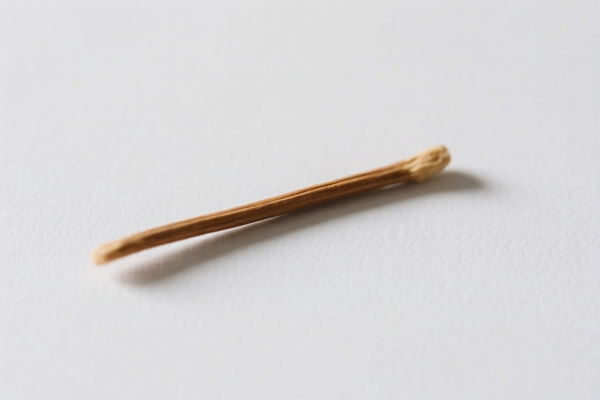
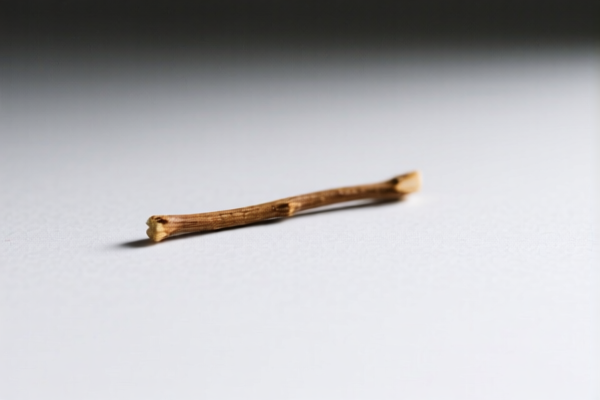
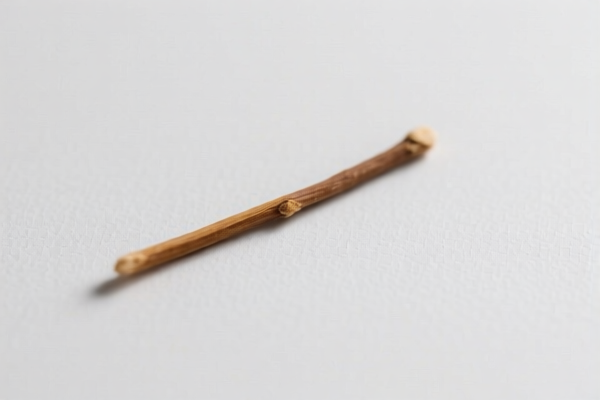

AI Analysis
🍊 Orange Stick (Cuticle Sticks & Manicure Tools)
🌐 HS Code Reference & Customs Clearance Guide | 2026 Latest Tariff Analysis | Professional Compliance Strategy
📌 I. Product Definition: What is an "Orange Stick"?
In the world of cosmetics and personal care, an Orange Stick is a small, flat-ended wooden stick traditionally used to push back cuticles, apply nail polish, or clean under fingernails.
Key Classification Distinction:
- Raw Wooden Tool: If the item is simply a processed piece of wood without any bristles, rubber, or plastic components, it falls under Chapter 44 (Wood).
- Combined Material Tool: If the orange stick has a plastic handle, metal spring, or attached bristles/brushes, it may fall under Chapter 96 (Brushes) or Chapter 39 (Plastics).
- Toilet Brush vs. Artisan Tool: Simple wooden sticks are generally not classified as "toilet brushes" (Chapter 96) unless they are specifically designed as personal hygiene brushes. Most simple wooden orange sticks are classified as "Other Tool Handles" or "Other Articles of Wood."
⚠️ Critical Warning:
- Many importers mistakenly classify orange sticks under9603(Brushes). However, if the product is pure wood and not a "brush" in the traditional sense (no bristles/tufts), it belongs in Chapter 44.
- If the product is plastic or has plastic parts, it falls under Chapter 39 or Chapter 96.
- Customs often disputes Chapter 96 classifications for simple wooden sticks, leading to delays.
📦 II. HS Code Classification Matrix (2026 Authorized List)
Below are the only HS Codes provided in the <DATA> source. We must map "Orange Stick" to the most appropriate code based on its material and composition.
| HS Code | Product Description | Material Composition | Tax Rate (China → US) | Applicability to Orange Sticks |
|---|---|---|---|---|
| 4417.00.80.10 | Other Tool handles (of wood) | 100% Wood (Processed wood, no other materials) |
30.1% (5.1% Base + 25% Additional) |
✅ Most Likely For plain, unadorned wooden sticks used as manicure tools. Classified as "wooden tool handles" or "articles of wood." |
| 4417.00.80.90 | Other articles of wood (Other Other) | 100% Wood (General wooden articles) |
30.1% (5.1% Base + 25% Additional) |
✅ Alternative If not strictly a "handle," but still pure wood. Same tax rate as above. |
| 3926.90.99.89 | Other articles of plastics and other materials | Plastic or Mixed Material (If made of plastic or composite) |
12.8% (5.3% Base + 7.5% Additional) |
⚠️ Possible If the orange stick is made of plastic (common in modern manufacturing) or has significant plastic components. |
| 9603.29.80.90 | Toothbrushes, shaving brushes... valued > 40¢ each | Brushes (With bristles/tufts) |
0.0% (No Base, No Additional) |
❌ Rarely Applicable Orange sticks do not have bristles. Unless it’s a fancy "brush" valued over $0.40, this code is likely incorrect for standard orange sticks. |
| 9603.90.80.50 | Other brushes... prepared knots and tufts | Brushes/Parts (With bristles/tufts) |
60.3% (2.8% Base + 7.5% Add. + 50% Steel/Al/Cu Surcharge) |
❌ High Risk / Incorrect Only applies if the product is a brush with metal/plastic parts. The 50% surcharge makes this code extremely expensive. Do not use for wooden sticks. |
| 3926.90.35.00 | Beads, bugles, spangles... not strung | Plastic Decorations | 0.0% (No Base, No Additional) |
❌ Incorrect This code is for beads/spangles, not tools. |
💰 III. Tariff Rate Detailed Breakdown (2026)
✅ Applicable Country: United States (US)
✅ Origin: China (CN)
✅ Effective Date: 2025/2026 Tariff Schedule
🎯 1. 4417.00.80.10 / 4417.00.80.90 (Wooden Orange Sticks)
🏆 Most Common Classification for Wooden Sticks
| Item | Details |
|---|---|
| Base Tariff | 5.1% |
| Section 301 Additional Tariff | +25.0% |
| Total Duty | 30.1% |
| Calculation | CIF Value × 30.1% |
| De Minimis Eligibility | ❌ No (Section 301 duties apply even to small parcels if declared as such, though de minimis exemptions may vary by shipment size/value; typically, 301 duties are not waived under Section 321 for China-origin goods in many contexts, or are strictly monitored). |
| Legal Basis | USITC HTSUS 4417.00 + Section 301 Footnote |
📌 Explanation:
- Wooden manicure sticks are considered "articles of wood."
- They attract the standard 5.1% base duty plus the heavy 25% Section 301 surcharge.
- Total Cost Impact: 30.1% is significant. Budget accordingly.
🎯 2. 3926.90.99.89 (Plastic/Mixed Material Orange Sticks)
💰 Lower Duty Option for Plastic Versions
| Item | Details |
|---|---|
| Base Tariff | 5.3% |
| Section 301 Additional Tariff | +7.5% |
| Total Duty | 12.8% |
| Calculation | CIF Value × 12.8% |
| De Minimis Eligibility | ⚠️ Check (Some plastic goods may have different treatment, but generally, 301 duties apply. However, the rate is much lower than wood). |
| Legal Basis | USITC HTSUS 3926.90 + Section 301 Footnote |
📌 Explanation:
- If your orange sticks are made of plastic (often called "nail sticks" or "manicure picks"), they may qualify for this lower duty rate.
- 12.8% is significantly cheaper than 30.1%.
- Strategy: If possible, switch to plastic materials to reduce duty burden by ~17.3 percentage points.
🎯 3. 9603.29.80.90 (Toilet Brushes / Valued > 40¢)
🚫 Likely Incorrect but Low Duty
| Item | Details |
|---|---|
| Base Tariff | 0.0% |
| Section 301 Additional Tariff | 0.0% |
| Total Duty | 0.0% |
| Risk | High Misclassification Risk |
📌 Explanation:
- While the duty is 0%, this code is for brushes (with bristles) valued over 40 cents.
- Orange sticks do not have bristles. Customs will likely reject this classification upon inspection, leading to penalties, back-taxes, and delays.
- Do not use unless you are importing a specialized brush product that qualifies under this specific "valued over 40¢" clause.
🛠️ IV. Customs Clearance Practical Advice
✅ 1. Preparation Checklist
| Document | Requirement | Why? |
|---|---|---|
| ✅ Product Photos | Clear images showing no bristles, only wood/plastic. | To prove it is NOT a brush (9603). |
| ✅ Material Declaration | Explicitly state: "100% Wooden" or "100% Plastic." | Determines if HS Code is 4417 (Wood) or 3926 (Plastic). |
| ✅ Function Description | "Cuticle pusher," "Manicure stick," NOT "Toothbrush" or "Makeup Brush." | Avoids confusion with Chapter 96. |
| ✅ Commercial Invoice | List item as "Wooden Manicure Sticks, Model XYZ." | Prevents ambiguity. |
| ✅ Packing List | Include weight and piece count. | For duty calculation accuracy. |
✅ 2.申报技巧 (Declaration Tips)
🔥 "Material First, Function Second!"
| Scenario | Recommended HS Code | Reason |
|---|---|---|
| Pure Wooden Stick | 4417.00.80.10 |
Classified as "wooden tool handle" or "article of wood." |
| Plastic Stick | 3926.90.99.89 |
Classified as "other plastic article." Lower duty (12.8%). |
| Wooden Stick with Metal Spring? | Avoid! | May be classified as 9603.90.80.50 (60.3% duty). |
| Brush-like Wooden Stick | 9603.90.80.50 |
If it resembles a brush, Customs may force this code (60.3%). |
✅ 3. Cost Optimization Strategy
- Switch to Plastic: If duty savings are critical, consider using plastic orange sticks.
- Wood: 30.1%
- Plastic: 12.8%
-
Savings: 17.3% of CIF value.
-
Avoid Chapter 96 Unless Certain:
-
Do not classify as
9603.29.80.90(0% duty) unless you are 100% sure it qualifies as a "brush valued over 40¢." The risk of audit and back-taxes is high. -
Avoid Chapter 96 Mixed Materials:
- Do not classify as
9603.90.80.50(60.3% duty). The 50% steel/aluminum/copper surcharge makes it extremely expensive.
🌍 V. Global Market Comparison (2026)
| Market | Recommended HS Code | Duty Rate (China Origin) | Notes |
|---|---|---|---|
| 🇺🇸 USA | 4417.00.80.10 (Wood) |
30.1% | High duty due to Section 301. |
| 🇪🇺 EU | 4421.99 (Wood) |
~2.5% | Lower base duty, no Section 301 equivalent. |
| 🇨🇳 China | 4421.99 (Wood) |
~5-10% | Import duty applies, but no additional surcharges. |
| 🇬🇧 UK | 4421.99 (Wood) |
~2.5% | Similar to EU post-Brexit. |
📌 Conclusion:
- USA is the most expensive market for wooden orange sticks due to Section 301 duties.
- Plastic versions offer a cheaper alternative even in the US market.
📌 VI. Common Mistakes & Pitfalls
❌ Mistake 1: Classifying wooden orange sticks as 9603.29.80.90 (0% duty)
👉 Consequence: Customs rejects the classification because it’s not a brush. You face back-taxes (30.1%) + penalties.
❌ Mistake 2: Using 9603.90.80.50 (60.3% duty) for wooden sticks
👉 Consequence: Overpaying by 30%+. This code is for brushes with parts, not simple sticks.
❌ Mistake 3: Not declaring material correctly
👉 Consequence: If you say "wood" but send plastic, Customs may seize goods or impose fines for misdeclaration.
✅ Correct Practice:
"Wooden Manicure Sticks, 100% Basswood, No Bristles, Model XYZ" →
4417.00.80.10
"Plastic Cuticle Pushers, 100% PP Plastic, Model XYZ" →3926.90.99.89
🎯 VII. Conclusion: Professional Declaration, Lower Costs!
🎯 Key Takeaway:
🔹 Wooden Sticks = 30.1% Duty (
4417.00.80.10)
🔹 Plastic Sticks = 12.8% Duty (3926.90.99.89)
🔹 Never Use9603Codes unless you have a brush with bristles.📌 Pro Tip:
If you are importing large volumes, switch to plastic orange sticks to save 17.3% in duty costs. Always provide clear photos and material declarations to avoid Customs audits.
📣 Immediate Action:
📞 Contact Your Customs Broker: Confirm if your supplier’s "orange sticks" are 100% wood or plastic.
📄 Prepare Photos: Show the lack of bristles to justify4417or3926.
🚀 Optimize Your Supply Chain: Consider plastic alternatives to reduce duty burden.
✨ Precision in Classification, Savings in Duty!
💼 Every HS Code Decision Impacts Your Bottom Line!
Customer Reviews
About HS Code Classification
The Harmonized System (HS) is an internationally standardized nomenclature developed by the World Customs Organization (WCO) to classify traded products. Over 200 countries use the HS system as the basis for customs tariffs, trade statistics, and import/export regulations.
Each HS code follows a hierarchical structure:
- Chapter (2 digits) — Broad category of goods (e.g., Chapter 84: Machinery and Mechanical Appliances)
- Heading (4 digits) — More specific grouping within the chapter
- Subheading (6 digits) — Internationally standardized breakdown, used by all WCO member countries
- National subdivisions (8-10 digits) — Country-specific extensions for further classification, such as US HTSUS 10-digit codes
Correct HS code classification is essential for smooth customs clearance, accurate duty payment, and compliance with trade regulations. Misclassification can lead to customs delays, overpayment of duties, or penalties.
When importing from CN to US, the applicable tariff rates may include:
- Most-Favored-Nation (MFN) rate — The standard duty rate applied to WTO members
- General rate — Applied to countries without trade agreements
- Trade remedy duties — Additional tariffs such as Section 301 (anti-dumping), Section 232 (national security), or countervailing duties
The information provided on this page is for reference purposes only. For official classification, please consult with your local customs authority or a licensed customs broker.