Organizing Display Rack
CN → US| HS Code | Tariff Rate | Origin | Destination | Doc |
|---|---|---|---|---|
| 7326908688 | 87.9% | CN | US | Official Doc |
| 9403200082 | 85.0% | CN | US | Official Doc |
| 9403200078 | 85.0% | CN | US | Official Doc |
| 7326903500 | 92.8% | CN | US | Official Doc |
| 9403608093 | 35.0% | CN | US | Official Doc |
Product Images
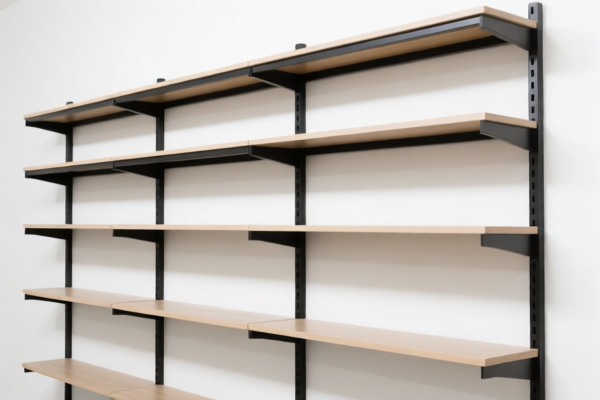
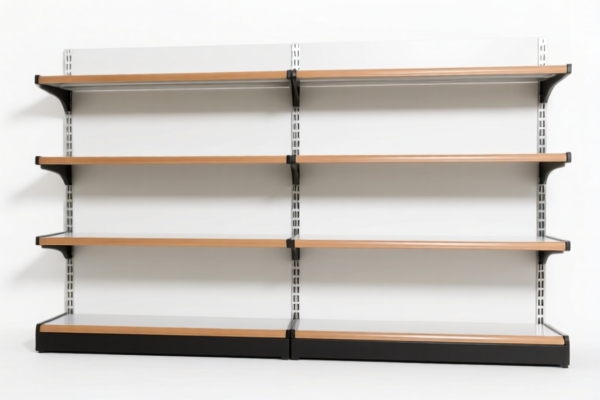
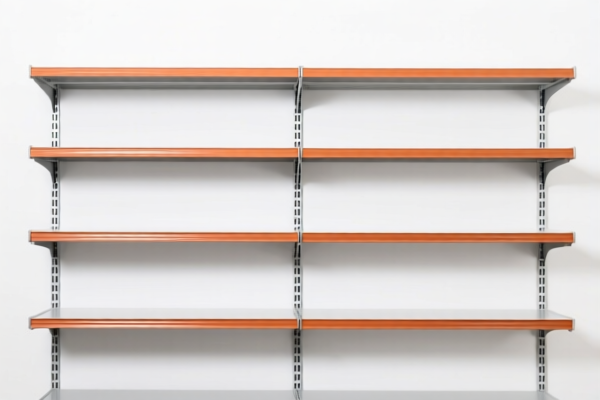
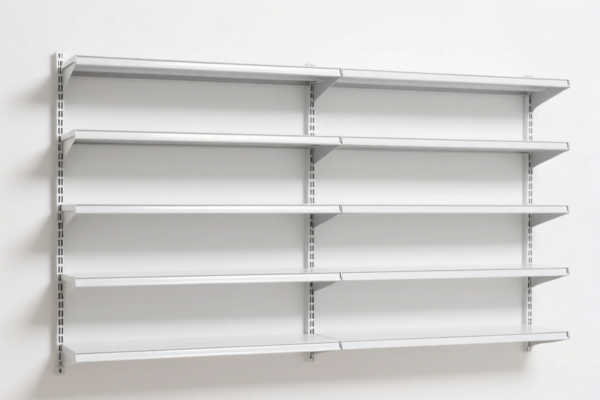
AI Analysis
🗄️ Organizing Display Rack (Storage & Shelving Solutions)
🌐 HS Code Reference & Customs Clearance Guide | 2026 Latest Tariff Analysis | Professional Strategy for Metal/Wooden Racks
📌 I. Product Definition & Classification: What Exactly is an "Organizing Display Rack"?
An Organizing Display Rack is a versatile storage solution used in retail, warehousing, or home organization. In international trade, its classification depends strictly on Material and Primary Function. The provided data highlights a critical split:
1. Metal Storage/Display Units (Steel/Iron):
- Includes industrial shelving, retail display racks, warehouse pallet racks.
- Key Logic: If it functions as a shelf/unit, it falls under Chapter 94 (Furniture). If it is merely a container/box-like structure, it may fall under Chapter 73 (Articles of Iron/Steel).
2. Wooden Storage Units:
- Includes wooden shoe racks, bathroom organizers, small shelving units.
- Key Logic: Classifies as Wooden Furniture under Chapter 94.
⚠️ Critical Distinction:
- Metal Shelving/Display: Often classified as Furniture (9403) if designed for human use/storage, rather than generic industrial parts.
- Metal Containers: If the item is primarily a "box" or "crates" for carrying goods (not a standing rack for display/storage of other items), it may fall under 9403 vs 7326.
- Wooden Racks: Clearly 9403 (Furniture).
📦 II. HS Code Classification Details (Based on Provided Data)
| HS Code | Product Description | Material | Primary Function | Total Tax Rate |
|---|---|---|---|---|
9403.20.00.82 |
Other Furniture of Metal | Metal (Steel/Iron) | Display Racks, Shelving, Storage Units | 85.0% |
9403.20.00.78 |
Other Furniture of Metal | Metal (Steel/Iron) | General Metal Furniture (Common Sense Inference) | 85.0% |
9403.60.80.93 |
Other Wooden Furniture | Wood | Wooden Organizing Racks/Shelves | 35.0% |
7326.90.86.88 |
Other Articles of Iron/Steel | Metal (Steel/Iron) | Generic Metal Articles (Fallback Category) | 87.9% |
7326.90.35.00 |
Other Containers of Iron/Steel | Metal (Steel/Iron) | Carrying/Storage Containers (Boxes/Crates) | 92.8% |
🔍 Analysis:
-9403.20.00.82/78are the most likely codes for "Display Racks" made of metal, as they are explicitly categorized as "Furniture" (shelves/units).
-7326codes are riskier "fallback" categories. Customs may use these if they view the rack as a "container" rather than "furniture," leading to higher taxes (87.9% - 92.8%).
-9403.60.80.93is the correct code for wooden organizing racks, offering the lowest tax burden (35.0%).
💰 III. 2026 Latest Tariff Rate Breakdown (Detailed Analysis)
✅ Applicable Country: United States (US)
✅ Country of Origin: China (CN)
✅ Effective Date: 2025/2026 (Current Trade War Status)
🎯 1. 9403.20.00.82 / 9403.20.00.78 —— Metal Furniture (Display Racks)
| Item | Detail |
|---|---|
| Base Duty | 0.0% (Standard MFN rate for this subheading) |
| Section 301 Duty (Add-on) | +25.0% (High tariffs on Chinese goods) |
| Section 122 / IEEPA Duty | +50.0% (Specific add-on for Steel/Aluminum/Copper products) |
| Total Tax Rate | 85.0% |
| De Minimis Exemption? | ❌ NO (Value > $800 requires full duty calculation) |
| Legal Basis Path | USITC:9403.20.00.82 → IEEPA:9903.01.25 (Steel Add-on) + Section 301 |
📌 Explanation:
- Although the base rate is 0%, the combined attack of Section 301 (25%) and Steel-specific tariffs (50%) results in a massive 85% total duty.
- This applies to all steel/iron furniture, including display racks.
🎯 2. 9403.60.80.93 —— Wooden Furniture
| Item | Detail |
|---|---|
| Base Duty | 0.0% |
| Section 301 Duty (Add-on) | +25.0% |
| Section 122 / IEEPA Duty | 0% (Does not apply to Wood) |
| Total Tax Rate | 35.0% |
| De Minimis Exemption? | ❌ NO (But significantly cheaper than metal) |
| Legal Basis Path | USITC:9403.60.80.93 → Section 301 only |
📌 Explanation:
- Wooden racks are much cheaper to import. The 50% steel surcharge does not apply.
- If your product can be substituted with wood, do it to save 50% in duties.
🎯 3. 7326.90.86.88 / 7326.90.35.00 —— Non-Furniture Metal Articles
| Item | Detail |
|---|---|
| Base Duty | 2.9% - 7.8% |
| Section 301 Duty (Add-on) | +25.0% |
| Section 122 / IEEPA Duty | +50.0% (Steel Add-on) |
| Total Tax Rate | 87.9% - 92.8% |
| De Minimis Exemption? | ❌ NO |
📌 Warning:
- If Customs rejects the "Furniture" classification (9403) and classifies your rack as a "container" (7326), the base rate is higher, and the total tax hits up to 92.8%.
- This is the wor-case scenario.
🛠️ IV. Customs Clearance Practical Advice (Real-World Pitfall Avoidance)
✅ 1. Documentation Checklist (Must-Haves)
| Document | Required | Why? |
|---|---|---|
| ✅ Product Specifications | ✔️ | Must clearly state Material (Wood vs. Steel) and Use (Display/Storage). |
| ✅ Assembly Diagram | ✔️ | Proves it is a "Furniture" unit (standing structure), not a loose container. |
| ✅ Commercial Invoice | ✔️ | Description: "Metal Display Rack, for Retail Shelving, Not for Industrial Transport." |
| ✅ Material Proof | ✔️ | If wooden: Provide FSC certification. If metal: Confirm no special alloy exemptions. |
| ✅ Photos | ✔️ | Show the rack with clothes/books on it (proves "Furniture" use). |
✅ 2. Declaration Strategy (Key Tips)
🔥 Golden Rule: "Call it Furniture, Not a Container!"
| Scenario | Correct HS Code | Error | Consequence |
|---|---|---|---|
| Steel Display Rack | 9403.20.00.82 |
Misdeclared as 7326 |
+2.9% to +7.8% extra tax + Audit Risk |
| Wooden Organizer | 9403.60.80.93 |
Misdeclared as Plastic | High duty (Plastic may have different rules) |
| Mixed Material Rack | Primary Material Rule | Misdeclaring as Wood | If frame is steel, it’s Steel Furniture (85% tax) |
💡 Tip:
- If the rack has wooden shelves but a steel frame, it is still generally classified as Metal Furniture if the structural integrity comes from the metal. Check the "Essential Character" rule.
✅ 3. Special Case Handling
| Situation | Advice |
|---|---|
| Foldable Racks | Still classified as Furniture (9403). Do not declare as "Plastic/Fabric parts." |
| Retail Display vs. Warehouse Pallet Rack | Retail/Office: 9403. Heavy-duty Warehouse Pallet Racks: May still be 9403, but ensure "Furniture" description is strong. |
| Kit Shipped with Assembly Hardware | Declare as complete unit. Do not split hardware into separate HS codes. |
🌍 V. Global Market Comparison (2026 Outlook)
| Market | Recommended HS Code | Est. Duty (China Origin) | Key Requirement |
|---|---|---|---|
| 🇺🇸 USA | 9403.20.00.82 (Metal) |
85.0% | FCC/CPSC (if child-related), Standard Customs |
| 🇪🇺 EU | 9403.10 or 9403.20 |
~2.5% - 5% | CE Marking, REACH Compliance |
| 🇬🇧 UK | 9403.20 |
~5% - 12% | UKCA Marking |
| 🇨🇦 Canada | 9403.20 |
~0% - 5% | No Section 301 equivalent, but watch for CUSMA rules |
| 🇯🇵 Japan | 9403.60 |
~5% - 10% | PSE (if electric components attached) |
📌 Insight:
- The US market is extremely expensive for metal organizing racks due to the 50% steel tariff + 25% Section 301.
- Alternative: Consider sourcing from Vietnam/Mexico for metal racks to avoid Section 301 (though steel tariffs may still apply).
- Wooden racks are the most cost-effective for the US market among the options shown.
📌 VI. Common Mistakes & Pitfalls (Blood & Tears Lessons)
❌ Mistake 1: Declaring a Steel Display Rack as "Plastic Storage Bin"
👉 Result: Customs inspection reveals steel → Penalty + Back Duty + 20% Penalty Fee.
❌ Mistake 2: Splitting a Metal Rack into "Shelves" (Plastic) and "Frame" (Metal)
👉 Result: Shelves may be taxed at plastic rates, Frame at 85%. Complexity increases clearance time.
❌ Mistake 3: Ignoring the Wood vs. Metal distinction
👉 Result: If you claim wood but it’s MDF (Medium Density Fiberboard) with metal pins, customs may still classify as Wood. But if it’s pure steel, you pay 85%. Be honest about materials.
✅ Correct Declaration Example:
"Metal Display Rack, Model XYZ, For Retail Store Organization, Steel Construction, Foldable, No Electrical Components, HS Code: 9403.20.00.82"
🎯 VII. Conclusion: Optimize for Profit
🎯 Key Takeaway:
🔹 Metal Racks = High Tax (85%). Avoid if possible or source from non-China origins.
🔹 Wooden Racks = Low Tax (35%). Best value for US import.
🔹 Never use "Container" (7326) codes for display racks unless it’s truly a shipping crate. Use Furniture (9403) codes to leverage the 0% base duty (even with high add-ons, it’s better than higher base rates).
📌 Pro Tip:
If you are importing large volumes of metal racks, consider tariff engineering:
- Can you use Plastic components for the structure? (Plastic furniture may have different tariffs).
- Can you import kits and assemble in a third country (e.g., Mexico) to qualify for USMCA duty-free status?
📣 Action Plan:
1. Verify Material: Is it 100% Steel, Wood, or Mixed?
2. Choose 9403: Always aim for Furniture classification.
3. Calculate Cost:
- Metal: CIF × 85%
- Wood: CIF × 35%
4. Consult Customs Broker: Submit Pre-Commitment (Pre-Ruling) to USA for your specific rack design.
✨ Smart Classification Saves Millions!
💼 Don’t let tariffs eat your margin.
🚀 Clear the way to profitable exports!
Customer Reviews
About HS Code Classification
The Harmonized System (HS) is an internationally standardized nomenclature developed by the World Customs Organization (WCO) to classify traded products. Over 200 countries use the HS system as the basis for customs tariffs, trade statistics, and import/export regulations.
Each HS code follows a hierarchical structure:
- Chapter (2 digits) — Broad category of goods (e.g., Chapter 84: Machinery and Mechanical Appliances)
- Heading (4 digits) — More specific grouping within the chapter
- Subheading (6 digits) — Internationally standardized breakdown, used by all WCO member countries
- National subdivisions (8-10 digits) — Country-specific extensions for further classification, such as US HTSUS 10-digit codes
Correct HS code classification is essential for smooth customs clearance, accurate duty payment, and compliance with trade regulations. Misclassification can lead to customs delays, overpayment of duties, or penalties.
When importing from CN to US, the applicable tariff rates may include:
- Most-Favored-Nation (MFN) rate — The standard duty rate applied to WTO members
- General rate — Applied to countries without trade agreements
- Trade remedy duties — Additional tariffs such as Section 301 (anti-dumping), Section 232 (national security), or countervailing duties
The information provided on this page is for reference purposes only. For official classification, please consult with your local customs authority or a licensed customs broker.