Other Animal Fine Hair Clothing
CN → US| HS Code | Tariff Rate | Origin | Destination | Doc |
|---|---|---|---|---|
| 6214900090 | 28.8% | CN | US | Official Doc |
| 6114900560 | 29.5% | CN | US | Official Doc |
| 4303100060 | 39.0% | CN | US | Official Doc |
| 4303900000 | 35.0% | CN | US | Official Doc |
| 6114900570 | 29.5% | CN | US | Official Doc |
Product Images
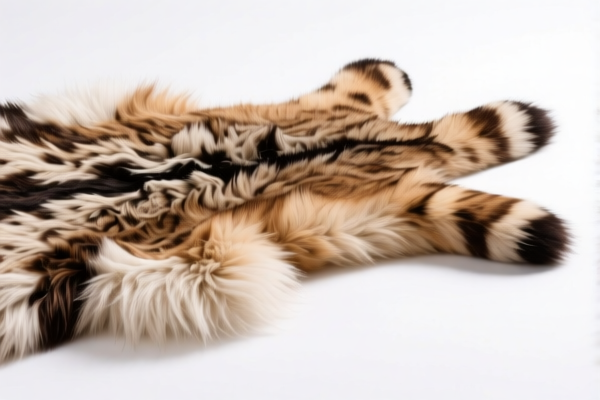
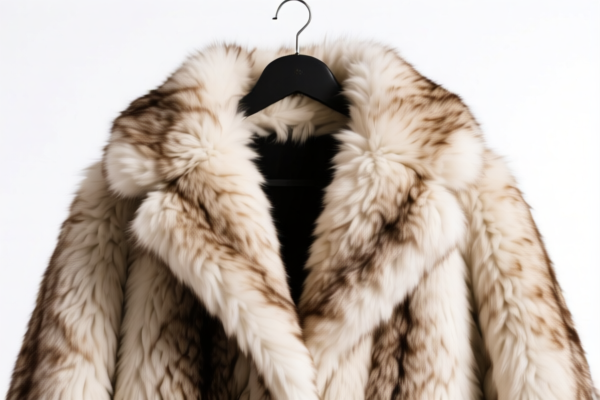
AI Analysis
🧥 Other Animal Fine Hair Clothing (Non-Wool & Non-Silk)
🌐 HS Code Reference & Clearance Guide | 2026 Latest Tax Rules | Professional Customs Strategy
📌 I. Product Definition & Classification: What is "Other Animal Fine Hair Clothing"?
"Other Animal Fine Hair Clothing" refers to garments made from fibers derived from animals other than sheep/wool or silk, but with a fine fiber structure (often used in luxury fashion). Common examples include: * Cashmere & Alpaca (though often grouped with wool, specific "fine hair" classifications apply here if not explicitly sheep wool). * Mohair (Angora goat). * Camel hair (dromedary or Bactrian). * Vicuna, Llama, or Guanaco hair. * Angora rabbit hair.
⚠️ Critical Distinction:
- If made of Sheep Wool or Silk → It falls under different chapters (usually 61/62 specific wool codes).
- If made of Hair/Down from non-sheep animals (e.g., Camel, Alpaca, Cashmere) → It falls under "Other" (其他) categories in HS Codes 6114 or 6214, or even 4303 if it includes fur pelts.
- Fur vs. Hair: If the garment uses whole pelts (skin + fur), it belongs to Chapter 43 (Fur). If it uses spun fibers/hair (knitted or woven), it belongs to Chapter 61 or 62.
📦 II. HS Code Classification Details (2026 Latest Rules)
Based on the provided data, here are the specific classifications for Other Animal Fine Hair Clothing:
| HS Code | Product Description | Classification Logic | Tax Rate (Total) |
|---|---|---|---|
6214.90.00.90 |
Animal Fine Hair Clothing (Non-Knitted) (Other textile material scarves, shawls, etc., excluding jackets) |
Woven/Woven-like garments made of fine animal hair (e.g., wool blends, camel hair shawls, scarves). | 28.8% |
6114.90.05.60 |
Animal Fine Hair Clothing (Knitted/Top) (Wool or fine animal hair knitted tops/sweaters) |
Knitted/Hand-knitted garments (sweaters, cardigans) made of fine animal hair. | 29.5% |
6114.90.05.70 |
Animal Fine Hair Clothing (Knitted/Non-Top) (Knitted garments that are NOT tops/sweaters) |
Knitted pants, skirts, or other garments made of fine animal hair. | 29.5% |
4303.10.00.60 |
Other Fur Garments (Specific Exclusion) (Fur garments not covered by specific breed lists) |
Fur garments made from whole skins/pelts of other animals (e.g., mink, fox, rabbit) that don't fit specific sub-categories. | 39.0% |
4303.90.00.00 |
Other Fur Garments (General) (Fur garments meeting "other" category requirements) |
General fur garments made of fur skins/pelts not specifically listed above. | 35.0% |
🔍 Key Takeaway:
- Knitted/Hair Fiber (No skin) → 6114 or 6214 (Tax ~28.8% - 29.5%).
- Fur/Skin (Whole pelt) → 4303 (Tax ~35.0% - 39.0%).
- Jackets are explicitly excluded from6214.90.00.90in this dataset.
💰 III. 2026 Tax Rate Breakdown (Including Surcharges & Policy Add-ons)
✅ Applicable Country: China (as per tax detail structure)
✅ Product Origin: Likely China (CN)
✅ Effective Time: Current Policy (2026 Framework)
🎯 1. 6214.90.00.90 & 6114.90.05.60/70 (Textile Hair Garments)
These items face a high combined tax burden due to multiple surcharges.
| Tax Component | Rate | Description |
|---|---|---|
| Base Tariff | 11.3% - 12.0% | Standard Most-Favored-Nation (MFN) rate for textile hair garments. |
| Section 301 (Add-on) | +7.5% | Additional tariff imposed under Section 301 of the Trade Act. |
| Section 122 Tariff | +10.0% | Specific anti-dumping or countervailing duty (122 Clause). |
| Total Tax Rate | 28.8% - 29.5% | Sum of all components (11.3/12.0 + 7.5 + 10). |
📌 Explanation:
- Base Tariff: Standard duty for "Other textile materials" or "Wool/Fine hair".
- Section 301 (7.5%): A standard add-on for many Chinese textile products.
- 122 Clause (10%): A specific policy surcharge targeting this category (likely related to trade balance or specific product reviews).
- Total: The effective duty is nearly 3x the base rate.
🎯 2. 4303.10.00.60 & 4303.90.00.00 (Fur Garments)
Fur garments face even higher "protectionist" tariffs due to the base rate being low but the surcharge being massive.
| Tax Component | Rate | Description |
|---|---|---|
| Base Tariff | 0.0% - 4.0% | Very low or zero base duty for fur products. |
| Section 301 (Add-on) | +25.0% | High additional tariff imposed under Section 301. |
| Section 122 Tariff | +10.0% | Specific policy surcharge (122 Clause). |
| Total Tax Rate | 35.0% - 39.0% | Sum of all components (0-4 + 25 + 10). |
📌 Explanation:
- Despite a 0% base rate for some fur garments, the 25% Section 301 surcharge dominates the cost.
- This category is highly sensitive to trade policy changes.
🛠️ IV. Customs Clearance Practical Advice (Actionable Tips)
✅ 1. Documentation Checklist (Must Have)
| Document | Requirement | Why It Matters |
|---|---|---|
| Fiber Composition Certificate | ✔️ Critical | Must explicitly state "Animal Fine Hair" (e.g., Camel, Alpaca, Mohair) vs. "Wool" to justify HS Code 6114/6214 over wool codes. |
| Garment Type Diagram | ✔️ | Clearly show if it is Knitted (6114) vs. Woven (6214) vs. Fur Pelt (4303). |
| Material Origin Proof | ✔️ | Prove the "Fine Hair" is not sheep wool (to avoid wool-specific codes). |
| Commercial Invoice | ✔️ | Must use the exact phrase "Other Animal Fine Hair Clothing" to match the summary. |
| Packing List | ✔️ | Separate fur garments from textile hair garments if mixed in one shipment. |
✅ 2. Declaration Strategy (The "Golden Rules")
🔥 Rule #1: Knitted vs. Woven
- If the item is knitted (like a sweater) → Use6114.90.05.xx.
- If the item is woven (like a scarf or shawl) → Use6214.90.00.90.
- Mistake Alert: Declaring a knitted camel-hair sweater as a woven scarf (6214) will cause a delay and potential fine.🔥 Rule #2: Fur vs. Hair
- If the garment uses whole animal skins (pelts) → Use4303.xx.xx.
- If the garment uses spun fibers (thread made from hair) → Use6114or6214.
- Critical: Fur garments pay 35-39% tax, while hair fiber garments pay 28.8-29.5%. Correct classification saves ~5-10%.🔥 Rule #3: "Jacket" Exclusion
- The data explicitly states6214.90.00.90is "Excluding Jackets".
- If you have a camel-hair jacket, do NOT use this code. It likely belongs to 6201 (coats) or 6101 (knitted coats), which have different tax rules.
✅ 3. Special Circumstances
| Scenario | Action |
|---|---|
| Mixed Materials | If the garment is 70% Camel Hair + 30% Polyester, declare the dominant material (70% hair) but be prepared to show the blend ratio. |
| Luxury Brand | High-end brands often use "Vicuña" or "Camel". Ensure the invoice specifies the species to avoid misclassification as generic "Wool". |
| Customs Inspection | For 4303 (Fur), expect a physical inspection to verify if it's real fur or synthetic "faux fur" (which would have 0% tax). |
🌍 V. Market Comparison & Risk Assessment
| Feature | Textile Hair (6114/6214) |
Fur Garments (4303) |
|---|---|---|
| Total Tax | 28.8% - 29.5% | 35.0% - 39.0% |
| Primary Surcharge | 7.5% (Section 301) + 10% (122 Clause) | 25.0% (Section 301) + 10% (122 Clause) |
| Risk Level | Medium | High (Due to high surcharge) |
| Key Differentiator | Material Structure (Knit/Woven) | Material Origin (Skin vs. Fiber) |
📌 Conclusion:
- Textile Hair Garments are slightly cheaper to import due to lower Section 301 surcharges (7.5% vs 25%).
- Fur Garments are heavily taxed regardless of the low base rate.
- Jackets are excluded from the6214category; ensure they are correctly classified to avoid tax penalties.
📌 VI. Common Errors & Pitfalls (Learn from Mistakes)
❌ Error 1: Calling a Camel-Hair Knitted Sweater a "Scarf" (6214).
👉 Result: Wrong HS Code → Delay + Fine. Must use 6114.90.05.60.
❌ Error 2: Declaring Fur Pelts as "Wool/Textile" (6114).
👉 Result: If caught, you face fraud charges and 35-39% tax instead of 0-12%.
❌ Error 3: Including Jackets in the 6214.90.00.90 declaration.
👉 Result: Rejection. Jackets have their own code (e.g., 6201).
✅ Correct Strategy:
"Camel Hair Knitted Sweater" →
6114.90.05.60(29.5% Tax).
"Alpaca Woven Shawl" →6214.90.00.90(28.8% Tax).
"Mink Fur Coat" →4303.10.00.60(39.0% Tax).
🎯 VII. Final Advice: Professional Clearance, Cost Optimization
🎯 Remember:
"Knitted vs. Woven, Skin vs. Fiber, Jackets are Out!"
"Tax is 29% for Hair, 35% for Fur, 10% more for 122 Clause!"
📌 Pro Tip:
If you are importing Fur Garments (4303), consider if the Section 301 (25%) surcharge can be avoided through origin shifts (e.g., processing in Vietnam or Mexico) or by reclassifying if the material is synthetic. However, knitted wool/fine hair (6114/6214) is generally safer with a lower surcharge.
📣 Immediate Action:
📞 Contact your customs broker with Fiber Composition Certificates and Garment Type Diagrams before shipping.
🚀 Classify accurately to avoid the 25% or 301/122 Clause surprises.
✨ Precise Classification = Savings!
💼 Your Profit Margin Depends on These Tax Details!
Customer Reviews
About HS Code Classification
The Harmonized System (HS) is an internationally standardized nomenclature developed by the World Customs Organization (WCO) to classify traded products. Over 200 countries use the HS system as the basis for customs tariffs, trade statistics, and import/export regulations.
Each HS code follows a hierarchical structure:
- Chapter (2 digits) — Broad category of goods (e.g., Chapter 84: Machinery and Mechanical Appliances)
- Heading (4 digits) — More specific grouping within the chapter
- Subheading (6 digits) — Internationally standardized breakdown, used by all WCO member countries
- National subdivisions (8-10 digits) — Country-specific extensions for further classification, such as US HTSUS 10-digit codes
Correct HS code classification is essential for smooth customs clearance, accurate duty payment, and compliance with trade regulations. Misclassification can lead to customs delays, overpayment of duties, or penalties.
When importing from CN to US, the applicable tariff rates may include:
- Most-Favored-Nation (MFN) rate — The standard duty rate applied to WTO members
- General rate — Applied to countries without trade agreements
- Trade remedy duties — Additional tariffs such as Section 301 (anti-dumping), Section 232 (national security), or countervailing duties
The information provided on this page is for reference purposes only. For official classification, please consult with your local customs authority or a licensed customs broker.