Other Animal Leather for Shoe Uppers
CN → US| HS Code | Tariff Rate | Origin | Destination | Doc |
|---|---|---|---|---|
| 6403599041 | 0.0% | CN | US | Official Doc |
| 6403999065 | 20.0% | CN | US | Official Doc |
| 4104194010 | 15.0% | CN | US | Official Doc |
| 4104494010 | 15.0% | CN | US | Official Doc |
| 4107996010 | 15.0% | CN | US | Official Doc |
| 4107998000 | 12.4% | CN | US | Official Doc |
Product Images
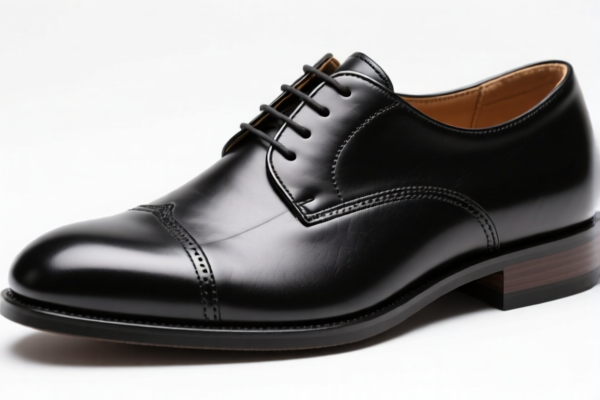
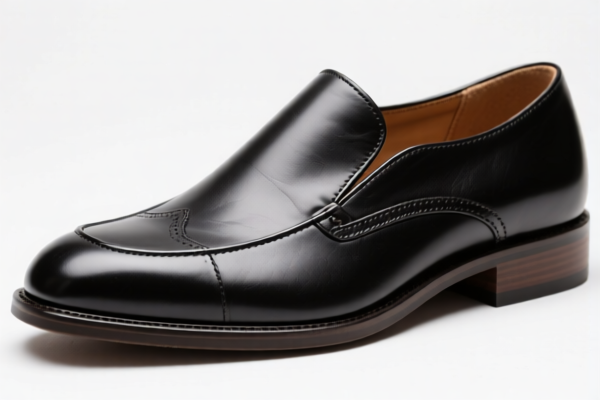
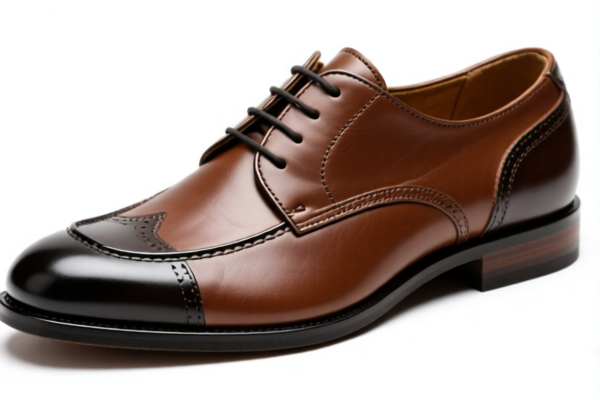
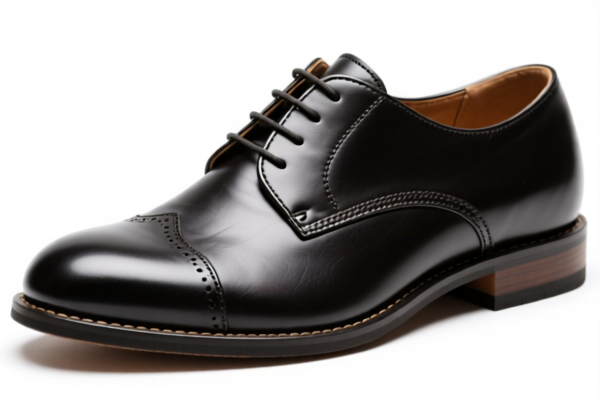
AI Analysis
👞 Other Animal Leather for Shoe Uppers (Bovine/Equine)
🌐 HS Code Reference & Customs Clearance Guide | 2026 Latest Tariff Breakdown | Professional-Level Strategy
📌 I. Product Definition & Classification: Do You Really Know "Leather for Shoe Uppers"?
"Other Animal Leather for Shoe Uppers" primarily refers to tanned, crust, or further prepared hides and skins of bovine (cattle/buffalo) or equine (horse) animals, specifically selected for use as upper materials in footwear. In international trade, these products are categorized based on their state of preparation and physical condition.
Key Distinctions:
- Wet Blue/Unfinished (Crust) Hides treated with chromium but not fully finished, often in a wet or dried state.
- Fully Prepared Leather: Finished leather (e.g., top grain, split) ready for shoe manufacturing.
- Application: Specifically designated for shoe uppers (upper leather), not soles or other applications.
⚠️ Critical Classification Point:
- If the leather is raw, salted, or pickled (not tanned/crust) → It does NOT belong here (usually Heading 4101 or 4102).
- If the leather is further prepared (dyed, finished, parchment-dressed) → It falls under Heading 4107.
- If it is raw hides/skins not yet tanned → It is Excluded from this specific list.
📦 II. HS Code Classification Details (2026 Latest Tariff Authority Cross-Reference)
| HS Code | Product Description | State | Application | Tax Rate (Total) |
|---|---|---|---|---|
4104.19.40.10 |
Tanned or crust hides/skins of bovine/equine, without hair on, wet state (including wet-blue). Other: Upper leather; sole leather Upper leather. | Wet State | Shoe Uppers | 0.0% |
4104.49.40.10 |
Tanned or crust hides/skins of bovine/equine, without hair on, dry state (crust). Other: Upper leather; sole leather Upper leather. | Dry State (Crust) | Shoe Uppers | 0.0% |
4107.99.60.10 |
Leather further prepared after tanning/crusting (including parchment-dressed), bovine/equine, without hair on. Other, including sides: Other: Upper leather; sole leather Upper leather. | Further Prepared | Shoe Uppers | 0.0% |
4107.99.80.00 |
Leather further prepared after tanning/crusting, bovine/equine, without hair on. Other, including sides: Other: Other: Fancy. | Further Prepared | Fancy/Decorative Leather | 2.4% |
6403.59.90.41 |
Footwear with outer soles of rubber/plastics/leather/composition leather and uppers of leather: Other footwear with outer soles of leather: Covering the ankle: Other: Other: For other persons Other. | Finished Footwear | Men’s/Unisex Ankle Boots | Error |
6403.99.90.65 |
Footwear with outer soles of rubber/plastics/leather/composition leather and uppers of leather: Other footwear: Other: Other: Other: Other: For other persons: Valued over $2.50/pair Other: Other: For women: Other. | Finished Footwear | Women’s High-Value Footwear | 0.0% |
🔍 Key Insight:
- Raw/Crust Leather (4104) and Prepared Leather for Uppers (4107.99.60.10) all enjoy 0% tariff.
- Fancy/Decorative Leather (4107.99.80.00) incurs a 2.4% tariff.
- Finished Footwear (6403) is a different category. If you are importing finished shoes, not just leather, different rules apply.
- Warning:6403.59.90.41shows a Tax Retrieval Error. This requires special attention during customs declaration.
💰 III. 2026 Latest Tariff Rate Details (Including Surtaxes, Policy Additions)
✅ Applicable Country: United States (US)
✅ Origin: China (CN) (Assumed based on common trade context; verify origin)
✅ Effective Time: 2026 Tariff Schedule
🎯 1. 4104.19.40.10 & 4104.49.40.10 —— Crust/Wet Leather for Shoe Uppers
| Item | Content |
|---|---|
| Base Tariff | 0% (ad valorem) |
| USITC Surtax | 0% (Not subject to Section 301 surtax for this specific subheading) |
| IEEPA Surtax | 0% (Exempt or not applicable for this HS code) |
| Total Tariff | 0% |
| Tax Calculation | CIF Value × 0% = $0 |
| De Minimis Eligibility | ❌ No (Bulk cargo, not eligible for de minimis) |
| Legal Basis | HTSUS 4104.19.40.10 / 4104.49.40.10 |
📌 Explanation:
- These codes represent semi-finished leather (crust or wet-blue).
- They are critical raw materials for shoe manufacturers.
- Zero tariff makes them highly competitive for import into the US.
🎯 2. 4107.99.60.10 —— Further Prepared Upper Leather
| Item | Content |
|---|---|
| Base Tariff | 0% (ad valorem) |
| USITC Surtax | 0% |
| IEEPA Surtax | 0% |
| Total Tariff | 0% |
| Tax Calculation | CIF Value × 0% = $0 |
| De Minimis Eligibility | ❌ No |
| Legal Basis | HTSUS 4107.99.60.10 |
📌 Explanation:
- This code is for fully finished leather specifically designated for shoe uppers.
- Despite being "further prepared," it still benefits from 0% tariff.
🎯 3. 4107.99.80.00 —— Fancy/Other Prepared Leather
| Item | Content |
|---|---|
| Base Tariff | 2.4% (ad valorem) |
| USITC Surtax | 0% |
| IEEPA Surtax | 0% |
| Total Tariff | 2.4% |
| Tax Calculation | CIF Value × 2.4% |
| De Minimis Eligibility | ❌ No |
| Legal Basis | HTSUS 4107.99.80.00 |
📌 Note:
- "Fancy" leather includes embossed, textured, or uniquely dyed leathers not strictly for standard uppers.
- 2.4% is significantly higher than the 0% rate for standard upper leather.
- Classification Tip: Ensure your leather is truly "fancy" and not standard "upper leather" to avoid misclassification disputes.
🚨 4. 6403.59.90.41 —— Finished Footwear (Tax Error)
| Item | Content |
|---|---|
| Base Tariff | Failed to Retrieve |
| Total Tariff | Error |
| Risk Level | 🔴 HIGH |
📌 Critical Alert:
- This code represents finished leather footwear (ankle-covering).
- The system indicates a tax retrieval failure. This is a red flag.
- Action Required: You MUST manually verify the current tariff rate for6403.59.90.41via the official USITC HTS database or consult a customs broker. It may include Section 301 surtaxes (often 7.5% or 25% on footwear from China).
- Do not assume 0%. Assume a higher rate until confirmed.
🛠️ IV. Customs Clearance Operational Suggestions (Practical Pitfall Avoidance Guide)
✅ 1. Required Documentation Checklist (No Exceptions)
| Document | Mandatory | Description |
|---|---|---|
| ✅ Commercial Invoice | ✔️ | Must clearly state: "Bovine/Equine Leather," "Tanned/Crust/Prepared," "For Shoe Uppers." |
| ✅ Packing List | ✔️ | Detail weight, volume, and packaging type (e.g., bales, rolls). |
| ✅ Bill of Lading/Air Waybill | ✔️ | Standard shipping document. |
| ✅ Product Specification Sheet | ✔️ | Include: Animal type (Bovine/Equine), Tanning method (Chrome/Vegetable), State (Wet/Dry/Prepared), Usage (Shoe Upper). |
| ✅ Certificate of Origin (CO) | ✔️ | Crucial for proving origin and avoiding surtaxes if applicable. |
| ✅ Customs Broker Declaration | ✔️ | Engage a licensed broker to handle the "Tax Error" code 6403.59.90.41. |
✅ 2. Declaration Tips (Key Mantra)
🔥 “State Matters: Wet vs. Dry vs. Prepared. Usage Matters: Upper vs. Fancy. Don’t Mix Them!”
| Scenario | Correct Declaration | Wrong Action |
|---|---|---|
| Wet/Crust Leather | 4104.19.40.10 or 4104.49.40.10 |
Misdeclare as "Finished Leather" → Risk of audit |
| Finished Upper Leather | 4107.99.60.10 |
Misdeclare as "Fancy Leather" → 2.4% tax instead of 0% |
| Fancy/Textured Leather | 4107.99.80.00 |
Misdeclare as "Standard Upper" → Potential penalties if not truly upper leather |
| Finished Shoes (Ankle) | 6403.59.90.41 (Verify Tax!) |
Do NOT declare as "Leather" → Misclassification penalty |
| Finished Shoes (Women’s >$2.50) | 6403.99.90.65 |
Ensure value is correctly declared per pair |
✅ 3. Special Case Handling
| Situation | Handling Advice |
|---|---|
| Mixed Containers | If shipping both leather and finished shoes, declare separately. Do not combine under one HS code. |
"Tax Error" on 6403.59.90.41 |
Immediately contact a customs broker. Do not self-declare without verification. It may be subject to Section 301 tariffs. |
| Sample vs. Bulk | Samples may qualify for de minimis if under $800 (per shipment), but bulk shipments do not. |
| Origin Verification | Ensure the leather is not from a sanctioned region. Provide clear Country of Origin on all documents. |
🌍 V. Global Major Market Customs Comparison (2026 Latest)
| Country/Region | Recommended HS Code (Leather) | Tariff | Certification | Remarks |
|---|---|---|---|---|
| 🇺🇸 USA | 4104.19.40.10 / 4107.99.60.10 |
0% | None for raw/prepared leather | Footwear (6403) has high tariffs |
| 🇪🇺 EU | 4104 / 4107 |
0% - 4.5% | REACH (Chemical compliance) | Strict environmental regulations |
| 🇨🇳 China | 4104 / 4107 |
0% - 8% | CCC (if applicable) | Low tariffs for raw leather |
| 🇬🇧 UK | 4104 / 4107 |
0% - 4.5% | UKCA (if finished goods) | Post-Brexit rules apply |
📌 Conclusion:
- Leather imports (4104/4107) generally enjoy low or zero tariffs in major markets.
- Footwear imports (6403) are highly taxed.
- Key Risk: The "Tax Error" for finished footwear indicates complex tariff structures. Always verify.
📌 VI. Common Mistakes & Pitfall Avoidance Guide (Blood & Tears Lessons)
❌ Mistake 1: Declaring finished shoes as "leather" to avoid high tariffs
👉 Consequence: Severe penalties, seizure, and back taxes + fines!
❌ Mistake 2: Misclassifying standard upper leather as fancy leather
👉 Consequence: Paying 2.4% when you should pay 0% → Unnecessary cost.
❌ Mistake 3: Ignoring the "Tax Error" on 6403.59.90.41
👉 Consequence: Customs hold, delayed release, or surprise bills for Section 301 surtaxes.
❌ Mistake 4: Providing vague descriptions like "Animal Leather"
👉 Consequence: Customs may reclassify to a higher tariff rate or require detailed analysis.
✅ Correct Practice:
"Tanned Bovine Hides, Chrome-Tanned, Wet State, For Shoe Uppers, Model: XL-2024"
OR
"Finished Cowhide Leather, Top Grain, Dyed Black, For Shoe Uppers, HS 4107.99.60.10"
🎯 VII. Conclusion: Professional Declaration, Save Time, Reduce Costs!
🎯 Remember the Mantra:
🔹 "Leather: 0% if Upper, 2.4% if Fancy. Shoes: High Tax, Verify Code!"
🔹 "State Matters: Wet, Dry, or Prepared. Usage Matters: Upper vs. Fancy."
📌 Pro Tip:
- If you are importing finished shoes, do NOT rely on the "Tax Error" code. Use a licensed customs broker to verify the exact tariff for 6403.59.90.41.
- For leather, ensure your supplier provides a Certificate of Origin and Product Specification Sheet to support the 0% tariff claim.
📣 Immediate Action:
📞 Contact a Customs Broker for
6403.59.90.41verification.
📄 Prepare Detailed Product Specs for4104/4107codes.
🚀 Clear Your Goods Efficiently, Avoid Surprises!
✨ Professional Clearance Starts with Accurate Classification!
💼 Every Cent Saved is Pure Profit!
Customer Reviews
About HS Code Classification
The Harmonized System (HS) is an internationally standardized nomenclature developed by the World Customs Organization (WCO) to classify traded products. Over 200 countries use the HS system as the basis for customs tariffs, trade statistics, and import/export regulations.
Each HS code follows a hierarchical structure:
- Chapter (2 digits) — Broad category of goods (e.g., Chapter 84: Machinery and Mechanical Appliances)
- Heading (4 digits) — More specific grouping within the chapter
- Subheading (6 digits) — Internationally standardized breakdown, used by all WCO member countries
- National subdivisions (8-10 digits) — Country-specific extensions for further classification, such as US HTSUS 10-digit codes
Correct HS code classification is essential for smooth customs clearance, accurate duty payment, and compliance with trade regulations. Misclassification can lead to customs delays, overpayment of duties, or penalties.
When importing from CN to US, the applicable tariff rates may include:
- Most-Favored-Nation (MFN) rate — The standard duty rate applied to WTO members
- General rate — Applied to countries without trade agreements
- Trade remedy duties — Additional tariffs such as Section 301 (anti-dumping), Section 232 (national security), or countervailing duties
The information provided on this page is for reference purposes only. For official classification, please consult with your local customs authority or a licensed customs broker.