Other Animal Tanned Leather (Flesh Side), Shoe Upper Leather
CN → US| HS Code | Tariff Rate | Origin | Destination | Doc |
|---|---|---|---|---|
| 4107998000 | 12.4% | CN | US | Official Doc |
| 4107917040 | 15.0% | CN | US | Official Doc |
| 4107115000 | 12.8% | CN | US | Official Doc |
| 4205000500 | 37.9% | CN | US | Official Doc |
| 4107998000 | 12.4% | CN | US | Official Doc |
Product Images
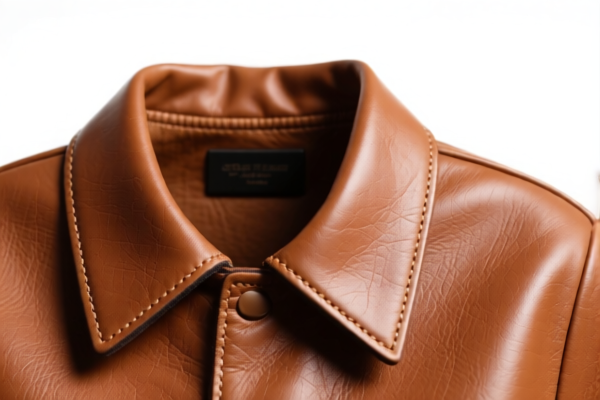
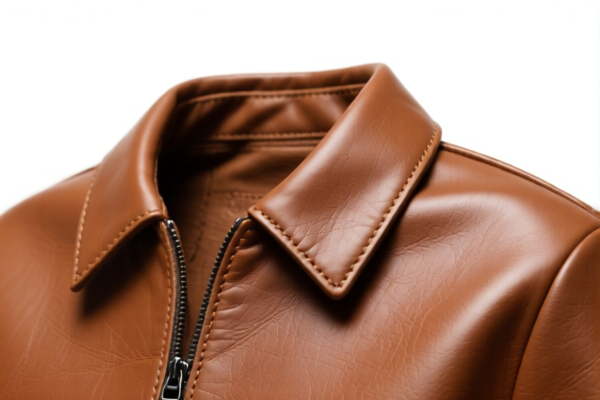
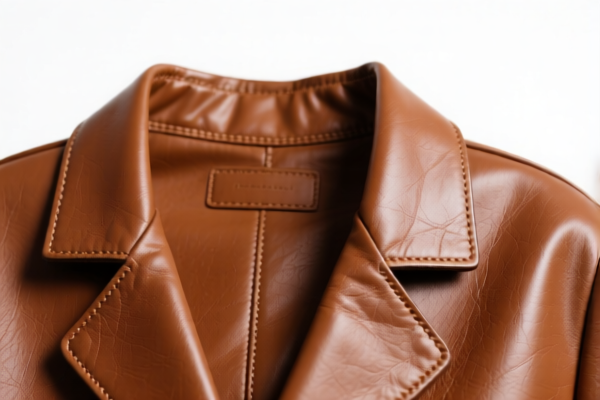
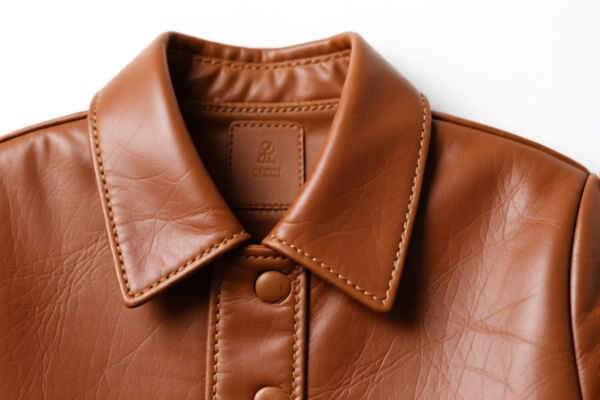
AI Analysis
🥾 Other Animal Tanned Leather (Flesh Side), Shoe Upper Leather
🌐 HS Code Reference & Customs Clearance Guide | 2026 Latest Tariff Analysis | Professional Clearance Strategy
📌 I. Product Definition & Classification: Understanding the Nuances of "Flesh Side" Leather
This product falls under the category of Tanned Animal Leather, specifically identified by two critical attributes: 1. Flesh Side Exposure: The "flesh side" (the inner side of the hide, opposite the grain) is visible or specifically described. This often dictates different processing standards compared to "grain-side" leather. 2. Shoe Upper Application: The intended use is for making shoe uppers.
In international trade, the classification hinges on whether the leather is considered "finished for direct use" in footwear or if it remains a semi-finished material subject to further processing. The presence of the "flesh side" often places it in the "Other" categories within Chapter 41, unless specific finishing processes (like chrome tanning for specific grades) align it with sub-headings for footwear leather.
⚠️ Key Distinction Point:
- If the leather is chrome-tanned and specifically prepared for footwear, it may lean towards4107.91.
- If it is vegetable-tanned or generic "other" tanned leather where the flesh side is prominent, it often falls under4107.99.
- Crucial Note: If the leather is merely a component/accessory rather than a primary panel,4205.00might be considered, but for "shoe upper leather," Chapter 41 is the primary domain.
📦 II. HS Code Classification Details (2026 Latest Tariff Authority Mapping)
Based on the provided data, here are the matched HS Codes with their specific summaries and tax implications:
| HS Code | Product Description & Match Logic | Total Tax Rate | Tax Composition Breakdown |
|---|---|---|---|
4107.99.80.00 |
Matched: General Other Tanned Leather • Material: Animal leather (tanned). • Form: Flesh side included. • Logic: Fits "Other/Patterned Leather" definition. Suitable for general tanned leather where specific footwear preparation isn't the sole defining factor of the sub-heading. • Summary: "Matched successfully. Goods explicitly include material (animal leather) and form (flesh side), and belong to further processed products after tanning, fitting the 'Other/Patterned Leather' definition." |
12.4% | • Base Duty: 2.4% • Section 301 Add-on: 0.0% • Section 122 Clause Duty: 10% |
4107.91.70.40 |
Matched: Other Chrome-Tanned/Prepared Leather • Material: Tanned animal leather. • Form: Includes flesh side. • Logic: Fits "Other (including flesh side)" material/form description. No conflict with glove/apparel specific materials. • Summary: "Matched successfully. Material is tanned animal leather containing flesh side, conforming to the 'Other (including flesh side)' description; since the name is a兜底 (catch-all) description and no conflicting material attributes for gloves/apparel are found, it is judged as compliant." |
15.0% | • Base Duty: 5.0% • Section 301 Add-on: 0.0% • Section 122 Clause Duty: 10% |
4107.11.50.00 |
Matched: Furniture Leather? • Material: Tanned Animal Leather. • Use: Furniture Leather. • Logic: ⚠️ Mismatch Alert: The input specifies "Shoe Upper Leather," but this code is for Furniture Leather. • Summary: "Matched: Material is Tanned Animal Leather, form and use are Furniture Leather, completely fitting the classification definition for decorative leather." • Relevance: Likely a false positive in the search unless the leather is dual-purpose. For Shoe Uppers, this code is incorrect based on use. |
12.8% | • Base Duty: 2.8% • Section 301 Add-on: 0.0% • Section 122 Clause Duty: 10% |
4205.00.05.00 |
Matched: Leather Accessories/Parts • Material: Tanned Animal Leather. • Form: Accessories. • Logic: "Other" accessories. If the "shoe upper leather" is sold as pre-cut patterns or specific parts rather than raw hides, this might apply. • Summary: "Matched basis: Material is tanned animal leather (fits leather); Form is accessory (fits accessory category); Use is Other. 'Other' in product name matches accessory use, material and form have no conflicts." |
37.9% | • Base Duty: 2.9% • Section 301 Add-on: 25.0% • Section 122 Clause Duty: 10% |
4107.99.80.00 |
Matched: Refined/Other Tanned Leather • Material: Tanned Animal Leather. • Form: Leather Accessories/Parts (under 'Other'). • Logic: Fits 'Other' category sub-segmentation logic for refined attributes. • Summary: "Matched successfully. Material is tanned animal leather (fits material requirement), form is leather accessories (fits specific sub-logic under 'Other'), and matches 'Patterned/Fine' attribute characteristics." |
12.4% | • Base Duty: 2.4% • Section 301 Add-on: 0.0% • Section 122 Clause Duty: 10% |
🔍 Critical Analysis:
- The most accurate HS codes for "Shoe Upper Leather" are likely within 4107.91 (Chrome-tanned) or 4107.99 (Other).
-4107.11.50.00is misleading for shoe uppers as it specifies Furniture Leather.
-4205.00.05.00is a high-risk classification due to the 25% Section 301 tariff, making it significantly more expensive. Use only if the goods are legally defined as "accessories" rather than raw leather.
💰 III. 2026 Latest Tariff Rate Details (Including Additional Duties & Policy Surcharges)
✅ Applicable Country: USA (US)
✅ Origin: China (CN)
✅ Effective Time: Post-November 10, 2025 (including subsequent imports)
🎯 1. 4107.99.80.00 —— Other Tanned Animal Leather (Flesh Side)
| Item | Details |
|---|---|
| Base Duty Rate | 2.4% |
| USITC Add-on Duty | 0.0% (Not subject to Section 301) |
| IEEPA Add-on Duty | +10% (Targeting China/HK products under Section 122 Clause) |
| Total Tax Rate | 12.4% |
| Tax Calculation | CIF Value × 12.4% |
| De Minimis Eligibility | ❌ No (Denied) |
| Legal Basis Path | IEEPA:9903.01.25 → IEEPA:9903.01.24 → USITC:4107.99.80.00 → FOOTNOTE:Section 122 Clause |
📌 Explanation:
- The 10% surcharge is critical for Chinese-origin leather.
- Unlike many tech products, leather often has a low base duty (2.4-5%) but suffers from the flat 10% IEEPA surcharge.
- No Section 301 (25%) applies here, making this a relatively cost-effective classification compared to accessories.
🎯 2. 4107.91.70.40 —— Other Chrome-Tanned Leather (Including Flesh Side)
| Item | Details |
|---|---|
| Base Duty Rate | 5.0% |
| USITC Add-on Duty | 0.0% |
| IEEPA Add-on Duty | +10% |
| Total Tax Rate | 15.0% |
| Tax Calculation | CIF Value × 15.0% |
| De Minimis Eligibility | ❌ No |
| Legal Basis Path | IEEPA:9901.25 → IEEPA:9903.01.24 → USITC:4107.91.70.40 → FOOTNOTE:Section 122 Clause |
📌 Note:
- Slightly higher base duty (5.0% vs 2.4%) than4107.99.80.00.
- Total rate is 15.0%, which is 2.6% higher than the4107.99category.
- Choose4107.99.80.00if the leather does not strictly meet the "chrome-tanned" specificity required for 4107.91.
🎯 3. 4205.00.05.00 —— Leather Accessories/Parts (High Cost Warning)
| Item | Details |
|---|---|
| Base Duty Rate | 2.9% |
| USITC Add-on Duty | +25% (Section 301 Applies) |
| IEEPA Add-on Duty | +10% |
| Total Tax Rate | 37.9% |
| Tax Calculation | CIF Value × 37.9% |
| De Minimis Eligibility | ❌ No |
| Legal Basis Path | IEEPA:9903.01.25 → USITC:4205.00.05.00 → FOOTNOTE:301 & 122 |
📌 Warning:
- This classification incurs the heaviest tariff burden due to the 25% Section 301 add-on.
- Only use if the goods are definitively finished accessories (e.g., pre-cut insoles, straps) and not raw/semi-finished leather hides. Misclassification here can lead to massive cost increases.
🎯 4. 4107.11.50.00 —— Furniture Leather (Use Case Mismatch)
| Item | Details |
|---|---|
| Base Duty Rate | 2.8% |
| USITC Add-on Duty | 0.0% |
| IEEPA Add-on Duty | +10% |
| Total Tax Rate | 12.8% |
| Tax Calculation | CIF Value × 12.8% |
| De Minimis Eligibility | ❌ No |
📌 Caution:
- This rate is low (12.8%), but only applies if the leather is for Furniture.
- Declaring "Shoe Upper Leather" under "Furniture Leather" is customs fraud or serious misdeclaration. Avoid unless the leather is genuinely dual-purpose and declared as such with proper justification.
🛠️ IV. Customs Clearance Practical Advice (Real-World Pitfall Avoidance)
✅ 1. Required Documentation List (Non-Negotiable)
| Document | Must Provide | Explanation |
|---|---|---|
| ✅ Product Specification Sheet | ✔️ | Must specify: Tanning type (Chrome/Veg), Finish (Flesh side/Grain), Intended Use (Shoe Upper). |
| ✅ Product Photos | ✔️ | Clear images showing the flesh side texture and any markings. |
| ✅ Commercial Invoice | ✔️ | Must clearly state: "Tanned Animal Leather, Flesh Side, for Shoe Upper Manufacturing." |
| ✅ Bill of Lading/Air Waybill | ✔️ | Consistency with invoice description. |
| ✅ Certificate of Origin | ✔️ | Essential for verifying Chinese origin (triggering IEEPA 10%). |
| ✅ Customs Declaration Form | ✔️ | Accurate HS Code selection based on tanning method. |
✅ 2. Declaration Tips (Key Mantra)
🔥 "Flesh Side Matters, Tanning Type Defines, Shoe Use Requires Chapter 41, Accessories Pay High Price!"
| Scenario | Correct Declaration | Incorrect Practice |
|---|---|---|
| Raw/Semi-finished Leather Hides | 4107.99.80.00 or 4107.91.70.40 |
Declaring as "Accessories" → 37.9% Tax |
| Pre-cut Shoe Parts (Insoles, etc.) | 4205.00.05.00 (if eligible) |
Declaring as "Raw Leather" → Potential misclassification |
| Furniture Leather | 4107.11.50.00 |
Using for Shoes → Compliance Risk |
| Mixed Shipment | Split Declaration | Mixing Shoe/Furniture Leather → Customs Hold |
✅ 3. Special Circumstances Handling
| Situation | Handling Advice |
|---|---|
| Chrome-Tanned vs. Vegetable-Tanned | If Chrome-Tanned, consider 4107.91. If Vegetable or Mixed, 4107.99 is safer. |
| "Shoe Upper" Specificity | Ensure the invoice explicitly states "For Shoe Upper." Vague terms like "Leather for Bags" may trigger scrutiny. |
| Flesh Side Visibility | Provide photos proving the flesh side is present, as this affects the "Other" classification logic. |
| Small Quantity Samples | If value is low, verify if De Minimis ($800) applies. However, Leather is often excluded from de minimis benefits for China-origin goods due to Section 122. Assume it is NOT exempt. |
🌍 V. Global Market Comparison (2026 Latest)
| Country/Region | Recommended HS Code | Tariff Rate (China Origin) | Certification Requirements | Notes |
|---|---|---|---|---|
| 🇺🇸 USA | 4107.99.80.00 |
12.4% | None (Basic Customs) | High risk of IEEPA 10%. Section 301 (25%) avoided. |
| 🇨🇳 China | 4107.99.80.00 |
2.4% | RoHS (if applicable) | Low import duty. No IEEPA. |
| 🇪🇺 EU | 4107.99.80 |
~6-10% | REACH Compliance | Check for chemical restrictions on leather. |
| 🇬🇧 UK | 4107.99.80 |
~6-10% | UKCA (if applicable) | Post-Brexit rules apply. |
| 🇦🇺 Australia | 4107.99.80 |
5% | None | Free Trade Agreement may apply if from eligible countries. |
📌 Conclusion:
- USA is the most complex market for this product due to the 10% IEEPA surcharge.
- Avoid4205.00unless absolutely necessary to save on the 25% Section 301 tax.
-4107.99.80.00is the optimal balance of low base duty and manageable surcharge for general tanned leather.
📌 VI. Common Errors & Pitfall Guide (Lessons Learned)
❌ Error 1: Declaring "Shoe Leather" as "Leather Accessories" (4205.00)
👉 Consequence: 37.9% Tariff vs. 12.4%. Massive Cost Increase!
❌ Error 2: Ignoring the "Flesh Side" attribute
👉 Consequence: Customs may reclassify to a different sub-heading with higher base duty or stricter chemical requirements.
❌ Error 3: Using "Furniture Leather" code (4107.11.50.00) for Shoe Leather
👉 Consequence: Customs Fraud/Seizure Risk. Purpose mismatch leads to audits and penalties.
❌ Error 4: Assuming De Minimis ($800) applies
👉 Consequence: Leather from China is often subject to Section 122 restrictions, meaning even small shipments face the 10% IEEPA tax. Do not rely on De Minimis.
✅ Correct Practice:
"Tanned Animal Leather, Flesh Side Exposed, Chrome-Tanned (or Vegetable), For Shoe Upper Manufacturing, Model XYZ, Origin: China"
🎯 VII. Conclusion: Precision Classification, Cost Optimization!
🎯 Remember the Mantra:
🔹 "Chapter 41 for Raw/Semi-Finished, Chapter 42 for Finished Parts."
🔹 "10% IEEPA is Mandatory for China Leather, 25% Section 301 is Avoidable."
🔹 "Flesh Side + Shoe Use =4107.99.80.00for Best Rate (12.4%)."
📌 Pro Tip:
If your leather is Chrome-Tanned, verify if
4107.91.70.40(15.0%) is better than4107.99.80.00(12.4%) based on exact tanning specifications. Usually,4107.99is safer for "Other" categories.
Always declare "Flesh Side" in the product description to justify the classification.
📣 Immediate Action:
📞 Contact your customs broker + Provide Photos of Flesh Side + Apply for HS Code Pre-Ruling if shipment value is high.
🚀 Let your leather pass customs smoothly, minimize taxes, and maximize profit!
✨ Professional Clearance Starts with Accurate Classification!
💼 Every cent of your cost deserves precise calculation!
Customer Reviews
About HS Code Classification
The Harmonized System (HS) is an internationally standardized nomenclature developed by the World Customs Organization (WCO) to classify traded products. Over 200 countries use the HS system as the basis for customs tariffs, trade statistics, and import/export regulations.
Each HS code follows a hierarchical structure:
- Chapter (2 digits) — Broad category of goods (e.g., Chapter 84: Machinery and Mechanical Appliances)
- Heading (4 digits) — More specific grouping within the chapter
- Subheading (6 digits) — Internationally standardized breakdown, used by all WCO member countries
- National subdivisions (8-10 digits) — Country-specific extensions for further classification, such as US HTSUS 10-digit codes
Correct HS code classification is essential for smooth customs clearance, accurate duty payment, and compliance with trade regulations. Misclassification can lead to customs delays, overpayment of duties, or penalties.
When importing from CN to US, the applicable tariff rates may include:
- Most-Favored-Nation (MFN) rate — The standard duty rate applied to WTO members
- General rate — Applied to countries without trade agreements
- Trade remedy duties — Additional tariffs such as Section 301 (anti-dumping), Section 232 (national security), or countervailing duties
The information provided on this page is for reference purposes only. For official classification, please consult with your local customs authority or a licensed customs broker.