Other Cellulose Derivative Laminated Plastic Sheets
CN → US| HS Code | Tariff Rate | Origin | Destination | Doc |
|---|---|---|---|---|
| 3921190090 | 41.5% | CN | US | Official Doc |
| 3919905060 | 40.8% | CN | US | Official Doc |
| 3919102055 | 40.8% | CN | US | Official Doc |
| 3921905050 | 39.8% | CN | US | Official Doc |
| 3920795000 | 38.7% | CN | US | Official Doc |
Product Images
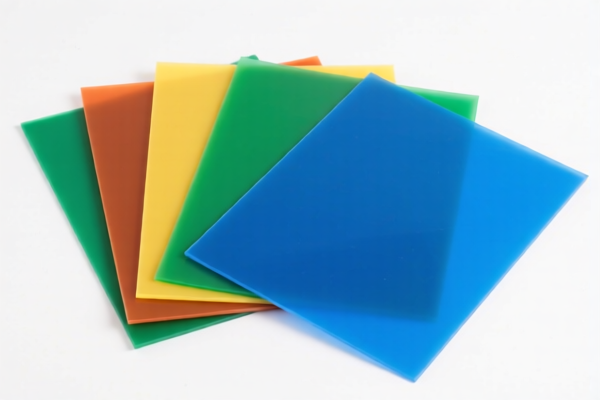
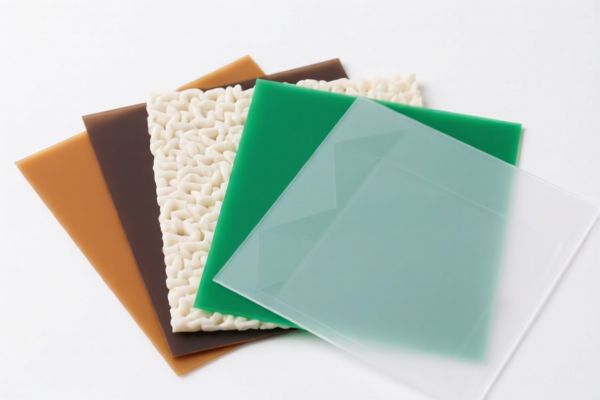
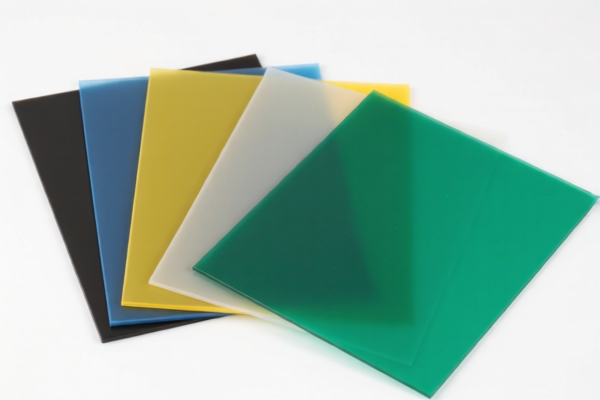
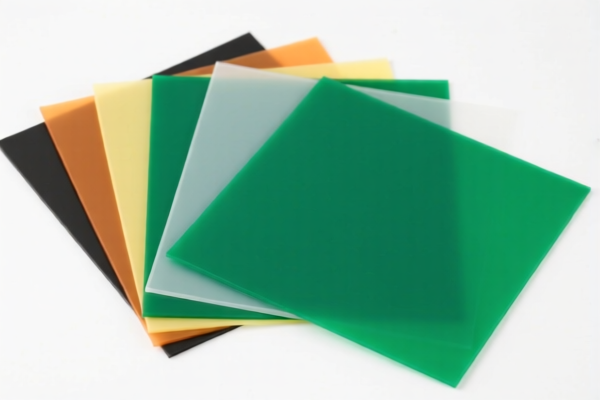
AI Analysis
🧪 Other Cellulose Derivative Laminated Plastic Sheets (Films)
🌐 HS Code Reference & Customs Clearance Guide | 2026 Latest Tariff Analysis | Professional-Grade Entry Strategy
📌 I. Product Definition & Classification: Do You Really Understand "Cellulose Derivative Films"?
"Other Cellulose Derivative Laminated Plastic Sheets" refer to flexible packaging materials, industrial films, or protective layers made from chemically modified cellulose (such as cellulose acetate, nitrocellulose, or ethyl cellulose). Unlike standard polyethylene or polypropylene films, these materials possess unique properties like biodegradability, oxygen barrier performance, and high gloss.
In international trade, specifically under Chapter 39 (Plastics and Articles Thereof), classification hinges on two critical factors: 1. Material Composition: Must be primarily cellulose derivatives, not standard synthetic polymers. 2. Form Factor: Must be in the form of sheets, plates, film, or foil (typically <15mm thickness).
⚠️ Key Distinction Point:
- If the material is pure cellulose acetate used for basic packaging → Likely falls under 3920 or 3921 depending on lamination.
- If the product is a composite/laminated structure where plastic is the essential character → Falls under 3921.
- If it is a self-adhesive cellulose film → Might fall under 3919.
📦 II. HS Code Classification Details (Based on Provided Data)
The provided data lists 5 specific HS Codes for "Other Cellulose Derivative Plastic Films." Below is the detailed breakdown of why each code applies and its tax implications.
| HS Code | Product Description & Logic | Application Scenario | Key Characteristics |
|---|---|---|---|
3921.19.00.90 |
Other cellulose derivative plastic films, material is cellulose derivative, form is film. | General laminated films where cellulose derivative is the key component. | Total Tax: 41.5% |
3919.90.50.60 |
Other cellulose derivative plastic films, categorized as a "catch-all" for other items. | Self-adhesive sheets or rolls where no specific sub-heading applies. | Total Tax: 40.8% |
3919.10.20.55 |
Other cellulose derivative plastic films, falls under "Other" category within specific sub-items. | Adhesive films with specific dimensions or widths not covered in primary headings. | Total Tax: 40.8% |
3921.90.50.50 |
Other cellulose derivative plastic films, falls under "Other" catch-all for laminated sheets. | Non-adhesive laminated sheets/plates that do not fit specific technical specs. | Total Tax: 39.8% |
3920.79.50.00 |
Material and form fully match classification requirements for other plastic sheets. | Pure sheets/films without lamination or adhesive backing, made of cellulose derivatives. | Total Tax: 38.7% |
🔍 Critical Note:
- All codes above incur high additional tariffs due to their origin (likely China, based on the "122 Clause" and "Section 301" references in the tax details).
- The difference in tax rates (38.7% to 41.5%) is driven by whether the product is adhesive (3919), laminated (3921), or plain sheet (3920).
💰 III. 2026 Latest Tariff Rate Breakdown (Including Surcharges & Policy Add-ons)
✅ Applicable Country: United States (US)
✅ Country of Origin: China (CN) (Implied by "122 Clause" and "Section 301" context)
✅ Effective Date: Current Trade War Tariffs Apply
🎯 1. 3921.19.00.90 —— General Cellulose Derivative Laminated Film
| Item | Details |
|---|---|
| Base Tariff | 6.5% |
| Section 301 Surtax | +25.0% |
| Section 122 Tariff | +10.0% |
| Total Tax Rate | 41.5% |
| Tax Calculation | CIF Value × 41.5% |
| De Minimis Exemption? | ❌ NO (Not eligible for $800 de minimis) |
| Legal Basis Path | HTSUS:3921.19.00.90 → Section 301 (Footnote 9903.88.01) → Section 122 |
📌 Explanation:
- This is the highest tax bracket in the provided list.
- The 25% Section 301 tax applies to most plastic articles from China.
- The 10% "Section 122" tax (often related to illegal transshipment or specific enforcement measures) adds another layer of cost.
- Strategy: Only use this code if the product definitively fits the "Laminated" definition under 3921. Misclassification can lead to penalties.
🎯 2. 3919.90.50.60 & 3919.10.20.55 —— Adhesive Cellulose Films
| Item | Details |
|---|---|
| Base Tariff | 5.8% |
| Section 301 Surtax | +25.0% |
| Section 122 Tariff | +10.0% |
| Total Tax Rate | 40.8% |
| Tax Calculation | CIF Value × 40.8% |
| De Minimis Exemption? | ❌ NO |
| Legal Basis Path | HTSUS:3919.xxxxxx → Section 301 → Section 122 |
📌 Explanation:
- Slightly cheaper than 3921.19 (0.7% savings).
- Applies if the film has an adhesive backing (e.g., sticky labels, tape-like cellulose films).
- Ensure the product is not "self-adhesive" in a way that triggers stricter scrutiny under 3919.10.
🎯 3. 3921.90.50.50 —— Other Laminated Sheets
| Item | Details |
|---|---|
| Base Tariff | 4.8% |
| Section 301 Surtax | +25.0% |
| Section 122 Tariff | +10.0% |
| Total Tax Rate | 39.8% |
| Tax Calculation | CIF Value × 39.8% |
| De Minimis Exemption? | ❌ NO |
| Legal Basis Path | HTSUS:3921.90.50.50 → Section 301 → Section 122 |
📌 Explanation:
- A "catch-all" for laminated products that don't fit the primary 3921.19 specifications.
- Cost Advantage: Saves 1.7% compared to3921.19.00.90.
- Risk: Must ensure the product genuinely falls under "Other" and not a more specific heading.
🎯 4. 3920.79.50.00 —— Non-Laminated Cellulose Sheets
| Item | Details |
|---|---|
| Base Tariff | 3.7% |
| Section 301 Surtax | +25.0% |
| Section 122 Tariff | +10.0% |
| Total Tax Rate | 38.7% |
| Tax Calculation | CIF Value × 38.7% |
| De Minimis Exemption? | ❌ NO |
| Legal Basis Path | HTSUS:3920.79.50.00 → Section 301 → Section 122 |
📌 Explanation:
- Lowest Tax Rate in the provided list.
- Applies to non-laminated, non-adhesive sheets/films.
- CRITICAL: If your product is "Laminated" (as per the user input "Laminated Plastic Sheets"), DO NOT use this code. Using 3920 for a laminated product is a major misclassification risk. Only use this if the lamination is negligible or if the product is strictly a single-layer cellulose sheet.
🛠️ IV. Customs Clearance Practical Advice (Pitfall Avoidance Guide)
✅ 1. Required Documentation Checklist
| Document | Mandatory? | Explanation |
|---|---|---|
| ✅ Product Specification Sheet | ✔️ | Must detail chemical composition (e.g., "Cellulose Acetate 90%"). |
| ✅ Lamination Process Description | ✔️ | Crucial to distinguish between 3920 (single layer) and 3921 (laminated). |
| ✅ Commercial Invoice | ✔️ | Clearly state "Cellulose Derivative Plastic Film" and HS Code. |
| ✅ Certificate of Origin (CO) | ✔️ | To verify country of origin (China) for accurate surtax application. |
| ✅ Structure Diagram | ✔️ | Show layers if laminated. E.g., "PP/Cellulose/PE laminate". |
✅ 2. Declaration Tips (Key Mantras)
🔥 "Laminated = 3921, Plain = 3920, Adhesive = 3919. Be accurate!"
| Scenario | Correct Declaration | Incorrect Declaration | Consequence |
|---|---|---|---|
| Multi-layer laminated film | 3921.19.00.90 or 3921.90.50.50 |
3920.79.50.00 (Plain) |
Penalty + Back Taxes (Missed 301/122 on correct code? No, usually under-declared if wrong code has lower base tax but same surtax. Here, base tax differs). |
| Self-adhesive cellulose tape/film | 3919.90.50.60 |
3921.19.00.90 |
Potential Audit: 3919 has specific rules for adhesive character. |
| Plain cellulose acetate sheet | 3920.79.50.00 |
3921.19.00.90 |
Overpayment: You paid 41.5% instead of 38.7%. |
✅ 3. Special Considerations
| Situation | Handling Advice |
|---|---|
| "Laminated" Definition | If the film is bonded with glue to another plastic layer, it must be 3921. If it is just co-extruded, it may still be 3920. Consult a customs broker. |
| Section 122 Tariff | The 10% "122 Clause" tariff suggests strict enforcement on Chinese plastic imports. Ensure no transshipment via third countries (e.g., Vietnam) without proper origin changes. |
| De Minimis ($800) | ❌ Not Available. All shipments are subject to full duty. Plan cash flow accordingly. |
🌍 V. Global Market Comparison (2026 Update)
| Market | Recommended HS Code | Estimated Total Tax (China Origin) | Notes |
|---|---|---|---|
| 🇺🇸 USA | 3921.19.00.90 (Laminated) |
41.5% | High due to 301 + 122 tariffs. |
| 🇪🇺 EU | 3921.10.00 |
~6.5% + VAT | No Section 301 tariffs. |
| 🇨🇳 China (Import) | 3921.10.00 |
~6.5% | Low duty for domestic consumption. |
📌 Conclusion:
- The US market is the most expensive for cellulose derivative films due to geopolitical tariffs.
- Optimization Strategy: If possible, explore 3921.90.50.50 (39.8%) or 3920.79.50.00 (38.7%) if product structure allows, saving 1.7% - 2.8% vs the primary 3921.19 code.
📌 VI. Common Errors & Pitfalls (Blood & Tears Lessons)
❌ Error 1: Declaring a laminated film as 3920 (Plain Sheet).
👉 Consequence: Customs rejects shipment. Misclassification penalty. Base tax difference + potential duty evasion charges.
❌ Error 2: Ignoring the 10% Section 122 Tariff.
👉 Consequence: Underpayment of duties. Seizure of goods. List of persons/entities denied entry.
❌ Error 3: Claiming De Minimis exemption for < $800 shipments.
👉 Consequence: Refused Entry. All China-origin plastics are excluded from de minimis under current enforcement.
✅ Correct Approach:
"Cellulose Acetate Laminated Film, 50 microns, for packaging, Made in China, HS 3921.19.00.90"
🎯 VII. Conclusion: Precision in Classification Saves Money
🎯 Remember the Mantra:
🔹 "Laminated is 3921, Plain is 3920, Adhesive is 3919."
🔹 "Check for 122 Clause + Section 301 = High Cost."
🔹 "No De Minimis for China Plastics in 2026."
📌 Pro Tip:
If your product qualifies as 3921.90.50.50 (39.8%) instead of 3921.19.00.90 (41.5%), you save 1.7% on the CIF value. For a $100,000 shipment, that’s a $1,700 savings.
Action:
📞 Contact a customs broker to review the lamination structure.
📝 Prepare technical diagrams to justify the most favorable HS Code.
🚀 Effortless Clearance, Maximum Profit!
✨ Professional Customs Clearance Starts with Accurate Classification!
💼 Every Cent of Tax Matters!
Customer Reviews
About HS Code Classification
The Harmonized System (HS) is an internationally standardized nomenclature developed by the World Customs Organization (WCO) to classify traded products. Over 200 countries use the HS system as the basis for customs tariffs, trade statistics, and import/export regulations.
Each HS code follows a hierarchical structure:
- Chapter (2 digits) — Broad category of goods (e.g., Chapter 84: Machinery and Mechanical Appliances)
- Heading (4 digits) — More specific grouping within the chapter
- Subheading (6 digits) — Internationally standardized breakdown, used by all WCO member countries
- National subdivisions (8-10 digits) — Country-specific extensions for further classification, such as US HTSUS 10-digit codes
Correct HS code classification is essential for smooth customs clearance, accurate duty payment, and compliance with trade regulations. Misclassification can lead to customs delays, overpayment of duties, or penalties.
When importing from CN to US, the applicable tariff rates may include:
- Most-Favored-Nation (MFN) rate — The standard duty rate applied to WTO members
- General rate — Applied to countries without trade agreements
- Trade remedy duties — Additional tariffs such as Section 301 (anti-dumping), Section 232 (national security), or countervailing duties
The information provided on this page is for reference purposes only. For official classification, please consult with your local customs authority or a licensed customs broker.