Other Clothing Accessories
CN → US| HS Code | Tariff Rate | Origin | Destination | Doc |
|---|---|---|---|---|
| 6217108500 | 24.6% | CN | US | Official Doc |
| 7117909000 | 28.5% | CN | US | Official Doc |
| 6217109550 | 32.1% | CN | US | Official Doc |
| 6117809570 | 32.1% | CN | US | Official Doc |
| 6117909095 | 32.1% | CN | US | Official Doc |
Product Images
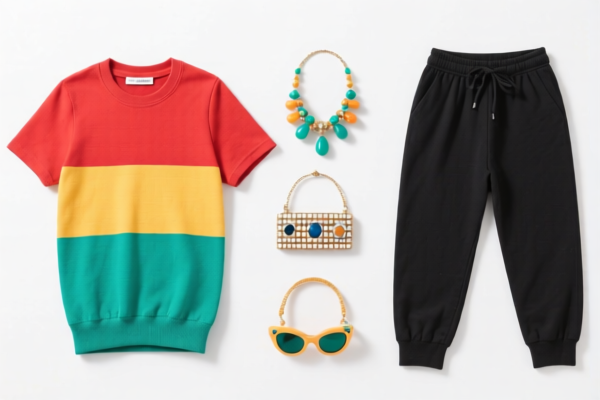
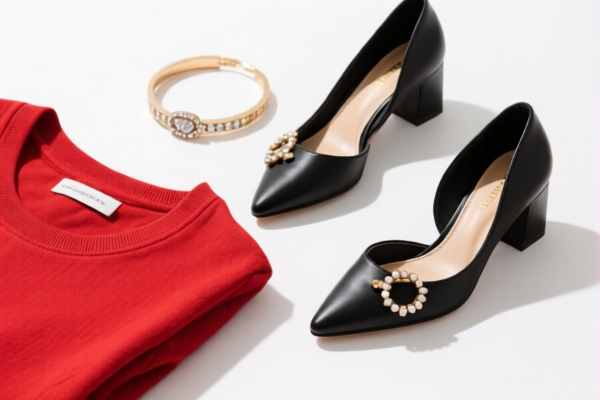

AI Analysis
👗 Other Clothing Accessories (Apparel Trims & Fasteners)
🌐 HS Code Reference & Customs Clearance Guide | 2026 Latest Tariff Analysis | Professional Entry Strategy
📌 I. Product Definition & Classification: What are "Other Clothing Accessories"?
In international trade, "Other Clothing Accessories" is a broad catch-all category for items that attach to, decorate, or function as part of garments but are not finished garments themselves. Unlike specific fasteners (like zippers or buttons) which often have their own chapters, these items are typically classified under Chapter 62 (Articles of Apparel and Clothing Accessories, not knitted or crocheted) or Chapter 61 (Knitted or Crocheted).
They are generally subdivided based on: 1. Material: Is it fabric, plastic, metal, or precious stone? 2. Function: Are they decorative (jewelry-like) or functional (trim)? 3. Manufacture Process: Knitted vs. Woven.
⚠️ Key Classification Logic:
- If the item is decorative/non-precious (e.g., plastic buttons, fabric patches, ribbons) → Look at 6217 or 7117.
- If the item is functional trim (e.g., woven belts, fabric bands) → Look at 6217 or 6117.
- Material Conflict: If the summary states "no specific material," it defaults to a fallback (NIS - Not Elsewhere Specified) subheading, usually incurring the highest base tariff.
📦 II. HS Code Classification Details (2026 Latest Tariff Mapping)
Based on the provided data, here are the 5 most likely HS Codes for "Other Clothing Accessories" entering the US Market from China, along with their specific logic and tax implications.
| HS Code | Summary / Classification Logic | Tax Rate Breakdown (China Origin) | Total Tax | Key Implication |
|---|---|---|---|---|
6217.10.85.00 |
Fallback for Non-Identified Material Classified as "Garment Accessories." Since material isn't specified, it uses the "Other" fallback category. |
Base: 14.6% Section 301: 0.0% Section 122 (Trump Tariff): 10% |
24.6% | ✅ Lowest Total Tax among options. ⚠️ Risk: High base tariff (14.6%) due to vague material definition. |
7117.90.90.00 |
Non-Precious Decorative Accessories Treated as "Jewelry/Ornaments" rather than pure garment trim. Inferred as non-precious metal/plastic decorative items. |
Base: 11.0% Section 301: 7.5% Section 122: 10% |
28.5% | 🔍 Distinction: Classified as "Art Imitating Jewelry." Lower base tariff, but higher Section 301 duty than 6217.10.85. |
6217.10.95.50 |
Exact Match for "Clothing Accessories" Perfect semantic match for "Clothing Accessories." No material conflict detected with other subheadings. |
Base: 14.6% Section 301: 7.5% Section 122: 10% |
32.1% | ⚖️ Standard High Tax. Balanced classification but hits the highest standard combined rate. |
6117.80.95.70 |
Knitted/Woven Garment Accessories Matches "Clothing Accessory" function. Defaults to "Other" (non-cotton/wool) because specific fiber content isn't declared. |
Base: 14.6% Section 301: 7.5% Section 122: 10% |
32.1% | 🧵 Knitted Distinction: If your accessory is knitted (e.g., knit ties, knit labels), this is the correct chapter. If woven, this may be rejected. |
6117.90.90.95 |
Knitted Accessories & Parts Matches "Clothing Accessories & Parts." Based on general accessory category and fallback for unspecified materials. |
Base: 14.6% Section 301: 7.5% Section 122: 10% |
32.1% | 🧩 Parts & Accessories: Use if the item is a part of a garment (e.g., waistbands, hems) rather than a standalone accessory. |
🔍 Critical Observation:
-6217.10.85.00is the only option with 0% Section 301 Tax, resulting in the lowest total duty (24.6%).
- However, it relies on a "Fallback" (兜底) logic, meaning you must prove the item is "Other" and not better classified elsewhere.
- All other codes (7117.90.90,6217.10.95,6117.80,6117.90) incur a 7.5% Section 301 Surcharge, pushing the total to 28.5% or 32.1%.
💰 III. 2026 Latest Tariff Rate Detailed Breakdown
✅ Applicable Country: United States (US)
✅ Country of Origin: China (CN)
✅ Applicable Laws: Section 301 Tariffs + Section 122 Tariffs (Uyghur Forced Labor Prevention Act / General Imports)
🎯 1. 6217.10.85.00 —— Clothing Accessories (Other, Not Elsewhere Specified)
| Item | Details |
|---|---|
| Base Tariff | 14.6% (Ad Valorem) |
| Section 301 Tariff | 0.0% |
| Section 122 Tariff | +10.0% (122 Clause) |
| Total Effective Rate | 24.6% |
| De Minimis Eligibility | ❌ NO (High value threshold issues; likely subject to formal entry) |
| Legal Path | USITC:6217.10.85.00 → Section 122: 10% |
📌 Explanation:
- This code is a catch-all for woven garment accessories that don’t fit specific material categories (like cotton belts or leather straps).
- Advantage: It is the only option in the data set that avoids the 7.5% Section 301 duty.
- Risk: Customs may scrutinize "fallback" classifications heavily. You must provide clear evidence that the item is indeed "Other" and not a specific trim (like buttons9606or zippers9607).
🎯 2. 7117.90.90.00 —— Imitation Jewelry / Decorative Accessories
| Item | Details |
|---|---|
| Base Tariff | 11.0% |
| Section 301 Tariff | +7.5% |
| Section 122 Tariff | +10.0% |
| Total Effective Rate | 28.5% |
| De Minimis Eligibility | ❌ NO |
| Legal Path | USITC:7117.90.90.00 → Section 301: 7.5% → Section 122: 10% |
📌 Explanation:
- Classifies accessories as "Imitation Jewelry" or decorative pieces (e.g., brooches, ornamental buckles, non-functional embellishments).
- Advantage: Lower Base Tariff (11% vs 14.6%).
- Disadvantage: Subject to Section 301 (7.5%), making it more expensive than6217.10.85.00despite the lower base rate.
🎯 3. 6217.10.95.50 / 6117.80.95.70 / 6117.90.90.95 —— Standard Fallback Accessories
| Item | Details |
|---|---|
| Base Tariff | 14.6% |
| Section 301 Tariff | +7.5% |
| Section 122 Tariff | +10.0% |
| Total Effective Rate | 32.1% |
| De Minimis Eligibility | ❌ NO |
| Legal Path | USITC:[HS CODE] → Section 301: 7.5% → Section 122: 10% |
📌 Explanation:
- These codes represent the standard high-cost path for generic clothing accessories.
-6217.10.95is for Woven accessories.
-6117.80and6117.90are for Knitted/Crocheted accessories.
- Why so high? The combination of the standard US MFN rate (14.6%), the Section 301 penalty (7.5%), and the Section 122 tariff (10%) creates the highest tax burden.
🛠️ IV. Customs Clearance Practical Advice (Pitfall Avoidance)
✅ 1. Documentation Checklist (Essential)
| Document | Required? | Notes |
|---|---|---|
| ✅ Detailed Product Description | ✔️ | Must specify Material (e.g., "100% Polyester Woven Ribbon"), Function, and Usage. |
| ✅ Photos | ✔️ | Clear images showing the item attached to a garment or as a standalone trim. |
| ✅ Bill of Materials (BOM) | ✔️ | Critical for 6217.10.85.00 to prove it doesn't fit more specific categories (like leather or cotton). |
| ✅ Commercial Invoice | ✔️ | Value must match CIF. Clearly state "Clothing Accessories." |
| ✅ Origin Certificate | ✔️ | If applicable, to verify CN origin for Section 301/122 calculation. |
✅ 2. Declaration Strategy (Key Formulas)
🔥 Golden Rule: "Material Defines Chapter, Function Defines Subheading!"
| Scenario | Recommended HS Code | Why? |
|---|---|---|
| Generic Fabric Trim / Ribbon (Material unspecified or mixed) | 6217.10.85.00 |
Lowest Tax (24.6%). Use if it doesn't fit specific "Cotton Belt" or "Leather Strap" categories. |
| Decorative Brooch / Ornamental Buckle | 7117.90.90.00 |
Classified as "Imitation Jewelry." Lower base tax, but higher total than #1. |
| Knitted Tie / Knitted Label | 6117.80.95.70 |
Must be Knitted. If woven, this will be rejected. |
| Woven Belt / Fabric Strap | 6217.10.95.50 |
Specific woven accessory. Higher tax than the fallback 6217.10.85. |
| Garment Parts (e.g., Waistband, Hem) | 6117.90.90.95 |
Classified as "Parts and Accessories." |
✅ 3. Special Case Handling
| Situation | Handling Suggestion |
|---|---|
| Mixed Materials | If an accessory has both fabric and plastic parts, Chapter 62/61 usually prevails over Chapter 39 (Plastics) if fabric is the principal material. |
| "De Minimis" Misconception | ❌ Do NOT use De Minimis (Section 321) for these items if the value is significant or if the carrier is not qualified. Section 301/122 tariffs DO NOT APPLY to De Minimis, but high-risk items may be flagged. For B2B, Formal Entry is required. |
| Section 122 (10%) Compliance | Ensure your Supplier provides a valid certificate of origin. Section 122 applies to all Chinese imports unless exempted. |
🌍 V. Global Market Comparison (2026)
| Market | Recommended HS Code | Est. Tariff | Notes |
|---|---|---|---|
| 🇺🇸 USA | 6217.10.85.00 |
24.6% | Best rate via fallback. Must avoid Section 301. |
| 🇪🇺 EU | 6217.10.90 |
4.0% - 12% | No Section 301/122. Varies by material. |
| 🇨🇳 China | 6217.10.90 |
10% - 15% | Import tax for Chinese companies buying these accessories. |
| 🇯🇵 Japan | 6217.10.90 |
8% - 14% | Stable rates. No punitive tariffs. |
📌 Conclusion:
- The US Market is the most complex due to Section 301 (7.5%) and Section 122 (10%).
-6217.10.85.00is the optimal choice for US imports from China, saving 3.9% - 7.5% compared to other codes.
- European and Asian markets are far more cost-effective, with no punitive tariffs.
📌 VI. Common Errors & Pitfalls (Blood Lessons)
❌ Error 1: Classifying a Leather Belt as "Other Clothing Accessory" (6217.10.85)
👉 Result: Customs will reclassify to 4207 (Leather Articles) with higher duties and potential penalties for misdeclaration.
👉 Fix: Always specify if the accessory is Leather, Cotton, or Synthetic.
❌ Error 2: Ignoring the Knitted vs. Woven distinction
👉 Result: Using 6117 (Knitted) for a Woven item leads to rejection.
👉 Fix: Check the manufacturing process. Knitted = Chapter 61. Woven = Chapter 62.
❌ Error 3: Assuming De Minimis applies to all shipments
👉 Result: Many carriers block "Section 122" goods from entering under De Minimis. If flagged, you face Formal Entry requirements + back-taxes.
👉 Fix: Consult your freight forwarder. If the value > $800 or the item is high-risk, prepare for Formal Entry.
✅ Correct Approach:
"Woven Polyester Garment Trim, Not Elsewhere Specified, Used for Sewing onto T-Shirts, Model XYZ"
🎯 VII. Conclusion: Precision Classification Saves Money!
🎯 Remember the Formula:
🔹 "Fallback is King (6217.10.85) for Lowest US Tax (24.6%)"
🔹 "Knitted = 61, Woven = 62, Jewelry-like = 7117"
🔹 "Section 301 (7.5%) and Section 122 (10%) are inevitable for China, but Base Rate varies!"
📌 Pro Tip:
If you can prove your accessory is made of a specific material (e.g., 100% Cotton), check if a specific subheading exists that has lower Section 301 rates. If not, the Fallback (6217.10.85.00) is your best shield against high duties.
📣 Immediate Action:
📞 Contact your Customs Broker with the Material Composition Report.
📄 Request an Advance Ruling if shipping large volumes.
🚀 Optimize your HS Code to6217.10.85.00where possible to save up to 7.5% in Section 301 tariffs!
✨ Professional Clearance, Starts with Accurate Classification!
💼 Every Dollar Saved in Tariffs is Pure Profit!
Customer Reviews
About HS Code Classification
The Harmonized System (HS) is an internationally standardized nomenclature developed by the World Customs Organization (WCO) to classify traded products. Over 200 countries use the HS system as the basis for customs tariffs, trade statistics, and import/export regulations.
Each HS code follows a hierarchical structure:
- Chapter (2 digits) — Broad category of goods (e.g., Chapter 84: Machinery and Mechanical Appliances)
- Heading (4 digits) — More specific grouping within the chapter
- Subheading (6 digits) — Internationally standardized breakdown, used by all WCO member countries
- National subdivisions (8-10 digits) — Country-specific extensions for further classification, such as US HTSUS 10-digit codes
Correct HS code classification is essential for smooth customs clearance, accurate duty payment, and compliance with trade regulations. Misclassification can lead to customs delays, overpayment of duties, or penalties.
When importing from CN to US, the applicable tariff rates may include:
- Most-Favored-Nation (MFN) rate — The standard duty rate applied to WTO members
- General rate — Applied to countries without trade agreements
- Trade remedy duties — Additional tariffs such as Section 301 (anti-dumping), Section 232 (national security), or countervailing duties
The information provided on this page is for reference purposes only. For official classification, please consult with your local customs authority or a licensed customs broker.