Other Coniferous Chipwood
CN → US| HS Code | Tariff Rate | Origin | Destination | Doc |
|---|---|---|---|---|
| 4409101020 | 35.0% | CN | US | Official Doc |
| 4409101060 | 35.0% | CN | US | Official Doc |
| 4418300100 | 38.2% | CN | US | Official Doc |
| 4407190001 | 35.0% | CN | US | Official Doc |
| 4407190066 | 35.0% | CN | US | Official Doc |
Product Images
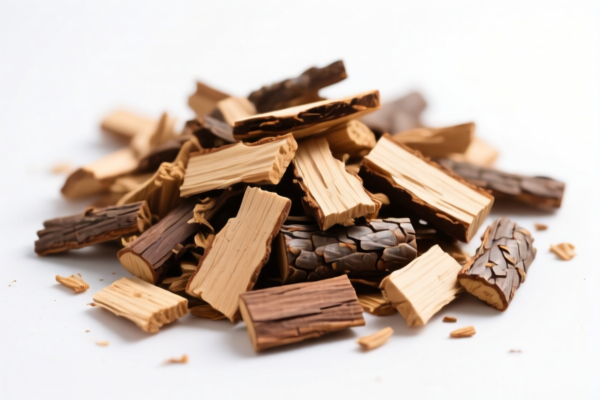
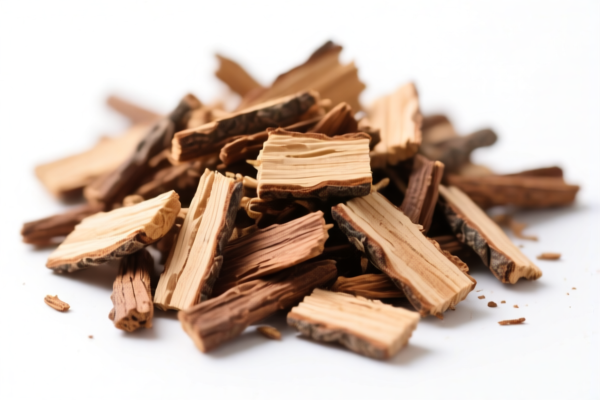
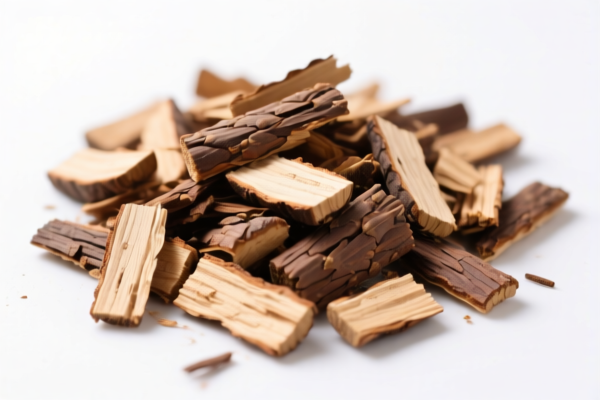
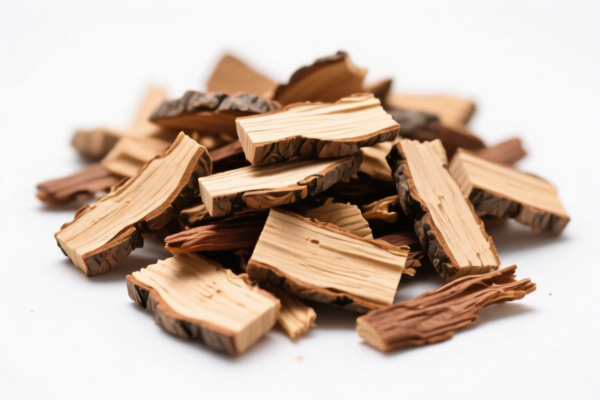
AI Analysis
🌲 Other Coniferous Chipwood
🌐 HS Code Reference & Customs Clearance Guide | 2026 Latest Tariff Analysis | Professional Clearance Strategy
📌 I. Product Definition and Classification: Do You Really Understand "Coniferous Chipwood"?
Coniferous Chipwood refers to processed wood products derived from coniferous trees (such as pine, spruce, fir, etc.). In international trade, this term typically encompasses wood that has been mechanically reduced in size or shaped into specific forms, distinct from raw logs or standard lumber. The classification depends heavily on the shape, processing method, and specific end-use (e.g., construction vs. general material).
⚠️ Key Distinction Points:
- If the wood is shaped by machining (e.g., tongue-and-groove, dowels) → It may fall under Chapter 44.09 or 44.18.
- If it is simply cut or planed without complex shaping → It may fall under Chapter 44.07.
- Crucial Note: "Chipwood" in a literal sense (small chips for pulp) is often classified differently (e.g., HS 4401), but the provided data suggests a focus on constructed or shaped wood components derived from conifers. The data provided highlights classifications for shaped/construction wood rather than raw chips.
📦 II. HS Code Classification Details (2026 Latest Tariff Authoritative Comparison)
Based on the provided <DATA>, the following HS Codes are applicable for Coniferous Wood Products. Note that the descriptions in the data emphasize "Construction" (构造) and "Shaped" characteristics.
| HS Code | Product Description | Applicable Scenario | Tax Rate (Total) | Tax Details Breakdown |
|---|---|---|---|---|
4409.10.10.20 |
Other Coniferous Wood, Construction, Category: Other, No Conflict | Shaped wood (e.g., tongue/groove, dowels) from conifers, not otherwise specified | 35.0% | Base: 0.0% Additional: 25.0% Section 122: 10.0% |
4409.10.10.60 |
Other Coniferous Wood, Construction, Shape: Wood Construction | Shaped/construction wood from coniferous trees, specifically classified by form | 35.0% | Base: 0.0% Additional: 25.0% Section 122: 10.0% |
4418.30.01.00 |
Other Coniferous Wood, Construction, Use: Beyond Specific Columns/Beams | Wood for general construction (e.g., prefabricated buildings, walls) not falling under specific columns/beams | 38.2% | Base: 3.2% Additional: 25.0% Section 122: 10.0% |
4407.19.00.01 |
Other Coniferous Wood, Category: Other, Compliant with Wood Classification | Planed, sanded, finger-jointed, or end-jointed wood of conifers (not further shaped than 44.09) | 35.0% | Base: 0.0% Additional: 25.0% Section 122: 10.0% |
4407.19.00.66 |
Other Coniferous Wood, Category: Other, No Shape/Use Conflict | Other processed wood of conifers (e.g., sawn wood further worked) with no specific conflict | 35.0% | Base: 0.0% Additional: 25.0% Section 122: 10.0% |
🔍 Important Reminder:
- HS 4409: Typically covers wood continuously shaped along its length (e.g., tongue-and-groove, chamfered, v-grooved).
- HS 4418: Covers building crafts (e.g., panels, prefabricated buildings). This category has a higher base tariff (3.2%).
- HS 4407: Covers sawn or chipped wood, further worked but not shaped continuously like 44.09.
- Do not misclassify simple sawn planks as "shaped" (4409) if they are only planed or sanded, which may fall under 4407. However, if the product is specifically for construction and shaped, 4409/4418 are more likely.
💰 III. 2026 Latest Tariff Rate Details (Including Additional Taxes and Policy Add-ons)
✅ Applicable Country: United States (US)
✅ Origin: China (CN)
✅ Effective Time: From November 10, 2025 (including subsequent imports)
🎯 1. HS Codes 4409.10.10.20, 4409.10.10.60, 4407.19.00.01, 4407.19.00.66
Category: Shaped or Further Worked Coniferous Wood (Non-Construction Specific or General)
| Item | Content |
|---|---|
| Base Tariff Rate | 0.0% (ad valorem) |
| USITC Additional Tariff | +25.0% (Under USITC Footnote related to Section 301) |
| IEEPA Additional Tariff | +10.0% (For Chinese/Hong Kong products, effective from Nov 10, 2025) |
| Total Tariff Rate | 35.0% |
| Tax Calculation | CIF Value × 35% |
| De Minimis Exemption | ❌ Not Applicable (deny_de_minimis) |
| Legal Basis Path | USITC:4409/4407 → FOOTNOTE:301 → IEEPA:9903.01.25/24 |
📌 Explanation:
- The 0% base rate makes these codes attractive, but the 35% total is driven entirely by punitive tariffs.
- Section 122 (10%) and Section 301 (25%) are added on top of the base.
- These codes apply to wood that is shaped (4409) or further worked (4407) but not specifically prefabricated building elements.
🎯 2. HS Code 4418.30.01.00
Category: Coniferous Wood for Building Construction (General)
| Item | Content |
|---|---|
| Base Tariff Rate | 3.2% (ad valorem) |
| USITC Additional Tariff | +25.0% |
| IEEPA Additional Tariff | +10.0% |
| Total Tariff Rate | 38.2% |
| Tax Calculation | CIF Value × 38.2% |
| De Minimis Exemption | ❌ Not Applicable (deny_de_minimis) |
| Legal Basis Path | USITC:4418.30.01.00 → FOOTNOTE:301 → IEEPA:9903.01.25/24 |
📌 Note:
- This code has a higher base rate (3.2%) because it is classified under Chapter 44.18 (Building Crafts), which includes prefabricated buildings and structural components.
- If your "chipwood" is actually prefabricated wall panels, roofing, or floorboards for construction, this is the likely code.
- The total rate of 38.2% is the highest among the provided options.
🛠️ IV. Customs Clearance Practical Advice (Real-World Pitfall Avoidance Guide)
✅ 1. Document Checklist (None are Optional)
| Document | Required | Description |
|---|---|---|
| ✅ Product Specification Sheet | ✔️ | Must detail: Species (e.g., Pine, Spruce), Dimensions, Moisture Content, Surface Treatment (Planed, Sanded, Shaped). |
| ✅ Photos of Product | ✔️ | Clear images showing the shape (e.g., tongue-and-groove for 4409, flat for 4407/4418). |
| ✅ Commercial Invoice | ✔️ | Must clearly state: "Coniferous Wood Products" and specify the processing method (e.g., "Machined Tongue-and-Groove," "Planed Sawn Wood"). |
| ✅ Packing List | ✔️ | Details weight, volume, and packaging type. |
| ✅ Certificate of Origin (CO) | ✔️ | To verify origin (China) and apply correct tariff rates. |
| ✅ ISPM 15 Phytosanitary Mark | ✔️ | Critical for wood products. Must be fumigated or heat-treated. |
🚫 Avoid:
- Using vague terms like "Wood Chips" if the product is actually lumber or shaped wood.
- Misdeclaring 4418 (Construction) as 4409 (Shaped Wood) to avoid the 3.2% base rate → High Risk of Audit and Penalty.
✅ 2. Declaration Strategy (Key Mantra)
🔥 “Shape Defines Code, Construction Adds Base, De Minimis is Gone, Paperwork is King!”
| Scenario | Correct HS Code | Incorrect Action |
|---|---|---|
| Wood with tongue-and-groove, chamfered edges, etc. | 4409.10.10.20 or 4409.10.10.60 |
Declare as "Sawn Wood" (4407) → May be rejected or reclassified. |
| Prefabricated wall panels, roofs, floors | 4418.30.01.00 |
Declare as "Shaped Wood" (4409) → Penalty for underpaying base tariff. |
| Planed, sanded, or finger-jointed planks (not continuously shaped) | 4407.19.00.01 or 4407.19.00.66 |
Declare as "Raw Log" → Illegal. |
| Wood chips for pulp/paper | Not Listed in Data | Do not use these codes. These codes are for processed wood products. |
✅ 3. Special Situations Handling
| Situation | Handling Advice |
|---|---|
| Moisture Content > 20% | Must declare accurately. High moisture may trigger phytosanitary issues. |
| Treated Wood (Preservative) | Must declare treatment type (e.g., CCA, ACQ). May require additional EPA/FDA documentation. |
| Mixed Species | If mixed coniferous species, classify based on the principal value or volume. Declare as "Mixed Coniferous." |
| OEM Custom Sizes | Provide custom order details. Ensure the shape matches the HS code description (e.g., if it’s just cut to size, it’s 4407; if shaped, it’s 4409). |
🌍 V. Global Main Market Customs Comparison (2026 Latest)
| Country/Region | Recommended HS Code | Tariff (China Origin) | Certification Requirements | Notes |
|---|---|---|---|---|
| 🇺🇸 USA | 4409.10.10.20 / 4418.30.01.00 |
35.0% - 38.2% | ISPM 15, EPA Treatment Label | High Tariff. No de minimis. |
| 🇨🇳 China | 4409.10.10.20 |
~5-10% (Import Duty) | N/A (Export from CN) | Lower base tariff, no Section 122/301. |
| 🇪🇺 EU | 4409.10.10 |
0% (Most Favored Nation) | FSC/PEFC (Optional but recommended) | No punitive tariffs. |
| 🇯🇵 Japan | 4409.10.10 |
~5% | Phytosanitary Certificate | Moderate tariff. |
📌 Conclusion:
- USA is the most challenging market for coniferous wood products due to the 35-38% effective tariff.
- EU and Japan are more favorable, but ISPM 15 compliance is universal.
- Cost Impact: A $10,000 shipment of shaped wood (4409) to the US will incur $3,500 in tariffs. A $10,000 shipment of construction wood (4418) will incur $3,820.
📌 VI. Common Mistakes & Pitfall Guide (Blood Lessons)
❌ Mistake 1: Declaring Prefabricated Building Panels as Shaped Wood (4409) to save 3.2% base tariff.
👉 Consequence: US Customs may reclassify to 4418, charge the 3.2% base + penalties + interest. Back taxes + 89.5% penalty risk.
❌ Mistake 2: Ignoring ISPM 15 phytosanitary marks.
👉 Consequence: Shipment held, fumigated at owner's expense, or returned/destructed.
❌ Mistake 3: Using vague descriptions like "Wood Material" or "Chipboard" (if not particle board).
👉 Consequence: Customs request for Additional Information (AI), causing delays of 2-4 weeks.
❌ Mistake 4: Assuming De Minimis ($800) applies.
👉 Consequence: Denial. Wood products from China are excluded from de minimis under Section 321 provisions for certain categories.
✅ Correct Practice:
"Coniferous Sawn Wood, Spruce, Planed and Sanded, Moisture Content 12%, ISPM 15 Marked, Palletized, for Use in Furniture Manufacturing"
🎯 VII. Conclusion: Precision in Classification Saves Money!
🎯 Remember the Mantra:
🔹 "Shaped = 4409 (35%), Construction = 4418 (38.2%), Sawn/Worked = 4407 (35%)."
🔹 "No De Minimis, No Escape. ISPM 15 is Mandatory. Tariff is 35-38%."
📌 Tips:
- If your product is small chips for pulp, ensure it is not classified under these codes. Use HS 4401.21 (Wood Chips) if applicable, though it may also face tariffs.
- For large shipments, consider Advance Ruling (Ruling Letter) from US Customs to confirm the HS code.
- Cost Optimization: If possible, explore third-country assembly (e.g., Vietnam, Mexico) to mitigate Section 301/122 tariffs, but origin rules are strict.
📣 Immediate Action:
📞 Contact a Professional Customs Broker
🖼️ Provide Product Photos & Specs
📄 Apply for ISPM 15 Certification
🚀 Ensure Smooth Clearance, Avoid Delays, Protect Margins!
✨ Professional Clearance Starts with Accurate Classification!
💼 Every Percent of Tariff Counts!
Customer Reviews
About HS Code Classification
The Harmonized System (HS) is an internationally standardized nomenclature developed by the World Customs Organization (WCO) to classify traded products. Over 200 countries use the HS system as the basis for customs tariffs, trade statistics, and import/export regulations.
Each HS code follows a hierarchical structure:
- Chapter (2 digits) — Broad category of goods (e.g., Chapter 84: Machinery and Mechanical Appliances)
- Heading (4 digits) — More specific grouping within the chapter
- Subheading (6 digits) — Internationally standardized breakdown, used by all WCO member countries
- National subdivisions (8-10 digits) — Country-specific extensions for further classification, such as US HTSUS 10-digit codes
Correct HS code classification is essential for smooth customs clearance, accurate duty payment, and compliance with trade regulations. Misclassification can lead to customs delays, overpayment of duties, or penalties.
When importing from CN to US, the applicable tariff rates may include:
- Most-Favored-Nation (MFN) rate — The standard duty rate applied to WTO members
- General rate — Applied to countries without trade agreements
- Trade remedy duties — Additional tariffs such as Section 301 (anti-dumping), Section 232 (national security), or countervailing duties
The information provided on this page is for reference purposes only. For official classification, please consult with your local customs authority or a licensed customs broker.