Other Coniferous Logs
CN → US| HS Code | Tariff Rate | Origin | Destination | Doc |
|---|---|---|---|---|
| 4407190093 | 35.0% | CN | US | Official Doc |
| 4407190092 | 35.0% | CN | US | Official Doc |
| 4403220165 | 35.0% | CN | US | Official Doc |
| 4403260164 | 35.0% | CN | US | Official Doc |
| 4401110000 | 35.0% | CN | US | Official Doc |
Product Images
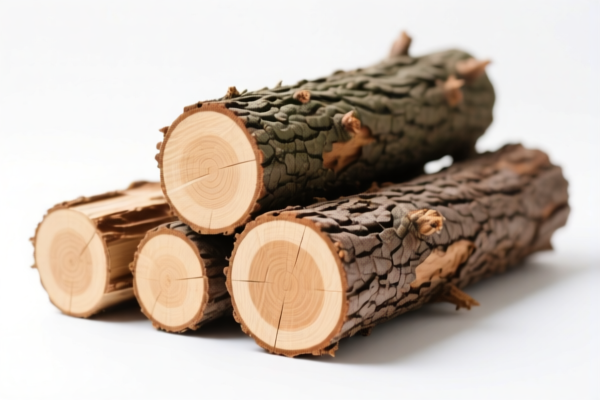
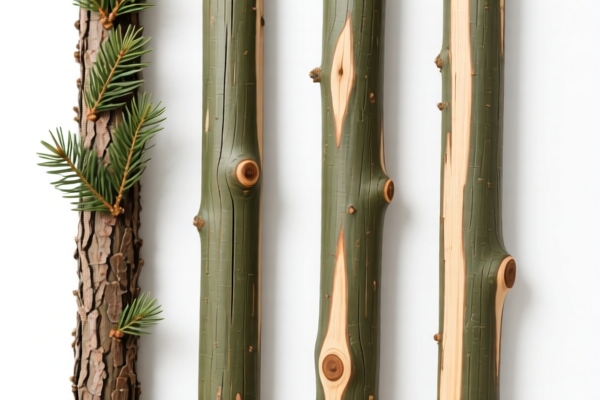
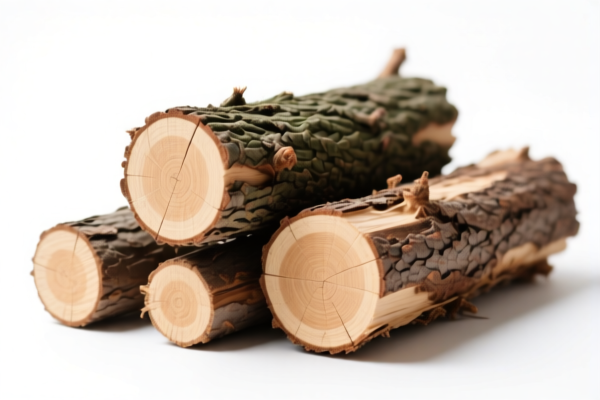
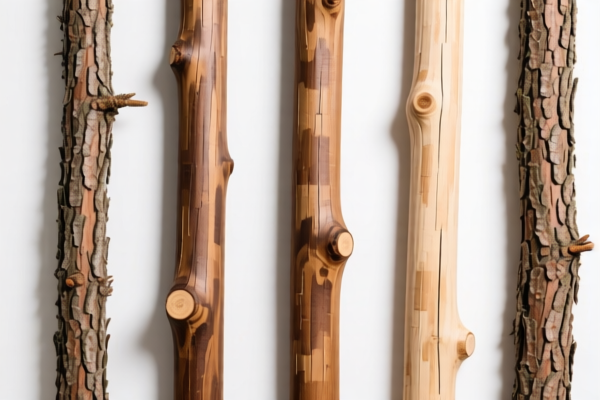
AI Analysis
🌲 Other Coniferous Logs (Unworked/Primarily for Furniture/Fuel)
🌐 HS Code Reference & Customs Clearance Guide | 2026 Latest Tariff Analysis | Professional Strategy for Chinese-Origin Coniferous Wood
📌 I. Product Definition & Classification: Understanding "Coniferous Logs"
Coniferous logs (softwood logs), such as Pine, Spruce, Fir, and Larch, are fundamental raw materials in international trade. Depending on their processing level, end-use, and physical state, they fall under different HS Code categories. In the current trade environment (particularly involving US-China relations), classification accuracy is critical due to significant附加 tariffs.
⚠️ Key Distinction Point:
- Logs intended for construction, furniture, or general wood products vs. Fuel wood (chips, pellets, or unprocessed logs explicitly for burning) have different HS codes. - Logs vs. Planks: These entries refer to logs (unworked or merely roughed), not processed timber (which would be in Chapter 44, Heading 4403 or 4407). - US Tariff Impact: Most of these items attract a 35% total tariff (0% Base + 25% Section 301 + 10% IEEPA) if originating from China.
📦 II. HS Code Classification Details (2026 Latest Tariff Concordance)
Based on the provided data, here are the specific HS Codes for "Other Coniferous Logs" and their respective applications:
| HS Code | Product Description & Summary | Primary Use/Scenario | Classification Logic |
|---|---|---|---|
4407.19.00.93 |
Other furniture-grade coniferous logs. Material: Coniferous wood. Form: Logs. Use: Furniture. | High-quality logs for furniture manufacturing or veneer. | Classified under "Other" in Heading 4407 (Sawn wood), specifically for furniture use. |
4407.19.00.92 |
Other coniferous logs, material: Coniferous, Form: Logs, Use: Furniture. Belongs to "Other" category. | General furniture-grade logs not fitting specific sub-categories. | Similar to .93 but classified under a different "Other" sub-heading for furniture logs. |
4403.22.01.65 |
Other coniferous logs, material: Coniferous, Form: Logs. Falls under "Other Coniferous Wood" category. | Unprocessed logs for general wood products (construction, pulp, etc.). | Heading 4403 (Wood in the rough, whether or not stripped of bark or sapwood). |
4403.26.01.64 |
Other coniferous logs, material: Coniferous, Form: Logs, Use: Furniture. Fits the "Residual/Other" category logic. | Logs for furniture use that do not meet specific criteria for other sub-headings. | Another variant under Heading 4403 for furniture-grade coniferous logs. |
4401.11.00.00 |
Other coniferous logs, material: Coniferous, Form: Logs, Use: Fuel Wood. | Logs specifically intended for burning as fuel (chips, pellets, or unprocessed logs). | Heading 4401 covers "Fuel Wood." This is distinct from timber for construction/furniture. |
🔍 Critical Reminder:
-4401.11.00.00is for Fuel Wood. If you declare furniture logs as fuel wood to avoid tariffs, customs will likely reject it unless you can prove the exclusive intent is for burning. -4403vs4407:
-4403: Wood in the rough (logs, bark intact, minimal processing). -4407: Wood sawn or chipped lengthwise (sawn timber, even if rough-sawn).
- Note: The provided data mixes descriptions for both, so verify if the logs are truly "in the rough" or "sawnt".
💰 III. 2026 Latest Tariff Rate Breakdown (Including Surcharges & Policy Add-ons)
✅ Applicable Country: United States (US)
✅ Origin: China (CN)
✅ Effective Date: Since November 10, 2025 (and subsequent imports)
🎯 1. Furniture & General Construction Logs (HS Codes: 4407.19.00.93, 4407.19.00.92, 4403.22.01.65, 4403.26.01.64)
| Item | Content |
|---|---|
| Base Tariff | 0% (ad valorem) |
| Section 301 Additional Tariff | +25% (USITC Footnote 9903.88.01) |
| IEEPA Additional Tariff | +10% (Targeting Chinese/Hong Kong products, effective Nov 10, 2025) |
| Total Effective Rate | 35% |
| Calculation Method | CIF Value × 35% |
| De Minimis Exemption? | ❌ No (Deny de minimis) |
| Legal Path | IEEPA:9903.01.25 → IEEPA:9903.01.24 → USITC:4403/4407 → FOOTNOTE:9903.88.01 |
📌 Explanation:
- 25% Section 301: Standard tariff for most Chinese wood products under US Trade Law Section 301. - 10% IEEPA: Additional surcharge under the International Emergency Economic Powers Act. - Total 35%: A significant cost burden. Ensure your cost model accounts for this.
🎯 2. Fuel Wood (HS Code: 4401.11.00.00)
| Item | Content |
|---|---|
| Base Tariff | 0% (ad valorem) |
| Section 301 Additional Tariff | +25% (USITC Footnote 9903.88.01) |
| IEEPA Additional Tariff | +10% (Targeting Chinese/Hong Kong products) |
| Total Effective Rate | 35% |
| Calculation Method | CIF Value × 35% |
| De Minimis Exemption? | ❌ No (Deny de minimis) |
| Legal Path | Same as above. |
📌 Note: Even fuel wood from China is subject to the same 35% total tariff. Do not assume "fuel wood" is exempt from Section 301.
🛠️ IV. Customs Clearance Practical Advice (Battle-Tested Pitfall Avoidance)
✅ 1. Required Documentation Checklist (Mandatory)
| Document | Required | Explanation |
|---|---|---|
| ✅ Commercial Invoice | ✔️ | Must clearly state: "Coniferous Logs," Origin, Weight, Volume (CBM), and HS Code. |
| ✅ Packing List | ✔️ | Detail logs per container, species, and dimensions. |
| ✅ Phytosanitary Certificate | ✔️ | CRITICAL: Issued by the country of origin’s plant protection agency, confirming no pests/diseases. US CBP and USDA APHIS strictly enforce this. |
| ✅ Fumigation Certificate | ✔️ | Proof of ISPM 15 compliance (if treated) or fumigation. |
| ✅ Certificate of Origin | ✔️ | To prove Chinese origin (which triggers tariffs). |
| ✅ Product Description Details | ✔️ | Specify if logs are "Rough" (4403) or "Sawn" (4407). Ambiguity leads to delays. |
✅ 2. Classification & Declaration Tips (Key Mantras)
🔥 "Log State Defines Code, Use Defines Sub-Class, Origin Defines Tax!"
| Scenario | Correct Declaration | Incorrect Action |
|---|---|---|
| Logs for Furniture | 4407.19.00.93 or 4403.22.01.65 |
Declaring as "Wood Chips" (4401) → Risk of misclassification penalty. |
| Fuel Logs | 4401.11.00.00 |
Declaring as "Furniture Logs" → Unnecessary higher scrutiny? (Note: Tax is same, but intent matters for phytosanitary). |
| Rough vs. Sawn | Verify processing level. If sawn, use 4407. If raw, use 4403. | Using 4403 for sawn timber → Risk of reclassification to 4407 (same tax, but audit risk). |
| Mixed Species | Declare the predominant species or use "Other Coniferous" (4403.29/4407.19). | Vague description like "Wood Logs" → High chance of detention. |
✅ 3. Special Circumstances Handling
| Scenario | Handling Advice |
|---|---|
| Pests/Diseases Found | Ship will be rejected or fumigated at shipper’s expense. Ensure pre-shipment inspection. |
| Misdeclared Use (e.g., Furniture as Fuel) | If CBP finds furniture-grade logs declared as fuel, expect severe penalties for fraud. |
| Volume Discrepancy | Logs are often measured by volume (CBM). Ensure bill of lading matches invoice. CBP checks for "short-landing" or over-shipment. |
| ISPM 15 Compliance | If logs are not raw but treated (heat treatment/fumigation), mark with ISPM 15 stamp. |
🌍 V. Global Market Comparison (2026 Update)
| Country/Region | Recommended HS Code | Tariff (China Origin) | Certification Requirement | Notes |
|---|---|---|---|---|
| 🇺🇸 USA | 4403.22.01.65 / 4401.11.00.00 |
35% (0% + 25% + 10%) | Phytosanitary + APHIS Permit | High scrutiny on wood pests. |
| 🇨🇳 China | 4403.22.01.65 |
0% (Import Duty) | Phytosanitary | Duty-free for wood logs into China. |
| 🇪🇺 EU | 4403.22.01.65 |
0% (General Rate) | FLEGT (if applicable) + Phytosanitary | No Section 301 equivalent, but strict eco-laws. |
| 🇯🇵 Japan | 4403.22.01.65 |
0% - 2.5% | Phytosanitary | Varies by species. |
📌 Conclusion:
- USA is the most challenging market due to the 35% total tariff. - Phytosanitary compliance is non-negotiable globally. Failure results in immediate rejection.
📌 VI. Common Errors & Pitfall Guide (Lessons Learned)
❌ Error 1: Declaring "Furniture Logs" as "Fuel Wood" to simplify customs.
👉 Consequence: CBP may reject the declaration if logs are clearly sized/graded for furniture. Fines for misdeclaration.
❌ Error 2: Ignoring Phytosanitary Certificates.
👉 Consequence: Ship detained, fumigated, or returned. Costly delays.
❌ Error 3: Vague Description ("Wood Logs").
👉 Consequence: Customs cannot determine the correct sub-heading. Leads to "Exam" status, delays, and potential reclassification.
❌ Error 4: Assuming "Raw Logs" are exempt from Section 301.
👉 Consequence: Surprise 25%+10% tariff bill. All Chinese wood logs are subject to these surcharges.
✅ Correct Practice:
"Coniferous Logs, Species: Spruce, Rough, for Furniture Use, Origin: China, Phytosanitary Certified, HS Code: 4403.22.01.65"
🎯 VII. Conclusion: Precise Classification Saves Money!
🎯 Key Takeaways:
🔹 "Logs for Furniture vs. Fuel: Same Tariff (35%), Different Code."
🔹 "Phytosanitary is King: No Cert = No Entry."
🔹 "Origin Matters: China Origin = 35% Total Tax."
📌 Pro Tip:
If you are importing from China, consider transshipment through Vietnam or Mexico (with substantial transformation) to mitigate tariffs, but ensure strict compliance with Rules of Origin to avoid fraud allegations.
Always request a Binding Tariff Ruling from CBP before shipping if unsure about the log's processing state.
📣 Immediate Action:
📞 Contact your freight forwarder to verify Phytosanitary requirements.
📄 Double-check HS Code against the exact log description (Rough vs. Sawn).
🚀 Ensure CIF Value includes all costs to calculate the 35% tax accurately.
✨ Professional Customs Clearance Starts with Accurate Classification!
💼 Your Profit Margin Depends on These Details!
Customer Reviews
About HS Code Classification
The Harmonized System (HS) is an internationally standardized nomenclature developed by the World Customs Organization (WCO) to classify traded products. Over 200 countries use the HS system as the basis for customs tariffs, trade statistics, and import/export regulations.
Each HS code follows a hierarchical structure:
- Chapter (2 digits) — Broad category of goods (e.g., Chapter 84: Machinery and Mechanical Appliances)
- Heading (4 digits) — More specific grouping within the chapter
- Subheading (6 digits) — Internationally standardized breakdown, used by all WCO member countries
- National subdivisions (8-10 digits) — Country-specific extensions for further classification, such as US HTSUS 10-digit codes
Correct HS code classification is essential for smooth customs clearance, accurate duty payment, and compliance with trade regulations. Misclassification can lead to customs delays, overpayment of duties, or penalties.
When importing from CN to US, the applicable tariff rates may include:
- Most-Favored-Nation (MFN) rate — The standard duty rate applied to WTO members
- General rate — Applied to countries without trade agreements
- Trade remedy duties — Additional tariffs such as Section 301 (anti-dumping), Section 232 (national security), or countervailing duties
The information provided on this page is for reference purposes only. For official classification, please consult with your local customs authority or a licensed customs broker.