Other Coniferous Logs, Cross section 15cm or More
CN → US| HS Code | Tariff Rate | Origin | Destination | Doc |
|---|---|---|---|---|
| 4403210130 | 35.0% | CN | US | Official Doc |
| 4403230135 | 35.0% | CN | US | Official Doc |
| 4403210125 | 35.0% | CN | US | Official Doc |
| 4401110000 | 35.0% | CN | US | Official Doc |
Product Images
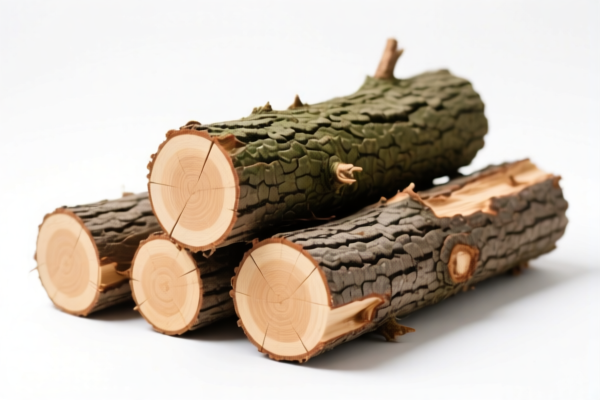
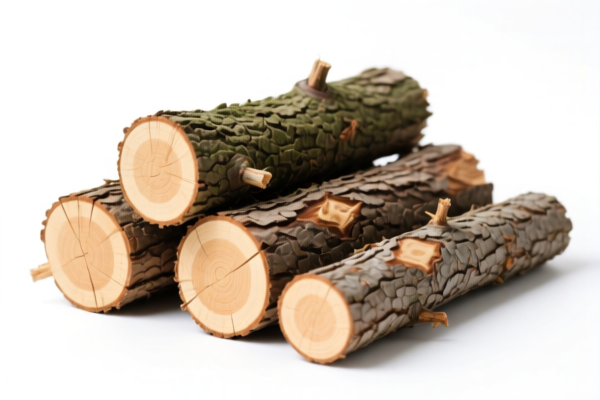
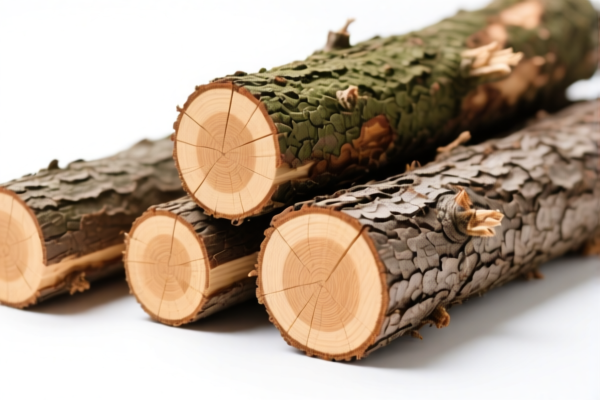
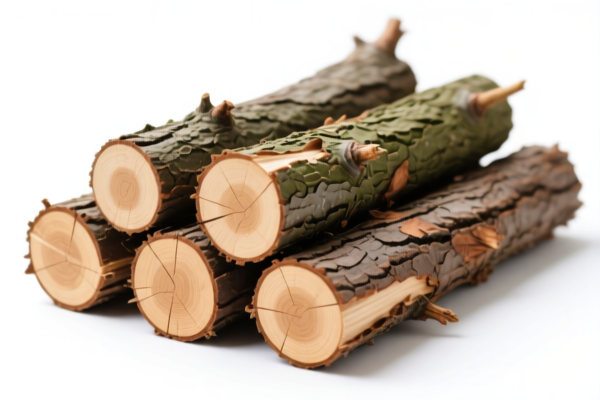
AI Analysis
🌲 Other Coniferous Logs, Cross-section ≥15cm (Unseasoned/Unprocessed)
🌐 HS Code Reference & Customs Clearance Guide | 2026 Latest Tariff Analysis | Professional Tier-1 Clearance Strategy
📌 I. Product Definition & Classification: Do You Understand "Softwood Logs"?
Coniferous logs (often referred to as "softwood") are the raw, unprocessed timber from evergreen trees such as Pine, Spruce, Fir, Larch, and Cedar. In international trade, these are distinguished by their geometric criteria (cross-section size) and processing state (bark on, unseasoned).
For imports into the United States, the classification hinges on two critical factors: 1. Dimension: The minimum cross-sectional dimension must be 15 cm (approx. 5.9 inches) or more. 2. State: Unbarked or simply roughed/sawn (not further processed than peeled, rough-sawn, or half-sawn).
⚠️ Key Distinction Point:
- Logs/Raw Timber: If the wood is in its natural form or roughly cut, with a cross-section ≥15cm → Falls under Chapter 44 (Wood and Articles of Wood) or Chapter 44 (Fuel Wood) depending on end-use intent.
- Sawn Timber/Lumber: If planed, tongue-and-groove, or otherwise worked beyond rough sawing → Falls under 4407 (not listed in provided data).
- Fuel Wood: If explicitly declared and intended for combustion → Falls under 4401.
📦 II. HS Code Classification Details (2026 Latest Tariff Authority Match)
Based on the provided dataset, here are the precise HS Codes, their specific applications, and why they match the input "Other Coniferous Logs, Cross-section ≥15cm."
| HS Code | Product Description | Application Scenario | Cross-section Req. |
|---|---|---|---|
4403.21.01.30 |
Matched Unbarked Coniferous Logs | Raw timber from conifers (e.g., Spruce, Fir), unbarked, size ≥15cm. | ✅ ≥15cm |
4403.23.01.35 |
Matched Unbarked Coniferous Timber | Coarse/coniferous wood, unbarked, size ≥15cm. | ✅ ≥15cm |
4403.21.01.25 |
Matched Pine Logs | Specifically Pine logs, size ≥15cm, meeting min cross-section limits. | ✅ ≥15cm |
4401.11.00.00 |
Coniferous Fuel Wood | Pine/Coniferous logs declared explicitly as fuel, size/material compliant. | ✅ ≥15cm (as per input context) |
🔍 Critical Note:
- 4403 vs. 4401: The primary difference is intent.4403codes are for construction, manufacturing, or structural wood.4401.11.00.00is strictly for fuel (biomass energy, heating). Misdeclaring construction wood as fuel to avoid duties is a major customs violation.
- "Other Coniferous": The term "Other" in4403.21often refers to species other than specific major exporters or types defined in sub-headings, but in this dataset, it groups general coniferous logs (Spruce, Fir, etc.) alongside specific Pine logs.
💰 III. 2026 Latest Tariff Rate Breakdown (Including Surcharges & Policy Add-ons)
✅ Applicable Country: United States (US)
✅ Country of Origin: China (CN) (Implied by the "Section 301/122" structure)
✅ Effective Date: 2025/2026 Tariff Period
🎯 1. 4403.21.01.30 / 4403.23.01.35 / 4403.21.01.25
Coniferous Logs/Timber (Construction/Manufacturing Grade)
| Item | Content |
|---|---|
| Base Tariff Rate | 0% (Ad Valorem - Standard MFN rate for raw wood) |
| Section 301 Tariff | +25% (Imposed under U.S. Trade Act Section 301 against China) |
| Section 122 Tariff | +10% (Specific additional duty for certain timber products under Section 122 authorities) |
| Total Effective Rate | 35.0% |
| Tax Calculation | CIF Value × 35% |
| De Minimis Exemption? | ❌ NO (deny_de_minimis: Wood products are excluded from $800 de minimis relief) |
| Legal Basis Path | Section301:4403 → Section122:Wood → USITC:4403.xxxx.xxxx |
📌 Explanation:
- Base 0%: Raw lumber from conifers typically has a low base duty to encourage raw material intake.
- The 35% Hit: The 25% Section 301 tariff is the standard punitive tariff on Chinese wood products. The 10% Section 122 tariff is a specific add-on for timber. Together, they create a 35% total duty burden.
- High Cost Alert: This makes Chinese-origin softwood logs significantly less competitive in the US market compared to timber from Canada, Russia, or Southeast Asia.
🎯 2. 4401.11.00.00
Coniferous Fuel Wood (Pine/Coniferous)
| Item | Content |
|---|---|
| Base Tariff Rate | 0% |
| Section 301 Tariff | +25% (Applied to all Chinese wood products regardless of use) |
| Section 122 Tariff | +10% (Wood products specific add-on) |
| Total Effective Rate | 35.0% |
| Tax Calculation | CIF Value × 35% |
| De Minimis Exemption? | ❌ NO (deny_de_minimis) |
| Legal Basis Path | IEEPA:9903.01.24 → USITC:4401.11.00.00 → FOOTNOTE:Wood |
📌 Warning:
- Do NOT assume "Fuel Wood" gets a lower tax rate. The dataset explicitly shows 35% for4401.11.00.00.
- Customs agencies scrutinize fuel wood declarations heavily to prevent tariff evasion. If you ship construction logs but label them as "fuel," you risk seizure, fines, and legal penalties.
🛠️ IV. Customs Clearance Practical Advice (Pitfall Avoidance Guide)
✅ 1. Required Documentation Checklist (Non-Negotiable)
| Document | Required? | Explanation |
|---|---|---|
| ✅ Phytosanitary Certificate | ✔️ MUST | Issued by the country of origin’s agricultural authority. Proves wood is free of pests (e.g., Asian Longhorned Beetle). Without this, shipment will be destroyed. |
| ✅ IPPC Mark | ✔️ MUST | Stamp on the wood/logs indicating heat treatment (HT) or fumigation (MB). |
| ✅ Commercial Invoice | ✔️ | Must clearly state: "Unbarked Coniferous Logs," HS Code, Country of Origin, and exact volume in cubic meters (CBM). |
| ✅ Packing List | ✔️ | Detailed breakdown of bundles, dimensions, and total CBM. |
| ✅ Bill of Lading (B/L) | ✔️ | Consistency with Invoice is critical. |
| ✅ Is It Fuel? | ✔️ | If declaring 4401, provide proof of end-use (e.g., contract with power plant). If construction, declare 4403. |
✅ 2. Declaration Tactics (Key Mnemonics)
🔥 "Volume Accurate, Phytosanitary Valid, Fuel vs. Construction Split!"
| Scenario | Correct HS Code | Mistake to Avoid | Consequence |
|---|---|---|---|
| Standard Softwood Logs (Pine/Spruce) | 4403.21.01.30 or 4403.21.01.25 |
Declaring as "Lumber" (4407) | Rate may differ; but 4403 is correct for raw logs. |
| Rough Coniferous Timber | 4403.23.01.35 |
Declaring as "Fuel" | If not fuel, this is fraud. |
| Logs for Power Plant/Biomass | 4401.11.00.00 |
Declaring as "Construction" | No difference in tax (35% either way), but wrong documentation triggers audits. |
| Cross-section < 15cm | Check Other Codes | Using these codes | These codes require ≥15cm. Smaller logs may fall under different subheadings or be rejected. |
✅ 3. Special Handling for Wood Products
| Issue | Solution |
|---|---|
| Moisture Content | Logs are often shipped green (high moisture). Ensure invoices reflect actual weight/volume. Moisture affects density calculations. |
| Bark Presence | The HS codes 4403.21/23 specify "Unbarked" or "Simply Roughed." If heavily debarked, ensure description matches "Unbarked." If debarked to >10%, it might be classified differently. |
| Pest Inspection | US Customs and Border Protection (CBP) often refers wood to the APHIS (Animal and Plant Health Inspection Service) for physical inspection at entry. Expect delays of 2-5 days. |
| Volume Discrepancy | CBP measures logs randomly. If your declared CBM is significantly higher than the sampled measurement, you will be penalized for under-declaration. |
🌍 V. Global Market Comparison (2026 Latest)
| Region | Recommended HS Code | Duty Rate (China Origin) | Key Requirement | Note |
|---|---|---|---|---|
| 🇺🇸 USA | 4403.21.01.30 / 4401.11.00.00 |
35% (25% Sec 301 + 10% Sec 122) | IPPC Mark + Phytosanitary Cert | Highest Duty. Consider transshipment from non-China origin if possible. |
| 🇨🇳 China | 4403.21 / 4401 |
0-5% (Import Duty) | N/A | Major importer of softwood logs from Russia/NZ. |
| 🇪🇺 EU | 4403 |
0% (Most cases) | EUTR (EU Timber Regulation) Compliance | Strict due diligence on legal sourcing required. No Section 301 equivalent. |
| 🇬🇧 UK | 4403 |
0% | UK Timber Regulation | Post-Brexit alignment with EU standards. |
| 🇦🇺 Australia | 4403 |
5% | Biosecurity Permit | Extremely strict biosecurity laws for raw wood. |
📌 Conclusion:
- The USA is the most expensive market for Chinese coniferous logs due to the 35% composite tariff.
- Canada and New Zealand are the primary competitors, often enjoying 0% tariffs due to FTA or general preferential rates.
- Strategic Advice: If you are sourcing from China for the US market, calculate if the price advantage outweighs the 35% duty + biosecurity delays.
📌 VI. Common Errors & Pitfalls (Blood Lessons)
❌ Error 1: Ignoring the 15cm Cross-Section Rule
👉 Consequence: If logs are smaller (e.g., 10cm), they may not fit these specific HS codes, leading to rejection at border or incorrect classification fines.
❌ Error 2: Failing to declare Country of Origin clearly
👉 Consequence: If origin is unclear, CBP may assign the maximum punitive tariff or treat it as smuggling.
❌ Error 3: Confusing Logs (4403/4401) with Lumber (4407)
👉 Consequence: Logs have different phytosanitary and duty structures. Misdeclaration leads to seizure.
❌ Error 4: Not having a valid IPPC Mark
👉 Consequence: Immediate rejection/destruction by APHIS. No amount of paperwork can fix pest risks.
✅ Correct Practice:
"Unbarked Coniferous Logs, Pine/Spruce, Cross-section ≥15cm, Heat Treated (HT), IPPC Mark Visible, CBM: 500, Origin: China"
🎯 VII. Conclusion: Precision in Wood Trade Saves Millions
🎯 Remember the Mantra:
🔹 "Logs ≥15cm, Duty is 35%."
🔹 "Phytosanitary Certificate is King."
🔹 "Don't Mix Fuel and Construction."
📌 Pro Tip:
If you are importing large volumes, consider applying for a Section 301 Exclusion (if available for specific wood types) or sourcing from non-China origins (e.g., Russia, Belarus, New Zealand) to bypass the 25% tariff. However, note that Russia/Belarus goods also face separate sanctions/duties.
📣 Immediate Action:
📞 Engage a licensed customs broker specialized in biosecurity and wood products.
📦 Verify IPPC marks on every pallet before loading.
📄 Prepare Phytosanitary Certificates before shipment departure.
✨ Professional Clearance Starts with Accurate Classification!
💼 Protect your margins from the hidden 35% tariff!
Customer Reviews
About HS Code Classification
The Harmonized System (HS) is an internationally standardized nomenclature developed by the World Customs Organization (WCO) to classify traded products. Over 200 countries use the HS system as the basis for customs tariffs, trade statistics, and import/export regulations.
Each HS code follows a hierarchical structure:
- Chapter (2 digits) — Broad category of goods (e.g., Chapter 84: Machinery and Mechanical Appliances)
- Heading (4 digits) — More specific grouping within the chapter
- Subheading (6 digits) — Internationally standardized breakdown, used by all WCO member countries
- National subdivisions (8-10 digits) — Country-specific extensions for further classification, such as US HTSUS 10-digit codes
Correct HS code classification is essential for smooth customs clearance, accurate duty payment, and compliance with trade regulations. Misclassification can lead to customs delays, overpayment of duties, or penalties.
When importing from CN to US, the applicable tariff rates may include:
- Most-Favored-Nation (MFN) rate — The standard duty rate applied to WTO members
- General rate — Applied to countries without trade agreements
- Trade remedy duties — Additional tariffs such as Section 301 (anti-dumping), Section 232 (national security), or countervailing duties
The information provided on this page is for reference purposes only. For official classification, please consult with your local customs authority or a licensed customs broker.