Other Coniferous Timber Beams
CN → US| HS Code | Tariff Rate | Origin | Destination | Doc |
|---|---|---|---|---|
| 4407190066 | 35.0% | CN | US | Official Doc |
| 4407190001 | 35.0% | CN | US | Official Doc |
| 4418300100 | 38.2% | CN | US | Official Doc |
| 4409101060 | 35.0% | CN | US | Official Doc |
| 4409101020 | 35.0% | CN | US | Official Doc |
| 4418810000 | 38.2% | CN | US | Official Doc |
Product Images
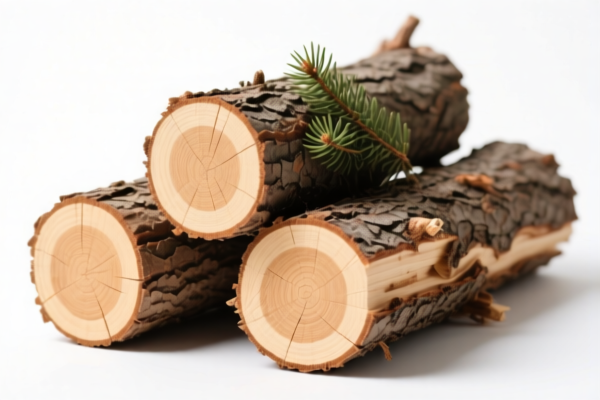
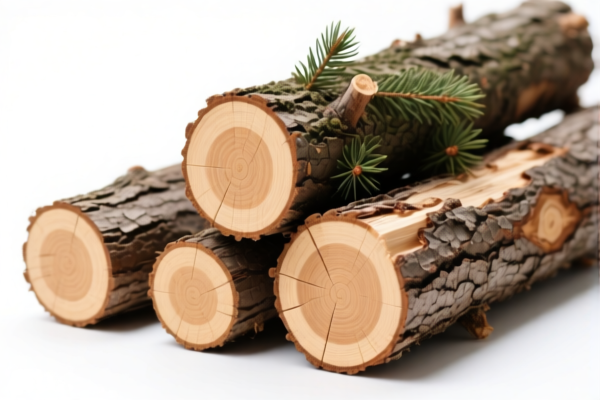
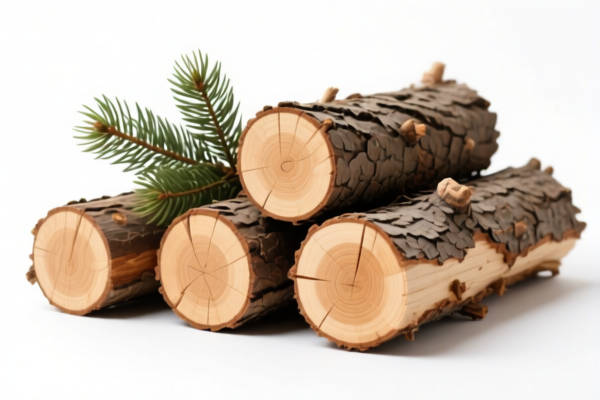
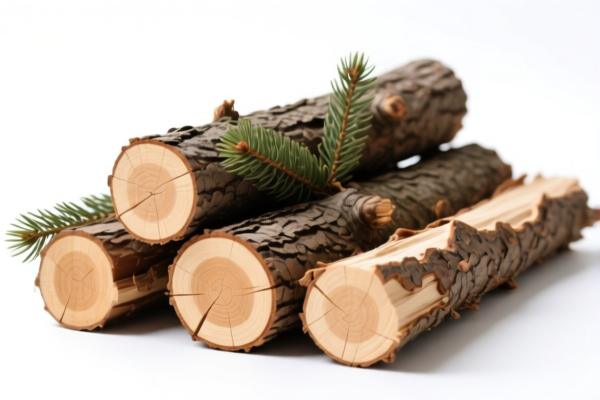
AI Analysis
🪵 Other Coniferous Timber Beams (Softwood Structural Timber)
🌐 HS Code Reference & Customs Clearance Guide | 2026 Latest Tariff Breakdown | Professional Entry Strategy
📌 I. Product Definition & Classification: Do You Really Understand "Coniferous Timber"?
Coniferous Timber Beams refer to processed wood derived from softwood trees (such as Pine, Spruce, Fir, Cedar). In international trade, these are primarily used for structural frameworks in construction (houses, barns, warehouses) or engineering structures.
The classification depends heavily on the state of processing: * Raw/Plank State: Sawed or chipped longitudinally, but not further processed into specific shapes. → Chapter 44 Section I * Engineered/Structural State: Joined, glued, or formed into specific structural components (like I-joists, laminated beams). → Chapter 44 Section II
⚠️ Key Distinction Point:
- If it is solid sawn timber (planks, beams, posts) without complex assembly → Classified under 4407, 4409, or 4418 depending on profile.
- If it is engineered wood (glulam, LVL, trusses) intended for structural load-bearing → Classified under 4418.
📦 II. HS Code Classification Details (2026 Latest Tariff Authority Match)
Below is the exact mapping from the provided data <DATA>, categorized by processing type and use.
| HS Code | Product Description (Summary) | Total Tax Rate | Tax Detail Breakdown |
|---|---|---|---|
4407.19.00.66 |
Other Coniferous Timber Structure; Material: Coniferous; Form: Other Class | 35.0% | Base: 0%, Section 301: 25%, Section 122: 10% |
4407.19.00.01 |
Other Coniferous Timber Structure; Material: Coniferous; Form: Timber Structure | 35.0% | Base: 0%, Section 301: 25%, Section 122: 10% |
4418.30.01.00 |
Other Coniferous Timber Structure; Material: Coniferous; Use: Structural, excluding specific columns/beams | 38.2% | Base: 3.2%, Section 301: 25%, Section 122: 10% |
4409.10.10.60 |
Other Coniferous Timber Structure; Material: Coniferous; Form: Timber Structure | 35.0% | Base: 0%, Section 301: 25%, Section 122: 10% |
4409.10.10.20 |
Other Coniferous Timber Structure; Material: Coniferous; Form: Other Class | 35.0% | Base: 0%, Section 301: 25%, Section 122: 10% |
4418.81.00.00 |
Other Coniferous Timber Structure; Material: Wood; Use: Structural Timber Products for Engineering | 38.2% | Base: 3.2%, Section 301: 25%, Section 122: 10% |
🔍 Key Insight:
- Section 4407: Typically covers sawn wood (roughly planed, tongued, grooved, etc.). If the beam is just cut to size but retains its natural cellular structure, it often falls here.
- Section 4409: Covers timber with continuous profiles (like tongue-and-groove decking, paneling, or shaped beams).
- Section 4418: Covers construction work (e.g., doors, windows, shutters, structural parts like trusses, rafters, and engineered beams). This section has a higher base tariff (3.2%) because it is considered a "finished construction product."
💰 III. 2026 Latest Tariff Rate Breakdown (Including Additional Taxes & Policy Add-ons)
✅ Applicable Country: United States (US)
✅ Origin: China (CN)
✅ Effective Date: Post-2025 Policies (Section 301 & Section 122)
🎯 1. 4407.19.00.66 & 4407.19.00.01 —— Other Coniferous Timber (Sawn/Planked Beams)
| Item | Content |
|---|---|
| Base Tariff | 0% (ad valorem) |
| Section 301 Tariff | +25% (USITC Footnote 9903.88.01 / Trade Act Section 301) |
| Section 122 Tariff | +10% (Special measure for specific Chinese imports) |
| Total Tax Rate | 35.0% |
| Calculation | CIF Value × 35% |
| De Minimis Eligibility | ❌ No (High value structural goods are excluded) |
| Legal Path | Section 301 → Section 122 → USITC:4407.19.00.01/66 |
📌 Explanation:
- The 0% base rate reflects the general MFN (Most Favored Nation) rate for many timber products.
- The 25% Section 301 is the dominant cost driver for Chinese softwood.
- The 10% Section 122 is an additional levy.
- Total: 35%. This is a significant cost factor for exporters.
🎯 2. 4409.10.10.60 & 4409.10.10.20 —— Profiled Coniferous Timber (Tongue/Groove/Shaped Beams)
| Item | Content |
|---|---|
| Base Tariff | 0% |
| Section 301 Tariff | +25% |
| Section 122 Tariff | +10% |
| Total Tax Rate | 35.0% |
| Calculation | CIF Value × 35% |
| De Minimis Eligibility | ❌ No |
| Legal Path | Section 301 → Section 122 → USITC:4409.10.10.20/60 |
📌 Note:
- Identical tax structure to Section 4407.
- Applies to timber that has been shaped (e.g., for decking, cladding, or specialized structural profiles) but is still essentially "solid wood."
🎯 3. 4418.30.01.00 & 4418.81.00.00 —— Structural Timber Products (Engineered/Construction Parts)
| Item | Content |
|---|---|
| Base Tariff | 3.2% |
| Section 301 Tariff | +25% |
| Section 122 Tariff | +10% |
| Total Tax Rate | 38.2% |
| Calculation | CIF Value × 38.2% |
| De Minimis Eligibility | ❌ No |
| Legal Path | Section 301 → Section 122 → USITC:4418 |
📌 Critical Warning:
- If your "beams" are engineered (e.g., Glulam, LVL, Trusses, Prefabricated Framing Kits), they fall under 4418.
- The Base Tariff is 3.2%, not 0%.
- Total Tax is 38.2%, which is 3.2% higher than plain sawn timber.
- Do NOT misclassify engineered structural products as simple sawn timber (4407/4409) to save 3.2%. This constitutes customs fraud.
🛠️ IV. Customs Clearance Operational Advice (Practical Pitfall Guide)
✅ 1. Documentation Checklist (Non-Negotiable)
| Document | Required? | Description |
|---|---|---|
| ✅ Commercial Invoice | ✔️ | Must state: "Coniferous Timber Beams," HS Code, Country of Origin (China), Value. |
| ✅ Packing List | ✔️ | Detail quantity, weight, and dimensions. |
| ✅ Phytosanitary Certificate | ✔️ | Mandatory from China. Proves wood is treated (heat-treated/ISPM 15) against pests. |
| ✅ Fumigation Certificate | ✔️ | If required by port authority. |
| ✅ ISPM 15 Marking | ✔️ | Physical stamps on pallets/containers. |
| ✅ Product Spec Sheet | ✔️ | Distinguish between "Sawn Timber" (4407/4409) and "Structural Component" (4418). |
| ✅ Bill of Lading | ✔️ | Clean on-board bill. |
✅ 2. Classification Strategy (Key Mnemonics)
🔥 "Sawn is 4407/4409 (35%), Structured is 4418 (38.2%)"
| Situation | Correct HS Code | Incorrect Practice | Consequence |
|---|---|---|---|
| Solid Pine Beam (Cut to size, no complex joints) | 4407.19.00.01 or 4409.10.10.60 |
Misclassify as 4418 |
Overpay by 3.2% unnecessarily |
| Prefabricated Truss / Glulam Beam | 4418.81.00.00 |
Misclassify as 4407 |
Underpayment → Penalties, Back Taxes, Audit |
| Tongue & Groove Decking Boards | 4409.10.10.20 |
Misclassify as 4407 |
Potential reclassification fine |
| Raw Logs / Unprocessed | Not in list (Likely 4403) | Not in scope | Avoided by this guide |
✅ 3. Special Case Handling
| Scenario | Handling Advice |
|---|---|
| Mixed Shipments (Sawn Timber + Engineered Beams) | Must declare separately. Do not lump into one HS code. Mixed declarations can lead to seizure of the entire shipment. |
| Wood Treatment | Ensure ISPM 15 compliance. Unmarked wood will be rejected or fumigated at exporter/importer cost. |
| Origin Marking | Clearly mark "Made in China" on all packages. Mislabeling origin can trigger anti-dumping duties. |
| Engineered Wood Definition | If the wood is glued/laminated with other materials (e.g., metal plates), it may still be 4418. Consult a broker if >50% wood by weight. |
🌍 V. Global Market Comparison (2026 Update)
| Country/Region | Recommended HS Code | Approx. Tariff (China Origin) | Key Requirement |
|---|---|---|---|
| 🇺🇸 USA | 4407 / 4409 / 4418 |
35% - 38.2% | Phytosanitary Cert, ISPM 15, Section 301/122 |
| 🇨🇳 China | 4407 / 4409 / 4418 |
0% - 5% | Import License (if applicable) |
| 🇪🇺 EU | 4407 / 4409 / 4418 |
0% - 6.5% | Timber Regulation (EUTR), FSC/PEFC chain of custody |
| 🇬🇧 UK | 4407 / 4409 / 4418 |
0% - 6.5% | UK Timber Regulation, FLEGT license |
| 🇯🇵 Japan | 4407 / 4409 / 4418 |
5% - 14% | Phytosanitary, Wood Pests |
📌 Conclusion:
- The US market is the most expensive due to Section 301 and 122 tariffs.
- EU/UK require strict chain-of-custody documentation (FSC/PEFC) but have lower tariffs.
- China is a major exporter; ensure your Chinese supplier provides valid phytosanitary certificates.
📌 VI. Common Errors & Pitfall Guide (Lessons Learned)
❌ Error 1: Classifying Engineered Beams (Trusses) as Sawn Timber (4407) to avoid the 3.2% base tariff.
👉 Consequence: Customs audit, back taxes + interest, potential fraud charges.
👉 Fix: Always use 4418 for constructed/engineered structural elements.
❌ Error 2: Missing Phytosanitary Certificate.
👉 Consequence: Shipment detained, destroyed, or re-exported at your cost.
👉 Fix: Obtain cert from Chinese Customs before shipment.
❌ Error 3: Ambiguous Product Description ("Timber Parts").
👉 Consequence: Customs officer makes a wrong guess, leading to delays or incorrect classification.
👉 Fix: Use precise terms: "Solid Sawn Coniferous Beam" or "Prefabricated Structural Truss."
❌ Error 4: Ignoring Section 122 (10% Add-on).
👉 Consequence: Underestimation of landed cost by 10%.
👉 Fix: Include 10% in your margin calculation immediately.
✅ Correct Declaration Example:
"Solid Sawn Douglas Fir Beams, 2x4x8ft, Heat Treated, ISPM 15 Marked, HS Code 4407.19.00.01"
🎯 VII. Conclusion: Professional Classification, Cost Control, Smooth Customs
🎯 Remember the Mantra:
🔹 "Sawn is 35%, Structured is 38.2%. Don't mix them!"
🔹 "No Phyto Cert? No Entry!"
🔹 "Section 301 + 122 = 35-38% Tax. Budget accordingly."
📌 Pro Tip:
If you are sourcing coniferous beams, verify if the supplier offers wood treatment certificates. For the US market, ISPM 15 is non-negotiable. For the EU, FSC/PEFC certification can improve marketability, even if not a tariff benefit.
📣 Immediate Action:
📞 Consult a Licensed Customs Broker to pre-classify your specific beam types (Sawn vs. Engineered).
📄 Ensure Phytosanitary Certs are issued by the country of origin before loading.
🚀 Accurate Classification saves money and prevents delays.
✨ Professional Customs Clearance Starts with Precise Classification!
💼 Every percentage point of tariff counts in your profit margin!
Customer Reviews
About HS Code Classification
The Harmonized System (HS) is an internationally standardized nomenclature developed by the World Customs Organization (WCO) to classify traded products. Over 200 countries use the HS system as the basis for customs tariffs, trade statistics, and import/export regulations.
Each HS code follows a hierarchical structure:
- Chapter (2 digits) — Broad category of goods (e.g., Chapter 84: Machinery and Mechanical Appliances)
- Heading (4 digits) — More specific grouping within the chapter
- Subheading (6 digits) — Internationally standardized breakdown, used by all WCO member countries
- National subdivisions (8-10 digits) — Country-specific extensions for further classification, such as US HTSUS 10-digit codes
Correct HS code classification is essential for smooth customs clearance, accurate duty payment, and compliance with trade regulations. Misclassification can lead to customs delays, overpayment of duties, or penalties.
When importing from CN to US, the applicable tariff rates may include:
- Most-Favored-Nation (MFN) rate — The standard duty rate applied to WTO members
- General rate — Applied to countries without trade agreements
- Trade remedy duties — Additional tariffs such as Section 301 (anti-dumping), Section 232 (national security), or countervailing duties
The information provided on this page is for reference purposes only. For official classification, please consult with your local customs authority or a licensed customs broker.