Other Coniferous Wood for Poles
CN → US| HS Code | Tariff Rate | Origin | Destination | Doc |
|---|---|---|---|---|
| 7308906000 | 85.0% | CN | US | Official Doc |
| 4403210112 | 35.0% | CN | US | Official Doc |
| 4404100080 | 35.0% | CN | US | Official Doc |
| 4404100090 | 35.0% | CN | US | Official Doc |
| 7308903000 | 85.0% | CN | US | Official Doc |
| 4403110020 | 35.0% | CN | US | Official Doc |
Product Images
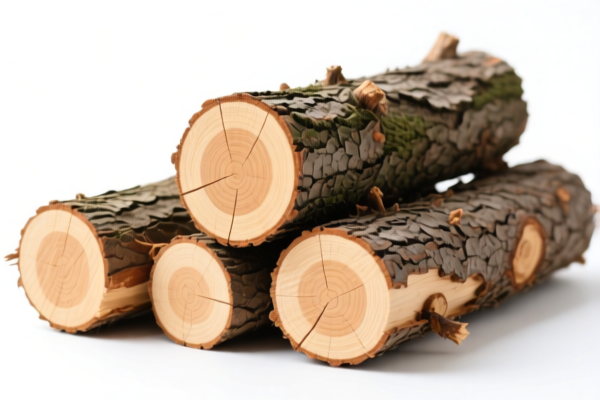
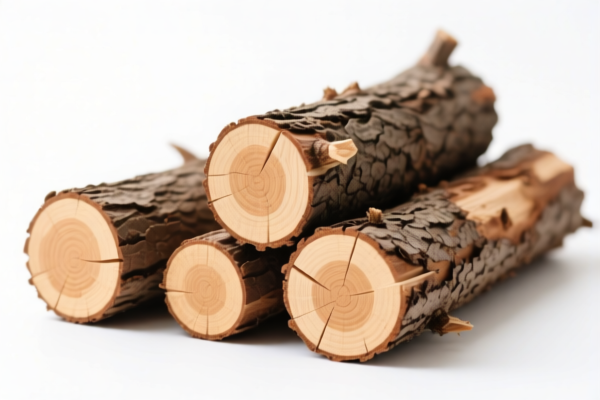
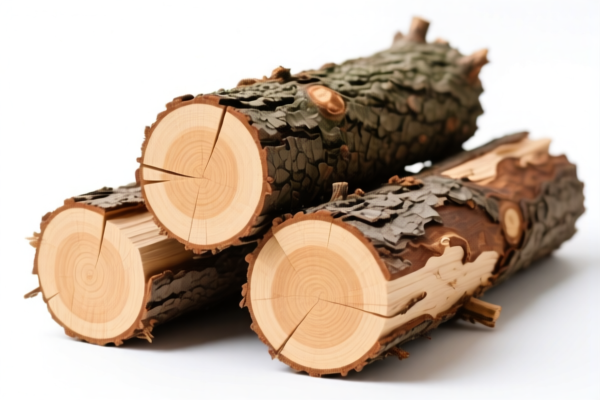
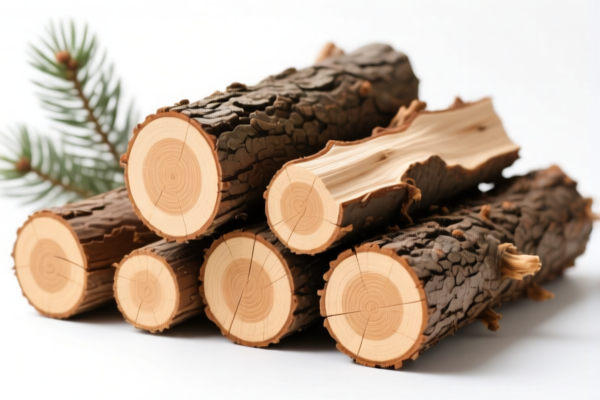
AI Analysis
🌲 Coniferous Wood for Poles & Structural Supports
🌐 HS Code Reference & Customs Clearance Guide | 2026 Tariff Structure Analysis | Strategic Trade Compliance
📌 I. Product Definition & Classification: Understanding "Coniferous Wood for Poles"
"Coniferous Wood for Poles" refers to wood products derived from coniferous trees (such as pine, spruce, fir, or cedar) that have been treated, shaped, or preserved specifically for use as structural supports, utility poles, or construction stakes. In international trade, this category is strictly divided based on the degree of processing and the intended final application.
Treated Utility Poles: Wood impregnated with preservatives, shaped into specific forms for telecommunications, electricity, or telephone lines.
Wooden Posts, Stakes, and Piles: Raw or roughly shaped coniferous wood used for fencing, landscaping, or general construction support.
⚠️ Key Distinction Point:
- If the wood is roughly hewn, merely pointed, or cut to length for general use (stakes, piles, fence posts) → Classified under Chapter 4404 (Wood Charcoal; Wood in the Form of Strips...).
- If the wood is preserved, treated, and specifically identified for use as telephone, telegraph, or power poles → Classified under Chapter 4403 (Wood in the Rough, Whether or Not Stripped of Bark or Sapwood, or Roughly Squared).
📦 II. HS Code Classification Details (2026 Latest Tariff Schedule)
| HS Code | Product Description | Application Scenario | Processing Level |
|---|---|---|---|
4403.21.01.12 |
Coniferous wood, for telephone, telegraph, and power poles | Utility infrastructure, telecom towers | ❗ Specific Use: Preserved/Treated for specific utility poles |
4404.10.00.80 |
Coniferous wood, form: poles, stakes, and piles | Fencing, landscaping, general construction | ➕ General Form: Roughly shaped, stakes/piles |
4404.10.00.90 |
Coniferous wood, form: poles, other uses | Non-utility poles, decorative posts, general stakes | ➕ General Form: Other coniferous poles not for utilities |
4403.11.00.20 |
Coniferous wood, for telephone, telegraph, and power poles | Same as 4403.21.01.12 (Variant/Alternative Subheading) |
❗ Specific Use: Preserved/Treated for specific utility poles |
7308.90.60.00 |
Iron or steel, basic structural components for power transmission | Non-Wood: Steel towers, pylons, structural frames | 🏗️ Material: Metal, not wood |
🔍 Important Note:
- Items4403.21.01.12and4403.11.00.20are highly specific to utility poles. Ensure your product is explicitly marketed and labeled for this purpose to qualify for this classification. - Items4404.10.00.80and4404.10.00.90are broader categories for wooden stakes and piles. If the wood is not treated specifically for utility use, it falls here. -7308.90.60.00is included for comparison but is NOT wood. It applies to steel/iron structures. Do not misclassify wooden poles as steel.
💰 III. 2026 Latest Tariff Rate Breakdown (Including Surtaxes & Policy Surcharges)
✅ Applicable Country: United States (US)
✅ Origin: China (CN)
✅ Effective Time: Current tariffs apply including 301 Duties and Section 122 Tariffs.
🎯 1. 4403.21.01.12 & 4403.11.00.20 —— Coniferous Wood for Utility Poles
| Item | Content |
|---|---|
| Base Duty | 0.0% (ad valorem) |
| Section 301 Surcharge | +25.0% |
| Section 122 Tariff | +10.0% |
| Total Tax Rate | 35.0% |
| Tax Calculation | CIF Value × 35% |
| De Minimis Exemption | ❌ Not Applicable (Denied) |
| Legal Basis | USITC Footnotes for Chapter 44 + Section 301 + Section 122 |
📌 Explanation:
- Base Duty: Under normal MFN (Most Favored Nation) terms, many wood products have low or zero base duties, but this varies by specific subheading. Here, the base is listed as 0.0%. - Section 301 Surcharge (+25%): This is the standard additional tariff imposed on a wide range of Chinese imports, including wood products and structural materials. - Section 122 Tariff (+10%): Imposed under Section 122 of the Trade Act of 1974, often related to national security or protection of domestic industries. This is additional to the 301 duty. - Total Burden: 35%. This is a high tariff rate, significantly impacting profit margins.
🎯 2. 4404.10.00.80 & 4404.10.00.90 —— Coniferous Wood Stakes, Poles, and Posts
| Item | Content |
|---|---|
| Base Duty | 0.0% |
| Section 301 Surcharge | +25.0% |
| Section 122 Tariff | +10.0% |
| Total Tax Rate | 35.0% |
| Tax Calculation | CIF Value × 35% |
| De Minimis Exemption | ❌ Not Applicable |
| Legal Basis | USITC Footnotes for Chapter 44 + Section 301 + Section 122 |
📌 Note:
- Same tariff structure as utility poles. Whether classified as4403(treated/specific) or4404(rough/stakes), the surcharges are identical. - Ensure accurate documentation. Misdeclaring a "utility pole" as a "fence stake" to avoid scrutiny is risky if the product is treated for utility use.
🎯 3. 7308.90.60.00 —— Steel/iron Structural Components
| Item | Content |
|---|---|
| Base Duty | 0.0% |
| Section 301 Surcharge | +25.0% |
| Section 122 Tariff | +10.0% |
| Steel/Aluminum/Copper Surtax | +50.0% (Specific for Steel/Aluminum/Copper) |
| Total Tax Rate | 85.0% |
| Tax Calculation | CIF Value × 85% |
| De Minimis Exemption | ❌ Not Applicable |
| Legal Basis | USITC Footnotes for Chapter 73 + Section 301 + Section 122 + Steel/Aluminum Surtax |
📌 Warning:
- If you are importing steel poles or structural steel components for power transmission, the tariff is drastically higher at 85%. - This includes the standard 301 (25%) + 122 (10%) + Additional Steel/Aluminum Surcharge (50%). - Do not misclassify steel as wood. Customs will inspect material composition.
🛠️ IV. Customs Clearance Practical Advice (Field Avoidance Guide)
✅ 1. Documentation Checklist (Mandatory)
| Document | Required | Notes |
|---|---|---|
| ✅ Product Specification Sheet | ✔️ | Must detail: Wood type (Coniferous), treatment (preservative-free or treated), dimensions, and intended use (pole, stake, pile). |
| ✅ Certificate of Origin (CO) | ✔️ | Essential for proving origin (China). May affect eligibility for certain waivers if applicable (though rare for these codes). |
| ✅ Commercial Invoice | ✔️ | Must clearly state: "Coniferous Wood Poles for Utility Use" or "Wooden Stakes/Piles." Avoid vague terms like "Wood Parts." |
| ✅ Packing List | ✔️ | Detail quantity per carton, total weight, and dimensions. |
| ✅ Treatment Certificate (If Applicable) | ✔️ | If wood is treated with preservatives (e.g., for utility poles), provide proof of treatment to avoid phytosanitary issues. |
| ✅ Material Declaration | ✔️ | Explicitly state "100% Coniferous Wood" for 4403/4404 items. Do not include metal hardware in the description. |
✅ 2. Declaration Tips (Key Mnemonic)
🔥 "Wood vs. Steel, 35% vs. 85%, Be Specific or Get penalized!"
| Scenario | Correct Declaration | Incorrect Practice |
|---|---|---|
| Treated Utility Pole | 4403.21.01.12 |
Misdeclaring as 4404 (Stakes) → Risk of misclassification penalty. |
| Rough Wooden Stake | 4404.10.00.80 |
Misdeclaring as 4403 → May trigger inspection for treatment docs. |
| Steel Power Pole | 7308.90.60.00 |
Declaring as Wood → Fraud Risk, Seizure, and Heavy Fines. |
| Mixed Wood/Metal Pole | Consult Customs Broker | Splitting shipment → May lead to partial classification errors. |
✅ 3. Special Case Handling
| Scenario | Handling Advice |
|---|---|
| Treated Wood (Preservatives) | Ensure compliance with EPA regulations (if for US domestic use) and provide treatment certificates to avoid customs hold for phytosanitary reasons. |
| Wood with Metal Bands/Hardware | Declare as Wood (4403/4404) if metal is incidental. If metal constitutes structural integrity, consult broker; may be considered composite. |
| Reclaimed Wood | If wood is recycled/reclaimed, additional scrutiny applies. Ensure no pests or prohibited materials are present. |
| Destination Beyond US | These tariffs are US-specific. For EU/Canada/China export, check local HS codes and duties (usually much lower). |
🌍 V. Global Market Comparison (2026 Latest)
| Country/Region | Recommended HS Code | Tariff (China Origin) | Certification/Notes |
|---|---|---|---|
| 🇺🇸 United States | 4403.21.01.12 / 4404.10.00.80 |
35% (Wood) 85% (Steel) |
IEEPA/Section 301/122 apply. Phytosanitary certs required. |
| 🇨🇳 China | 4403.21.01.12 / 4404.10.00.80 |
0% - 10% | Import duties vary. No US-style surcharges. |
| 🇪🇺 European Union | 4403.40.00 / 4404.10 |
0% - 2.5% | FSC/PEFC certification recommended for sustainability compliance. |
| 🇨🇦 Canada | 4403.40.00 / 4404.10 |
0% - 5% | CITES may apply if endangered species. |
| 🇲🇽 Mexico | 4403.40.00 / 4404.10 |
0% - 5% | USMCA may allow duty-free if originating in North America. |
📌 Conclusion:
- The US market is exceptionally punitive for Chinese-origin wood and steel products due to the combination of Section 301, Section 122, and specific material surcharges. - Wood Tariff (35%) is high but manageable compared to Steel (85%). - Diversify supply chain: Consider sourcing from Vietnam, Malaysia, or North America to avoid US surcharges.
📌 VI. Common Errors & Pitfalls (Lessons Learned)
❌ Error 1: Declaring "Utility Poles" as "Wooden Stakes" to avoid specific classification.
👉 Consequence: Customs may detect treatment or shape inconsistencies → Penalties and delays.
❌ Error 2: Misclassifying Steel Poles as Wood.
👉 Consequence: 85% vs 35% rate difference + Fraud charges + Seizure.
❌ Error 3: Ignoring Phytosanitary Certificates.
👉 Consequence: US Customs and Border Protection (CBP) and USDA may hold or destroy untreated wood shipments due to pest risks.
❌ Error 4: Vague Description "Wooden Parts for Electricity."
👉 Consequence: Customs will request clarification, causing port congestion fees and delayed clearance.
✅ Correct Practice:
"Preserved Coniferous Wood Poles for Power Transmission, Length 12m, Diameter 20cm, Treated with CCA, Model XYZ, Phytosanitary Certificate Attached."
🎯 VII. Conclusion: Precision in Classification Saves Money!
🎯 Remember the Mantra:
🔹 "Wood Poles 35%, Steel Poles 85%, Be Specific or Get penalized!"
🔹 "Section 301 + 122 = 35% on Wood, Don't Ignore It!"
🔹 "Steel Surtax is 50% Extra, Check Material First!"
📌 Pro Tip:
If your wood poles are originating from Vietnam, Malaysia, or Canada, you may avoid US surcharges entirely.
Consider Advance Ruling from US CBP to confirm HS code and tariff liability before shipping.
📣 Immediate Action:
📞 Contact a licensed customs broker + Provide product specs + Request HS Code Pre-ruling
🚀 Ensure your wood poles pass US customs smoothly, avoid high tariffs, and protect your margins!
✨ Professional Clearance Starts with Accurate Classification!
💼 Every percentage point of duty is a direct impact on your bottom line!
Customer Reviews
About HS Code Classification
The Harmonized System (HS) is an internationally standardized nomenclature developed by the World Customs Organization (WCO) to classify traded products. Over 200 countries use the HS system as the basis for customs tariffs, trade statistics, and import/export regulations.
Each HS code follows a hierarchical structure:
- Chapter (2 digits) — Broad category of goods (e.g., Chapter 84: Machinery and Mechanical Appliances)
- Heading (4 digits) — More specific grouping within the chapter
- Subheading (6 digits) — Internationally standardized breakdown, used by all WCO member countries
- National subdivisions (8-10 digits) — Country-specific extensions for further classification, such as US HTSUS 10-digit codes
Correct HS code classification is essential for smooth customs clearance, accurate duty payment, and compliance with trade regulations. Misclassification can lead to customs delays, overpayment of duties, or penalties.
When importing from CN to US, the applicable tariff rates may include:
- Most-Favored-Nation (MFN) rate — The standard duty rate applied to WTO members
- General rate — Applied to countries without trade agreements
- Trade remedy duties — Additional tariffs such as Section 301 (anti-dumping), Section 232 (national security), or countervailing duties
The information provided on this page is for reference purposes only. For official classification, please consult with your local customs authority or a licensed customs broker.