Other Electrical Machines and Apparatus with Independent Functions
CN → US| HS Code | Tariff Rate | Origin | Destination | Doc |
|---|---|---|---|---|
| 8537109170 | 37.7% | CN | US | Official Doc |
| 8543706000 | 35.0% | CN | US | Official Doc |
| 8537200040 | 37.7% | CN | US | Official Doc |
| 8543709860 | 37.6% | CN | US | Official Doc |
| 8543908885 | 85.0% | CN | US | Official Doc |
| 8479896500 | 20.3% | CN | US | Official Doc |
Product Images
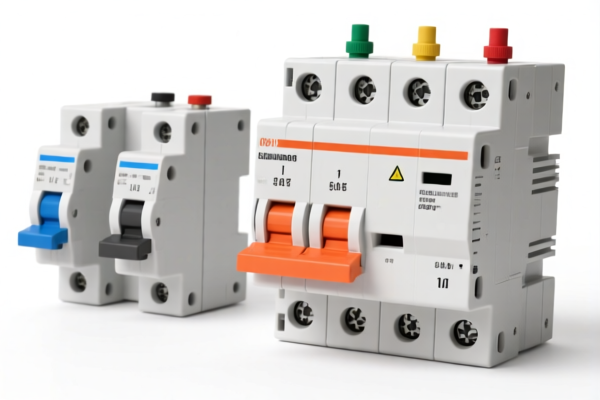
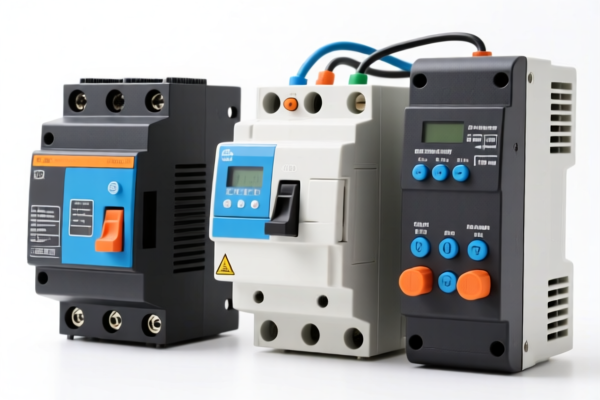
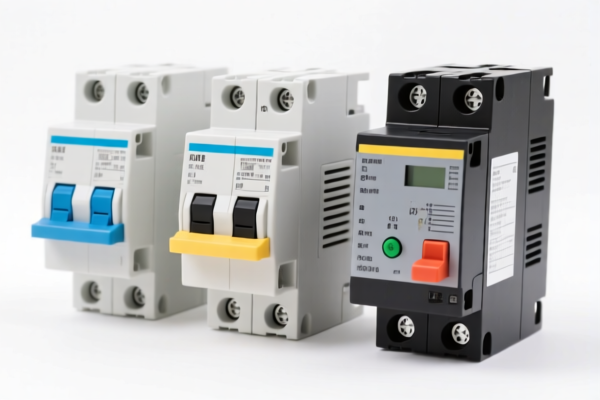
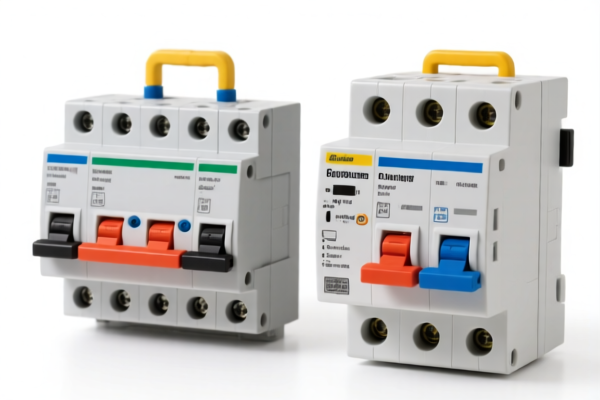
AI Analysis
⚡ Other Electrical Machines and Apparatus with Independent Functions
🌐 HS Code Reference & Customs Clearance Guide | 2026 Latest Tariff Analysis | Professional Compliance Strategy
📌 Part I: Product Definition and Classification: What Exactly Are "Other Electrical Machines"?
In international trade, "Other Electrical Machines and Apparatus with Independent Functions" refers to electrical equipment that has its own specific function, is not primarily a data processing machine (like a computer), and is not covered by more specific headings in Chapter 85 or 86. These devices often serve as control units, signal processors, power regulators, or specialized mechanical-electrical hybrids.
Because this category is a "catch-all" for functional electrical devices, precise classification is critical. Misclassification can lead to significant duty differences (from ~20% to ~85%) and customs delays.
⚠️ Key Distinction Points:
- If the device controls or distributes electricity (e.g., switchboards, circuit breakers, panel mounts) → Look at HS 8537.
- If the device performs a specific non-control function (e.g., signal processing, motor control without power distribution, specialized machinery) → Look at HS 8543.
- If it is a mechanical device with an electrical component (e.g., robots, mixers, pumps) → Look at HS 8479.
- If it is a standalone electrical device with no specific function listed elsewhere → Look at HS 8543.90.
📦 Part II: HS Code Classification Details (2026 Latest Tariff Authority Cross-Reference)
Based on the provided data, here are the 6 most likely HS Codes for "Other Electrical Machines and Apparatus with Independent Functions," along with their tax implications.
| HS Code | Product Description & Logic | Application Scenario | Tax Rate Summary |
|---|---|---|---|
8537.10.91.70 |
Matching Equipment with Individual Functions: Belongs to "other" categories of electric control or distribution equipment. | Control panels, switchgear, motor control centers (MCC), industrial automation control boxes. | 37.7% |
8543.70.60.00 |
Exact Match for Independent Function: Fully matches the classification for machines/devices with independent functions. | Signal processing apparatus, audio/video signal generators, specialized electrical processing units. | 35.0% |
8537.20.00.40 |
Other Electrical Apparatus: Consistent with control boards or bases used for control/distribution. | Complex control systems, programmable logic controllers (PLCs) mounted on base panels, industrial control cabinets. | 37.7% |
8543.70.98.60 |
Consistent with Function/Attribute: Matches "other" category based on usage and functional attributes. | Specialized electrical apparatus not elsewhere specified (N.E.S.), niche industrial electrical devices. | 37.6% |
8543.90.88.85 |
Main Body Function Description: Matches the description of the main body of independent electrical equipment. | Parts/components of electrical machines, or standalone devices with very specific, rare functions. Note: High duty due to material/tariff rules. | 85.0% |
8479.89.65.00 |
Mechanical/Electrical Apparatus: Matches the description of mechanical apparatus/devices with independent functions. | Electrically driven machinery not specified elsewhere (e.g., robots, mixing machines, lifting devices). | 20.3% |
🔍 Critical Reminder:
- Control vs. Machine: If the device's primary role is to control or distribute electricity to other devices, it likely falls under 8537.
- Independent Function vs. Part: If the device performs a unique function (like signal processing) and is not a part of another machine, it falls under 8543.70.
- Mechanical vs. Electrical: If the device is primarily mechanical but driven by electricity (e.g., a robotic arm, a mixer), it may fall under 8479, which has a lower tariff (20.3%).
💰 Part III: 2026 Latest Tariff Rate Breakdown (Including Surcharges & Policy Add-ons)
✅ Applicable Country: United States (US)
✅ Origin: China (CN)
✅ Effective Time: From November 10, 2025 (including subsequent imports)
🎯 1. 8537.10.91.70 & 8537.20.00.40 —— Electrical Control/Distribution Equipment
| Item | Content |
|---|---|
| Base Tariff | 2.7% (ad valorem) |
| Section 301 Surcharge | +25.0% (From USITC Footnote 9903.88.01) |
| Section 122 Tariff | +10.0% (Specific to China, likely referring to specific trade actions) |
| Total Tariff | 37.7% |
| Tax Calculation | CIF Value × 37.7% |
| De Minimis Exemption | ❌ Not Eligible (deny_de_minimis) |
| Legal Basis Path | IEEPA:9903.01.25 → USITC:8537.10.91.70 → FOOTNOTE:9903.88.01 |
📌 Explanation:
- Devices classified under 8537 are treated as industrial control equipment. The base duty is low (2.7%), but the Section 301 (25%) and Section 122 (10%) surcharges push the total to 37.7%.
- Warning: This is a common code for CNC controls, PLCs, and switchgear. Ensure the device is indeed for control/distribution.
🎯 2. 8543.70.60.00 & 8543.70.98.60 —— Apparatus with Independent Functions
| Item | Content |
|---|---|
| Base Tariff | 0.0% (8543.70.60.00) / 2.6% (8543.70.98.60) |
| Section 301 Surcharge | +25.0% |
| Section 122 Tariff | +10.0% |
| Total Tariff | 35.0% (8543.70.60.00) / 37.6% (8543.70.98.60) |
| Tax Calculation | CIF Value × Rate |
| De Minimis Exemption | ❌ Not Eligible (deny_de_minimis) |
| Legal Basis Path | IEEPA:9901.25 → USITC:8543.70.60.00 → FOOTNOTE:9903.88.01 |
📌 Explanation:
- 8543.70.60.00 has a 0% base tariff, making it slightly cheaper than the 8537 codes. This code is suitable for devices that perform a specific function (like signal processing) rather than just distributing power.
- 8543.70.98.60 is for "other" apparatus in this subheading, with a small base duty (2.6%).
🎯 3. 8479.89.65.00 —— Other Mechanical/Electrical Machines
| Item | Content |
|---|---|
| Base Tariff | 2.8% (ad valorem) |
| Section 301 Surcharge | +7.5% (Note: Lower Section 301 rate applies here) |
| Section 122 Tariff | +10.0% |
| Total Tariff | 20.3% |
| Tax Calculation | CIF Value × 20.3% |
| De Minimis Exemption | ❌ Not Eligible (deny_de_minimis) |
| Legal Basis Path | IEEPA:9903.01.25 → USITC:8479.89.65.00 → FOOTNOTE:9903.88.01 |
📌 Explanation:
- This is the lowest tariff option (20.3%) among the listed codes.
- Use this code only if the device is primarily a mechanical machine with an electrical drive (e.g., a robot, a pump, a mixer) and not a pure electrical control unit. Misclassifying an electrical controller as a mechanical machine can lead to severe penalties.
🎯 4. 8543.90.88.85 —— Other Electrical Machines/Parts
| Item | Content |
|---|---|
| Base Tariff | 0.0% |
| Section 301 Surcharge | +25.0% |
| Section 122 Tariff | +10.0% |
| Special Surcharge (Steel/Aluminum/Copper) | +50.0% (If made of these materials) |
| Total Tariff | 85.0% (Up to) |
| Tax Calculation | CIF Value × 85.0% |
| De Minimis Exemption | ❌ Not Eligible (deny_de_minimis) |
| Legal Basis Path | IEEPA:9903.01.25 → USITC:8543.90.88.85 → FOOTNOTE:9903.88.01 |
📌 Explanation:
- AVOID THIS CODE IF POSSIBLE. The 85.0% rate is extremely high.
- This code often applies to parts or specialized electrical items not listed elsewhere. If the item contains significant steel, aluminum, or copper, the additional 50% surcharge may apply, making it the most expensive option.
🛠️ Part IV: Customs Clearance Practical Advice (Battle-Tested Pitfall Guide)
✅ 1. Essential Documentation Checklist (All Required)
| Document | Required? | Explanation |
|---|---|---|
| ✅ Product Specification Sheet | ✔️ | Must detail electrical parameters (voltage, current, power) and functional description. |
| ✅ Circuit Diagram / Block Diagram | ✔️ | Crucial to distinguish between Control (8537), Independent Function (8543), or Mechanical (8479). |
| ✅ Product Photos (with Nameplate) | ✔️ | Clear view of model number, brand, input/output ports. |
| ✅ Third-Party Test Reports | ✔️ | FCC, CE, RoHS, UL (if applicable). |
| ✅ Commercial Invoice | ✔️ | Must clearly state "Electrical Machine/Apparatus with Independent Function" and the specific HS Code. |
| ✅ Packing List | ✔️ | Show relationship between main unit and accessories. Do not split declarations unnecessarily. |
| ✅ Certificate of Origin (CO) | ✔️ | If not from China, may qualify for lower rates. |
✅ 2. Declaration Strategy (Key Mnemonics)
🔥 "Control = 8537, Function = 8543, Machine = 8479, Parts = 8543.90"
| Scenario | Correct HS Code | Incorrect Practice |
|---|---|---|
| Switchboard, PLC, Control Panel | 8537.10.91.70 or 8537.20.00.40 |
Misdeclare as "Machine" → 37.7% vs 20.3%? No, misdeclaration leads to audit. |
| Signal Processor, Audio Device, Niche Electrical Unit | 8543.70.60.00 |
Misdeclare as "Control Board" → 37.7% instead of 35.0%. |
| Robotic Arm, Electric Mixer, Pump | 8479.89.65.00 |
Misdeclare as "Electrical Apparatus" → 35%+ vs 20.3%. Big Savings Opportunity! |
| Standalone Electrical Part/NES Device | 8543.90.88.85 |
Avoid if possible due to 85% tariff. |
✅ 3. Special Handling Cases
| Case | Handling Advice |
|---|---|
| OEM Custom Devices | Provide client order + design specs. Clarify if it's a "control unit" or "processing unit" to justify 8537 vs 8543. |
| Hybrid Devices (Mech + Elec) | If the mechanical function is primary (e.g., a robot), use 8479 (20.3%). If electrical control is primary, use 8537 or 8543. |
| Devices with Steel/Aluminum Bodies | Be cautious with 8543.90.88.85. The 50% surcharge for metals can make it prohibitively expensive. |
| Parts vs. Whole Units | Do not declare parts separately if they form a complete functional unit. Whole units have lower effective duty rates. |
🌍 Part V: Global Market Comparison (2026 Latest)
| Country/Region | Recommended HS Code | Tariff (China Origin) | Certification Requirements | Notes |
|---|---|---|---|---|
| 🇺🇸 USA | 8543.70.60.00 / 8479.89.65.00 |
20.3% – 37.7% (High) | FCC + RoHS | Highest tariffs due to Section 301/122. |
| 🇨🇳 China | 8543.70.60.00 |
5% – 10% | CCC + RoHS | Lower tariffs, no surcharges. |
| 🇪🇺 EU | 8543.70.60.00 |
0% – 2.7% (if CE) | CE + RoHS | No Section 301 equivalent. |
| 🇦🇺 Australia | 8543.70.60.00 |
5% | RCM | Moderate tariffs. |
| 🇯🇵 Japan | 8543.70.60.00 |
0% – 5% | PSE | Low tariffs, strict safety standards. |
📌 Conclusion:
- USA is the most challenging market for these goods due to high surcharges.
- Strategic Classification: If your device has a mechanical function (e.g., robot), classify under 8479 (20.3%) to save ~15-17% in duties compared to electrical classifications.
- Alternative Markets: Consider exporting to EU/Asia where tariffs are significantly lower, if supply chain allows.
📌 Part VI: Common Errors & Pitfall Guide (Lessons Learned)
❌ Error 1: Declaring a Control Panel as a Mechanical Machine (8479)
👉 Consequence: Customs may reject the classification, impose fines, or reassess at 37.7%. Only use 8479 if the mechanical function is dominant.
❌ Error 2: Declaring a Niche Electrical Device as 8543.90.88.85
👉 Consequence: Paying 85% duty instead of 35%. Always check if a more specific code (like 8543.70) exists.
❌ Error 3: Ignoring Section 122 Tariff (10%)
👉 Consequence: Budget shortfalls. This 10% applies to almost all electrical imports from China under these codes.
❌ Error 4: Failing to provide Circuit Diagrams
👉 Consequence: Customs cannot determine if it's a control device (8537) or an independent function device (8543), leading to delays and potential misclassification.
✅ Correct Practice:
"Industrial Control Panel, Model XYZ, Voltage 480V, AC/DC, FCC Certified, for Automating Assembly Line" → Use
8537.10.91.70.
"Signal Processor Unit, Model ABC, Voltage 12V DC, Audio Output, FCC Certified" → Use8543.70.60.00.
🎯 Part VII: Conclusion: Precise Classification Saves Money!
🎯 Remember the Mnemonic:
🔹 "Control is 8537, Function is 8543, Machine is 8479.
37% for Control, 35% for Function, 20% for Machine.
85% is the Death Zone (8543.90)! Avoid it!"🔹 "Tariff Difference is 17%: Control vs. Machine.
Misclassify and lose profit. Classify right and save cash!"
📌 Pro Tip:
If your product can be classified as
8479.89.65.00(Mechanical/Electrical Machine) because it has a significant mechanical component (like a robot or pump), USE IT. It saves 15-17% in duties compared to electrical classifications.
Consider applying for an Advance Ruling from US Customs to lock in the correct HS Code before shipment.
📣 Immediate Action:
📞 Consult a licensed customs broker.
📸 Provide product images and circuit diagrams.
🚀 Get your HS Code pre-ruling for 2026!
✨ Professional clearance starts with accurate classification!
💼 Your bottom line depends on the first digit of the HS Code!
Customer Reviews
About HS Code Classification
The Harmonized System (HS) is an internationally standardized nomenclature developed by the World Customs Organization (WCO) to classify traded products. Over 200 countries use the HS system as the basis for customs tariffs, trade statistics, and import/export regulations.
Each HS code follows a hierarchical structure:
- Chapter (2 digits) — Broad category of goods (e.g., Chapter 84: Machinery and Mechanical Appliances)
- Heading (4 digits) — More specific grouping within the chapter
- Subheading (6 digits) — Internationally standardized breakdown, used by all WCO member countries
- National subdivisions (8-10 digits) — Country-specific extensions for further classification, such as US HTSUS 10-digit codes
Correct HS code classification is essential for smooth customs clearance, accurate duty payment, and compliance with trade regulations. Misclassification can lead to customs delays, overpayment of duties, or penalties.
When importing from CN to US, the applicable tariff rates may include:
- Most-Favored-Nation (MFN) rate — The standard duty rate applied to WTO members
- General rate — Applied to countries without trade agreements
- Trade remedy duties — Additional tariffs such as Section 301 (anti-dumping), Section 232 (national security), or countervailing duties
The information provided on this page is for reference purposes only. For official classification, please consult with your local customs authority or a licensed customs broker.