Other Fur Garments
CN → US| HS Code | Tariff Rate | Origin | Destination | Doc |
|---|---|---|---|---|
| 4303100060 | 39.0% | CN | US | Official Doc |
| 4303900000 | 35.0% | CN | US | Official Doc |
| 6214200000 | 24.2% | CN | US | Official Doc |
| 6214900090 | 28.8% | CN | US | Official Doc |
| 6117101000 | 27.1% | CN | US | Official Doc |
Product Images
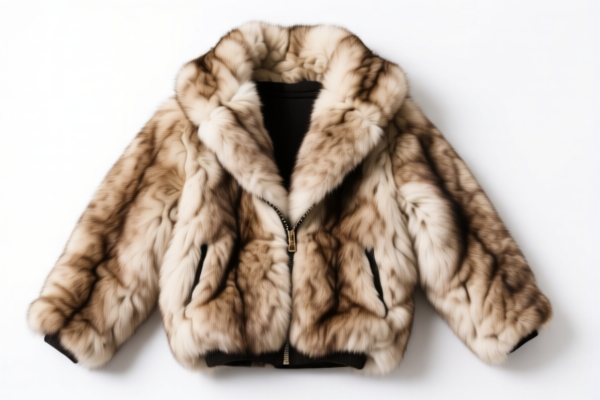
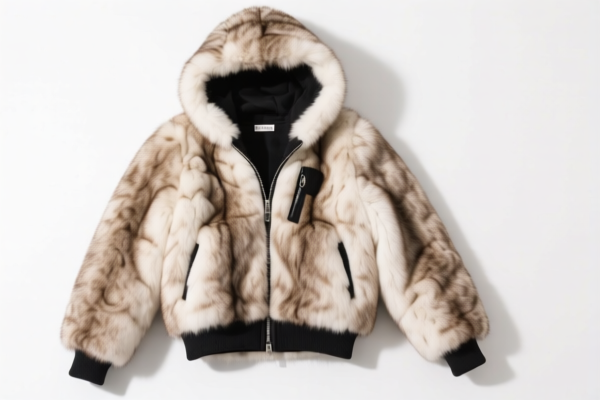
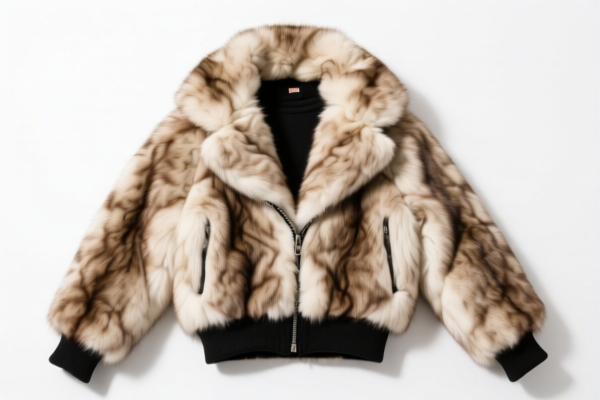
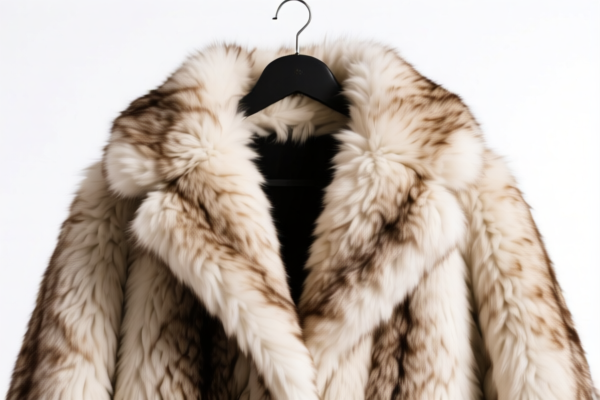
AI Analysis
🧥 Other Fur Garments (Animal Fur Apparel)
🌐 HS Code Reference & Customs Clearance Guide | 2026 Latest Tariff Analysis | Professional Strategy for "Other Fur Garments"
📌 I. Product Definition & Classification: What Exactly Are "Other Fur Garments"?
"Other Fur Garments" refers to apparel made from animal fur (excluding mink/diamond mink, which have specific subheadings) or fur pieces, including accessories. In international trade, these products are classified based on their material composition, physical form (e.g., full coats vs. accessories like scarves/shawls), and specific usage.
⚠️ Key Distinction Points:
- Full Garments: Coats, jackets, vests → Generally fall under 4303 (Fur garments).
- Accessories/Scents: Shawls, scarves, stoles → May fall under 6214 or 6117 if they meet specific fiber definitions (e.g., wool/fine animal hair).
- Exclusions: Mink fur has specific codes (not listed here). This data covers "Other" animal fur.
📦 II. HS Code Classification Details (2026 Latest Tariff Authority Match)
| HS Code | Product Description | Application Scenario | Material/Form Logic |
|---|---|---|---|
4303.10.00.60 |
Other fur garments, matching fur material and apparel accessories; non-mink category | Full fur coats, jackets, vests made from rabbit, fox, sheepskin, etc. (Non-mink) | ✅ Full Apparel (Non-Mink) |
4303.90.00.00 |
Other animal fur garments, fur-made clothing and accessories; fallback logic for other categories | Mixed fur products, fur-lined garments, or accessories that don’t fit specific sub-headings | ✅ Fallback/Catch-all Category |
6214.20.00.00 |
Other fur garments, shawls, scarves, and similar articles; morphology and use match | Wool/fine animal hair shawls, scarves, stoles classified as textile accessories | ✅ Textile-like Fur Accessory |
6214.90.00.90 |
Other fur garments, non-cotton material, covering shawls, scarves, etc. | Fur/wool blend accessories not made of cotton, broader category for non-specific fur textiles | ✅ Non-Cotton Fur Textile Accessory |
6117.10.10.00 |
Other fur garments, wool or fine animal hair, clothing accessories like shawls/scarves | Knitted or crocheted shawls/scarves made from wool/fine animal hair | ✅ Knitted/Crocheted Fur Accessory |
🔍 Critical Note:
- Full Fur Coats (e.g., Rabbit, Fox, Sheepskin) typically go under 4303.
- Shawls/Scarves made from wool or fine animal hair may be classified under 6214 or 6117 if they meet the "textile accessory" definition rather than "fur garment."
- Mink Fur is excluded from this specific list (has its own code).
💰 III. 2026 Latest Tariff Rate Breakdown (Including Additional Taxes & Policy Surcharges)
✅ Applicable Country: United States (US)
✅ Origin: China (CN)
✅ Effective Date: November 10, 2025 (and onwards)
🎯 1. 4303.10.00.60 —— Other Fur Garments (Non-Mink)
| Item | Details |
|---|---|
| Base Tariff | 4.0% (ad valorem) |
| Section 301 Additional Tariff | +25.0% |
| Section 122 Tariff | +10.0% |
| Total Tariff Rate | 39.0% |
| Tax Calculation | CIF Value × 39.0% |
| De Minimis Exemption | ❌ Not Eligible (Section 321 not applicable due to high tariffs) |
| Legal Basis Path | Section 301: 9903.01.25 → Section 122: IEEPA Authority → USITC: 4303.10.00.60 → FOOTNOTE: 9903.88.01 |
📌 Explanation:
- The 4% base tariff applies to general fur garments.
- The 25% Section 301 tariff is a punitive surcharge on Chinese goods.
- The 10% Section 122 tariff is a specific surcharge under IEEPA for certain categories.
- Total: 39%. This is a high-cost category for fur apparel.
🎯 2. 4303.90.00.00 —— Other Fur Garments (Fallback/Catch-all)
| Item | Details |
|---|---|
| Base Tariff | 0.0% (ad valorem) |
| Section 301 Additional Tariff | +25.0% |
| Section 122 Tariff | +10.0% |
| Total Tariff Rate | 35.0% |
| Tax Calculation | CIF Value × 35.0% |
| De Minimis Exemption | ❌ Not Eligible |
| Legal Basis Path | Section 301: 9903.01.25 → Section 122: IEEPA Authority → USITC: 4303.90.00.00 → FOOTNOTE: 9903.88.01 |
📌 Note:
- Although the base tariff is 0%, the additional taxes remain high.
- This code is a "catch-all" for fur items not specifically listed elsewhere.
- Total: 35%. Still very high, but slightly cheaper than4303.10.00.60.
🎯 3. 6214.20.00.00 —— Shawls, Scarves, etc. (Wool/Fine Animal Hair)
| Item | Details |
|---|---|
| Base Tariff | 6.7% (ad valorem) |
| Section 301 Additional Tariff | +7.5% |
| Section 122 Tariff | +10.0% |
| Total Tariff Rate | 24.2% |
| Tax Calculation | CIF Value × 24.2% |
| De Minimis Exemption | ❌ Not Eligible |
| Legal Basis Path | Section 301: 9903.01.25 → Section 122: IEEPA Authority → USITC: 6214.20.00.00 → FOOTNOTE: 9903.88.01 |
📌 Explanation:
- This code applies if the item is classified as a shawl/scarf made from wool or fine animal hair, falling under Chapter 62 (Articles of apparel and clothing accessories, not knitted or crocheted).
- Base tariff is higher (6.7%), but Section 301 is lower (7.5%) compared to Chapter 43 (25%).
- Total: 24.2%. Significantly lower than full fur garments.
🎯 4. 6214.90.00.90 —— Other Shawls, Scarves, etc. (Non-Cotton)
| Item | Details |
|---|---|
| Base Tariff | 11.3% (ad valorem) |
| Section 301 Additional Tariff | +7.5% |
| Section 122 Tariff | +10.0% |
| Total Tariff Rate | 28.8% |
| Tax Calculation | CIF Value × 28.8% |
| De Minimis Exemption | ❌ Not Eligible |
| Legal Basis Path | Section 301: 9903.01.25 → Section 122: IEEPA Authority → USITC: 6214.90.00.90 → FOOTNOTE: 9903.88.01 |
📌 Note:
- This is a broader category for shawls/scarves not covered by6214.20.
- Base tariff is higher (11.3%), but Section 301 is lower (7.5%).
- Total: 28.8%. Moderate cost, better than full fur garments but worse than6214.20.
🎯 5. 6117.10.10.00 —— Other Accessories, Knitted/Crocheted (Wool/Fine Animal Hair)
| Item | Details |
|---|---|
| Base Tariff | 9.6% (ad valorem) |
| Section 301 Additional Tariff | +7.5% |
| Section 122 Tariff | +10.0% |
| Total Tariff Rate | 27.1% |
| Tax Calculation | CIF Value × 27.1% |
| De Minimis Exemption | ❌ Not Eligible |
| Legal Basis Path | Section 301: 9903.01.25 → Section 122: IEEPA Authority → USITC: 6117.10.10.00 → FOOTNOTE: 9903.88.01 |
📌 Explanation:
- This code applies to knitted or crocheted shawls, scarves, etc., made from wool or fine animal hair.
- Base tariff is 9.6%, with Section 301 at 7.5%.
- Total: 27.1%. Competitive rate for knitted fur accessories.
🛠️ IV. Customs Clearance Practical Advice (Real-World Pitfall Avoidance)
✅ 1. Preparation Checklist (Mandatory Documents)
| Document | Required | Explanation |
|---|---|---|
| ✅ Product Spec Sheet | ✔️ | Details material (e.g., rabbit fur, wool), lining, accessories, size. |
| ✅ Composition Label | ✔️ | Clear statement: "100% Rabbit Fur," "Wool Blend," etc. |
| ✅ Product Photos | ✔️ | Front/back views, close-up of texture, tags, and packaging. |
| ✅ Commercial Invoice | ✔️ | Must clearly state "Other Fur Garments" or "Shawls/Scarves." |
| ✅ Packing List | ✔️ | Itemized list, weight, dimensions. |
| ✅ Certificate of Origin | ✔️ | If non-China origin, to claim any FTA benefits (not applicable here for CN origin). |
✅ 2. Classification Strategy (Key Tips)
🔥 "Shape Defines Code, Material Defines Rate!"
| Scenario | Correct HS Code | Why? |
|---|---|---|
| Full Rabbit Fox Coat | 4303.10.00.60 |
It’s a full garment, non-mink fur. |
| Fox Fur Vest | 4303.10.00.60 |
Still a garment, not an accessory. |
| Wool/Shawl Made of Fur Yarn | 6214.20.00.00 |
Classified as a shawl/scarf accessory, not a garment. |
| Knitted Wool Scarf with Fur Trim | 6117.10.10.00 |
Knitted accessory, main material is wool/fine hair. |
| Mixed Fur & Leather Accessory | 4303.90.00.00 |
Fallback code if it doesn’t fit specific garment/accessory definitions. |
✅ 3. Special Handling Tips
| Situation | Handling Advice |
|---|---|
| OEM Custom Fur Coats | Provide design sketches to prove it’s a "garment" and not a "piece of fur." |
| Shawls with Fur Patches | If fur is decorative and main material is wool, consider 6214 or 6117. |
| Fur Lined Jackets | If outer material is not fur, it may be classified under Chapter 62 (e.g., 6201), not 4303. |
| Mink Fur | Do NOT use these codes. Mink has specific HS codes (e.g., 4303.10.00.10). Using wrong code leads to penalties. |
🌍 V. Global Market Comparison (2026 Latest)
| Country/Region | Recommended HS Code | Tariff Rate | Certification | Notes |
|---|---|---|---|---|
| 🇺🇸 USA | 4303.10.00.60 |
39.0% | None specific | High tariff due to Section 301 + 122. |
| 🇨🇳 China | 4303.10.00.60 |
5-10% | None | Lower base tariff, no additional surcharges. |
| 🇪🇺 EU | 4303.10.00.60 |
4% | CITES Permit (if protected species) | Strict wildlife trade regulations. |
| 🇯🇵 Japan | 4303.10.00.60 |
0-10% | None | Varies by specific fur type. |
| 🇦🇺 Australia | 4303.10.00.60 |
5% | None | Standard MFN rate. |
📌 Conclusion:
- USA has the highest cost for "Other Fur Garments" due to multiple surcharges.
- Shawls/Scarves (6214/6117) are more cost-effective to import into the US than full fur coats.
- CITES Permits are critical for endangered species (even if not mink). Ensure compliance.
📌 VI. Common Mistakes & Pitfall Guide (Lessons Learned)
❌ Mistake 1: Classifying a full fur coat as a shawl to get lower tax.
👉 Consequence: Customs inspection reveals it’s a garment → Penalty + Back Tax + Delay.
❌ Mistake 2: Using 4303.90.00.00 for a specific rabbit fur coat.
👉 Consequence: Incorrect code leads to audit risk. Use 4303.10.00.60 for specific non-mink fur.
❌ Mistake 3: Ignoring CITES requirements.
👉 Consequence: Seizure if the fur species is protected (e.g., certain foxes, wolves).
❌ Mistake 4: Misclassifying knitted scarves as woven shawls.
👉 Consequence: Wrong HS code (6117 vs 6214) → Tax discrepancy.
✅ Correct Approach:
"Rabbit Fur Coat, Full Length, Lined with Polyester, Model RF-2024, Origin: China"
"Wool Blend Shawl, Knitted, Size 200x70cm, Model WS-2024, Origin: China"
🎯 VII. Conclusion: Professional Classification, Cost Optimization
🎯 Remember the Key Takeaways:
🔹 "Full Fur Coats = 39% Tax (4303.10.00.60)"
🔹 "Shawls/Scarves = 24.2%-28.8% Tax (6214/6117)"
🔹 "Catch-all Fur = 35% Tax (4303.90.00.00)"
🔹 "Avoid Misclassification to Prevent Penalties"
📌 Pro Tip:
If your product is a shawl or scarf, consider classifying it under Chapter 62/61 instead of Chapter 43 to save ~10-15% in tariffs.
For full fur garments, ensure all documentation is perfect to avoid delays.
📣 Immediate Action:
📞 Consult a Customs Broker for pre-classification.
📸 Provide High-Quality Photos of the item’s structure (garment vs. accessory).
📄 Apply for Pre-Ruling if unsure about the code.
✨ Precision Classification Saves Money!
💼 Every Percent of Tariff Counts!
Customer Reviews
About HS Code Classification
The Harmonized System (HS) is an internationally standardized nomenclature developed by the World Customs Organization (WCO) to classify traded products. Over 200 countries use the HS system as the basis for customs tariffs, trade statistics, and import/export regulations.
Each HS code follows a hierarchical structure:
- Chapter (2 digits) — Broad category of goods (e.g., Chapter 84: Machinery and Mechanical Appliances)
- Heading (4 digits) — More specific grouping within the chapter
- Subheading (6 digits) — Internationally standardized breakdown, used by all WCO member countries
- National subdivisions (8-10 digits) — Country-specific extensions for further classification, such as US HTSUS 10-digit codes
Correct HS code classification is essential for smooth customs clearance, accurate duty payment, and compliance with trade regulations. Misclassification can lead to customs delays, overpayment of duties, or penalties.
When importing from CN to US, the applicable tariff rates may include:
- Most-Favored-Nation (MFN) rate — The standard duty rate applied to WTO members
- General rate — Applied to countries without trade agreements
- Trade remedy duties — Additional tariffs such as Section 301 (anti-dumping), Section 232 (national security), or countervailing duties
The information provided on this page is for reference purposes only. For official classification, please consult with your local customs authority or a licensed customs broker.