Other Harvester Rubber Used Tires
CN → US| HS Code | Tariff Rate | Origin | Destination | Doc |
|---|---|---|---|---|
| 4011700050 | 35.0% | CN | US | Official Doc |
| 4011700010 | 35.0% | CN | US | Official Doc |
Product Images
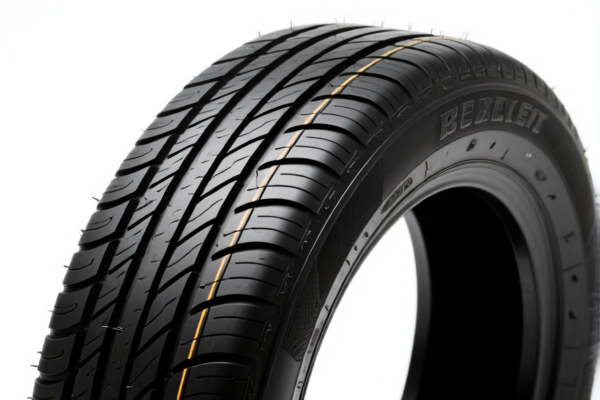
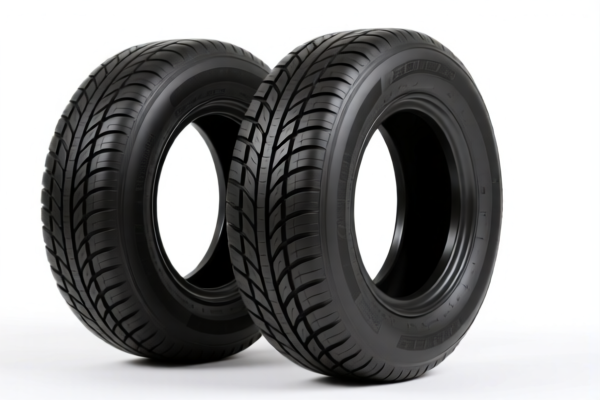
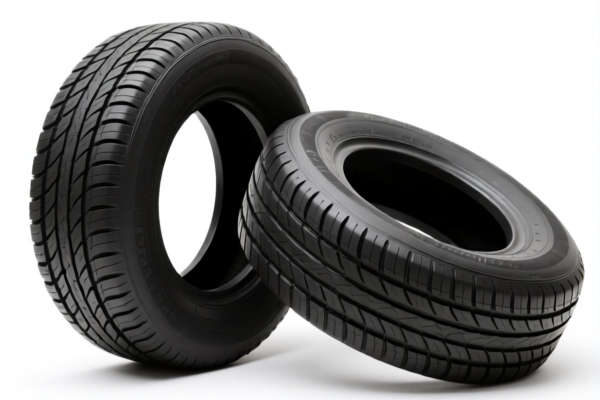
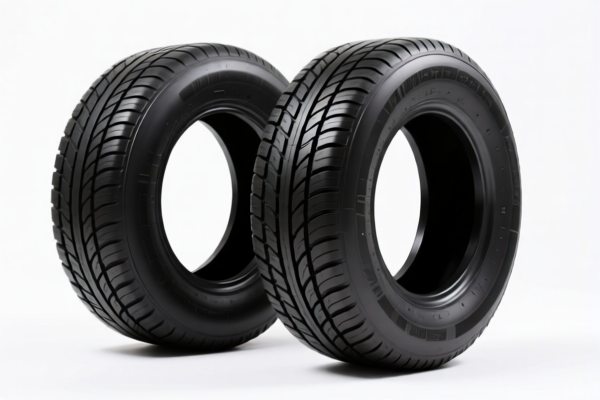
AI Analysis
🚜 Used Agricultural Rubber Tires for Harvesters
🌐 HS Code Reference & Customs Clearance Guide | 2026 Latest Tariff Analysis | Professional Clearance Strategy
📌 I. Product Definition & Classification: Understanding "Used Harvester Tires"
Used Harvester Rubber Tires are pneumatic tires made of rubber, specifically designed for agricultural or forestry vehicles and machines (such as combine harvesters). Unlike new tires, these are pre-owned and may vary in tread depth and condition.
⚠️ Critical Classification Note:
- The product is "Used" (pre-owned), not "New".
- However, US Customs and Border Protection (CBP) often classifies used pneumatic tires based on their intended use and construction when no specific "used" subheading exists for the exact category.
- The primary destination code is 4011.70.00.50 (Other pneumatic tires of rubber, of a kind used on agricultural or forestry vehicles and machines).
- A secondary, less applicable code is 4011.70.00.10 (For use in civil aircraft), which is included here only as a close structural match if agricultural classification is disputed, but it is incorrect for harvester tires.
📦 II. HS Code Classification Details (2026 Latest Tariff Authority Comparison)
| HS Code | Product Description | Applicability | Why It Fits (or Doesn’t) |
|---|---|---|---|
4011.70.00.50 |
Other pneumatic tires, of rubber: Of a kind used on agricultural or forestry vehicles and machines | ✅ Primary & Correct | - Matches the intended use (harvesters = agricultural vehicles). - "Other" covers non-specific agricultural tires. - Despite being "used," this is the most plausible fit in the absence of a dedicated "used" heading for this specific vehicle type. |
4011.70.00.10 |
Other pneumatic tires, of rubber: For use in civil aircraft | ❌ Incorrect / Secondary | - Does not match the product description. - Harvesters are not civil aircraft. - Included only for completeness if classification uncertainty arises, but should not be used for agricultural tires. |
🔍 Key Insight:
- Used tires do not have a unique 10-digit HS code distinction in the US tariff schedule for agricultural use. They are classified under the same heading as new tires of the same type and intended use.
- Misclassification as4011.70.00.10(Aircraft) is a common error but will lead to customs delays and penalties because the end-use is clearly agricultural.
💰 III. 2026 Latest Tariff Rate Breakdown (Including Additional Duties)
✅ Applicable Country: United States (US)
✅ Country of Origin: China (CN)
✅ Effective Date: From November 10, 2025 (and subsequent imports)
🎯 1. 4011.70.00.50 —— Pneumatic Tires for Agricultural/Forestry Vehicles (Used)
| Item | Detail |
|---|---|
| Base Tariff Rate | 0.0% (Ad Valorem) |
| Section 301 Additional Duty | +25.0% (USITC Footnote 9903.88.01) |
| IEEPA Additional Duty | +10.0% (Against China/HK products, effective Nov 10, 2025) |
| Total Effective Tariff | 35.0% |
| Tax Calculation | CIF Value × 35% |
| De Minimis Eligibility | ❌ Not Eligible (Denied for tires under Section 301/IEEPA) |
| Legal Authority Path | IEEPA:9903.01.25 → IEEPA:9903.01.24 → USITC:4011.70.00.50 → FOOTNOTE:9903.88.01 |
📌 Explanation:
- Although the base rate is 0%, the Section 301 tariff (+25%) applies to all Chinese-origin pneumatic tires, including used ones, as they fall under Chapter 40.
- The IEEPA +10% is an additional layer on top of Section 301 for Chinese goods.
- Total: 35%. This is a high-cost item for importers.
- No de minimis exemption applies, meaning even small shipments must pay full duty.
🎯 2. 4011.70.00.10 —— For Use in Civil Aircraft (Incorrect but Listed)
| Item | Detail |
|---|---|
| Base Tariff Rate | 0.0% |
| Section 301 Additional Duty | +25.0% |
| IEEPA Additional Duty | +10.0% |
| Total Effective Tariff | 35.0% |
| Tax Calculation | CIF Value × 35% |
| De Minimis Eligibility | ❌ Not Eligible |
| Legal Authority Path | Same as above |
📌 Warning:
- Do not use this code. It is for aircraft tires, not harvester tires.
- Using this code constitutes misdeclaration, leading to customs audits, fines, and potential seizure.
🛠️ IV. Customs Clearance Practical Advice (Real-World Pitfall Avoidance Guide)
✅ 1. Required Documentation Checklist (Mandatory)
| Document | Must Provide | Notes |
|---|---|---|
| ✅ Product Description | ✔️ | Clearly state: "Used Pneumatic Rubber Tires for Agricultural Harvesters" |
| ✅ Condition Report | ✔️ | Describe tread depth, age, and any repairs. CBP may inspect for safety compliance. |
| ✅ Commercial Invoice | ✔️ | Must specify "Used" and "Agricultural Use" to support 4011.70.00.50 |
| ✅ Packing List | ✔️ | List quantity, weight, and tire sizes |
| ✅ Proof of Origin | ✔️ | Certificate of Origin (CO) for China origin |
| ✅ Import License | ✔️ | Check if EPA or DOT regulations apply (tires must meet safety standards even if used) |
✅ 2. Declaration Tips (Key Rules)
🔥 "Declare 'Used', Specify 'Agricultural', Avoid 'Aircraft'!"
| Scenario | Correct Declaration | Wrong Declaration |
|---|---|---|
| Used Harvester Tires | 4011.70.00.50 |
4011.70.00.10 (Aircraft) → Penalty |
| New Agricultural Tires | 4011.70.00.50 |
4011.70.00.10 → Penalty |
| Used Tires for Cars | 4011.20.00.00 |
4011.70.00.50 → Misclassification |
✅ 3. Special Handling Cases
| Scenario | Recommendation |
|---|---|
| Tires with Repairs | Must declare repairs. If unsafe, CBP may reject entry. |
| Mixed Shipments | If mixed with new tires, declare separately. Mixed codes require clear itemization. |
| OEM vs. Aftermarket | Label must match. Mislabeling can lead to IP disputes or duty evasion flags. |
| Environmental Compliance | Used tires must comply with EPA standards. Check for prohibited materials (e.g., asbestos). |
🌍 V. Global Market Comparison (2026 Latest)
| Country/Region | Recommended HS Code | Tariff (China Origin) | Certification | Notes |
|---|---|---|---|---|
| 🇺🇸 USA | 4011.70.00.50 |
35% (0% + 25% + 10%) | DOT + EPA | High tariff, no de minimis |
| 🇨🇳 China | 4011.70.00.50 |
5% (Import) | CCC | Lower tariff for imports |
| 🇪🇺 EU | 4011.70.00 |
0% (if GSP applies) | CE | No additional duties |
| 🇦🇺 Australia | 4011.70.00 |
5% | RCM | Low tariff |
| 🇯🇵 Japan | 4011.70.00 |
0% | PSE | No additional duties |
📌 Conclusion:
- USA imposes the highest cost due to Section 301 and IEEPA tariffs.
- EU, Japan, and Australia are more favorable for tariff purposes.
- For US imports, consider supply chain diversification or tariff engineering (e.g., importing components separately if applicable, though tires are rarely eligible).
📌 VI. Common Errors & Pitfalls (Lessons Learned)
❌ Error 1: Declaring used harvester tires as "New Tires"
👉 Consequence: Fraud penalty, retroactive duty assessment, and potential criminal charges.
❌ Error 2: Using 4011.70.00.10 (Aircraft) to avoid scrutiny
👉 Consequence: Customs audit, fines, and shipment detention.
❌ Error 3: Ignoring EPA/DOT regulations for used tires
👉 Consequence: Rejection of entry, destruction of goods.
❌ Error 4: Assuming de minimis applies to used tires
👉 Consequence: Unexpected 35% duty bill upon arrival.
✅ Correct Approach:
"Used Pneumatic Rubber Tires, Size 18.4-30, for Agricultural Harvesters, DOT Compliant, HS Code: 4011.70.00.50"
🎯 VII. Conclusion: Professional Clearance, Cost Savings, Efficiency!
🎯 Remember the Key Points:
🔹 "Used tires ≠ New tires, but same HS code for agricultural use"
🔹 "Total Duty = 35% (0% + 25% + 10%) for US imports from China"
🔹 "Always declare 'Used' and 'Agricultural' accurately"
📌 Pro Tip:
If your tires are re-exported or re-imported under specific programs (e.g., Returned Goods Relief), check eligibility for duty reduction. However, Section 301 tariffs often still apply.
📣 Immediate Action:
📞 Contact a licensed customs broker
📄 Prepare accurate product descriptions and condition reports
🚀 Ensure compliance with DOT/EPA standards for used tires
✨ Professional clearance starts with accurate classification!
💼 Your cost savings depend on precision!
Customer Reviews
About HS Code Classification
The Harmonized System (HS) is an internationally standardized nomenclature developed by the World Customs Organization (WCO) to classify traded products. Over 200 countries use the HS system as the basis for customs tariffs, trade statistics, and import/export regulations.
Each HS code follows a hierarchical structure:
- Chapter (2 digits) — Broad category of goods (e.g., Chapter 84: Machinery and Mechanical Appliances)
- Heading (4 digits) — More specific grouping within the chapter
- Subheading (6 digits) — Internationally standardized breakdown, used by all WCO member countries
- National subdivisions (8-10 digits) — Country-specific extensions for further classification, such as US HTSUS 10-digit codes
Correct HS code classification is essential for smooth customs clearance, accurate duty payment, and compliance with trade regulations. Misclassification can lead to customs delays, overpayment of duties, or penalties.
When importing from CN to US, the applicable tariff rates may include:
- Most-Favored-Nation (MFN) rate — The standard duty rate applied to WTO members
- General rate — Applied to countries without trade agreements
- Trade remedy duties — Additional tariffs such as Section 301 (anti-dumping), Section 232 (national security), or countervailing duties
The information provided on this page is for reference purposes only. For official classification, please consult with your local customs authority or a licensed customs broker.