Other Industrial Plastic Profiles
CN → US| HS Code | Tariff Rate | Origin | Destination | Doc |
|---|---|---|---|---|
| 3926909989 | 22.8% | CN | US | Official Doc |
| 3926909987 | 22.8% | CN | US | Official Doc |
| 9403708031 | 35.0% | CN | US | Official Doc |
| 9403708015 | 35.0% | CN | US | Official Doc |
Product Images
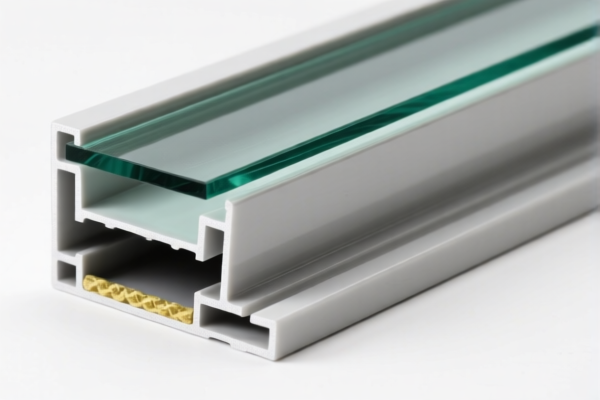
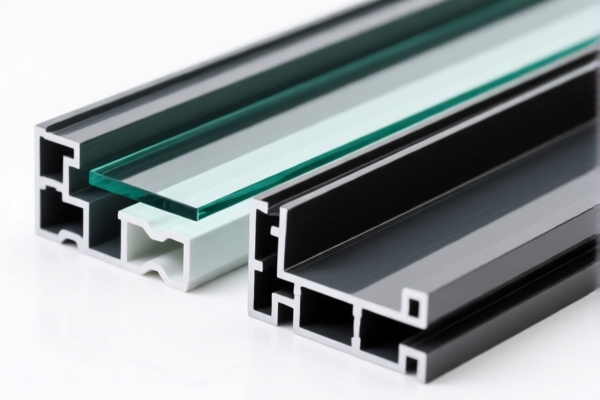
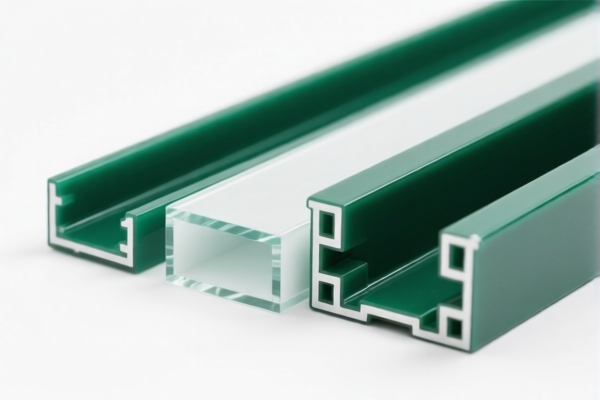
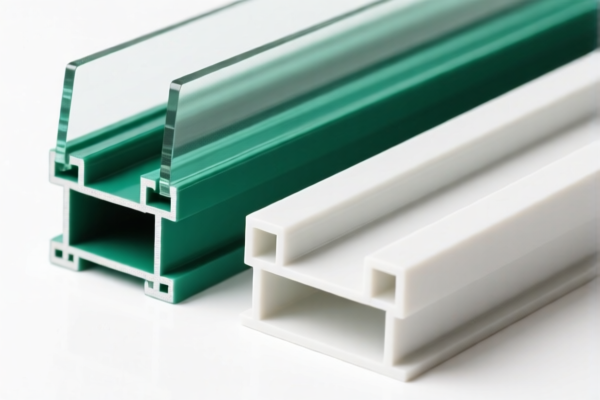
AI Analysis
🏭 Other Industrial Plastic Profiles
🌐 HS Code Reference & Customs Clearance Guide | 2026 Latest Tariff Analysis | Professional Compliance Strategy
📌 I. Product Definition & Classification: Do You Really Know "Industrial Plastic Profiles"?
"Other Industrial Plastic Profiles" refer to semi-finished or finished plastic products shaped for industrial applications (extrusions, bars, rods, sections). In international trade, their classification depends heavily on their final use and form.
1. Pure Plastic Profiles (Unfinished/Semi-finished):
- Material is purely plastic.
- Used as raw materials or components for other machinery/structures.
- Classified under Chapter 39 (Plastics).
2. Plastic Furniture/Parts (Finished/Specific Use):
- If the profile is assembled into or constitutes furniture (e.g., plastic chairs, tables, shelving units).
- Classified under Chapter 94 (Furniture).
⚠️ Key Distinction:
- If it’s just a bar, rod, or extrusion without being assembled into a specific article → HS 3926.90.99
- If it’s part of furniture (even if made of plastic profiles) → HS 9403.70.80
📦 II. HS Code Classification Details (2026 Latest Tariff Authority对照)
| HS Code | Product Description | Applicable Scenario | Classification Logic |
|---|---|---|---|
3926.90.99.89 |
Other plastic articles (Industrial plastic profiles) | General industrial use, no specific furniture form | ✅ Pure plastic articles |
3926.90.99.87 |
Industrial other plastic profiles, material is plastic, shape is profile | Extruded bars, rods, sections for industrial assembly | ✅ Pure plastic profiles |
9403.70.80.31 |
Other plastic furniture | Plastic profiles used in furniture manufacturing | ✅ Furniture category |
9403.70.80.15 |
Other plastic furniture/products | Plastic profiles constituting plastic furniture/items | ✅ Furniture category |
🔍 Important Note:
- Ch 39 codes apply to raw/semi-finished plastic shapes not yet assembled into furniture.
- Ch 94 codes apply when the plastic profiles are integral to furniture.
- Misclassification can lead to significant tax differences (22.8% vs. 35.0%).
💰 III. 2026 Latest Tariff Rate Breakdown (Including Surtaxes, Policy Add-ons)
✅ Applicable Country: United States (US)
✅ Origin: China (CN)
✅ Effective Date: From 2025 onwards (including subsequent imports)
🎯 1. 3926.90.99.89 & 3926.90.99.87 —— Industrial Plastic Profiles (Plastic Articles)
| Item | Content |
|---|---|
| Base Tariff | 5.3% (ad valorem) |
| Section 301 Surcharge | +7.5% |
| Section 122 Tariff | +10% |
| Total Tariff Rate | 22.8% |
| Tax Calculation | CIF Value × 22.8% |
| De Minimis Exemption | ❌ Not Applicable |
| Legal Basis Path | USITC:3926.90.99.89/87 → Section 301: 7.5% → Section 122: 10% |
📌 Explanation:
- These HS codes are classified under Other Plastic Articles.
- They attract Section 301 tariffs (7.5%) and Section 122 tariffs (10%).
- Total: 22.8%. This is a moderate-high tariff compared to basic plastic goods.
🎯 2. 9403.70.80.31 & 9403.70.80.15 —— Other Plastic Furniture
| Item | Content |
|---|---|
| Base Tariff | 0.0% (ad valorem) |
| Section 301 Surcharge | +25.0% |
| Section 122 Tariff | +10% |
| Total Tariff Rate | 35.0% |
| Tax Calculation | CIF Value × 35.0% |
| De Minimis Exemption | ❌ Not Applicable |
| Legal Basis Path | USITC:9403.70.80.31/15 → Section 301: 25% → Section 122: 10% |
📌 Explanation:
- Furniture items (including plastic furniture) are subject to a higher Section 301 surcharge (25%).
- Even though the base tariff is 0%, the total rate is 35.0%, which is 12.2% higher than the non-furniture plastic profiles.
- Critical: Misdeclaring furniture as "general plastic profiles" to pay 22.8% instead of 35.0% is a serious compliance violation.
🛠️ IV. Customs Clearance Practical Advice (Combat Pitfall Guide)
✅ 1. Preparation Checklist (All Documents Required)
| Document | Must Provide | Explanation |
|---|---|---|
| ✅ Product Specifications | ✔️ | Include material type (PE, PP, PVC, etc.), dimensions, shape (bar, rod, profile) |
| ✅ Product Photos | ✔️ | Clear images showing if it’s a raw profile or assembled furniture |
| ✅ Commercial Invoice | ✔️ | Accurately describe as "Industrial Plastic Profiles" OR "Plastic Furniture" |
| ✅ Packing List | ✔️ | Detail quantity, weight, and packaging |
| ✅ Certificate of Origin (CO) | ✔️ | Required for origin verification |
| ✅ Declaration Statement | ✔️ | Explicitly state end-use (industrial component vs. furniture) |
✅ 2. Declaration Tips (Key Mantras)
🔥 “Profiles are Ch39, Furniture is Ch94, Don’t Mix Up, Taxes Will Jump!”
| Scenario | Correct Declaration | Wrong Practice |
|---|---|---|
| Plastic bars/rods for industrial assembly | 3926.90.99.87 (22.8%) |
Declaring as "Furniture" → 35.0% |
| Plastic chairs/shelves made from profiles | 9403.70.80.15/31 (35.0%) |
Declaring as "Plastic Profiles" → 22.8% (RISKY!) |
| Mixed shipment (profiles + furniture) | Split Declaration | Mixed declaration → Potential audit & penalties |
✅ 3. Special Situation Handling
| Situation | Handling Advice |
|---|---|
| Plastic Profiles for Furniture Parts | If sold as parts not assembled, can still argue for Ch 39. Provide design specs showing they are unassembled. |
| Assembled Plastic Furniture | Must declare under Ch 94. No exceptions. |
| Custom-Extruded Industrial Shapes | Declare under 3926.90.99.87. Emphasize "industrial use, non-furniture". |
| Plastic Garden Furniture | Still falls under Ch 94. Not exempt. |
🌍 V. Global Market Comparison (2026 Latest)
| Country/Region | Recommended HS Code | Tariff Rate | Notes |
|---|---|---|---|
| 🇺🇸 USA | 3926.90.99.87 |
22.8% | Lower tax for profiles |
| 🇺🇸 USA | 9403.70.80.15 |
35.0% | Higher tax for furniture |
| 🇪🇺 EU | 3926.90 |
6.5% | Lower base tariff, no Section 301 |
| 🇨🇳 China | 3926.90 |
5.3% | Base tariff only |
| 🇬🇧 UK | 3926.90 |
5.3% | Post-Brexit tariff alignment with EU |
📌 Conclusion:
- USA is the strictest on Chinese plastic goods with high surtaxes.
- Classifying correctly saves 12.2% in total tariffs.
- EU/UK offer lower base rates but still require accurate description.
📌 VI. Common Errors & Pitfall Guide (Lessons Learned)
❌ Error 1: Declaring "Plastic Furniture" as "Plastic Profiles" to save 12.2%
👉 Consequence: Customs audit, back-tariffs, fines, and potential shipment detention.
❌ Error 2: Declaring unassembled plastic parts as "Furniture" when they are industrial components
👉 Consequence: Overpaying 12.2% unnecessarily.
❌ Error 3: Providing vague descriptions like "Plastic Goods"
👉 Consequence: Customs will assign the highest applicable rate or hold for inspection.
❌ Error 4: Ignoring Section 122 and Section 301 implications
👉 Consequence: Unexpected tax hikes upon import.
✅ Correct Approach:
"Industrial Plastic Extrusion Profile, PVC, 50mm x 20mm, for Mechanical Assembly, Not for Furniture"
vs.
"Plastic Garden Chair, Assembled, UV Resistant, for Outdoor Use"
🎯 VII. Conclusion: Precise Classification, Cost Savings, Compliance!
🎯 Remember the Mantra:
🔹 "Profiles are Ch39 (22.8%), Furniture is Ch94 (35.0%). Don’t mix them up!"
🔹 "Base tax is low, but surtaxes kill profits. Declare accurately!"
📌 Pro Tip:
If your plastic profiles are exported to Vietnam, Mexico, or Thailand for assembly into furniture, consider tariff engineering or substantial transformation rules to avoid US duties. However, if shipped directly from China to the US as furniture, 35.0% is mandatory.
📣 Action Required:
📞 Consult a licensed customs broker.
📄 Provide clear product photos and usage descriptions.
🚀 Ensure accurate HS Code classification to avoid 12.2% tariff shock.
✨ Professional clearance starts with precise classification!
💼 Every percentage point matters in your profit margin!
Customer Reviews
About HS Code Classification
The Harmonized System (HS) is an internationally standardized nomenclature developed by the World Customs Organization (WCO) to classify traded products. Over 200 countries use the HS system as the basis for customs tariffs, trade statistics, and import/export regulations.
Each HS code follows a hierarchical structure:
- Chapter (2 digits) — Broad category of goods (e.g., Chapter 84: Machinery and Mechanical Appliances)
- Heading (4 digits) — More specific grouping within the chapter
- Subheading (6 digits) — Internationally standardized breakdown, used by all WCO member countries
- National subdivisions (8-10 digits) — Country-specific extensions for further classification, such as US HTSUS 10-digit codes
Correct HS code classification is essential for smooth customs clearance, accurate duty payment, and compliance with trade regulations. Misclassification can lead to customs delays, overpayment of duties, or penalties.
When importing from CN to US, the applicable tariff rates may include:
- Most-Favored-Nation (MFN) rate — The standard duty rate applied to WTO members
- General rate — Applied to countries without trade agreements
- Trade remedy duties — Additional tariffs such as Section 301 (anti-dumping), Section 232 (national security), or countervailing duties
The information provided on this page is for reference purposes only. For official classification, please consult with your local customs authority or a licensed customs broker.