Other Iron or Non Alloy Steel Profiles
CN → US| HS Code | Tariff Rate | Origin | Destination | Doc |
|---|---|---|---|---|
| 7325991000 | 85.0% | CN | US | Official Doc |
| 7326908688 | 87.9% | CN | US | Official Doc |
| 7326190080 | 87.9% | CN | US | Official Doc |
| 7318190000 | 90.7% | CN | US | Official Doc |
| 7318290000 | 87.8% | CN | US | Official Doc |
Product Images
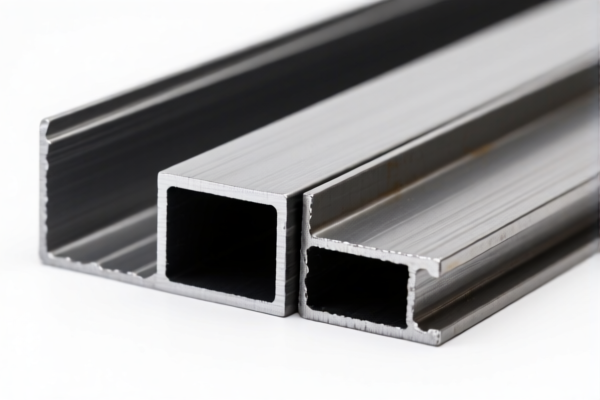
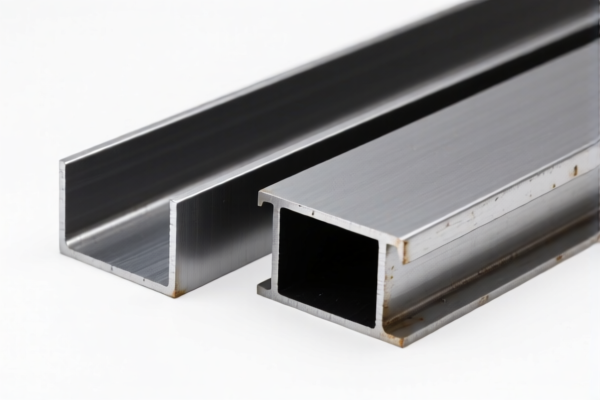
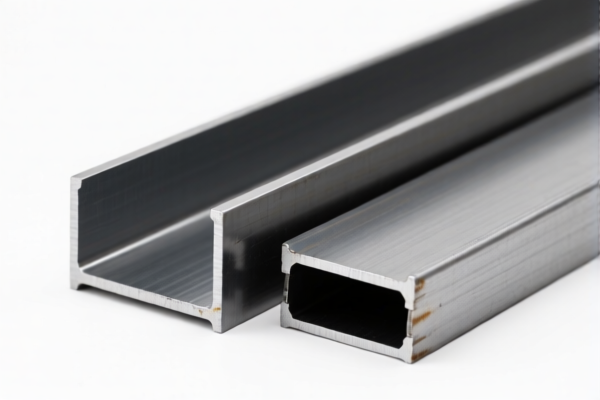
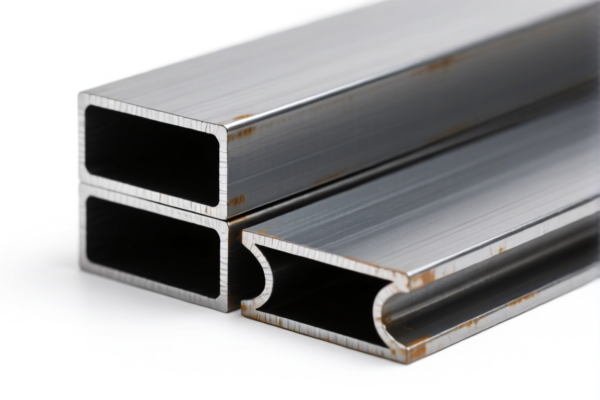
AI Analysis
🏗️ Iron & Non-Alloy Steel Profiles: HS Code Classification & Duty Breakdown (2026)
🌐 HS Code Reference & Customs Clearance Guide | 2026 Latest Tariff Analysis | Professional Entry Strategy
📌 I. Product Definition & Classification: What Are "Other Iron or Steel Profiles"?
In international trade, "Other Iron or Steel Profiles" (typically referring to products under Chapter 73 rather than Chapter 72 rolled products) covers iron or steel articles that have been further processed, fabricated, or shaped beyond simple rolling/extruding into standard structural shapes.
These are final or semi-finished articles, distinct from raw steel beams (H-beams, I-beams) which fall under Chapter 72. Common examples include: * Cast Iron Articles: Manhole covers, engine blocks, heavy machinery housings. * Fabricated Steel Products: Brackets, anchors, fasteners, specialized fittings, wire goods, and other engineered steel components.
⚠️ Key Distinction:
- If the product is a cast iron item → It belongs to 7325.
- If the product is a forged, pressed, or otherwise fabricated non-structural steel item → It belongs to 7326 or 7318.
- Do not confuse with "Iron or Steel Profiles" under Chapter 72 (e.g., 7216, 7219). Chapter 73 items are articles, not semi-finished products.
📦 II. HS Code Classification Matrix (Based on Provided Data)
| HS Code | Product Description | Material/Category Match | Total Tax Rate | Key Tax Components |
|---|---|---|---|---|
7325.99.10.00 |
Other cast iron articles; material matches | Cast Iron | 85.0% | Base: 0% + Sec 301: 25% + 122 Clauses: 10% + 232 Clauses: 50% |
7326.90.86.88 |
Other iron/steel articles; full material/category match | Fabricated Steel | 87.9% | Base: 2.9% + Sec 301: 25% + 122 Clauses: 10% + 232 Clauses: 50% |
7326.19.00.80 |
Other steel articles; matches material/classification | Steel Wire/Fittings | 87.9% | Base: 2.9% + Sec 301: 25% + 122 Clauses: 10% + 232 Clauses: 50% |
7318.19.00.00 |
Other iron/steel articles; matches "Other" category | Fasteners/Bolts | 90.7% | Base: 5.7% + Sec 301: 25% + 122 Clauses: 10% + 232 Clauses: 50% |
7318.29.00.00 |
Other iron/steel articles; "Other" catch-all category | Screws/Nuts/Washers | 87.8% | Base: 2.8% + Sec 301: 25% + 122 Clauses: 10% + 232 Clauses: 50% |
🔍 Critical Note:
All listed HS Codes incur Section 232 Tariffs (50%) for steel/aluminum/copper products, Section 301 Tariffs (25%), and 122 Clause Tariffs (10%). This results in a massive total duty burden ranging from 85.0% to 90.7%.
💰 III. 2026 Tariff Rate Breakdown (Detailed Policy Analysis)
✅ Applicable Country: United States (US)
✅ Origin: China (CN)
✅ Effective Date: Current rates apply for imports entering after Section 232/301 adjustments.
🎯 1. 7325.99.10.00 — Cast Iron Articles
| Item | Details |
|---|---|
| Base Duty | 0% |
| Section 301 Duty | +25.0% |
| 122 Clause Duty | +10.0% |
| Section 232 Duty | +50.0% (Steel/Aluminum/Copper) |
| Total Duty | 85.0% |
| Calculation | CIF Value × 85.0% |
| De Minimis Exemption? | ❌ NO (Denied) |
| Legal Basis | USITC:7325.99.10.00 → IEEPA:9903.01.24 → Section 232 |
📌 Explanation:
- Cast iron items are heavily taxed due to the combination of Section 232 (national security on steel/iron) and Section 301 (trade war tariffs).
- The 0% base rate is misleading; the effective cost is nearly double the CIF value.
🎯 2. 7326.90.86.88 & 7326.19.00.80 — Other Fabricated Steel Articles
| Item | Details |
|---|---|
| Base Duty | 2.9% |
| Section 301 Duty | +25.0% |
| 122 Clause Duty | +10.0% |
| Section 232 Duty | +50.0% |
| Total Duty | 87.9% |
| Calculation | CIF Value × 87.9% |
| De Minimis Exemption? | ❌ NO (Denied) |
📌 Explanation:
- These codes cover non-standard fabricated steel items (e.g., specialized brackets, wire forms).
- The 2.9% base is higher than cast iron, pushing the total to 87.9%.
- 122 Clause (10%) applies specifically to certain steel/aluminum products under recent enforcement actions.
🎯 3. 7318.19.00.00 — Other Fasteners (Bolts, Screws, etc.)
| Item | Details |
|---|---|
| Base Duty | 5.7% |
| Section 301 Duty | +25.0% |
| 122 Clause Duty | +10.0% |
| Section 232 Duty | +50.0% |
| Total Duty | 90.7% |
| Calculation | CIF Value × 90.7% |
| De Minimis Exemption? | ❌ NO (Denied) |
📌 Explanation:
- This is the highest duty rate in the list.
- 5.7% base + 25% Sec 301 + 10% 122 Clause + 50% Sec 232 = 90.7%.
- Common for standard fasteners not elsewhere specified.
🎯 4. 7318.29.00.00 — Other Screws, Nuts, Washers
| Item | Details |
|---|---|
| Base Duty | 2.8% |
| Section 301 Duty | +25.0% |
| 122 Clause Duty | +10.0% |
| Section 232 Duty | +50.0% |
| Total Duty | 87.8% |
| Calculation | CIF Value × 87.8% |
| De Minimis Exemption? | ❌ NO (Denied) |
📌 Explanation:
- Slightly lower base (2.8%) than7318.19(5.7%), resulting in a 87.8% total.
- Still, the effective tax burden is nearly 90%, making this highly unprofitable for direct export to the US.
🛠️ IV. Customs Clearance Strategy (Practical Tips)
✅ 1. Documentation Requirements (Mandatory)
| Document | Required? | Notes |
|---|---|---|
| ✅ Product Specification | ✔️ | Must detail material (cast iron vs. steel), dimensions, and use. |
| ✅ Material Test Report | ✔️ | Prove if it’s "Cast Iron" (7325) or "Forged/Pressed Steel" (7326/7318). |
| ✅ Commercial Invoice | ✔️ | Clearly state "Iron or Steel Article" with precise HS Code. |
| ✅ Packing List | ✔️ | Match invoice exactly. |
| ✅ Origin Certificate | ✔️ | Required for Section 232/301 determination. |
| ✅ Section 232 Exemption? | ⚠️ | Highly Unlikely for standard products. Check for specific exclusions. |
✅ 2. Classification Strategy (Avoid Pitfalls)
🔥 "Material Determines Code, Code Determines Cost!"
| Scenario | Correct HS Code | Risk |
|---|---|---|
| Manhole Covers, Engine Parts | 7325.99.10.00 (85.0%) |
Ensure it’s truly cast iron, not steel castings. |
| Custom Brackets, Wire Goods | 7326.90.86.88 (87.9%) |
Must be fabricated, not rolled. |
| Standard Bolts/Screws | 7318.19.00.00 or 7318.29.00.00 (87.8-90.7%) |
Use exact subheading; misclassification leads to penalties. |
| Steel Beams (Structural) | ❌ NOT in List (Likely Chapter 72) | If you misclassify Chapter 72 items into Chapter 73, you risk misdeclaration. |
📌 Warning:
- Do not use "De Minimis" ($800) to bypass duties. The data explicitly states deny_de_minimis for these codes.
- Section 232 (50%) is almost always applicable to steel products from China unless a specific exclusion applies.
✅ 3. Special Circumstances
| Situation | Advice |
|---|---|
| OEM/ODM Products | Provide full design specs to prove exact material and manufacturing process. |
| Mixed Shipments | If containers hold both steel and non-steel items, declare separately to avoid whole-container audits. |
| Pre-Ruling | Apply for an Advance Ruling from US Customs to confirm HS Code and duty applicability. |
| Supply Chain Diversification | Consider sourcing from non-China countries (e.g., Vietnam, India) to avoid Section 301 (25%) and potentially Section 232. |
🌍 V. Global Market Comparison (2026)
| Market | Recommended HS | Duty Rate (China Origin) | Notes |
|---|---|---|---|
| 🇺🇸 USA | 7325 / 7326 / 7318 |
85.0% – 90.7% | High due to Sec 301 + Sec 232 + 122 Clause. |
| 🇨🇳 China | 7325 / 7326 / 7318 |
Low (2-5%) | No extra tariffs for domestic trade. |
| 🇪🇺 EU | 7325 / 7326 / 7318 |
~4-6% | No Section 301/232. CE marking required. |
| 🇯🇵 Japan | 7325 / 7326 / 7318 |
~3-5% | JIS standards may apply. |
📌 Conclusion:
- The US market is the most expensive for these products due to layered tariffs.
- Profit margins must account for ~90% duty if exporting directly from China to the US.
📌 VI. Common Errors & Pitfalls
❌ Error 1: Classifying steel castings as 7325 (Cast Iron)
👉 Result: If material is steel, not cast iron, customs may reclassify and penalize.
❌ Error 2: Assuming De Minimis ($800) applies
👉 Result: Denied. All listed codes have deny_de_minimis flag.
❌ Error 3: Ignoring Section 232 (50%)
👉 Result: Underpayment of duty. Section 232 applies to steel articles.
❌ Error 4: Using vague descriptions like "Steel Parts"
👉 Result: Customs will query and delay clearance. Use precise terms like "Cast Iron Manhole Cover" or "Steel Bolts M8x50".
✅ Correct Approach:
"Cast Iron Manhole Cover, EN124 Standard, Weight 50kg, HS 7325.99.10.00"
"Steel Hex Bolts M10x100, Grade 8.8, HS 7318.19.00.00"
🎯 VII. Conclusion: Professional Classification Saves Millions
🎯 Key Takeaway:
🔹 "Iron/Steel Articles = High Duty (85-90%)"
🔹 "Check Material: Cast Iron (7325) vs. Fabricated Steel (7326/7318)"
🔹 "No De Minimis. No Exemptions. Plan Costs Accordingly."
📌 Recommendation:
- For US-bound shipments, consider tariff engineering (if possible) or supply chain shifts.
- Always obtain an Advance Ruling for new products.
- Work with licensed customs brokers to ensure accurate classification.
📣 Action Item:
📞 Contact Your Customs Broker
📄 Provide Detailed Product Specs
🚀 Verify HS Code & Duty Liability BEFORE Shipment
✨ Accurate Classification is the First Step to Profitable Trade!
💼 Don’t Let Hidden Tariffs Eat Your Margins!
Customer Reviews
About HS Code Classification
The Harmonized System (HS) is an internationally standardized nomenclature developed by the World Customs Organization (WCO) to classify traded products. Over 200 countries use the HS system as the basis for customs tariffs, trade statistics, and import/export regulations.
Each HS code follows a hierarchical structure:
- Chapter (2 digits) — Broad category of goods (e.g., Chapter 84: Machinery and Mechanical Appliances)
- Heading (4 digits) — More specific grouping within the chapter
- Subheading (6 digits) — Internationally standardized breakdown, used by all WCO member countries
- National subdivisions (8-10 digits) — Country-specific extensions for further classification, such as US HTSUS 10-digit codes
Correct HS code classification is essential for smooth customs clearance, accurate duty payment, and compliance with trade regulations. Misclassification can lead to customs delays, overpayment of duties, or penalties.
When importing from CN to US, the applicable tariff rates may include:
- Most-Favored-Nation (MFN) rate — The standard duty rate applied to WTO members
- General rate — Applied to countries without trade agreements
- Trade remedy duties — Additional tariffs such as Section 301 (anti-dumping), Section 232 (national security), or countervailing duties
The information provided on this page is for reference purposes only. For official classification, please consult with your local customs authority or a licensed customs broker.