Other Lawn Mower Rubber Used Tires
CN → USProduct Images
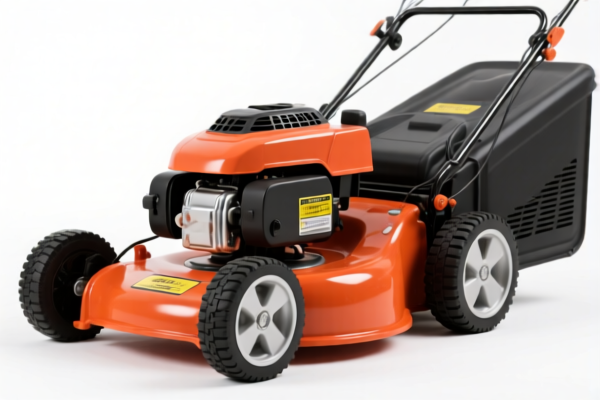
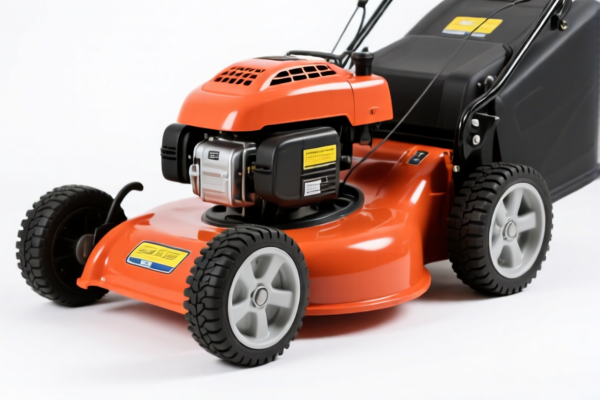
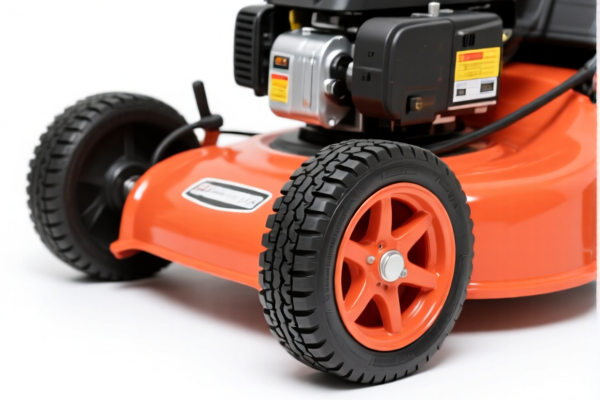
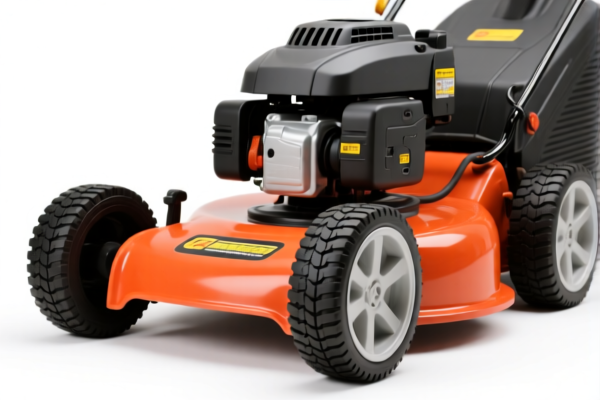
AI Analysis
🚜 Recycled Rubber from Used Lawn Mower Tires (Solid/Industrial Grade)
🌐 HS Code Reference & Customs Clearance Guide | 2026 Latest Tariff Analysis | Professional Clearance Strategy
📌 I. Product Definition & Classification: What Exactly Are "Other Lawn Mower Rubber Used Tires"?
In international trade, "used tires from lawn mowers" are generally classified as solid rubber pieces, scrap rubber, or processed rubber granules, depending on their physical state after use. Unlike pneumatic tires for vehicles (which have air chambers), lawn mower tires are typically solid rubber or foam-filled, making them distinct from standard automotive tire categories.
These products fall under the broader category of waste and scrap of rubber, specifically tailored for recycling into new rubber products, flooring, or industrial materials.
⚠️ Key Distinction Point:
- Pneumatic Tires (with air holes) → Usually fall under 4011 (New/Used Tires for vehicles).
- Solid/Rubber Scrap (Lawn mower tires, often solid or cut-up) → Often fall under 4004 (Waste and scrap of rubber) or 4016.99 (If processed into specific shapes like mats, but "used tires" as raw material usually go to 4004).
- Recycled Rubber Granules/Powder → Fall under 4004.00.
📦 II. HS Code Classification Details (2026 Latest Tariff Authority Comparison)
| HS Code | Product Description | Application Scenario | Physical State |
|---|---|---|---|
4004.00.00.00 |
Waste and scrap of rubber (except powdered or granulated) | Raw used solid tires, cut-up lawn mower tires, solid rubber waste | ✅ Raw/Unprocessed Scrap |
4004.00.90.00 |
Other waste and scrap of rubber | Granulated or powdered rubber from lawn mower tires, recycled rubber crumb | ✅ Processed Scrap |
4011.93.00.00 |
Pneumatic tyres, new, of rubber (for motorcycles, etc.) | Not applicable – Used solid tires do not fit here. | ❌ N/A |
4011.99.90.00 |
Other used pneumatic tyres | Rarely applicable – Only if the tire is truly pneumatic and intact. Most lawn mower tires are solid. | ❌ Rare |
4016.99.98.00 |
Other articles of vulcanized rubber other than hard rubber | Recycled rubber mats, curb stones, playground tiles made from ground-up tires | ✅ Finished Product |
🔍 Key Reminder:
- Most "used lawn mower tires" are solid rubber. If exported as whole tires or cut pieces, they are classified under 4004.00 (Waste/Scrap).
- If the tires are ground into granules for sale to recycling plants, they are still 4004.00 but may have different country-specific sub-codes.
- Do NOT classify as 4011 (Used Pneumatic Tyres) unless they are intact, pneumatic, and suitable for reuse on vehicles. Lawn mower tires are typically considered scrap due to their small size and solid nature.
💰 III. 2026 Latest Tariff Rate Details (Including Surcharges & Policy Add-ons)
✅ Applicable Country: United States (US)
✅ Country of Origin: China (CN)
✅ Effective Time: From November 10, 2025 (Including subsequent imports)
🎯 1. 4004.00.00.00 – Waste and Scrap of Rubber (Solid/Lawn Mower Tires)
| Item | Content |
|---|---|
| Base Tariff Rate | 0% (ad valorem) |
| USITC Surcharge | +25% (from USITC Footnote 9903.88.01 – Section 301) |
| IEEPA Surcharge | +10% (against Chinese/HK products, from Nov 10, 2025) |
| Total Tariff Rate | 35% |
| Tax Calculation | CIF Value × 35% |
| De Minimis Eligibility | ❌ Not Eligible (deny_de_minimis) |
| Legal Basis Path | IEEPA:9903.01.25 → IEEPA:9903.01.24 → USITC:4004.00.00.00 → FOOTNOTE:9903.88.01 |
📌 Explanation:
- "USITC Surcharge 25%" comes from Section 301 of the US Trade Act regarding Chinese goods.
- "IEEPA 10%" is the additional tariff under the International Emergency Economic Powers Act.
- Total 35% is high for scrap materials, meaning importers must factor in this cost carefully.
- Note: Scrap rubber is often scrutinized for hygiene, contamination, and environmental compliance.
🎯 2. 4004.00.90.00 – Other Waste and Scrap of Rubber (Granules/Powder)
| Item | Content |
|---|---|
| Base Tariff Rate | 0% |
| USITC Surcharge | +25% |
| IEEPA Surcharge | +10% |
| Total Tariff Rate | 35% |
| Tax Calculation | CIF × 35% |
| De Minimis Eligibility | ❌ Not Eligible |
| Legal Basis Path | IEEPA:9901.25 → IEEPA:9903.01.24 → USITC:4004.00.90.00 → FOOTNOTE:9903.88.01 |
📌 Note:
- Same tariff as raw scrap.
- Granulated rubber is often used for playground surfaces, running tracks, or rubber mulch.
- Ensure no steel belts or metal contaminants remain, as this can lead to rejection.
🛠️ IV. Customs Clearance Practical Advice (Combat Pitfall Guide)
✅ 1. Document Checklist (Missing Items Lead to Delays)
| Document | Mandatory? | Description |
|---|---|---|
| ✅ Product Specification Sheet | ✔️ | Include material composition (100% vulcanized rubber), origin, weight, dimensions. |
| ✅ Photo of Goods (Whole & Cut) | ✔️ | Show tire structure (solid vs. pneumatic), brand, model number. |
| ✅ Commercial Invoice | ✔️ | Clearly state: "Used Solid Rubber Tires for Lawn Mowers, HS Code 4004.00.00.00, Scrap Grade." |
| ✅ Packing List | ✔️ | Detail net/gross weight, number of tires per pallet. |
| ✅ Certificate of Origin (CO) | ✔️ | If non-Chinese origin, may apply for preferential rates. |
| ✅ Environmental Compliance Cert | ✔️ | Some ports require proof of no hazardous contamination (oil, chemicals). |
| ✅ Non-Pneumatic Declaration | ✔️ | Explicitly state "Solid Rubber, No Air Chamber" to avoid misclassification as 4011. |
✅ 2. Declaration Tips (Key Mnemonic)
🔥 "Solid No Air, Code 4004, Scrap Not Tire, 35% Tariff!"
| Scenario | Correct Declaration | Wrong Practice |
|---|---|---|
| Whole solid lawn mower tire | 4004.00.00.00 (Scrap) |
Misdeclared as 4011.99.90.00 (Used Tire) → Potential penalty if rejected. |
| Cut-up rubber pieces | 4004.00.00.00 |
Declare as "New Rubber Parts" → Fraudulent! |
| Ground rubber granules | 4004.00.90.00 |
Declare as "Raw Rubber" (4001) → Wrong HS, delays. |
| Rubber mats (finished) | 4016.99.98.00 |
Declare as scrap → Underpayment if not classified correctly. |
✅ 3. Special Handling Cases
| Case | Handling Advice |
|---|---|
| Steel-Belted Tires | If the lawn mower tire contains steel belts, ensure they are removed or declared. Steel content may trigger Section 232 tariffs or require separate classification. |
| Contaminated Rubber | If tires are soaked in oil or chemicals, they may be classified as Hazardous Waste (1503/1504) → Prohibited from import without special permits. |
| Small Quantity (De Minimis) | ❌ No De Minimis Exemption for 4004.00 from China due to IEEPA/Section 301. Even small packages are taxed at 35%. |
| Recycled Rubber Mulch | If processed into mulch for gardening, still 4004.00 but ensure no pesticides or treated chemicals are present. |
🌍 V. Global Major Market Clearance Comparison (2026 Latest)
| Country/Region | Recommended HS Code | Tariff Rate (China Origin) | Certification Requirements | Remarks |
|---|---|---|---|---|
| 🇺🇸 USA | 4004.00.00.00 |
35% (25% + 10%) | None specific, but contamination check | High scrutiny on "scrap" vs. "recyclable" |
| 🇨🇳 China | 4004.00.00.00 |
0% | CCC (if finished product) | China imports scrap rubber for recycling |
| 🇪🇺 EU | 4004.00.00 |
0% | CE (if finished), Waste Shipment Reg. (1013/2006) | Strict waste import laws; may require prior notification |
| 🇬🇧 UK | 4004.00.00 |
0% | UKCA (if finished) | Post-Brexit, similar to EU waste rules |
| 🇦🇺 Australia | 4004.00.00 |
5% | EPA Approval | Strict biosecurity checks on rubber waste |
| 🇯🇵 Japan | 4004.00.00 |
0% | JIS Standards (if finished) | Low tariff, high quality standards |
📌 Conclusion:
- USA is the most expensive market due to 35% combined tariffs.
- EU/UK focus on environmental compliance (Waste Shipments Regulation).
- China is a major importer of such scrap for recycling, with 0% tariff.
- Avoid shipping to USA if possible due to high cost, unless the profit margin is substantial.
📌 VI. Common Mistakes & Pitfall Guide (Blood & Tears Lessons)
❌ Mistake 1: Declaring solid lawn mower tires as "Used Pneumatic Tires" (4011)
👉 Consequence: Customs rejects because no air chamber exists → Return or Destroy.
❌ Mistake 2: Not declaring "Scrap" status, calling it "Used Parts"
👉 Consequence: Misclassification → Penalties + Back Taxes.
❌ Mistake 3: Ignoring Steel Content
👉 Consequence: If steel belts are present, may trigger Section 232 steel tariffs or require separation → Delays.
❌ Mistake 4: Assuming De Minimis applies
👉 Consequence: Small parcels from China are NOT exempt from 35% tariff → Unexpected Costs.
✅ Correct Practice:
"Solid Rubber Tires, Waste Grade, HS 4004.00.00.00, No Steel, No Pneumatic, CIF Value: $1000"
🎯 VII. Conclusion: Professional Declaration, Save Time & Cost!
🎯 Remember Mnemonic:
🔹 "Solid No Air, Code 4004, Scrap Not Tire, 35% Tariff!"
🔹 "HS Code Saves Money, Misdeclaration Costs Thousands!"
📌 Pro Tip:
If you are importing recycled rubber mulch or playground tiles (finished products), check if they fall under 4016.99 instead of scrap. While tariffs might be similar, finished products may have different environmental requirements.
For whole used tires, consider exporting to non-US markets (e.g., Southeast Asia, Middle East) where tariffs are lower, unless you have a strong US-based recycling partner.
📣 Immediate Action:
📞 Contact a professional customs broker + Provide product photos + Apply for Advance Ruling if unsure.
🚀 Ensure your rubber tires, clear customs smoothly, maximize profits!
✨ Professional Clearance Starts with Accurate Classification!
💼 Every cent of cost deserves precise calculation!
Customer Reviews
About HS Code Classification
The Harmonized System (HS) is an internationally standardized nomenclature developed by the World Customs Organization (WCO) to classify traded products. Over 200 countries use the HS system as the basis for customs tariffs, trade statistics, and import/export regulations.
Each HS code follows a hierarchical structure:
- Chapter (2 digits) — Broad category of goods (e.g., Chapter 84: Machinery and Mechanical Appliances)
- Heading (4 digits) — More specific grouping within the chapter
- Subheading (6 digits) — Internationally standardized breakdown, used by all WCO member countries
- National subdivisions (8-10 digits) — Country-specific extensions for further classification, such as US HTSUS 10-digit codes
Correct HS code classification is essential for smooth customs clearance, accurate duty payment, and compliance with trade regulations. Misclassification can lead to customs delays, overpayment of duties, or penalties.
When importing from CN to US, the applicable tariff rates may include:
- Most-Favored-Nation (MFN) rate — The standard duty rate applied to WTO members
- General rate — Applied to countries without trade agreements
- Trade remedy duties — Additional tariffs such as Section 301 (anti-dumping), Section 232 (national security), or countervailing duties
The information provided on this page is for reference purposes only. For official classification, please consult with your local customs authority or a licensed customs broker.