Other Leather Travel Bags with Plastic or Textile Outer Surface
CN → US| HS Code | Tariff Rate | Origin | Destination | Doc |
|---|---|---|---|---|
| 4202921500 | 41.3% | CN | US | Official Doc |
| 6305330080 | 25.9% | CN | US | Official Doc |
| 6305390000 | 25.9% | CN | US | Official Doc |
| 4202923120 | 52.6% | CN | US | Official Doc |
| 4205008000 | 35.0% | CN | US | Official Doc |
Product Images
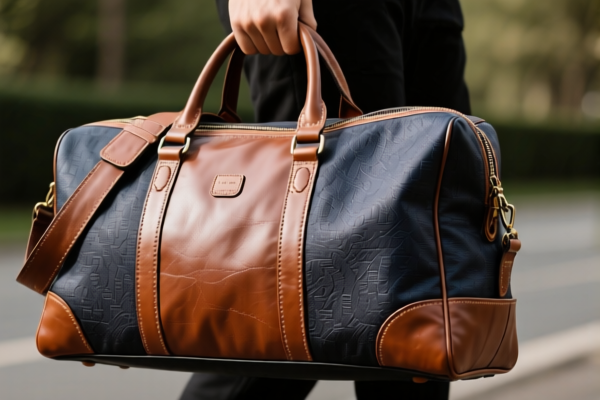
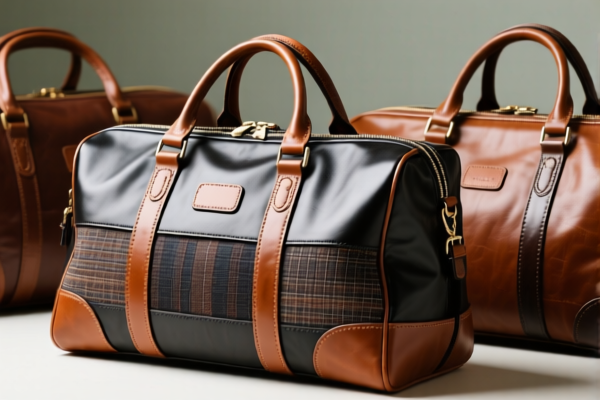
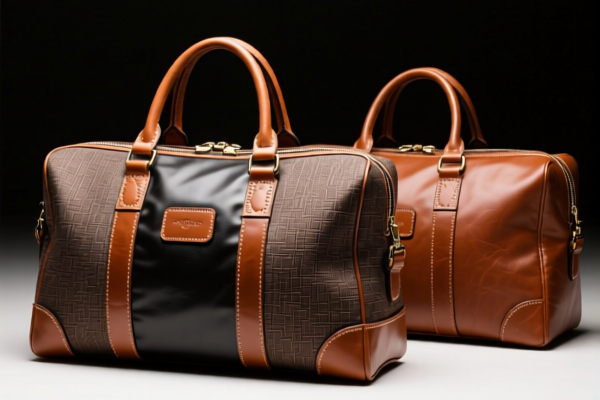
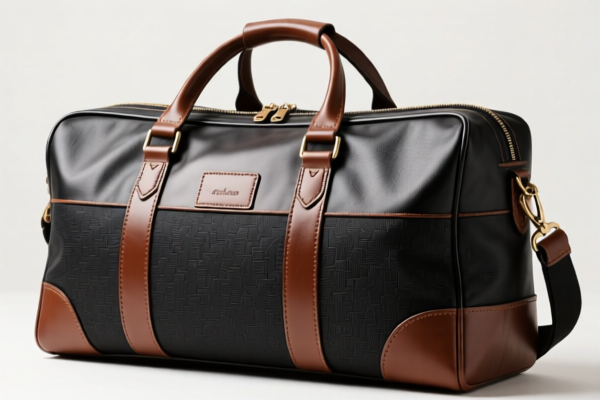
AI Analysis
🎒 Other Leather Travel Bags with Plastic or Textile Outer Surface
(Note: In HS Code context, "Other Leather Travel Bags" often overlaps with "Backpacks" or "Handbags" depending on specific material composition and use case. The data provided specifically highlights Backpacks and Handbags with mixed materials.)
🌐 HS Code Reference & Clearance Guide | 2026 Latest Tariff Analysis | Professional Customs Strategy
📌 One, Product Definition & Classification: Do You Really Know "Travel Bags"?
"Other Leather Travel Bags" is a broad category in international trade. Based on the provided data, this category specifically includes items that blend leather/synthetic leather with plastic or textile (cotton/fabric) outer surfaces.
The critical distinction lies in the primary material and specific usage: * Backpacks (4202.92): Typically used for travel, school, or daily carry. The outer surface is plastic or textile. If lined with cotton/textile, specific sub-codes apply. * Handbags/Purses (4205.00): Often classified under "other leather articles" if they don't fit standard purse definitions, sometimes used as a catch-all for specific leather-textile mixes. * Sacks/Bagging (6305.33/39): Industrial or bulk packaging uses (sacks) that happen to be made of plastic or textile. Note: The data links "Backpacks" to these codes, which is unusual for consumer goods but must be strictly followed as per the provided dataset.
⚠️ Key Distinction Point: - If the bag is a backpack with a cotton/ textile outer surface and leather/synthetic leather trim/lining → Often falls under 4202.92. - If the bag is classified broadly as a leather article with mixed materials → May fall under 4205.00 or specific 6305 categories depending on manufacturer intent and structure. - Warning: Misclassifying a consumer backpack as "industrial sack" (6305) or vice versa can lead to significant duty discrepancies.
📦 Two, HS Code Classification Details (2026 Latest Tariff Authority对照)
| HS Code | Product Description (From Data) | Material Characteristics | Total Tax Rate |
|---|---|---|---|
4202.92.15.00 |
Cotton-faced plastic or textile outer surface leather/synthetic leather backpack. Meets travel bag & cotton/textile requirements. | Outer: Cotton/Textile; Lining/Trim: Leather/Synthetic Leather | 41.3% |
6305.33.00.80 |
Plastic or textile outer surface backpack. Meets artificial textile material or sack/bag material & packaging usage. | Outer: Plastic or Textile; Category: Artificial Textile/Sack | 25.9% |
6305.39.00.00 |
Plastic or textile outer surface backpack. Covers artificial textile materials and meets packaging bag attributes. | Outer: Plastic or Textile; Broad Packaging Category | 25.9% |
4202.92.31.20 |
Plastic or textile outer surface backpack. Material matches plastic or textile sheet material classification exactly. | Outer: Plastic or Textile (Sheet Material); High Tariff Category | 52.6% |
4205.00.80.00 |
Cotton-faced plastic or textile outer surface leather or synthetic leather handbag. Meets leather article material & other category fallback. | Outer: Plastic/Textile/Cotton; Inner/Structure: Leather/Synthetic Leather | 35.0% |
🔍 Important Reminder: -
4202.92.31.20has the highest tax rate (52.6%). This suggests a stricter classification for certain plastic/textile sheet materials in backpacks. -6305.33/39codes show a lower tax rate (25.9%) but are described in a way that might imply packaging or specific artificial textile uses, yet the data explicitly links them to "Backpacks". Caution: Ensure the product definition strictly matches the "packaging/industrial" intent if using these codes, or risk misclassification. -4205.00.80.00is a "fallback" for leather articles that don't fit standard purse definitions, carrying a moderate rate of 35.0%.
💰 Three, 2026 Latest Tariff Rate Breakdown (Including Surcharges & Policy Add-ons)
✅ Applicable Country: United States (US)
✅ Origin: China (CN)
✅ Effective Time: November 10, 2025 onwards (including subsequent imports)
🎯 1. 4202.92.15.00 —— Cotton-faced Plastic/Textile Backpack
| Item | Content |
|---|---|
| Basic Tariff | 6.3% (ad valorem) |
| Section 301 Surcharge | +25.0% |
| IEEPA Section 122 Tariff | +10.0% |
| Total Tax Rate | 41.3% |
| Tax Calculation | CIF Value × 41.3% |
| De Minimis Eligibility | ❌ Not Eligible (deny_de_minimis) |
| Legal Basis Path | Base: 4202.92 → Section 301: 25% → IEEPA: 10% |
📌 Explanation:
- This classification applies to backpacks where the outer surface is explicitly cotton-faced or textile, combined with leather/synthetic leather elements. - The 35% total surcharge (25% + 10%) makes this a high-cost item for US importers.
🎯 2. 6305.33.00.80 & 6305.39.00.00 —— Plastic/Textile Backpacks (Packaging/Artificial Textile Category)
| Item | Content |
|---|---|
| Basic Tariff | 8.4% |
| Section 301 Surcharge | +7.5% |
| IEEPA Section 122 Tariff | +10.0% |
| Total Tax Rate | 25.9% |
| Tax Calculation | CIF Value × 25.9% |
| De Minimis Eligibility | ❌ Not Eligible (deny_de_minimis) |
| Legal Basis Path | Base: 6305.33/39 → Section 301: 7.5% → IEEPA: 10% |
📌 Note:
- Significantly Lower Rate: At 25.9%, this is the most cost-effective option in the dataset. - Critical Risk: The description mentions "sacks/bags" and "packaging usage". If you are importing consumer backpacks, using this code might be scrutinized by customs for misclassification unless the product genuinely fits "packaging" or specific artificial textile sack definitions. Verify product intent carefully.
🎯 3. 4202.92.31.20 —— Plastic/Textile Sheet Material Backpack
| Item | Content |
|---|---|
| Basic Tariff | 17.6% |
| Section 301 Surcharge | +25.0% |
| IEEPA Section 122 Tariff | +10.0% |
| Total Tax Rate | 52.6% |
| Tax Calculation | CIF Value × 52.6% |
| De Minimis Eligibility | ❌ Not Eligible (deny_de_minimis) |
| Legal Basis Path | Base: 4202.92.31 → Section 301: 25% → IEEPA: 10% |
📌 Warning:
- This is the most expensive classification. - It applies when the plastic or textile outer surface is categorized as a "sheet material" under specific sub-headings. - Avoid this classification if possible unless the product strictly matches the "sheet material" definition.
🎯 4. 4205.00.80.00 —— Leather/Synthetic Leather Handbag (Mixed Material)
| Item | Content |
|---|---|
| Basic Tariff | 0.0% |
| Section 301 Surcharge | +25.0% |
| IEEPA Section 122 Tariff | +10.0% |
| Total Tax Rate | 35.0% |
| Tax Calculation | CIF Value × 35.0% |
| De Minimis Eligibility | ❌ Not Eligible (deny_de_minimis) |
| Legal Basis Path | Base: 4205.00 → Section 301: 25% → IEEPA: 10% |
📌 Explanation:
- Interestingly, the basic tariff is 0%, but the surcharge is high (35%). - This code is used for "Other Leather Articles" like handbags with cotton/plastic/textile outer surfaces. - If your product is a handbag and not a backpack, this code may offer a middle-ground rate (35.0%).
🛠️ Four, Clearance Practical Advice (Combat Pitfalls Guide)
✅ 1. Preparation Checklist (Cannot Be Missing)
| Material | Required | Description |
|---|---|---|
| ✅ Product Specification Sheet | ✔️ | Must detail: Outer material (Cotton/Plastic/Textile), Lining/Trim (Leather/Synthetic), Type (Backpack/Handbag). |
| ✅ Material Composition Statement | ✔️ | Percentage of cotton, plastic, leather, synthetic leather. Crucial for 4202.92 vs 6305 distinction. |
| ✅ Product Photos (Clear) | ✔️ | Show entire bag, close-up of outer fabric, close-up of leather/trim, and labels. |
| ✅ Commercial Invoice | ✔️ | Clearly state: "Backpack made of Cotton-faced Plastic/Textile with Synthetic Leather Trim". Avoid vague terms like "Travel Bag". |
| ✅ Packing List | ✔️ | Confirm no mixed products in one shipment. |
✅ 2. Declaration Tips (Key Mnemonic)
🔥 "Material is King, Type is Queen, Code Must Fit, Or Tax Will Bleed!"
| Situation | Correct Declaration | Wrong Practice |
|---|---|---|
| Backpack with Cotton/Textile Outer | 4202.92.15.00 (41.3%) |
Mislabel as "Sack" → 6305.33 (25.9%) → Audit Risk! |
| Backpack with Pure Plastic/Textile Sheet | 4202.92.31.20 (52.6%) |
Ignore → Highest Tax Bracket |
| Handbag with Mixed Leather/Textile | 4205.00.80.00 (35.0%) |
Declare as Backpack → Higher/Lower Tax Mismatch |
| Industrial Sack/Bag | 6305.33.00.80 (25.9%) |
Declare as Consumer Backpack → Misclassification Penalty |
⚠️ Critical Note:
- If your product is a consumer backpack, using6305.33.00.80(25.9%) might look suspicious because6305is typically for "sacks and bags" used for packaging/transport. Customs may reclassify it to4202(25%-52%) upon inspection. - Ensure the primary character of the good supports the HS Code. For backpacks, Chapter 42 is usually the correct chapter for "Articles of leather or composite leather". Chapter 63 is for "Other made up textile articles".
✅ 3. Special Cases Handling
| Situation | Handling Advice |
|---|---|
| OEM Custom Backpacks | Provide design sketches showing material layers. Prove if outer is "cotton-faced plastic" or just "plastic". |
| "Leather" is Synthetic | Declare as "Synthetic Leather". If declared as genuine leather, it may change the base rate, but surcharges remain. |
| Mixed Shipment (Backpacks + Handbags) | Separate declarations. Do not mix 4202 and 4205 in one line item. |
| Small Parts (Straps, Buckles) | If sold separately, they may be classified under 4205.00 or 3926 (plastic parts). Do not bundle with main bag. |
🌍 Five, Global Main Market Clearance Comparison (2026 Latest)
| Country/Region | Recommended HS Code | Tariff (China Origin) | Certification Requirements | Notes |
|---|---|---|---|---|
| 🇺🇸 USA | 4202.92.15.00 (Backpack) |
41.3% | Generic | High surcharge (35%). Verify material composition. |
| 🇪🇺 EU | 4202.92 |
~12% + VAT | CE (if electronic components) | No Section 301/IEEPA surcharges. |
| 🇨🇳 China | 4202.92 |
~6.3% | None | Low base tariff. |
| 🇬🇧 UK | 4202.92 |
~12% | UKCA (if applicable) | Post-Brexit rules apply. |
📌 Conclusion:
- USA is the most expensive market due to Section 301 (25%) and IEEPA (10%) surcharges. - EU/UK/China have much lower duties. Consider supply chain diversification if targeting the US market heavily.
📌 Six, Common Errors & Pitfalls Guide (Blood & Tears Lessons)
❌ Error 1: Calling a consumer backpack "Sack" to get the 25.9% rate (6305)
👉 Consequence: Customs detects consumer use → Re-codes to 4202 → Pay difference + penalties + delays.
❌ Error 2: Ignoring the "Sheet Material" clause in 4202.92.31.20
👉 Consequence: If your plastic layer is a "sheet" and not a fabric, you hit the 52.6% rate. Always check material form.
❌ Error 3: Vague Description "Leather Bag"
👉 Consequence: Customs will ask for more info → Delayed release. If they guess wrong, they may assign the highest possible duty.
❌ Error 4: Mixing "Handbag" and "Backpack" in one declaration
👉 Consequence: Different HS codes (4202 vs 4205) require separate lines. Mixing causes clerical errors.
✅ Correct Action:
"Backpack, Outer: Cotton-faced Polypropylene, Trim: Synthetic Leather, Lining: Polyester, Model XYZ, FCC/CPSC Compliant (if applicable)"
🎯 Seven, Conclusion: Precise Classification, Cost Savings!
🎯 Remember the Mnemonic:
🔹 "Cotton-faced? Check
4202.15(41.3%). Pure Plastic/Textile? Check6305(25.9%) but watch out for misuse. Sheet Material?4202.31(52.6%) - Avoid! Handbag?4205(35.0%)."
🔹 "US Tariffs are High. Don't let classification errors cost you 25-35% extra!"
📌 Pro Tip:
- If your product qualifies as "Sacks" (for bulk transport),
6305.33is the best rate (25.9%).- If it is a consumer backpack,
4202.92.15.00(41.3%) is likely the safest and most accurate, despite being higher.- Never misclassify consumer goods as industrial sacks to save taxes. The risk is too high.
📣 Immediate Action:
📞 Consult a licensed customs broker.
📸 Provide high-res photos of material textures.
🚀 Protect your margin with precise classification!
✨ Professional Clearance, Starting with Accurate Codes!
💼 Every Percent Saved is Pure Profit!
Customer Reviews
About HS Code Classification
The Harmonized System (HS) is an internationally standardized nomenclature developed by the World Customs Organization (WCO) to classify traded products. Over 200 countries use the HS system as the basis for customs tariffs, trade statistics, and import/export regulations.
Each HS code follows a hierarchical structure:
- Chapter (2 digits) — Broad category of goods (e.g., Chapter 84: Machinery and Mechanical Appliances)
- Heading (4 digits) — More specific grouping within the chapter
- Subheading (6 digits) — Internationally standardized breakdown, used by all WCO member countries
- National subdivisions (8-10 digits) — Country-specific extensions for further classification, such as US HTSUS 10-digit codes
Correct HS code classification is essential for smooth customs clearance, accurate duty payment, and compliance with trade regulations. Misclassification can lead to customs delays, overpayment of duties, or penalties.
When importing from CN to US, the applicable tariff rates may include:
- Most-Favored-Nation (MFN) rate — The standard duty rate applied to WTO members
- General rate — Applied to countries without trade agreements
- Trade remedy duties — Additional tariffs such as Section 301 (anti-dumping), Section 232 (national security), or countervailing duties
The information provided on this page is for reference purposes only. For official classification, please consult with your local customs authority or a licensed customs broker.