Other Material Handbag
CN → US| HS Code | Tariff Rate | Origin | Destination | Doc |
|---|---|---|---|---|
| 3926903300 | 16.5% | CN | US | Official Doc |
| 4202929700 | 52.6% | CN | US | Official Doc |
| 6305900000 | 23.7% | CN | US | Official Doc |
| 4202999000 | 55.0% | CN | US | Official Doc |
| 6305390000 | 25.9% | CN | US | Official Doc |
Product Images
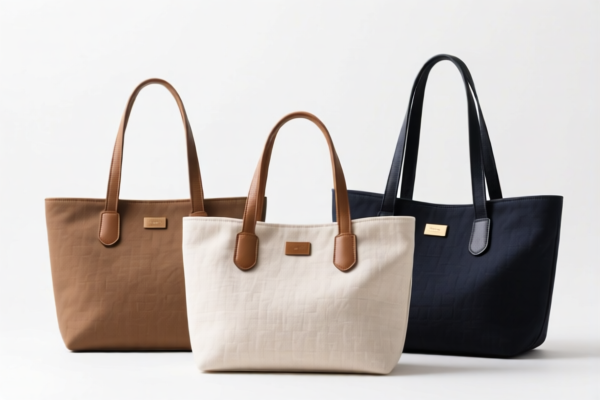
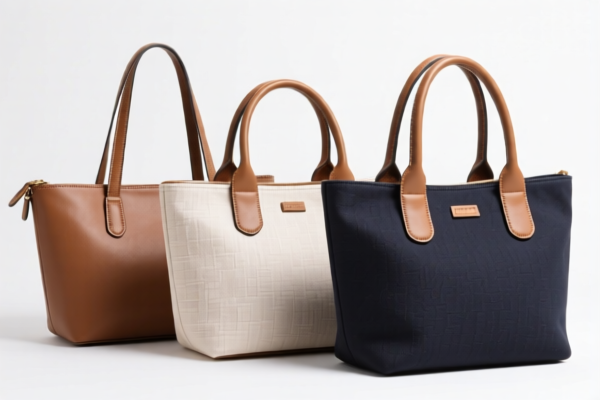
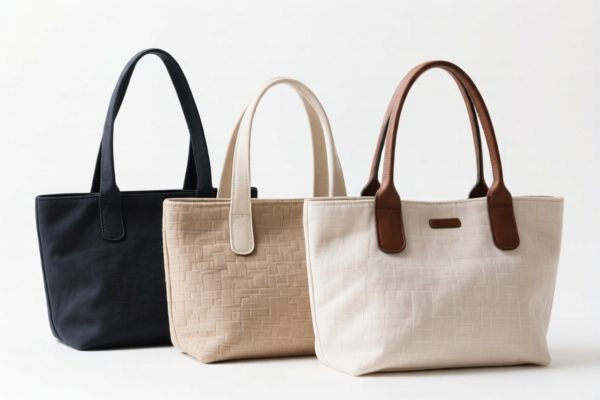
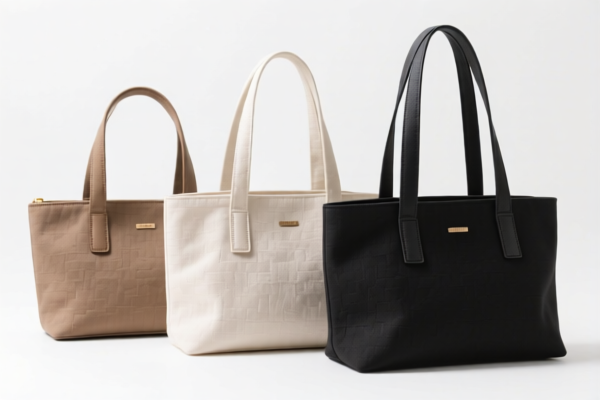
AI Analysis
🧳 "Other Material Handbag" – HS Code Classification & US Customs Clearance Guide (2026)
🌐 HS Code Reference & Customs Clearance Guide | 2026 Latest Tariff Analysis | Professional Clearance Strategy
📌 1. Product Definition & Classification: What is an "Other Material Handbag"?
In international trade, "Other Material Handbags" is a catch-all category for bags, purses, and similar containers that do not fit into the primary material categories (like leather, plastic, or textile) or specific functional uses (like backpacks or briefcases). They are typically classified under Chapter 42 (Articles of Leather) or Chapter 63 (Other Made-up Textile Articles), depending on the material composition and intended use.
⚠️ Key Distinction Point:
- If the bag is predominantly plastic (e.g., PVC tote, vinyl pouch) → It may fall under HS 3926.
- If the bag is predominantly textile (e.g., canvas, nylon, cotton blend) → It may fall under HS 6305.
- If the material is unclear or mixed (leather, plastic, textile) → It falls under HS 4202/4209 (the "fallback" category for other materials).
📦 2. HS Code Classification Details (2026 Latest Tariff Authority Comparison)
| HS Code | Product Description | Applicable Scenario | Primary Material Inference |
|---|---|---|---|
3926.90.33.00 |
Other articles of plastics and articles of other materials of heading 3901 to 3914 | Plastic bags, pouches, or vinyl totes that do not fit specific plastic headings | ✅ Plastic inferred |
4202.92.97.00 |
Articles of apparel and clothing accessories, including those of all kinds, not elsewhere specified or included | Fallback category; fits "other containers" shape; material may be plastic, textile, or mixed | ⚠️ Fallback: Plastic/Textile |
6305.90.00.00 |
Sacks and bags, of textile materials, other than those of heading 6301 to 6304 | Matches "other textile material bags/pouches"; defaults to textile material | ✅ Textile inferred |
4202.99.90.00 |
Articles of apparel and clothing accessories, including those of all kinds, not elsewhere specified or included | Fallback category; consistent use; material may be leather, plastic, or textile | ⚠️ Fallback: Leather/Plastic/Textile |
6305.39.00.00 |
Sacks and bags, of man-made fibers, other than those of heading 6301 to 6304 | Matches packaging use; inferred as non-hemp man-made textile material | ✅ Textile (Man-made) inferred |
🔍 Critical Reminder:
- Plastic bags that are not specifically covered under other plastic headings (e.g., shopping bags, vinyl clutches) often fall under 3926.90.33.00.
- Textile bags (e.g., reusable shopping bags, cosmetic pouches, canvas totes) typically fall under 6305.90.00.00 or 6305.39.00.00.
- Mixed-material or ambiguous bags (e.g., leather trim + plastic body + textile lining) default to the Chapter 42 fallback codes: 4202.92.97.00 or 4202.99.90.00.
💰 3. 2026 Latest Tariff Rate Breakdown (Including Surtaxes & Policy Add-ons)
✅ Applicable Country: United States (US)
✅ Origin: China (CN)
✅ Effective Date: From November 10, 2025 (including subsequent imports)
🎯 1. 3926.90.33.00 – Plastic Articles (Other)
| Item | Content |
|---|---|
| Base Tariff | 6.5% |
| Section 301 Surtax | 0.0% |
| Section 122 Tariff | 10.0% |
| Total Tariff Rate | 16.5% |
| Tariff Calculation | CIF Value × 16.5% |
| De Minimis Eligible? | ❌ No (subject to Section 122) |
| Legal Basis Path | Section 122 → USITC:3926.90.33.00 |
📌 Explanation:
- Section 122 Tariff (10%) applies to certain plastic articles imported under specific conditions.
- No Section 301 surcharge applies here, making this the lowest tax option among the five HS codes.
🎯 2. 4202.92.97.00 – Fallback Category (Other Materials)
| Item | Content |
|---|---|
| Base Tariff | 17.6% |
| Section 301 Surtax | 25.0% |
| Section 122 Tariff | 10.0% |
| Total Tariff Rate | 52.6% |
| Tariff Calculation | CIF Value × 52.6% |
| De Minimis Eligible? | ❌ No (subject to Section 301 & 122) |
| Legal Basis Path | Section 301 → Section 122 → USITC:4202.92.97.00 |
📌 Warning:
- This is a high-tax fallback category.
- Both Section 301 (25%) and Section 122 (10%) apply, resulting in a total of 52.6%.
- Only use if the material is truly ambiguous and cannot be classified under plastic or textile.
🎯 3. 6305.90.00.00 – Textile Sacks and Bags (Other)
| Item | Content |
|---|---|
| Base Tariff | 6.2% |
| Section 301 Surtax | 7.5% |
| Section 122 Tariff | 10.0% |
| Total Tariff Rate | 23.7% |
| Tariff Calculation | CIF Value × 23.7% |
| De Minimis Eligible? | ❌ No (subject to Section 122) |
| Legal Basis Path | Section 301 → Section 122 → USITC:6305.90.00.00 |
📌 Note:
- Section 301 surcharge is only 7.5% for certain textile articles.
- Section 122 (10%) applies.
- Total 23.7% is significantly lower than the fallback category (52.6%).
🎯 4. 4202.99.90.00 – Fallback Category (Other Materials)
| Item | Content |
|---|---|
| Base Tariff | 20.0% |
| Section 301 Surtax | 25.0% |
| Section 122 Tariff | 10.0% |
| Total Tariff Rate | 55.0% |
| Tariff Calculation | CIF Value × 55.0% |
| De Minimis Eligible? | ❌ No (subject to Section 301 & 122) |
| Legal Basis Path | Section 301 → Section 122 → USITC:4202.99.90.00 |
📌 Warning:
- This is the highest tax category (55.0%).
- Avoid using this unless absolutely necessary due to material ambiguity.
🎯 5. 6305.39.00.00 – Textile Sacks and Bags (Man-Made Fibers)
| Item | Content |
|---|---|
| Base Tariff | 8.4% |
| Section 301 Surtax | 7.5% |
| Section 122 Tariff | 10.0% |
| Total Tariff Rate | 25.9% |
| Tariff Calculation | CIF Value × 25.9% |
| De Minimis Eligible? | ❌ No (subject to Section 122) |
| Legal Basis Path | Section 301 → Section 122 → USITC:6305.39.00.00 |
📌 Note:
- Similar to6305.90.00.00, but specific to man-made fibers (e.g., polyester, nylon).
- Total 25.9% is slightly higher than6305.90.00.00(23.7%) due to a higher base tariff (8.4% vs. 6.2%).
🛠️ 4. Customs Clearance Practical Advice (Field Avoidance Guide)
✅ 1. Document Checklist (All Required)
| Document | Required | Description |
|---|---|---|
| ✅ Product Spec Sheet | ✔️ | Material composition, dimensions, closure type, lining |
| ✅ Material Composition Proof | ✔️ | % by weight of each material (plastic, textile, leather) |
| ✅ Product Photos (Including Label) | ✔️ | Clear view of brand, model, material tags, closure |
| ✅ Third-Party Test Report | ✔️ | ASTM, ISO, or relevant safety standards |
| ✅ Commercial Invoice | ✔️ | Clearly state "Other Material Handbag" with material details |
| ✅ Packing List | ✔️ | Detail contents to avoid misclassification |
✅ 2. Declaration Tips (Key Mnemonic)
🔥 "Material Defines Code, Fallback Costs More!"
| Scenario | Correct Declaration | Wrong Practice |
|---|---|---|
| Plastic Bag (e.g., PVC clutch) | 3926.90.33.00 (16.5%) |
Misdeclare as textile → 23.7% |
| Textile Bag (e.g., canvas tote) | 6305.90.00.00 (23.7%) |
Misdeclare as fallback → 52.6% |
| Mixed/Ambiguous Bag | 4202.92.97.00 or 4202.99.90.00 (52.6%+) |
Avoid this unless necessary |
| Man-Made Fiber Bag | 6305.39.00.00 (25.9%) |
Over-declare as generic textile → 23.7% |
✅ 3. Special Cases Handling
| Scenario | Handling Advice |
|---|---|
| OEM Custom Bags | Provide client order + design specs to justify material classification |
| Bags with Multiple Materials | Declare based on predominant material by weight; if mixed, use fallback codes |
| Bags for Commercial Use | If used for packaging (e.g., retail display bags), consider 6305 series |
| Bags for Personal Use | If fashion accessory, consider 4202 series if material is ambiguous |
🌍 5. Global Market Comparison (2026 Latest)
| Country/Region | Recommended HS Code | Tariff | Certification | Notes |
|---|---|---|---|---|
| 🇺🇸 USA | 3926.90.33.00 (Plastic) |
16.5% | None | Lowest tax for plastic bags |
| 🇺🇸 USA | 6305.90.00.00 (Textile) |
23.7% | None | Lower tax than fallback |
| 🇺🇸 USA | 4202.92.97.00 (Fallback) |
52.6% | None | Avoid if possible |
| 🇨🇳 China | 4202.92.97.00 |
10% | None | Lower base tariff |
| 🇪🇺 EU | 4202.92.97.00 |
4% | CE (if applicable) | No surtaxes |
| 🇯🇵 Japan | 4202.92.97.00 |
8% | None | Moderate tariff |
📌 Conclusion:
- USA imposes high surtaxes (Section 301 & 122) on Chinese-origin bags.
- Plastic bags (3926.90.33.00) have the lowest US tariff (16.5%).
- Fallback categories (4202.92.97.00/4202.99.90.00) are the most expensive (52.6%–55.0%).
- Textile bags (6305.90.00.00) offer a middle-ground option (23.7%).
📌 6. Common Mistakes & Avoidance Guide (Lessons Learned)
❌ Mistake 1: Declaring a plastic bag as textile
👉 Consequence: Tariff jumps from 16.5% to 23.7% → Extra cost!
❌ Mistake 2: Using fallback codes (4202.92.97.00) when material is clear
👉 Consequence: Tariff jumps from 23.7% to 52.6% → Double tax!
❌ Mistake 3: Not providing material composition proof
👉 Consequence: Customs cannot determine classification → Delay or return!
❌ Mistake 4: Using generic terms like "Bag" without material specification
👉 Consequence: Misclassification → Penalties and back taxes!
✅ Correct Practice:
"PVC Plastic Handbag, Waterproof, Zipper Closure, 100% PVC, Model ABC, No Textile Components"
🎯 7. Conclusion: Precise Classification Saves Money!
🎯 Remember the Mnemonic:
🔹 "Plastic 16.5%, Textile 23.7%, Fallback 52.6%+!"
🔹 "HS Code decides your cost; misclassification costs double!"
📌 Pro Tip:
- If your handbag is made in Vietnam, Mexico, or Thailand, you may qualify for IEEPA Exemptions or lower Section 301 rates.
- Apply for a Binding Ruling (Advance Ruling) from U.S. Customs (CBP) to secure the correct HS Code and tariff rate before shipment.
📣 Take Action Now:
📞 Contact a licensed customs broker + Provide material specs + Apply for CBP Ruling
🚀 Clear customs smoothly, reduce costs, and boost profits!
✨ Professional clearance starts with accurate classification!
💼 Every dollar saved is a dollar earned!
Customer Reviews
About HS Code Classification
The Harmonized System (HS) is an internationally standardized nomenclature developed by the World Customs Organization (WCO) to classify traded products. Over 200 countries use the HS system as the basis for customs tariffs, trade statistics, and import/export regulations.
Each HS code follows a hierarchical structure:
- Chapter (2 digits) — Broad category of goods (e.g., Chapter 84: Machinery and Mechanical Appliances)
- Heading (4 digits) — More specific grouping within the chapter
- Subheading (6 digits) — Internationally standardized breakdown, used by all WCO member countries
- National subdivisions (8-10 digits) — Country-specific extensions for further classification, such as US HTSUS 10-digit codes
Correct HS code classification is essential for smooth customs clearance, accurate duty payment, and compliance with trade regulations. Misclassification can lead to customs delays, overpayment of duties, or penalties.
When importing from CN to US, the applicable tariff rates may include:
- Most-Favored-Nation (MFN) rate — The standard duty rate applied to WTO members
- General rate — Applied to countries without trade agreements
- Trade remedy duties — Additional tariffs such as Section 301 (anti-dumping), Section 232 (national security), or countervailing duties
The information provided on this page is for reference purposes only. For official classification, please consult with your local customs authority or a licensed customs broker.