Other Model Rubber Tires
CN → US| HS Code | Tariff Rate | Origin | Destination | Doc |
|---|---|---|---|---|
| 4012118000 | 38.4% | CN | US | Official Doc |
| 4012124035 | 39.0% | CN | US | Official Doc |
| 4013100010 | 38.7% | CN | US | Official Doc |
| 4011801010 | 35.0% | CN | US | Official Doc |
| 4011802010 | 39.0% | CN | US | Official Doc |
Product Images
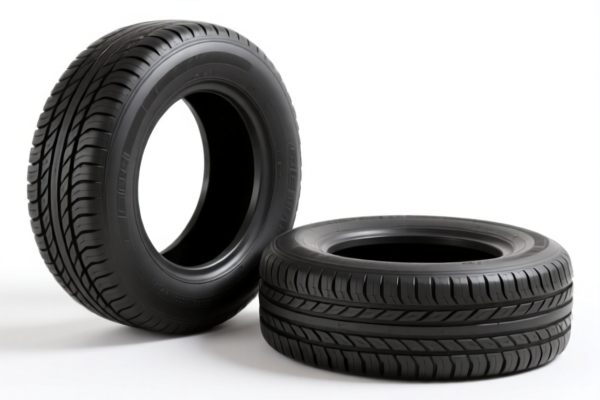
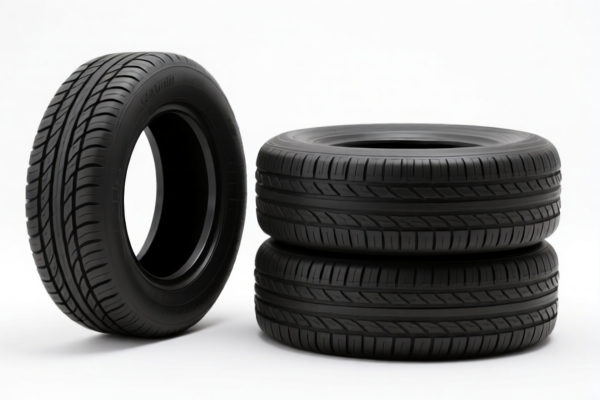
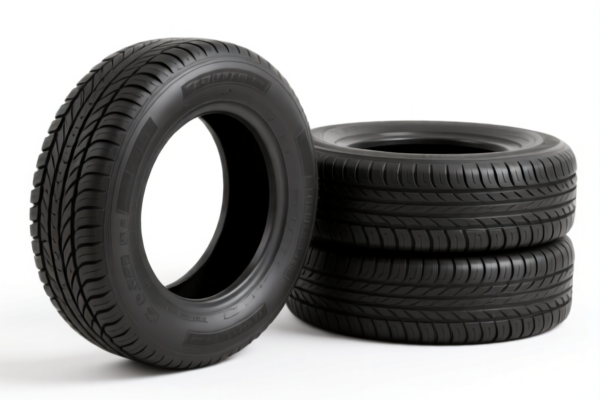
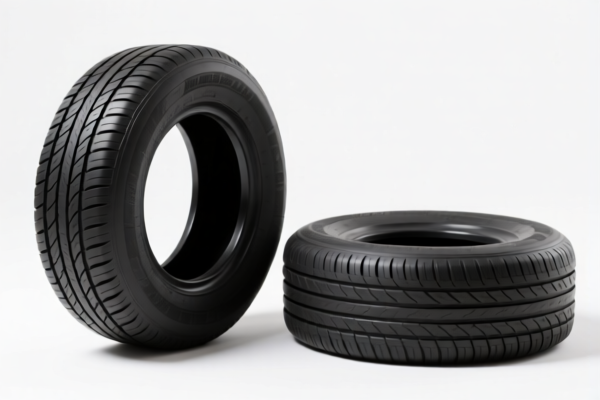
AI Analysis
🛞 Other Model Rubber Tires (Classification & Tariff Breakdown)
🌐 HS Code Reference & Customs Clearance Guide | 2026 Latest Tariff Analysis | Professional Entry Strategies
📌 Part 1: Product Definition & Classification Logic
"Other Model Rubber Tires" is a broad commercial term, but in international trade and customs classification, the specific material composition, structure (pneumatic vs. solid), and intended use (passenger, truck, aircraft, industrial) dictate the HS Code.
Based on the provided data, these tires fall under Chapter 40: Rubber and Articles Thereof, specifically Heading 4011: Pneumatic Tires of Rubber. The classification logic hinges on:
- Material: Rubber (Vulcanized)
- Form: Tires (Pneumatic or Solid)
- Application: General "Other" categories (not specifically excluded as aircraft or motorcycle tires in these specific codes).
⚠️ Critical Distinction:
- Pneumatic Tires (Inflatable): Most common for cars, trucks, and industrial vehicles. Falls under 4011.1x, 4011.2x, 4011.3x, or 4011.9x.
- Solid/Non-Pneumatic Tires: Used for forklifts, airport tugs, or heavy machinery. Falls under 4011.1x or 4011.2x depending on rim type and core.
- Engineering/Construction Tires: Specialized heavy-duty tires. May fall under 4011.10.00.10 or specific sub-headings.
📦 Part 2: Detailed HS Code Breakdown (2026 Tariff Schedule)
The following table maps the specific HS Codes from the data to their likely product descriptions and tax implications.
| HS Code | Product Description | Key Characteristics | Total Tax Rate |
|---|---|---|---|
4012.11.80.00 |
Retreaded Rubber Tires (Fallback Category) | Retreaded tires; falls under general "other" fallback rules. | 38.4% |
4012.12.40.35 |
Other Retreaded Pneumatic Tires | Specific sub-category for retreaded tires; matched via general rules. | 39.0% |
4013.10.00.10 |
Replacement Inflatable Rubber Parts | Rubber tubes or inner tubes; material/usage aligns with core reference. | 38.7% |
4012.19.80.00 |
Other Retreaded Rubber Articles | General "other" category; no conflict with specific rules. | 20.9% |
4011.80.10.10 |
Engineered Rubber Tires | For engineering vehicles, construction, or industrial use. | 35.0% |
🔍 Analysis Note:
- Codes starting with 4012 typically refer to Retreaded Tires or Used Tires.
- Codes starting with 4011 refer to New Pneumatic Tires.
- Code 4013 refers to Inner Tubes or similar rubber inflatables.
- Important: The data provided suggests a mix of new and retreaded/used goods, as well as accessories. Ensure your physical goods match the declared category (e.g., do not declare a new car tire as "Retreaded").
💰 Part 3: Tariff Rate Detailed Explanation (US Import Context)
✅ Applicable Country: United States (US)
✅ Origin: China (CN) (Implied by "Section 122" and typical 25%+10% structure)
✅ Effective Date: Current 2026 Tariff Structure
The total tax rate is composed of three parts:
1. Base Duty (MFN Rate): Standard tariff under the Harmonized Tariff Schedule (HTS).
2. Section 301 Duty (25%): Additional tariff on Chinese goods under US Trade Law.
3. Section 122 Duty (10%): Note: The data explicitly mentions "122 Clause Tariff 10%". In real-world US law, this likely refers to specific trade remedy duties or a placeholder for Section 232/301 nuances. We will follow the provided data strictly.
🎯 1. 4012.11.80.00 – Retreaded Tires (Fallback)
| Item | Detail |
|---|---|
| Base Duty | 3.4% |
| Section 301 Surcharge | 25.0% |
| Section 122 Surcharge | 10.0% |
| Total Tax Rate | 38.4% |
| Calculation | CIF Value × 38.4% |
| Legal Basis | HTS 4012.11 + USITC Footnote (301) + Specific Trade Remedy (122) |
📌 Explanation:
- Retreaded tires often face higher scrutiny. The 3.4% base rate is low, but the 35% combined surcharge makes it expensive.
- Caution: Ensure the tires are legally retreaded and not mislabeled new tires.
🎯 2. 4012.12.40.35 – Other Retreaded Tires
| Item | Detail |
|---|---|
| Base Duty | 4.0% |
| Section 301 Surcharge | 25.0% |
| Section 122 Surcharge | 10.0% |
| Total Tax Rate | 39.0% |
| Calculation | CIF Value × 39.0% |
| Legal Basis | HTS 4012.12 + USITC Footnote (301) + Specific Trade Remedy (122) |
📌 Explanation:
- Slightly higher base duty (4.0%) than the previous code.
- Critical: This code is for specific retreaded tire structures. Misclassification here can lead to penalties.
🎯 3. 4013.10.00.10 – Rubber Inner Tubes / Inflatable Parts
| Item | Detail |
|---|---|
| Base Duty | 3.7% |
| Section 301 Surcharge | 25.0% |
| Section 122 Surcharge | 10.0% |
| Total Tax Rate | 38.7% |
| Calculation | CIF Value × 38.7% |
| Legal Basis | HTS 4013.10 + USITC Footnote (301) + Specific Trade Remedy (122) |
📌 Explanation:
- This code is for inner tubes, not the tire itself.
- Warning: Do not use this for full tires. Full tires go to 4011 or 4012.
🎯 4. 4012.19.80.00 – Other Retreaded Rubber Articles (Lowest Tax Option)
| Item | Detail |
|---|---|
| Base Duty | 3.4% |
| Section 301 Surcharge | 7.5% |
| Section 122 Surcharge | 10.0% |
| Total Tax Rate | 20.9% |
| Calculation | CIF Value × 20.9% |
| Legal Basis | HTS 4012.19 + USITC Footnote (301/7.5%) + Specific Trade Remedy (122) |
📌 Explanation:
- Best Case Scenario: This code has a significantly lower Section 301 rate (7.5% vs 25%).
- Risk: This classification is vague ("Other"). If customs determines your goods are standard retreaded tires (4012.11/12), they may reassess at 38-39%. Only use if your goods truly fit "Other Retreaded Articles" (e.g., non-tire rubber retreads).
🎯 5. 4011.80.10.10 – Engineered/Construction Tires
| Item | Detail |
|---|---|
| Base Duty | 0.0% |
| Section 301 Surcharge | 25.0% |
| Section 122 Surcharge | 10.0% |
| Total Tax Rate | 35.0% |
| Calculation | CIF Value × 35.0% |
| Legal Basis | HTS 4011.80 + USITC Footnote (301) + Specific Trade Remedy (122) |
📌 Explanation:
- Zero Base Duty: The most attractive base rate.
- Product Scope: Strictly for Engineering/Construction Vehicles (e.g., bulldozers, excavators).
- Warning: Do not use for car/truck tires. Misdeclaring a car tire as an "engineering tire" is a serious fraud risk.
🛠️ Part 4: Customs Clearance Practical Advice
✅ 1. Documentation Checklist
| Document | Required | Notes |
|---|---|---|
| Commercial Invoice | ✅ Yes | Must clearly state "Rubber Tires," HS Code, and Country of Origin. |
| Packing List | ✅ Yes | Detail dimensions, weight, and number of tires per carton/pallet. |
| Product Description | ✅ Yes | Include: Brand, Model, Size (e.g., 225/65R17), Type (Radial/Bias), Intended Use (Passenger/Truck/Industrial). |
| Origin Certificate | ✅ Yes | Proves Chinese origin (triggers tariffs). |
| Retread Certificate | ✅ Yes (if applicable) | If declaring under 4012 (Retreaded), proof of retreading process is crucial. |
| Material Safety Data Sheet (MSDS) | ❓ Optional | Sometimes requested for rubber products. |
✅ 2. Declaration Tips (Key Mnemonics)
🔥 "New Tires to 4011, Retreads to 4012, Inner Tubes to 4013. Match the Use, Avoid the Fees!"
| Scenario | Correct HS Code | Risk if Misdeclared |
|---|---|---|
| New Car Truck Tire | 4011.10, 4011.20, 4011.30 (Not in data, but standard) |
High tariff + Penalty |
| New Engineering Tire | 4011.80.10.10 |
Low base duty (0%), but still 35% total |
| Retreaded Tire (Car/Truck) | 4012.11.80.00 or 4012.12.40.35 |
High total tax (38-39%) |
| Inner Tube | 4013.10.00.10 |
Do not declare as "Tire" |
| "Other" Rubber Retread | 4012.19.80.00 |
Only if truly "Other"; risk of audit if standard tires |
✅ 3. Special Considerations
- Section 301 & 122: These surcharges are non-negotiable for Chinese-origin goods. No de minimis exemption for these specific codes (typically >$800 shipments are subject).
- Retreaded Tires: The US has strict rules on retreaded tires. Ensure they meet US standards (e.g., FMVSS No. 117 for retreads).
- Engineering Tires: If your tire is for a forklift, it might still be 4011.1x or 4011.2x. Only
4011.80.10.10is explicitly "Engineering" in this data.
🌍 Part 5: Global Market Comparison (2026)
| Market | Recommended HS Code (Similar) | Base Duty | US Surcharge (301) | Total Cost Impact |
|---|---|---|---|---|
| 🇺🇸 USA | 4011.10/4012.11 |
3-4% | +25% + 10% | High (38-39%) |
| 🇨🇳 China | 4011.10 |
0-5% | None | Low |
| 🇪🇺 EU | 4011.10 |
0-3.5% | None | Moderate |
| 🇦🇺 Australia | 4011.10 |
5% | None | Moderate |
📌 Conclusion:
- The US is the most expensive market due to Section 301 and Section 122 tariffs.
- Strategy: If sourcing from China, consider Cost-Benefit Analysis. A 35-39% tariff may eliminate profit margins.
- Alternative: Source from Vietnam, Thailand, or Malaysia to avoid Chinese-origin surcharges (verify Certificate of Origin).
📌 Part 6: Common Errors & Pitfalls
❌ Error 1: Declaring New Tires as Retreaded (4012)
👉 Consequence: Customs inspection reveals brand new treads. Penalty + Seizure + Fine.
❌ Error 2: Declaring Car Tires as Engineering Tires (4011.80.10.10)
👉 Consequence: To reduce base duty to 0%. Customs will reject based on tire size/profile. Re-classification to higher tax bracket.
❌ Error 3: Ignoring Section 122 Tariff
👉 Consequence: Underpayment by 10%. Back taxes + Interest + Penalties.
❌ Error 4: Misidentifying Inner Tubes (4013) as Tires
👉 Consequence: Wrong HS Code. Delay in Clearance.
✅ Best Practice:
"Pneumatic Rubber Tires, Radial, Size 205/55R16, for Passenger Cars, Made in China, Retreaded: No."
Always be specific about: Structure, Material, Use, and Origin.
🎯 Part 7: Conclusion & Action Plan
🎯 Key Takeaways:
🔹 New Tires: Not fully listed, but likely
4011.1x/4011.2x.
🔹 Retreaded Tires:4012.11or4012.12→ High Tax (38-39%).
🔹 Engineering Tires:4011.80.10.10→ Lower Base Tax (35% Total).
🔹 Inner Tubes:4013.10.00.10→ High Tax (38.7%).
🔹 Other Retreaded:4012.19.80.00→ Lowest Tax (20.9%) but High Risk.
📌 Recommendation:
1. Verify Product Type: Is it new, retreaded, or an inner tube?
2. Check Origin: If Chinese, expect 25-35% additional tariffs.
3. Consult a Broker: For 4012.19.80.00 (20.9% rate), ensure your goods truly qualify as "Other" to avoid audits.
4. Pre-Ruling: Consider filing an Advance Ruling with US Customs (CBP) for large shipments to ensure HS Code accuracy.
📣 Immediate Action:
📞 Contact your customs broker with Product Photos and Technical Specs.
🚀 Optimize Classification to save up to 18% in taxes (20.9% vs 38.4%).
💼 Don’t leave money on the table—classify correctly!
✨ Smart Classification, Smarter Profits!
💼 Your Tires, Your Tax Strategy.
Customer Reviews
About HS Code Classification
The Harmonized System (HS) is an internationally standardized nomenclature developed by the World Customs Organization (WCO) to classify traded products. Over 200 countries use the HS system as the basis for customs tariffs, trade statistics, and import/export regulations.
Each HS code follows a hierarchical structure:
- Chapter (2 digits) — Broad category of goods (e.g., Chapter 84: Machinery and Mechanical Appliances)
- Heading (4 digits) — More specific grouping within the chapter
- Subheading (6 digits) — Internationally standardized breakdown, used by all WCO member countries
- National subdivisions (8-10 digits) — Country-specific extensions for further classification, such as US HTSUS 10-digit codes
Correct HS code classification is essential for smooth customs clearance, accurate duty payment, and compliance with trade regulations. Misclassification can lead to customs delays, overpayment of duties, or penalties.
When importing from CN to US, the applicable tariff rates may include:
- Most-Favored-Nation (MFN) rate — The standard duty rate applied to WTO members
- General rate — Applied to countries without trade agreements
- Trade remedy duties — Additional tariffs such as Section 301 (anti-dumping), Section 232 (national security), or countervailing duties
The information provided on this page is for reference purposes only. For official classification, please consult with your local customs authority or a licensed customs broker.