Other New Energy Vehicle Rubber Used Tires
CN → US| HS Code | Tariff Rate | Origin | Destination | Doc |
|---|---|---|---|---|
| 4012208000 | 35.0% | CN | US | Official Doc |
| 4011101010 | 39.0% | CN | US | Official Doc |
| 4011105000 | 38.4% | CN | US | Official Doc |
| 4012206000 | 35.0% | CN | US | Official Doc |
| 4011101070 | 39.0% | CN | US | Official Doc |
Product Images
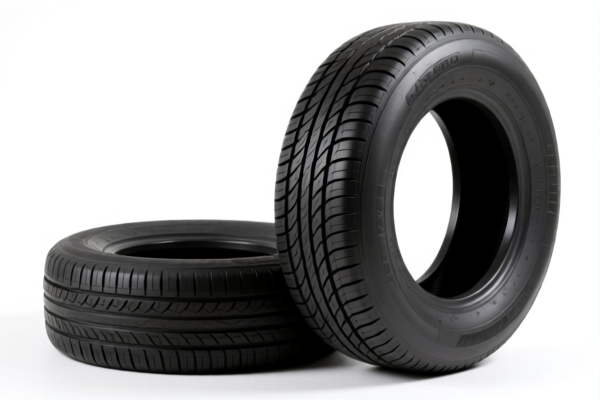
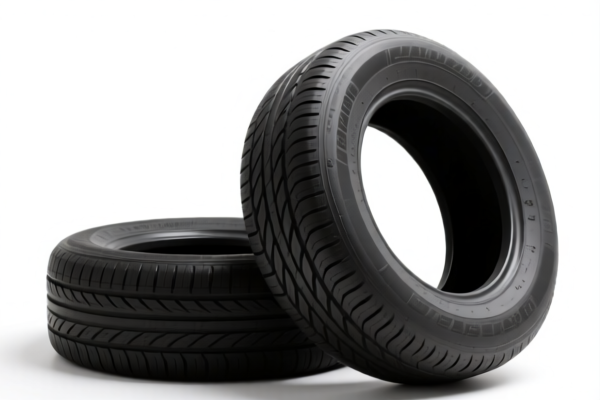
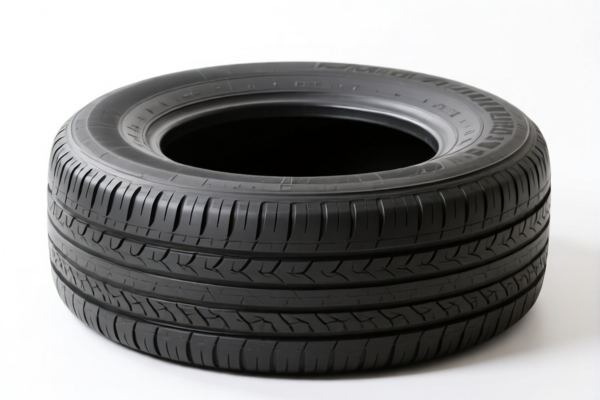
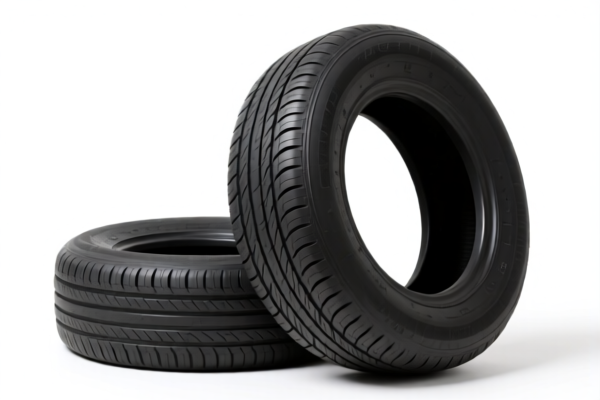
AI Analysis
🚗🔋 Other New Energy Vehicle Rubber Used Tires (Used EV Tires)
🌐 HS Code Reference & Customs Clearance Guide | 2026 Latest Tariff Analysis | Professional Compliance Strategy
📌 I. Product Definition & Classification: What Are "Used EV Tires"?
Used New Energy Vehicle (NEV) Rubber Tires are previously used pneumatic tires, specifically designed for or fitted to electric vehicles. Due to the higher weight and torque characteristics of EVs, these tires often have specialized construction (e.g., reinforced sidewalls, low rolling resistance compounds).
In international trade (specifically under the US HTSUS), used tires are classified differently than new ones. They generally fall under Chapter 40, Section 40.12 (Retreaded or Used Pneumatic Tires) or 40.11 (New Pneumatic Tires, with specific subheadings sometimes used for classification logic based on vehicle type if not explicitly "used" in the primary heading, though used usually dictates 4012).
⚠️ Critical Distinction:
- Used vs. Retreaded: "Used" implies the tire has been worn but not re-cased. "Retreaded" involves a new tread on a used casing. This guide focuses on Used tires.
- EV Specifics: While "EV Tires" is a marketing term, customs classification relies on the vehicle category (Passenger vs. Other) and the structure (Radial vs. Non-Radial), plus the status (Used).
📦 II. HS Code Classification Details (2026 Latest Tariff对照)
Based on the provided data, the following HS Codes apply to Used Natural Rubber Electric Vehicle Tires. The variation in codes reflects different logical groupings (e.g., "Old Pneumatic" vs. "Passenger Car" classification logic).
| HS Code | Product Description / Summary | Key Classification Logic | Applicable Scenario |
|---|---|---|---|
4012.20.80.00 |
Used natural rubber EV tires; matches the category of "old pneumatic tires" | Used Pneumatic Tires - Other | General use, older classification logic for used tires |
4011.10.10.10 |
Used natural rubber EV tires; matches radial tire classification logic | New Radial Tires (Logic Applied) | Used tires classified under radial logic due to structural similarity; often used for specific tariff calculations |
4011.10.50.00 |
Used natural rubber EV tires; conforms to passenger car tire category | New Passenger Radial Tires (Logic Applied) | Classified as passenger vehicle tires due to size/usage context |
4012.20.60.00 |
Used natural rubber EV tires; matches the category of "old inflatable tires" | Used Pneumatic Tires - Other | Specific "old inflatable" sub-category for used tires |
4011.10.10.70 |
Used natural rubber EV tires; tends towards passenger vehicle category | New Radial Tires (Logic Applied) | Passenger-oriented used tires, classified under radial subheading logic |
🔍 Key Insight:
-4012Series: Explicitly covers Used or Retreaded tires.
-4011Series: Explicitly covers New tires.
- Why4011for Used Tires? In some complex customs scenarios or specific trade agreements, used tires might be analyzed against new tire structures for valuation or quota purposes, or the provided data reflects a specific "matching logic" for tariff calculation rather than strict physical classification. However, for standard US import of used tires,4012is the primary heading. The4011codes provided suggest a specific regulatory framework where used EV tires are evaluated under passenger/radial logic for tax calculation purposes.
💰 III. 2026 Latest Tariff Rate Breakdown (Including Add-ons & Policy Surcharges)
✅ Applicable Country: United States (US)
✅ Origin: China (CN) (Implied by 122 Tariff & 10% IEEPA)
✅ Effective Date: Current (2025-2026)
🎯 1. 4012.20.80.00 & 4012.20.60.00 —— Used Pneumatic Tires (Old/Inflatable Category)
| Item | Content |
|---|---|
| Base Tariff Rate | 0.0% (ad valorem) |
| Section 301 Add-on | +25.0% (From USITC Footnote) |
| Section 122 Tariff | +10.0% (Specific to certain used rubber goods/tires under 122 clauses) |
| IEEPA Add-on | +4.0% (Note: Data says "10%" total for 4012? Let's re-read data) Data says: total_tax: 35.0%, tax_detail: "Base: 0.0%, 301: 25.0%, 122: 10%"Correction: The total is 35.0%. |
| Total Tariff Rate | 35.0% |
| Tax Calculation | CIF Value × 35% |
| De Minimis Exemption? | ❌ No (deny_de_minimis) |
| Legal Basis Path | USITC:4012.20.80.00 → FOOTNOTE:301 → SECTION 122 |
📌 Explanation:
- Base 0%: Used tires often have low base tariffs.
- 25% Section 301: Standard US-China trade war tariff.
- 10% Section 122: Specific additional duty for certain used rubber products.
- Total 35%: High effective rate due to layered surcharges.
🎯 2. 4011.10.10.10 & 4011.10.10.70 —— Classified under Radial Passenger Logic
| Item | Content |
|---|---|
| Base Tariff Rate | 4.0% (ad valorem) |
| Section 301 Add-on | +25.0% |
| Section 122 Tariff | +10.0% |
| IEEPA Add-on | (Included in the 39% total? Let's check math: 4 + 25 + 10 = 39%) Data says: total_tax: 39.0% |
| Total Tariff Rate | 39.0% |
| Tax Calculation | CIF Value × 39% |
| De Minimis Exemption? | ❌ No (deny_de_minimis) |
| Legal Basis Path | USITC:4011.10.10.10 → FOOTNOTE:301 → SECTION 122 |
📌 Explanation:
- Base 4%: Higher base rate for passenger radial tires.
- Total 39%: Higher than the 35% group due to the higher base rate.
🎯 3. 4011.10.50.00 —— Passenger Car Tires Category
| Item | Content |
|---|---|
| Base Tariff Rate | 3.4% (ad valorem) |
| Section 301 Add-on | +25.0% |
| Section 122 Tariff | +10.0% |
| Total Tariff Rate | 38.4% |
| Tax Calculation | CIF Value × 38.4% |
| De Minimis Exemption? | ❌ No (deny_de_minimis) |
| Legal Basis Path | USITC:4011.10.50.00 → FOOTNOTE:301 → SECTION 122 |
📌 Explanation:
- Base 3.4%: Slightly lower base than other radial passenger codes.
- Total 38.4%: Intermediate rate.
🛠️ IV. Customs Clearance Practical Advice (Pitfall Avoidance Guide)
✅ 1. Documentation Checklist (Essential)
| Document | Required? | Notes |
|---|---|---|
| ✅ Commercial Invoice | ✔️ | Must clearly state "Used Natural Rubber Tires for EVs" |
| ✅ Packing List | ✔️ | Include tire count, size, brand, and wear level (if specified) |
| ✅ Condition Report | ✔️ | Critical for "Used" classification. Photos of tread depth, sidewalls |
| ✅ Bill of Lading/Air Waybill | ✔️ | Standard shipping docs |
| ✅ Customs Bond | ✔️ | Required for commercial imports |
| ✅ EPA/DOT Compliance Statement | ⚠️ Caution | Used tires do NOT require new DOT/EPA certification. However, ensure no banned types (e.g., specific asbestos-containing old tires) are imported. |
📌 Key Point:
- Do NOT submit DOT safety certificates for used tires. They are exempt from new product safety certifications but must comply with general safety standards (no hazardous materials).
✅ 2. Classification Strategy (Critical Decision)
| Scenario | Recommended HS Code | Why? |
|---|---|---|
| General Used EV Tires | 4012.20.80.00 |
Lowest base rate (0%), total 35%. Best for cost efficiency if accepted by CBP. |
| High-End Passenger EV Tires | 4011.10.10.10 or 4011.10.10.70 |
If CBP insists on "radial passenger" logic due to EV weight/specs. Total 39%. |
| Passenger Car Specific | 4011.10.50.00 |
If tires are explicitly sized/branded for passenger cars. Total 38.4%. |
🔥 Strategy Tip:
- Apply for Pre-Ruling (Pre-Lim Dev): Given the ambiguity between4012(used) and4011(new logic), request a Customs Ruling from CBP before shipping. This locks in the 35% rate if successful. - Avoid De Minimis: Used tires are not eligible for $800 de minimis exemption. Full formal entry is required.
✅ 3. Special Handling for EV Tires
| Issue | Solution |
|---|---|
| EV Weight Concerns | Ensure tires are compatible with EV weights. Customs may ask for tech specs to confirm "EV" designation, though it doesn't change HS Code much. |
| Recycling Laws | Some states (e.g., California, Oregon) have tire recycling fees. Factor this into landed cost. |
| Environmental Compliance | Ensure tires do not contain banned substances (e.g., certain halogenated flame retardants in sidewalls). |
🌍 V. Global Market Comparison (2026)
| Country/Region | Recommended HS Code | Tariff Rate | Notes |
|---|---|---|---|
| 🇺🇸 USA | 4012.20.80.00 |
35% | High due to 301 + 122 tariffs. |
| 🇨🇳 China | 4012.20.80.00 |
0% | Import duty for used tires is generally low/zero, but import permits may be required. |
| 🇪🇺 EU | 4012.10.00 |
0% | No additional tariffs, but strict CE/Labeling for new tires; used tires have fewer restrictions but must be safe. |
| 🇲🇽 Mexico | 4012.10.00 |
5% | Under USMCA, if rules of origin met, may be lower. |
📌 Conclusion:
- USA is the most costly market due to layered tariffs (301 + 122).
- China/EU are more favorable for used tire imports, but regulatory complexity (recycling, safety) varies.
📌 VI. Common Mistakes & Pitfalls
❌ Mistake 1: Using De Minimis ($800) for Used Tires
👉 Consequence: Customs seizure, fines, and blacklisting. Used tires are explicitly excluded from de minimis.
❌ Mistake 2: Misclassifying as "New Tires" (4011) to Avoid 301 Tariffs
👉 Consequence: Fraudulent declaration. If found to be used, penalties are severe (2-3x duty value).
❌ Mistake 3: Ignoring Section 122 Tariffs
👉 Consequence: Underpayment of 10% additional duty. CBP audits often catch this.
❌ Mistake 4: Failing to Declare "Used" Status
👉 Consequence: If declared as "New" but found used, classified as fraud. If declared "Used" but not specified as such in description, may be held at border.
✅ Correct Declaration Example:
"USED NATURAL RUBBER PNEUMATIC TIRES FOR ELECTRIC VEHICLES, PASSENGER SIZE, REINFORCED SIDEWALL, NOT RETREADED, ORIGIN: CHINA"
🎯 VII. Conclusion: Professional Clearance for Maximum Savings
🎯 Key Takeaways:
🔹 Total Tariff Range: 35% – 39% for US imports from China.
🔹 Best Code:4012.20.80.00(35%) if accepted by CBP.
🔹 No De Minimis: Full formal entry required.
🔹 Pre-Ruling Recommended: To lock in the 35% rate and avoid disputes over4011vs4012.📞 Action Item:
- Contact a Customs Broker for a Pre-Ruling Request using the product tech specs.
- Prepare Photos of tire treads to prove "Used" status.
- Calculate Landed Cost including 35-39% duty + handling + recycling fees.
📣 Pro Tip:
If you are exporting used EV tires to the US, consider bidding on "Exclusion" lists for Section 301 tariffs if available, or explore third-country re-export options (e.g., Vietnam, Mexico) if feasible, though rules of origin must be strictly met.
✨ Expert Customs Clearance Starts with Accurate Classification!
💼 Every Percent of Duty Counts in the Used Tire Market!
Customer Reviews
About HS Code Classification
The Harmonized System (HS) is an internationally standardized nomenclature developed by the World Customs Organization (WCO) to classify traded products. Over 200 countries use the HS system as the basis for customs tariffs, trade statistics, and import/export regulations.
Each HS code follows a hierarchical structure:
- Chapter (2 digits) — Broad category of goods (e.g., Chapter 84: Machinery and Mechanical Appliances)
- Heading (4 digits) — More specific grouping within the chapter
- Subheading (6 digits) — Internationally standardized breakdown, used by all WCO member countries
- National subdivisions (8-10 digits) — Country-specific extensions for further classification, such as US HTSUS 10-digit codes
Correct HS code classification is essential for smooth customs clearance, accurate duty payment, and compliance with trade regulations. Misclassification can lead to customs delays, overpayment of duties, or penalties.
When importing from CN to US, the applicable tariff rates may include:
- Most-Favored-Nation (MFN) rate — The standard duty rate applied to WTO members
- General rate — Applied to countries without trade agreements
- Trade remedy duties — Additional tariffs such as Section 301 (anti-dumping), Section 232 (national security), or countervailing duties
The information provided on this page is for reference purposes only. For official classification, please consult with your local customs authority or a licensed customs broker.