Other New High Load Inflatable Rubber Tires
CN → US| HS Code | Tariff Rate | Origin | Destination | Doc |
|---|---|---|---|---|
| 4013905050 | 38.7% | CN | US | Official Doc |
| 4013901000 | 35.0% | CN | US | Official Doc |
| 4011908050 | 38.4% | CN | US | Official Doc |
| 4011902050 | 39.0% | CN | US | Official Doc |
| 4012909000 | 37.7% | CN | US | Official Doc |
| 4012904500 | 39.2% | CN | US | Official Doc |
Product Images
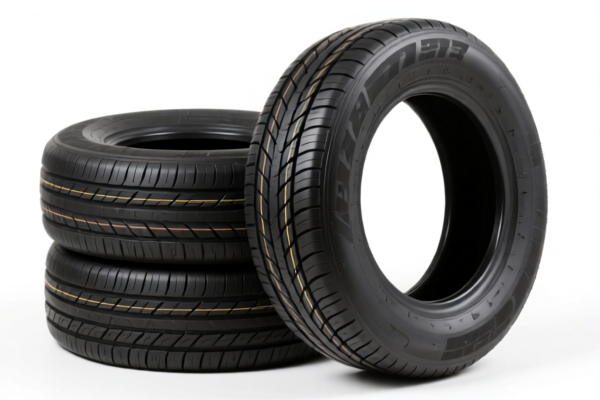
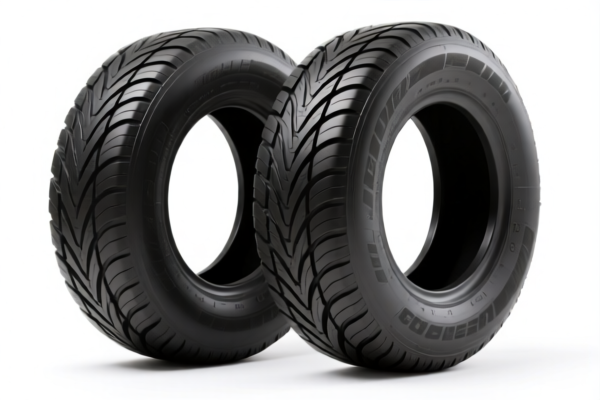
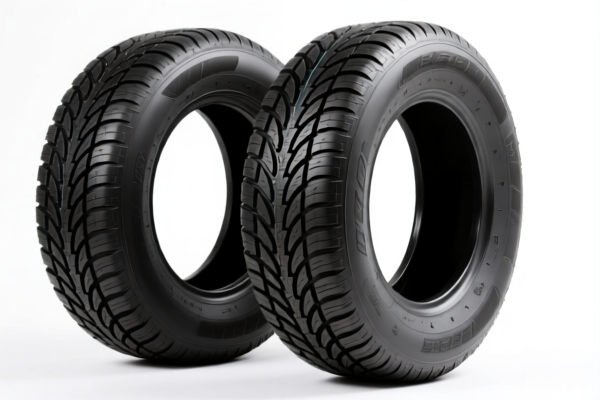
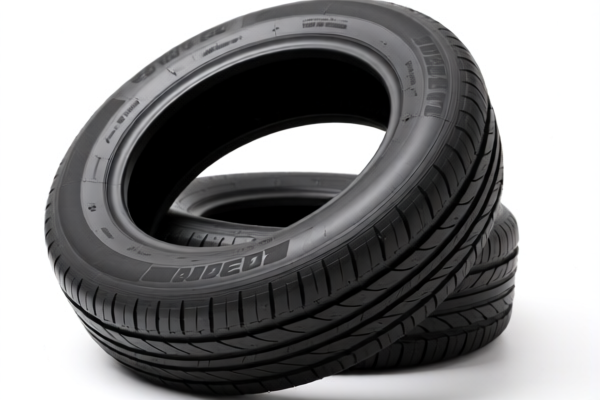
AI Analysis
🚛 New High Load Inflatable Rubber Tires (Pneumatic Tires)
🌐 HS Code Reference & Customs Clearance Guide | 2026 Latest Tariff Analysis | Professional Strategy for High-Load Tires
📌 Part 1: Product Definition & Classification: What exactly are "High Load Inflatable Tires"?
New pneumatic tires of rubber are classified based on their construction type and specific application. In international trade, "High Load" typically refers to tires designed for heavy-duty vehicles such as trucks, buses, agricultural machinery, or industrial equipment. The key distinction lies in whether the tire is Radial or Non-Radial, as this determines the HS Code and, consequently, the tax rate.
⚠️ Critical Distinction Point:
- If the tire has Radial construction (plies extend from bead to bead) → It falls under Subheading 4011.90.20.50 or 4011.90.20.10 (depending on specific vehicle type not fully detailed in DATA, but DATA specifies4011.90.20.50for "Radial Other").
- If the tire is Non-Radial (Bias ply) → It falls under Subheading 4011.90.80.50 ("Other Other").
- Exclusions: Retreaded, used, solid, or cushion tires are excluded from this group and fall under HS Code 4012.90.xxxxx.
📦 Part 2: HS Code Classification Details (2026 Official Tariff Reference)
Based on the provided DATA, here is the precise mapping for NEW pneumatic tires:
| HS Code | Product Description | Applicability | Construction Type |
|---|---|---|---|
4011.90.20.50 |
New pneumatic tires of rubber: Other: Radial Other | Heavy-duty radial tires (Trucks/Buses/Agricultural) not specifically listed in other subheadings. | ✅ Radial |
4011.90.80.50 |
New pneumatic tires of rubber: Other: Other Other | Non-radial (Bias) tires or other new pneumatic tires not covered by "Radial Other." | ❌ Non-Radial / Bias |
🔍 Important Note:
- The provided DATA does not list specific codes for passenger car tires (e.g., 4011.10) or specific truck tire sizes (e.g., 4011.20). It focuses on "Other" categories.
- "High Load" implies heavy-duty use. If your tire fits specific vehicle categories listed in other subheadings (not in DATA), you must check those first. If it is a general "Other" heavy-duty tire, use the codes above.
- Do NOT use HS Code4012.90.xxxxxfor NEW tires. That code is exclusively for Retreaded, Used, Solid, or Cushion tires.
💰 Part 3: 2026 Latest Tariff Rate Breakdown (US Import from China)
✅ Applicable Country: United States (US)
✅ Country of Origin: China (CN)
✅ Note: Rates include Base Tariff + Section 301 Additional Tariff (25%)
🎯 1. 4011.90.20.50 — New Radial Tires (Other)
| Item | Content |
|---|---|
| Base Tariff Rate | 4.0% |
| Additional Tariff (Section 301) | +25.0% |
| Total Effective Tariff Rate | 29.0% |
| Tax Calculation | CIF Value × 29.0% |
| De Minimis Exemption | ❌ Not Eligible (Section 301 goods are generally excluded) |
| Legal Basis | USITC:4011.90.20.50 + Section 301: Footnote 9903.88.01 (applicable to rubber tires) |
📌 Explanation:
- Base Rate (4.0%): Standard Most Favored Nation (MFN) rate for "Other" radial pneumatic tires.
- Additional Tariff (25%): As of 2026, rubber tires are subject to the Section 301 retaliatory tariff.
- Total Cost Impact: For every $10,000 CIF value, you pay $2,900 in duties.
🎯 2. 4011.90.80.50 — New Non-Radial / Other Tires
| Item | Content |
|---|---|
| Base Tariff Rate | 3.4% |
| Additional Tariff (Section 301) | +25.0% |
| Total Effective Tariff Rate | 28.4% |
| Tax Calculation | CIF Value × 28.4% |
| De Minimis Exemption | ❌ Not Eligible |
| Legal Basis | USITC:4011.90.80.50 + Section 301: Footnote 9903.88.01 |
📌 Explanation:
- Base Rate (3.4%): Slightly lower than radial tires for "Other" categories.
- Additional Tariff (25%): Same Section 301 application.
- Total Cost Impact: For every $10,000 CIF value, you pay $2,840 in duties.
⚠️ Excluded Items (Do Not Use These for NEW Tires)
| HS Code | Description | Why Excluded? |
|---|---|---|
4012.90.90.00 |
Retreaded or used tires, solid/cushion tires | Applies to Used/Retreaded/Solid tires only. Base tax 2.7% + 25% = 27.7%. |
4012.90.45.00 |
Solid/Cushion tires of natural rubber | Applies to Solid tires. Base tax 4.2% + 25% = 29.2%. |
4013.90.50.50 |
Inner tubes | This is for Inner Tubes, not tires. Base tax 0% + 0% = 0.0%. |
🛠️ Part 4: Customs Clearance Practical Advice (Pitfall Avoidance)
✅ 1. Essential Documentation Checklist
| Document | Required? | Notes |
|---|---|---|
| ✅ Commercial Invoice | ✔️ | Must clearly state "New Pneumatic Tires," material (Rubber), and construction type (Radial/Non-Radial). |
| ✅ Packing List | ✔️ | Include tire size (e.g., 295/80R22.5), load index, and ply rating. |
| ✅ Certificate of Origin (CO) | ✔️ | Crucial for verifying Chinese origin. If origin is not China, 301 tariffs may not apply. |
| ✅ Product Specification Sheet | ✔️ | Must confirm tires are NEW. If they are retreaded, they must be declared as such under HS 4012. |
| ✅ Tire Quality Certification | ✔️ | DOT markings, ECE standards, or other safety certifications may be required for entry. |
✅ 2. Declaration Tips (Key Mnemonics)
🔥 "New vs. Used: Radial vs. Bias: Choose the Right Code, Avoid the Penalty!"
| Scenario | Correct Declaration | Incorrect Declaration | Consequence |
|---|---|---|---|
| New Radial Tire | 4011.90.20.50 |
4012.90.90.00 (Used/Retreaded) |
Misclassification penalty + Back taxes (29.0% vs 27.7% is small, but legality is key). |
| New Bias Tire | 4011.90.80.50 |
4011.90.20.50 (Radial) |
Higher tax rate (29.0% vs 28.4%) + potential delay. |
| Retreaded Tire | 4012.90.90.00 |
4011.90.80.50 (New) |
Severe Penalty: Fraud accusation, high back taxes, seizure risk. |
| Inner Tubes | 4013.90.50.50 |
4011.90.80.50 (Tires) |
Overpayment: 0% tax instead of 28.4%. |
✅ 3. Special Considerations
| Situation | Advice |
|---|---|
| Tire Size/Type | Ensure the HS code matches the specific vehicle type if it falls under other subheadings (e.g., 4011.10 for passenger cars). The DATA provided only covers "Other" categories. |
| Mixed Containers | If shipping new tires (HS 4011) and inner tubes (HS 4013) together, declare separately. Mixing them can lead to incorrect tax assessment. |
| Origin Fraud | Do not falsely declare Chinese-origin tires as originating in Vietnam or Mexico to avoid the 25% Section 301 tariff. US Customs aggressively audits rubber tires. |
🌍 Part 5: Global Market Comparison (2026 Latest)
| Country/Region | Recommended HS Code (New Radial) | Tariff Rate (China Origin) | Notes |
|---|---|---|---|
| 🇺🇸 USA | 4011.90.20.50 |
29.0% (4.0% Base + 25% Add.) | High tariff barrier. |
| 🇨🇳 China | 4011.90.20.50 |
~2.0-4.0% (Varies) | Import duty into China. |
| 🇪🇺 EU | 4011.20 (Truck) |
0% | Generally zero duty for most tires. |
| 🇯🇵 Japan | 4011.20 (Truck) |
0% | Zero duty for most tires. |
📌 Conclusion:
- The USA is the most expensive market due to Section 301 tariffs.
- Consider supply chain diversification if exporting to the US is cost-prohibitive.
- Ensure strict compliance with "New" vs. "Retreaded" definitions to avoid legal issues.
📌 Part 6: Common Mistakes & Pitfall Guide (Lessons Learned)
❌ Mistake 1: Declaring Retreaded Tires as New Tires (4011 vs 4012)
👉 Consequence: High Risk. US Customs may impose fraud penalties, seizure, and significant back taxes. The tax difference (29.0% vs 27.7%) is small, but the legal risk is huge.
❌ Mistake 2: Ignoring Radial vs. Non-Radial distinction
👉 Consequence: Tax rate discrepancy (29.0% vs 28.4%) and potential administrative delays during customs examination.
❌ Mistake 3: Including Inner Tubes in the tire HS Code
👉 Consequence: Overpayment. Inner tubes have 0% tax. Declaring them as tires results in paying ~29% tax unnecessarily.
✅ Correct Action:
"New Radial Pneumatic Tire, Heavy Duty, Rubber, DOT Certified, Model XYZ, Origin China"
Declare separately from Inner Tubes and Retreaded Tires.
🎯 Part 7: Conclusion: Precision in Classification, Profit in Clearance
🎯 Remember the Golden Rules:
🔹 "New Radial: 4011.90.20.50 → 29.0%"
🔹 "New Non-Radial: 4011.90.80.50 → 28.4%"
🔹 "Used/Retreaded/Solid: 4012.90.xxxxx → ~27-29%"
🔹 "Inner Tubes: 4013.90.50.50 → 0.0%"🔹 "HS Code Determines Destiny: A 0.6% difference can save thousands, but a misclassification can cost everything!"
📌 Pro Tip:
If your tires are High Load for specific applications (e.g., Aircraft, Off-the-Road), check if they fall under more specific HS codes (e.g., 4011.60 for Off-the-Road) which may have different tax implications. The DATA provided only covers "Other" categories. For optimal savings, always seek a Pre-Ruling (Advance Ruling) from US Customs.
📣 Immediate Action Required:
📞 Contact a licensed customs broker + Provide product specs (Radial/Bias, New/Used) + Apply for HS Code Pre-Ruling
🚀 Ensure smooth clearance, avoid penalties, and maximize profit margins!
✨ Professional Clearance Starts with Accurate Classification!
💼 Every Dollar Saved on Duties is a Dollar Earned!
Customer Reviews
About HS Code Classification
The Harmonized System (HS) is an internationally standardized nomenclature developed by the World Customs Organization (WCO) to classify traded products. Over 200 countries use the HS system as the basis for customs tariffs, trade statistics, and import/export regulations.
Each HS code follows a hierarchical structure:
- Chapter (2 digits) — Broad category of goods (e.g., Chapter 84: Machinery and Mechanical Appliances)
- Heading (4 digits) — More specific grouping within the chapter
- Subheading (6 digits) — Internationally standardized breakdown, used by all WCO member countries
- National subdivisions (8-10 digits) — Country-specific extensions for further classification, such as US HTSUS 10-digit codes
Correct HS code classification is essential for smooth customs clearance, accurate duty payment, and compliance with trade regulations. Misclassification can lead to customs delays, overpayment of duties, or penalties.
When importing from CN to US, the applicable tariff rates may include:
- Most-Favored-Nation (MFN) rate — The standard duty rate applied to WTO members
- General rate — Applied to countries without trade agreements
- Trade remedy duties — Additional tariffs such as Section 301 (anti-dumping), Section 232 (national security), or countervailing duties
The information provided on this page is for reference purposes only. For official classification, please consult with your local customs authority or a licensed customs broker.