Other New Low Rolling Resistance Pneumatic Rubber Tires
CN → US| HS Code | Tariff Rate | Origin | Destination | Doc |
|---|---|---|---|---|
| 8708704560 | 37.5% | CN | US | Official Doc |
| 4012192000 | 35.0% | CN | US | Official Doc |
| 4012204500 | 35.0% | CN | US | Official Doc |
| 8714998000 | 27.5% | CN | US | Official Doc |
| 4011908050 | 38.4% | CN | US | Official Doc |
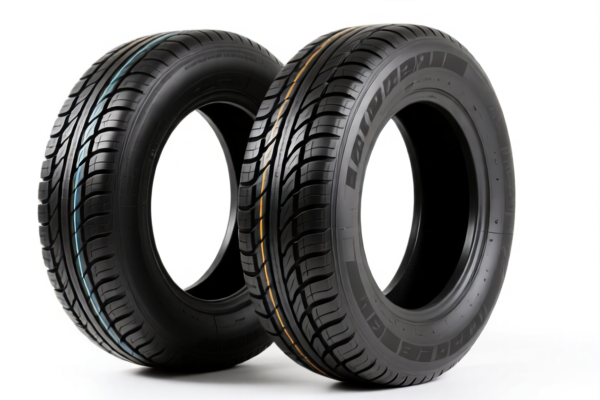
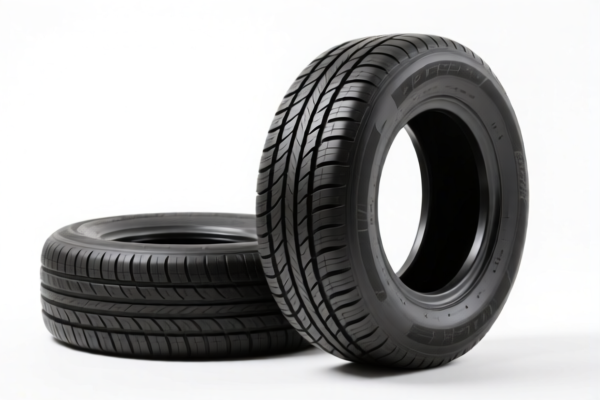
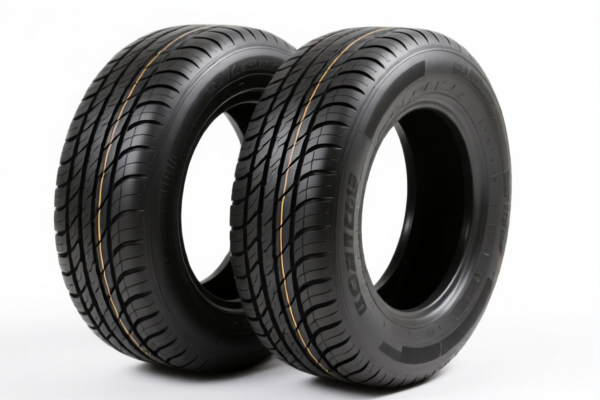
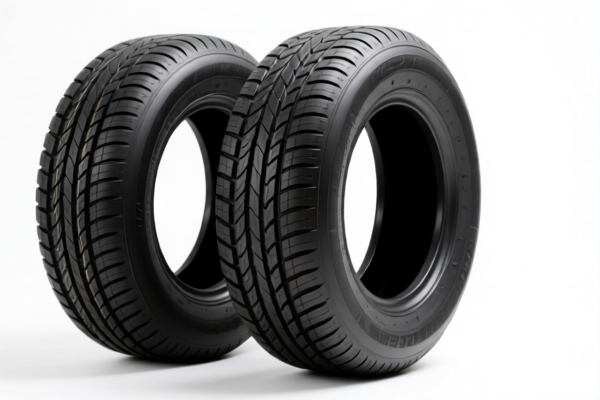
Product Images
AI Analysis
🛞 Other New Low Rolling Resistance Pneumatic Rubber Tires
🌐 HS Code Reference & Customs Clearance Guide | 2026 Latest Tariff Analysis | Professional Compliance Strategy 📌 I. Product Definition & Classification: What Are "Low Rolling Resistance" Tires?
"Low Rolling Resistance" (LRR) is not a standalone HS Code heading but a performance characteristic of pneumatic tires. In international trade, these tires are classified based on their material (Rubber), structure (Pneumatic), and intended use (Application).
The data provided highlights four distinct classification paths depending on the specific vehicle or machinery they are mounted on: 1. Automotive/Motor Vehicle Tires: Standard road tires for cars, trucks, or buses. 2. Agricultural/Garden Machinery Tires: Specifically for tractors or garden equipment. 3. Bicycle/E-bike Tires: Specifically for non-motorized bikes or electric bicycles. 4. Specialized Vehicle Parts: Classified as parts for other vehicles if not fitting standard categories.
⚠️ Key Distinction Point:
- If the tire is for a standard road vehicle (car/truck) → Look at 4011.xxxx or 8708.xxxx.
- If the tire is for agriculture → Look at 4012.19.
- If the tire is for bicycles/e-bikes → Look at 4012.20 or 8714.99.
- "Low Rolling Resistance" alone does not grant a lower tariff; the application dictates the HS Code.
📦 II. HS Code Classification Details (2026 Latest Tariff Mapping)
Based on the provided data, here are the four potential HS Codes and their tax implications for Chinese-origin goods imported into the US (implied by the "Section 301/122" references).
| HS Code | Product Description | Application/Use Case | Total Tax Rate | Tax Breakdown |
|---|---|---|---|---|
8708.70.45.60 |
Parts of Road Vehicles (Wheels/Tires) | Classified as "Other Vehicles" parts; inferred rubber/composite material. | 37.5% | Base: 2.5% Sec 301: 25.0% Sec 122: 10.0% |
4012.19.20.00 |
Retreaded/Pneumatic Tires (Agricultural) | Agricultural or garden machinery; pneumatic, rubber, specific use case. | 35.0% | Base: 0.0% Sec 301: 25.0% Sec 122: 10.0% |
4012.20.45.00 |
Pneumatic Tires (Specialized Machinery) | Specific machinery tires; no material/use conflict. | 35.0% | Base: 0.0% Sec 301: 25.0% Sec 122: 10.0% |
8714.99.80.00 |
Parts of Bicycles/E-bikes | Electric bicycle tire attachments/accessories; rubber, "other" category. | 27.5% | Base: 10.0% Sec 301: 7.5% Sec 122: 10.0% |
4011.90.80.50 |
Pneumatic Rubber Tires (Other) | General purpose pneumatic tires (except specific excluded vehicles). | 38.4% | Base: 3.4% Sec 301: 25.0% Sec 122: 10.0% |
🔍 Critical Insight:
-8714.99.80.00offers the lowest total duty (27.5%) if the tires are strictly for E-bikes.
-4012.19.20.00and4012.20.45.00offer 35.0% for agricultural/specialized uses.
-4011.90.80.50and8708.70.45.60are the highest burden (37.5%-38.4%), typically for standard automotive parts.
💰 III. 2026 Latest Tariff Rate Detailed Explanation (US Market)
✅ Applicable Country: United States (US)
✅ Origin: China (CN)
✅ Effective Date: November 10, 2025 (and subsequent imports)
🎯 1. 8708.70.45.60 – Parts of Road Vehicles (Wheels/Tires)
| Item | Detail |
|---|---|
| Base Duty | 2.5% (Ad Valorem) |
| USITC Surcharge (Sec 301) | +25.0% |
| IEEPA Surcharge (Sec 122) | +10.0% |
| Total Rate | 37.5% |
| Tax Calculation | CIF Value × 37.5% |
| De Minimis Exemption | ❌ Not Eligible (Section 321 De Minimis does not apply to Sec 301/122 goods) |
| Legal Basis | USITC:8708.70.45.60 → IEEPA:9903.01.25 → USITC:Footnote 9903.88.01 |
📌 Explanation:
- This code is used when the tire is classified as a "part" rather than a standalone tire product, often for "other" vehicles not covered by specific tire headings.
- The 25% Sec 301 tax is the standard punitive tariff on Chinese vehicle parts.
- The 10% Sec 122 tax is a recent addition targeting specific Chinese imports under the International Emergency Economic Powers Act.
🎯 2. 4012.19.20.00 & 4012.20.45.00 – Agricultural & Specialized Tires
| Item | Detail |
|---|---|
| Base Duty | 0.0% |
| USITC Surcharge (Sec 301) | +25.0% |
| IEEPA Surcharge (Sec 122) | +10.0% |
| Total Rate | 35.0% |
| Tax Calculation | CIF Value × 35.0% |
| De Minimis Exemption | ❌ Not Eligible |
| Legal Basis | USITC:4012.19.20.00 / 4012.20.45.00 → IEEPA:9903.01.24 → FOOTNOTE:9903.88.01 |
📌 Explanation:
- Zero base duty reflects the US policy to support agricultural and specialized industrial equipment imports.
- However, the 35% effective rate remains high due to the mandatory 25% + 10% surcharges.
- Crucial: You must prove the tire is for agricultural or specific machinery use. Misclassification as an automotive tire will result in higher duties and penalties.
🎯 3. 8714.99.80.00 – E-Bike Parts (Lowest Duty Option)
| Item | Detail |
|---|---|
| Base Duty | 10.0% |
| USITC Surcharge (Sec 301) | +7.5% |
| IEEPA Surcharge (Sec 122) | +10.0% |
| Total Rate | 27.5% |
| Tax Calculation | CIF Value × 27.5% |
| De Minimis Exemption | ❌ Not Eligible |
| Legal Basis | USITC:8714.99.80.00 → IEEPA:9901.25 → IEEPA:9903.01.24 |
📌 Explanation:
- This is the most cost-effective classification if the tires are for Electric Bicycles (E-Bikes).
- The lower Sec 301 rate (7.5% instead of 25%) applies to certain bicycle parts under specific USITC rulings.
- Warning: Must provide proof that the tire is for a bicycle/e-bike, not a moped or motorcycle (which would fall under different, higher-taxed codes).
🎯 4. 4011.90.80.50 – Other Pneumatic Rubber Tires
| Item | Detail |
|---|---|
| Base Duty | 3.4% |
| USITC Surcharge (Sec 301) | +25.0% |
| IEEPA Surcharge (Sec 122) | +10.0% |
| Total Rate | 38.4% |
| Tax Calculation | CIF Value × 38.4% |
| De Minimis Exemption | ❌ Not Eligible |
| Legal Basis | USITC:4011.90.80.50 → IEEPA:9903.01.25 → FOOTNOTE:9903.88.01 |
📌 Explanation:
- This is the default category for pneumatic tires not specified elsewhere (e.g., standard car/truck tires not listed in other specific headings).
- It carries the highest total tax (38.4%).
- If your "Low Rolling Resistance" tires are for general road vehicles, this is likely your code, but consider if they can be reclassified as E-bike parts to save 10.9%.
🛠️ IV. Customs Clearance Practical Advice (Avoiding Pitfalls)
✅ 1. Documentation Checklist (Mandatory)
| Document | Required? | Purpose |
|---|---|---|
| ✅ Product Specification Sheet | ✔️ | Must state: "Pneumatic," "Rubber," "Low Rolling Resistance," and Intended Vehicle Type. |
| ✅ Technical Diagram | ✔️ | To prove tire structure (pneumatic vs. solid) and bead type. |
| ✅ Commercial Invoice | ✔️ | Must clearly describe the item as "E-Bike Tire" or "Agricultural Tire" to justify lower HS Codes. |
| ✅ Proof of End-Use | ✔️ | Letter from buyer confirming the tires are for E-bikes/Agricultural machines. Critical for 8714 or 4012. |
| ✅ Certificate of Origin (CO) | ✔️ | Required to verify Chinese origin for Sec 301/122 application. |
| ✅ UL/FCC/CE Certificates | ✔️ | While not always mandatory for tires, some US states or retailers require safety certifications. |
✅ 2. Declaration Strategy (Key Mantra)
🔥 "Classify by Use, Not Just Material! 'E-Bike' Saves 10.9%!"
| Scenario | Correct HS Code | Incorrect HS Code | Consequence |
|---|---|---|---|
| E-Bike Tires | 8714.99.80.00 (27.5%) |
4011.90.80.50 (38.4%) |
Overpay 10.9% + Risk Audit |
| Tractor Tires | 4012.19.20.00 (35.0%) |
8708.70.45.60 (37.5%) |
Overpay 2.5% |
| Car Tires | 4011.90.80.50 (38.4%) |
8714.99.80.00 (27.5%) |
Severe Penalty for Fraud |
| Solid Tires | Not in Data Set | Pneumatic Codes | Wrong Classification |
✅ 3. Special Cases
| Case | Handling Advice |
|---|---|
| Mixed Shipments | If shipping E-bike tires with car tires, separate bills of lading or clear line-item descriptions are required to avoid the entire shipment being taxed at the highest rate. |
| "Low Rolling Resistance" Marketing | Do not rely on this phrase for classification. It is a performance feature, not a legal category. Use Intended Use for HS Code determination. |
| E-Bike vs. Moped | Ensure the E-bike does not exceed US legal limits (750W, 20mph) if claiming bicycle parts. If it exceeds, it may be classified as a motorcycle part, changing the HS Code entirely. |
🌍 V. Global Market Comparison (2026)
| Country/Region | Recommended HS Code | Estimated Duty | Certification | Notes |
|---|---|---|---|---|
| 🇺🇸 USA | 8714.99.80.00 (Best) |
27.5% | DOT (if applicable) | Highest protectionism; Sec 301/122 applies. |
| 🇨🇳 China | 4011.90.80.50 |
15-20% | CCC | Lower base duty, no Sec 301. |
| 🇪🇺 EU | 4011.90.80.50 |
0-4% | E-Marking (ECE R75) | No punitive tariffs; E-Marking mandatory. |
| 🇦🇺 Australia | 4011.90.80.50 |
5% | SAA | Moderate duty, no punitive taxes. |
📌 Conclusion:
- The US is the most expensive market for Chinese tires due to 37-38% effective duties.
- Optimization Opportunity: If you sell E-bike tires, strictly use8714.99.80.00to save 10.9% in tariffs.
- Documentation is Key: Prove "E-Bike" or "Agricultural" use clearly in the invoice and commercial documents.
📌 VI. Common Errors & Pitfalls (Lessons Learned)
❌ Error 1: Declaring E-bike tires as "Automotive Tires" (4011.90.80.50)
👉 Result: Pay 38.4% instead of 27.5%. Wasted margin.
❌ Error 2: Using "Low Rolling Resistance" as the HS Code description
👉 Result: Customs cannot classify. Shipment held, delayed, or reclassified with penalties.
❌ Error 3: Combining E-bike tires with motorcycle parts in one shipment
👉 Result: Customs may tax the entire shipment at the higher rate if not clearly separated.
❌ Error 4: Ignoring the "Sec 122" 10% surcharge
👉 Result: Underestimating landed cost by 10%. Budgeting failure.
✅ Correct Practice:
"Pneumatic Rubber Tire for Electric Bicycle, Low Rolling Resistance, Tubeless, Size 20x2.125, Model LRR-E20"
HS Code:8714.99.80.00
🎯 VII. Conclusion: Professional Classification, Cost Savings!
🎯 Remember the Mantra:
🔹 "Use Defines Code. E-Bike = 27.5%. Car = 38.4%. Paperwork = Key."
🔹 "Don't let 'Low Rolling Resistance' fool you. It's about the Vehicle, not the Rubber."
📌 Pro Tip:
If your tires are destined for non-China origins (e.g., Vietnam, Malaysia), you may avoid the 25% Sec 301 tax, reducing the total duty significantly. Consider supply chain diversification for the US market.
📣 Immediate Action:
📞 Contact a Licensed Customs Broker
📄 Provide Product Specs & Intended Use Proof
🚀 Apply for Advance Ruling if unsure
✨ Professional clearance starts with precise classification!
💼 Every percentage point saved is pure profit!
Customer Reviews
About HS Code Classification
The Harmonized System (HS) is an internationally standardized nomenclature developed by the World Customs Organization (WCO) to classify traded products. Over 200 countries use the HS system as the basis for customs tariffs, trade statistics, and import/export regulations.
Each HS code follows a hierarchical structure:
- Chapter (2 digits) — Broad category of goods (e.g., Chapter 84: Machinery and Mechanical Appliances)
- Heading (4 digits) — More specific grouping within the chapter
- Subheading (6 digits) — Internationally standardized breakdown, used by all WCO member countries
- National subdivisions (8-10 digits) — Country-specific extensions for further classification, such as US HTSUS 10-digit codes
Correct HS code classification is essential for smooth customs clearance, accurate duty payment, and compliance with trade regulations. Misclassification can lead to customs delays, overpayment of duties, or penalties.
When importing from CN to US, the applicable tariff rates may include:
- Most-Favored-Nation (MFN) rate — The standard duty rate applied to WTO members
- General rate — Applied to countries without trade agreements
- Trade remedy duties — Additional tariffs such as Section 301 (anti-dumping), Section 232 (national security), or countervailing duties
The information provided on this page is for reference purposes only. For official classification, please consult with your local customs authority or a licensed customs broker.