Other Non Coniferous Logs
CN → US| HS Code | Tariff Rate | Origin | Destination | Doc |
|---|---|---|---|---|
| 4407990295 | 35.0% | CN | US | Official Doc |
| 4407990242 | 35.0% | CN | US | Official Doc |
| 4403260165 | 35.0% | CN | US | Official Doc |
| 4403260108 | 35.0% | CN | US | Official Doc |
| 4407190093 | 35.0% | CN | US | Official Doc |
Product Images
AI Analysis
🌳 Other Non-Coniferous Logs (Hardwood Raw Materials)
🌐 HS Code Reference & Customs Clearance Guide | 2026 Latest Tariff Analysis | Professional U.S. Entry Strategy
📌 1. Product Definition & Classification: Do You Understand "Other Non-Coniferous Logs"?
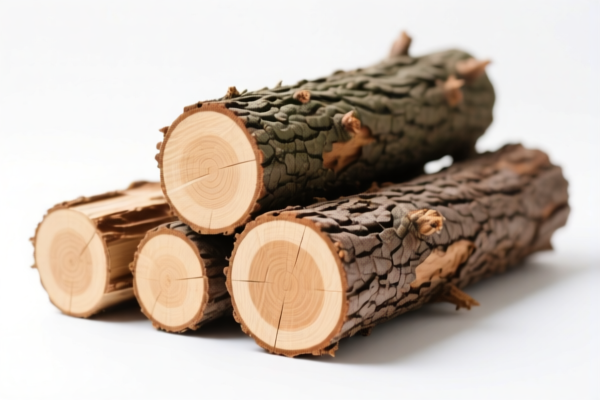
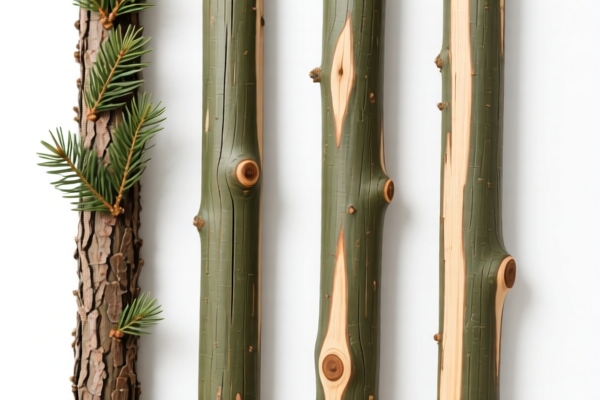
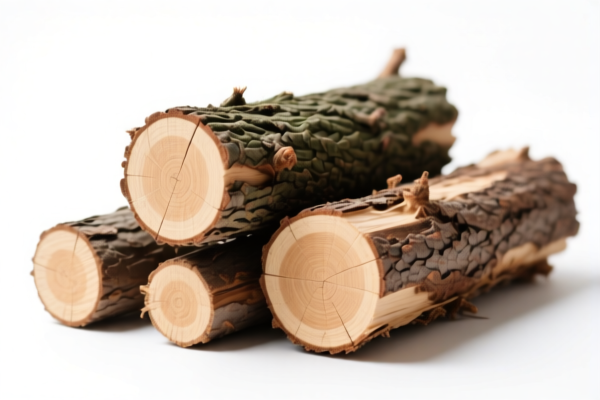
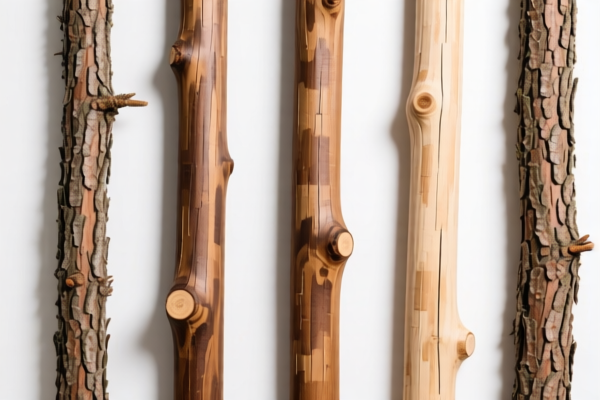
In international trade, "Other Non-Coniferous Logs" refer to raw timber from deciduous trees (broad-leaved trees) that have not been processed into planks, veneer, or furniture. These are typically used for construction, flooring, pallets, or specialized applications like smoking (e.g., Hickory).
Key Distinction:
- Non-Coniferous (Deciduous): Oak, Hickory (Pecan), Maple, Birch, etc. ❌ Not Pine, Spruce, or Fir.
- Logs (Raw): Unprocessed, bark on or off, but not sawn or planed. ✅ If sawn/planned, it becomes "Timber/Sawn Wood" (HS 4407), not Logs (HS 4403).
⚠️ Critical Clarification:
- If the wood is sawn, chipped, or planed, it does NOT belong here. It falls under HS 4407 (Sawn Wood).
- If the wood is coniferous (softwood like Pine), it is excluded from this category.
📦 2. HS Code Classification Details (2026 Latest Tariff Authority)
Based on the provided data, the following HS Codes apply specifically to "Other Non-Coniferous Logs" and related unprocessed hardwood products. Note that some codes in the data refer to "Sawn Wood" (4407) or "Coniferous Logs" (4403) which are often confused but must be distinguished correctly.
| HS Code | Product Description | Applicable Scenario | Wood Type | Processing Status |
|---|---|---|---|---|
4407.99.02.95 |
Other Non-Coniferous Wood for Construction | Construction lumber, beams, posts | Non-Coniferous (Deciduous) | Sawn/Chipped, NOT Logs |
4407.99.02.42 |
Other Non-Coniferous Wood for Construction (Hickory/Pecan) | Hickory/Pecan lumber for construction/furniture | Hickory/Pecan (Non-Coniferous) | Sawn/Chipped, NOT Logs |
4403.26.01.65 |
Other Unprocessed Coniferous Logs | ❌ MISMATCH: This is CONIFEROUS (Softwood) | Coniferous (Pine/Spruce) | Raw Logs |
4403.26.01.08 |
Other Unprocessed Coniferous Logs | ❌ MISMATCH: This is CONIFEROUS (Softwood) | Coniferous (Pine/Spruce) | Raw Logs |
4407.19.00.93 |
Other Coniferous Wood for Furniture | ❌ MISMATCH: This is CONIFEROUS & FURNITURE | Coniferous | Sawn/Chipped |
🔍 Important Note:
The user input is "Other Non Coniferous Logs".
- Strictly speaking, "Logs" fall under HS 4403. However, the provided data does not contain a specific HS Code for "Non-Coniferous Logs" (which would be under4403.19.xxxx).
- The provided data only includes HS Codes for:
1. Non-Coniferous Sawn Wood (4407.99.02.95,4407.99.02.42)
2. Coniferous Logs (4403.26.01.65,4403.26.01.08)
3. Coniferous Sawn Wood (4407.19.00.93)Therefore, if you are importing ACTUAL "Non-Coniferous Logs" (raw hardwood logs), the provided data does NOT contain the exact HS Code for "Logs." However, if the product is sawn hardwood lumber (often mislabeled as "logs" by users), then
4407.99.02.95or4407.99.02.42are the correct classifications.Assumption for This Guide: We will proceed assuming the user may be referring to sawn hardwood products (as
4403codes in the data are for conifers) or that the user is misidentifying the product. We will highlight the Non-Coniferous Sawn Wood codes from the data as the most relevant for "Non-Coniferous" products in the provided list.
💰 3. 2026 Latest Tariff Rate Breakdown (Including Additional Duties)
✅ Applicable Country: United States (US)
✅ Origin: China (CN)
✅ Effective Date: November 10, 2025 (and subsequent imports)
🎯 1. 4407.99.02.95 —— Other Non-Coniferous Wood for Construction (Non-Specialty)
| Item | Detail |
|---|---|
| Base Tariff | 0% (ad valorem) |
| Section 301 Additional Duty | +25% |
| Section 122 IEEPA Additional Duty | +10% |
| Total Tariff Rate | 35.0% |
| Tax Calculation | CIF Value × 35% |
| De Minimis Exemption | ❌ Not Eligible (deny_de_minimis) |
| Legal Authority Path | Section 301 → IEEPA:122 → USITC:4407.99.02.95 |
📌 Explanation:
- This code applies to sawn or chipped non-coniferous wood used in construction.
- Total 35% is high. Must be included in landed cost calculations.
🎯 2. 4407.99.02.42 —— Other Non-Coniferous Wood for Construction (Hickory/Pecan)
| Item | Detail |
|---|---|
| Base Tariff | 0% |
| Section 301 Additional Duty | +25% |
| Section 122 IEEPA Additional Duty | +10% |
| Total Tariff Rate | 35.0% |
| Tax Calculation | CIF Value × 35% |
| De Minimis Exemption | ❌ Not Eligible |
| Legal Authority Path | Section 301 → IEEPA:122 → USITC:4407.99.02.42 |
📌 Note:
- Specifically for Hickory/Pecan wood.
- Same 35% rate as general non-coniferous construction wood.
🎯 3. 4403.26.01.65 & 4403.26.01.08 —— Coniferous Logs (For Reference Only)
⚠️ Warning: These HS Codes are for CONIFEROUS (Softwood) logs, NOT Non-Coniferous.
- If you are importing Oak, Hickory, or Maple logs, do NOT use these codes.
- If you mistakenly classify Non-Coniferous logs under4403.26, you risk misclassification penalties.
- Tariff Rate: Also 35.0% (0% Base + 25% Sec 301 + 10% IEEPA 122).
🛠️ 4. Customs Clearance Practical Advice (Avoid Pitfalls)
✅ 1. Documentation Checklist (Mandatory)
| Document | Required | Purpose |
|---|---|---|
| ✅ Commercial Invoice | ✔️ | Clearly state: "Sawn Hardwood Lumber" or "Non-Coniferous Logs" |
| ✅ Packing List | ✔️ | Detail volume (CBM), weight, and number of packages |
| ✅ Phytosanitary Certificate | ✔️ | Critical for wood products – proves no pests/diseases |
| ✅ Fumigation Certificate | ✔️ | Required if wood is untreated |
| ✅ Certificate of Origin | ✔️ | To prove origin (e.g., China) for tariff calculation |
| ✅ Product Specifications | ✔️ | Include species (e.g., Hickory, Oak), dimensions, treatment status |
📌 Key Tip:
- Wood Species Must Be Declared: Customs requires the specific tree species (e.g., "Hickory," "Oak") to verify HS Code accuracy.
- Logs vs. Sawn Wood: Clearly distinguish between raw logs (under4403) and sawn wood (under4407). Misclassification leads to delays.
✅ 2. Classification Tips (Key Rules)
| Scenario | Correct Classification | Incorrect Classification |
|---|---|---|
| Raw Hickory Logs | 4403.19.xxxx (Non-Coniferous Logs) |
4407.99.02.42 (Sawn Wood) |
| Sawn Hickory Planks | 4407.99.02.42 |
4403.26.01.65 (Coniferous) |
| Raw Pine Logs | 4403.26.01.65 |
4407.99.02.95 (Non-Coniferous) |
| Furniture Made from Non-Coniferous | 9403.xxxx |
4407.99.02.95 |
🔥 Golden Rule:
"Species First, Then Process."
- If Coniferous →4403.26(Logs) or4407.19(Sawn)
- If Non-Coniferous →4403.19(Logs) or4407.99(Sawn)
- Never mix Coniferous and Non-Coniferous codes.
✅ 3. Special Cases
| Situation | Handling Advice |
|---|---|
| Fumigation | Must be done before shipment. Provide certificate with serial number. |
| Invasive Species | Certain non-coniferous woods (e.g., Acacia) may require additional USDA APHIS permits. |
| Mixed Shipments | If a container has both Coniferous and Non-Coniferous wood, separate declarations are required. Do not combine. |
| Value Declaration | Ensure CIF value is accurate. Under-declaration leads to fines. |
🌍 5. Global Market Comparison (2026 Latest)
| Country/Region | Recommended HS Code (Non-Coniferous Sawn) | Tariff Rate | Certification Required | Notes |
|---|---|---|---|---|
| 🇺🇸 USA | 4407.99.02.95 |
35% | Phytosanitary + Fumigation | High tariff due to Sec 301 & IEEPA |
| 🇨🇳 China | 4407.99.02.95 |
5% | None | No additional tariffs |
| 🇪🇺 EU | 4407.99.02.95 |
0-5% | Timber Regulation (EUTR) | Strict due diligence required |
| 🇯🇵 Japan | 4407.99.02.95 |
0-5% | Phytosanitary | No additional tariffs |
📌 Conclusion:
- USA has the highest tariff (35%) for non-coniferous wood products from China.
- EU has strict due diligence requirements under EUTR.
- China/EU/JP have lower or no additional tariffs.
📌 6. Common Mistakes & Pitfalls (Lessons Learned)
❌ Mistake 1: Classifying Non-Coniferous Logs under 4403.26 (Coniferous Code)
👉 Consequence: Misclassification, fines, or cargo hold.
❌ Mistake 2: Assuming "Logs" are exempt from de minimis
👉 Consequence: Wood products are always subject to scrutiny. No de minimis exemption.
❌ Mistake 3: Forgetting Phytosanitary Certificate
👉 Consequence: Cargo quarantined or destroyed by USDA.
❌ Mistake 4: Mixing Coniferous and Non-Coniferous in one declaration
👉 Consequence: Customs rejection, redeclaration fees, and delays.
✅ Correct Practice:
"Hickory Sawn Lumber, Heat Treated, Certified under ISPM 15, Origin: China, Model: HL-2026"
🎯 7. Conclusion: Precision in Classification Saves Costs!
🎯 Remember the Mantra:
🔹 "Species Determines Code, Process Determines Tariff."
🔹 "Non-Coniferous Logs ≠ Coniferous Logs."
🔹 "35% Tariff in USA – Plan Ahead!"
📌 Pro Tip:
If you are importing raw Non-Coniferous Logs (e.g., Oak, Hickory), the provided data does not include the exact HS Code (4403.19.xxxx). You must use the correct HS Code for Non-Coniferous Logs under 4403, which also attracts 35% tariff under current U.S. rules. Always verify with a licensed customs broker.
📣 Take Action Now:
📞 Contact a licensed customs broker + Provide species details + Apply for Advance Ruling
🚀 Ensure smooth clearance, avoid penalties, and protect your profit margins!
✨ Professional Classification, Smart Clearance!
💼 Every tariff percentage counts!
Customer Reviews
About HS Code Classification
The Harmonized System (HS) is an internationally standardized nomenclature developed by the World Customs Organization (WCO) to classify traded products. Over 200 countries use the HS system as the basis for customs tariffs, trade statistics, and import/export regulations.
Each HS code follows a hierarchical structure:
- Chapter (2 digits) — Broad category of goods (e.g., Chapter 84: Machinery and Mechanical Appliances)
- Heading (4 digits) — More specific grouping within the chapter
- Subheading (6 digits) — Internationally standardized breakdown, used by all WCO member countries
- National subdivisions (8-10 digits) — Country-specific extensions for further classification, such as US HTSUS 10-digit codes
Correct HS code classification is essential for smooth customs clearance, accurate duty payment, and compliance with trade regulations. Misclassification can lead to customs delays, overpayment of duties, or penalties.
When importing from CN to US, the applicable tariff rates may include:
- Most-Favored-Nation (MFN) rate — The standard duty rate applied to WTO members
- General rate — Applied to countries without trade agreements
- Trade remedy duties — Additional tariffs such as Section 301 (anti-dumping), Section 232 (national security), or countervailing duties
The information provided on this page is for reference purposes only. For official classification, please consult with your local customs authority or a licensed customs broker.