Other Plant Material Parallel Bundle Woven Products
CN → US| HS Code | Tariff Rate | Origin | Destination | Doc |
|---|---|---|---|---|
| 1401904000 | 38.2% | CN | US | Official Doc |
| 4602198000 | 37.3% | CN | US | Official Doc |
| 1401204000 | 12.0% | CN | US | Official Doc |
| 4601944000 | 35.0% | CN | US | Official Doc |
| 4602191800 | 39.5% | CN | US | Official Doc |
Product Images
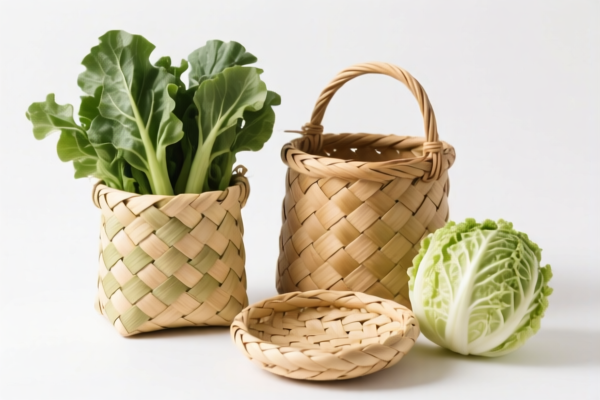
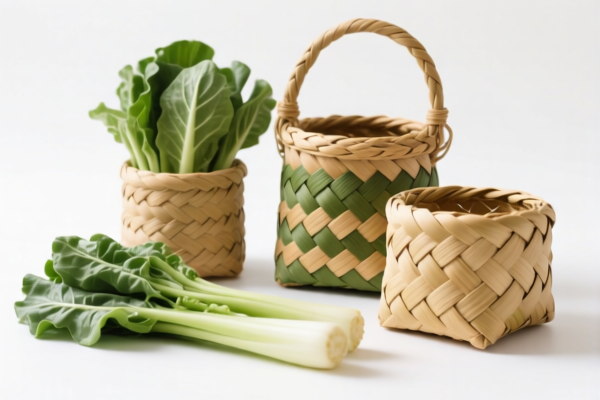
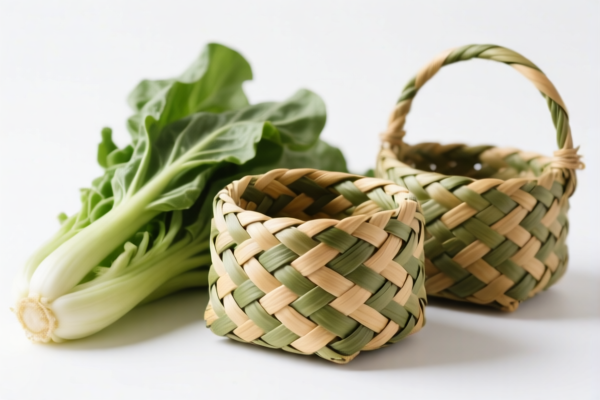
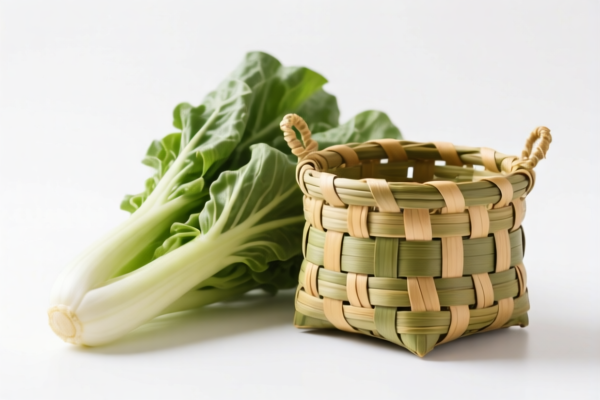
AI Analysis
🌿 Other Plant Material Parallel Bundle Woven Products
🌐 HS Code Reference & Customs Clearance Guide | 2026 Latest Tariff Analysis | Professional Entry Strategy
📌 Part 1: Product Definition & Classification: What Are "Parallel Bundle Woven Products" Made of Other Plant Materials?
"Other Plant Material Parallel Bundle Woven Products" refer to woven articles or semi-finished woven materials constructed from plant fibers other than those specifically listed (such as rattan or bamboo, which have their own distinct categories). The key characteristic is the "Parallel Bundle" structure, where fibers are laid parallel to each other before being woven or bound together. These products fall generally under Chapter 14 (Vegetable Plaiting Materials; Products of Basketwork, Wickerwork and Other Plaiting Materials) or Chapter 46 (Basketwork, Wickerwork and Other Articles of Plaiting Materials).
⚠️ Key Distinction:
- If the product is a finished article (baskets, mats, bags), it typically falls under Chapter 46.
- If the product is a raw or semi-finished weaving material (strands, plaiting bands), it typically falls under Chapter 14.
- The specific HS Code depends on whether the material is classified as "Other Plant Materials" broadly or if it fits a specific sub-category like "Rattan" (though Rattan often has its own code, some processed forms may overlap depending on interpretation).
📦 Part 2: HS Code Classification Details (2026 Latest Tariff Authority对照)
| HS Code | Product Description | Application Scenario | Tax Rate Summary |
|---|---|---|---|
1401.90.40.00 |
Other parallel strand woven products, made of other plant materials. Used for weaving products, categorized under other plant materials. | Semi-finished weaving materials, raw strands from non-specific plant fibers. | 38.2% |
4602.19.80.00 |
Other plant material parallel strand woven products, made of plant material, shaped as baskets, woven goods, and similar articles. | Finished baskets, mats, decorative woven items. | 37.3% |
1401.20.40.00 |
Other plant material parallel strand woven products, material is Rattan: Other. Used for weaving, Strand form belongs to weaving raw materials. | Raw rattan strands or processed rattan weaving materials. | 12.0% |
4601.94.40.00 |
Other plant material parallel strand woven products, material is other plant materials, shape is woven fabric, Strand is unassembled form. | Unassembled woven mats or fabrics made from mixed plant fibers. | 35.0% |
4602.19.18.00 |
Other plant material parallel strand woven products, material is plant materials, belonging to the woven products category of baskets and bags, "Other" is the catch-all category. | Finished baskets, bags, or similar woven containers not specified elsewhere. | 39.5% |
🔍 Key Notes:
- Chapter 14 vs. Chapter 46: Products in Chapter 14 (1401.xx) are generally considered plaiting materials (raw/semi-finished). Products in Chapter 46 (4602.xx) are finished articles (baskets, bags).
- Rattan Specificity: Code1401.20.40.00specifically addresses Rattan, which has a significantly lower base tariff compared to "Other Plant Materials."
- "Other" Categories: Codes ending in.90or.19often serve as catch-all categories for items not explicitly named, leading to higher base tariffs or additional duties.
💰 Part 3: 2026 Latest Tariff Rate Details (Including Surcharges & Policy Additions)
✅ Applicable Country: United States (US)
✅ Origin: China (CN)
✅ Effective Date: From November 10, 2025 (and subsequent imports)
🎯 1. 1401.90.40.00 —— Other Plant Materials, Parallel Strand Woven Products
| Item | Detail |
|---|---|
| Base Tariff | 3.2% (ad valorem) |
| Section 301 Surcharge | +25.0% |
| Section 122 Surcharge | +10.0% |
| Total Tariff Rate | 38.2% |
| Tax Calculation | CIF Value × 38.2% |
| De Minimis Exemption | ❌ Not Eligible (deny_de_minimis) |
| Legal Basis Path | USITC:1401.90.40.00 → Section 301: Footnote 9903.88.01 → Section 122: 10% |
📌 Explanation:
- The 25% Section 301 duty applies to most Chinese-manufactured goods under this category.
- The 10% Section 122 duty is a specific surcharge often applied to certain imported goods, adding to the total cost.
- Total 38.2% is a high burden. Accurate classification is critical to avoid misdeclaration penalties.
🎯 2. 4602.19.80.00 —— Finished Woven Products (Baskets, etc.)
| Item | Detail |
|---|---|
| Base Tariff | 2.3% (ad valorem) |
| Section 301 Surcharge | +25.0% |
| Section 122 Surcharge | +10.0% |
| Total Tariff Rate | 37.3% |
| Tax Calculation | CIF Value × 37.3% |
| De Minimis Exemption | ❌ Not Eligible |
| Legal Basis Path | USITC:4602.19.80.00 → Section 301 → Section 122 |
📌 Note:
- Although the base tariff is slightly lower (2.3% vs 3.2%), the total rate remains high due to mandatory surcharges.
- This code is for finished goods. Misclassifying a finished basket as raw material (1401) could lead to an overpayment of 0.9%, but more importantly, incorrect classification may trigger customs audits.
🎯 3. 1401.20.40.00 —— Rattan-Based Parallel Strand Materials
| Item | Detail |
|---|---|
| Base Tariff | 2.0% (ad valorem) |
| Section 301 Surcharge | +0.0% (Note: Data indicates 0% for this specific sub-item in the provided dataset) |
| Section 122 Surcharge | +10.0% |
| Total Tariff Rate | 12.0% |
| Tax Calculation | CIF Value × 12.0% |
| De Minimis Exemption | ❌ Not Eligible |
| Legal Basis Path | USITC:1401.20.40.00 → Section 122 |
📌 Crucial Insight:
- This is the most cost-effective code in the dataset.
- The data explicitly states 0% Section 301 for this code. This may indicate that processed rattan or specific rattan strands are treated differently under current trade policies, or it reflects a specific exemption/exclusion.
- Verification Required: Always confirm with the latest USITC rulings whether "Rattan" strands qualify for the 0% 301 duty. Some classifications of "other plant materials" that look like rattan might still be subject to 301 if not strictly defined as rattan.
🎯 4. 4601.94.40.00 —— Unassembled Woven Fabrics (Other Plant Materials)
| Item | Detail |
|---|---|
| Base Tariff | 0.0% (ad valorem) |
| Section 301 Surcharge | +25.0% |
| Section 122 Surcharge | +10.0% |
| Total Tariff Rate | 35.0% |
| Tax Calculation | CIF Value × 35.0% |
| De Minimis Exemption | ❌ Not Eligible |
| Legal Basis Path | USITC:4601.94.40.00 → Section 301 → Section 122 |
📌 Note:
- Even with a 0% base tariff, the surcharges push the total to 35%.
- This code is for unassembled woven fabrics. Ensure the product is indeed in an "unassembled" state and not a finished mat or rug, which might fall under a different code with different rates.
🎯 5. 4602.19.18.00 —— Finished Baskets/Bags (Catch-All)
| Item | Detail |
|---|---|
| Base Tariff | 4.5% (ad valorem) |
| Section 301 Surcharge | +25.0% |
| Section 122 Surcharge | +10.0% |
| Total Tariff Rate | 39.5% |
| Tax Calculation | CIF Value × 39.5% |
| De Minimis Exemption | ❌ Not Eligible |
| Legal Basis Path | USITC:4602.19.18.00 → Section 301 → Section 122 |
📌 Warning:
- This is the highest total rate at 39.5%.
- This code is a "catch-all" for baskets and bags not specified elsewhere. It is advisable to see if the product can be classified under a more specific sub-category (e.g., if it's made of bamboo, a different code might apply) to reduce costs.
🛠️ Part 4: Customs Clearance Practical Advice (Real-World Pitfall Avoidance)
✅ 1. Preparation Checklist (Essential Documents)
| Document | Mandatory? | Description |
|---|---|---|
| ✅ Product Specifications | ✔️ | Detailed description of material (e.g., "Rattan," "Seagrass," "Other Plant Fiber"), dimensions, and construction method. |
| ✅ Material Composition Report | ✔️ | Third-party lab test proving the material is "Plant Material" and specifying the type (critical for distinguishing Rattan vs. Other). |
| ✅ Product Photos | ✔️ | Clear images showing the weaving pattern, parallel strand structure, and finished form (if applicable). |
| ✅ Commercial Invoice | ✔️ | Must accurately describe the item as "Woven Product" or "Plaiting Material," not generic "Gift" or "Home Decor." |
| ✅ Packing List | ✔️ | Detailed breakdown of contents to support classification. |
✅ 2. Declaration Tips (Key Mantras)
🔥 “Material Defines Code, Form Defines Chapter, Rattan is Key!”
| Scenario | Correct Declaration | Incorrect Practice |
|---|---|---|
| Raw Strands | Declare as "Parallel Strand Woven Materials" → 1401.xx |
Declaring as "Finished Basket" → Wrong Chapter |
| Rattan Material | Explicitly state "Rattan" to potentially access 1401.20.40.00 (12% Total) |
Vague term "Plant Material" → 1401.90.40.00 (38.2% Total) |
| Finished Basket | Declare as "Woven Basket" → 4602.xx |
Declaring as "Unassembled Mat" → Risk of Misclassification |
| Mixed Materials | Provide composition % to justify "Other Plant Material" code | Claiming 100% Rattan if it contains synthetic blends |
✅ 3. Special Cases Handling
| Scenario | Handling Advice |
|---|---|
| OEM Custom Orders | Provide customer design specs to prove the product matches the HS Code description (e.g., confirming "parallel strand" structure). |
| Mixed Fiber Products | If the product contains >50% plant material, it may still qualify. Provide lab reports to prove primary material. |
| Rattan Dispute | If US Customs questions whether the material is "Rattan," have a botanical expert opinion or detailed material analysis ready. |
| De Minimis Loophole | ❌ Do Not Rely: These codes are not eligible for de minimis exemption (usually $800). All shipments are subject to duty. |
🌍 Part 5: Global Market Customs Comparison (2026 Latest)
| Country/Region | Recommended HS Code | Total Tariff (China Origin) | Certification Requirements | Notes |
|---|---|---|---|---|
| 🇺🇸 USA | 1401.20.40.00 (if Rattan) |
12.0% (Best Case) 35.0%-39.5% (Others) |
None specific, but accurate classification is key. | High risk of Section 301/122 duties. |
| 🇨🇳 China | 1401.20.40.00 |
Low (Import Duty ~2-5%) | N/A (Export focus) | China exports these; US import duties are the main cost. |
| 🇪🇺 EU | 1401.20 / 4602.19 |
0% - 4.5% (Varies) | CE (if applicable), FSC (if wood-based) | No Section 301 equivalent. Generally lower tariffs than US. |
| 🇬🇧 UK | 1401.20 / 4602.19 |
0% - 5.0% | UKCA (if applicable) | Post-Brexit rules apply. |
📌 Conclusion:
- USA is the most challenging market due to high surcharges (Section 301 + 122).
- Rattan classification is the golden ticket to reduce total duty from ~38% to 12%.
- EU/UK offer more favorable rates but require careful attention to sustainability certifications (e.g., FSC) if the plant material is wood-derived.
📌 Part 6: Common Errors & Pitfall Guide (Lessons from the Field)
❌ Error 1: Calling "Rattan Strands" "Other Plant Materials"
👉 Consequence: Pay 38.2% instead of 12.0%. Loss of 26.2% value!
❌ Error 2: Declaring "Finished Basket" as "Unassembled Mat" (4601.94.40.00)
👉 Consequence: Customs may reject the declaration, delay shipment, or assess penalties for misclassification.
❌ Error 3: Ignoring "Section 122"
👉 Consequence: Forgetting to budget for the 10% surcharge leads to budget shortfalls and cash flow issues.
❌ Error 4: Assuming De Minimis Applies
👉 Consequence: Small shipments still face 35%+ duties. Do not use postal/courier de minimis for these goods.
✅ Correct Approach:
“Rattan Strands, Parallel Weaving Form, For Basket Weaving, Model RT-100, FSC Certified”
🎯 Part 7: Conclusion: Professional Declaration, Save Money, Stay Compliant
🎯 Remember the Mantra:
🔹 “Rattan is Key, 12% is Low, Other Plants are 38% High!”
🔹 “Chapter 14 for Raw, Chapter 46 for Finished, Don’t Mix Them Up!”
🔹 “Section 301 and 122 are Always On, Budget for Them!”
📌 Pro Tip:
- Apply for Advance Rulings: If you are importing large volumes, request a binding ruling from US Customs to confirm the HS Code and duty rate.
- Material Verification: Always have lab tests ready to prove if your material is "Rattan" or "Other Plant Material." This distinction alone can save you 26% in duties.
📣 Immediate Action:
📞 Contact your customs broker + Provide Material Composition Report + Request HS Code Advance Ruling
🚀 Ensure your Rattan products are correctly classified to minimize tax burden!
✨ Professional Clearance Starts with Precise Classification!
💼 Every Percentage Point Saved is Pure Profit!
Customer Reviews
About HS Code Classification
The Harmonized System (HS) is an internationally standardized nomenclature developed by the World Customs Organization (WCO) to classify traded products. Over 200 countries use the HS system as the basis for customs tariffs, trade statistics, and import/export regulations.
Each HS code follows a hierarchical structure:
- Chapter (2 digits) — Broad category of goods (e.g., Chapter 84: Machinery and Mechanical Appliances)
- Heading (4 digits) — More specific grouping within the chapter
- Subheading (6 digits) — Internationally standardized breakdown, used by all WCO member countries
- National subdivisions (8-10 digits) — Country-specific extensions for further classification, such as US HTSUS 10-digit codes
Correct HS code classification is essential for smooth customs clearance, accurate duty payment, and compliance with trade regulations. Misclassification can lead to customs delays, overpayment of duties, or penalties.
When importing from CN to US, the applicable tariff rates may include:
- Most-Favored-Nation (MFN) rate — The standard duty rate applied to WTO members
- General rate — Applied to countries without trade agreements
- Trade remedy duties — Additional tariffs such as Section 301 (anti-dumping), Section 232 (national security), or countervailing duties
The information provided on this page is for reference purposes only. For official classification, please consult with your local customs authority or a licensed customs broker.